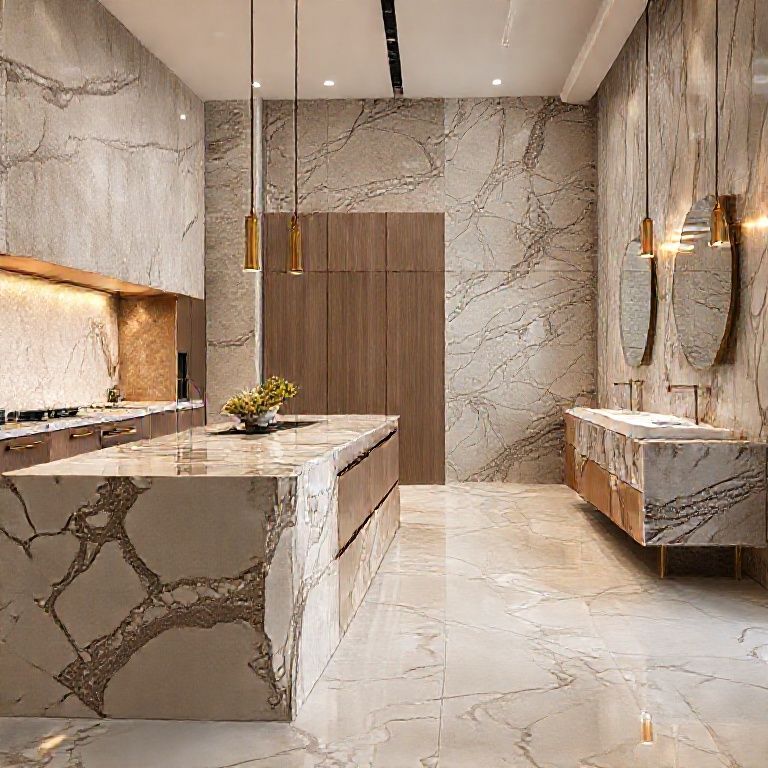
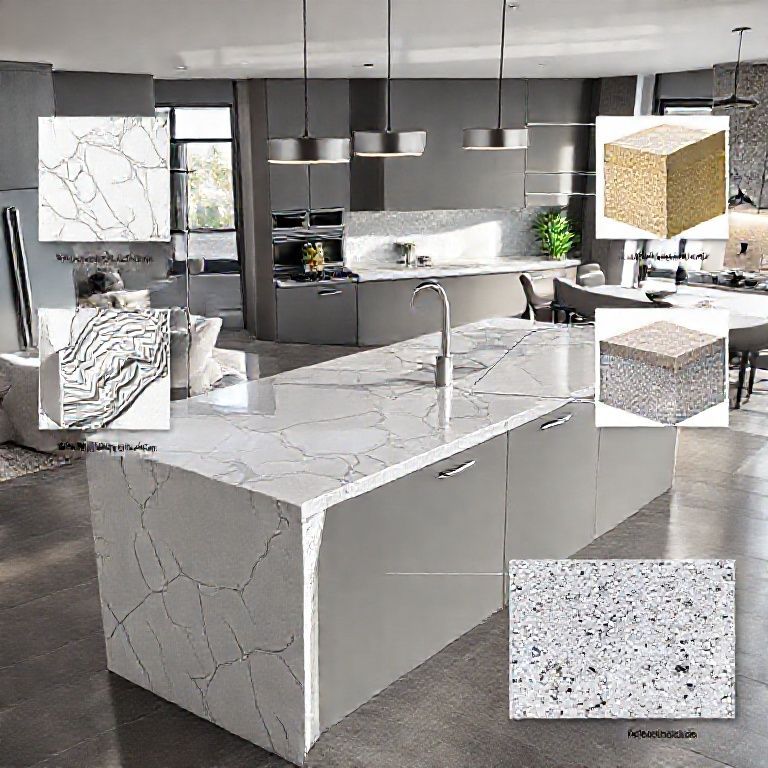
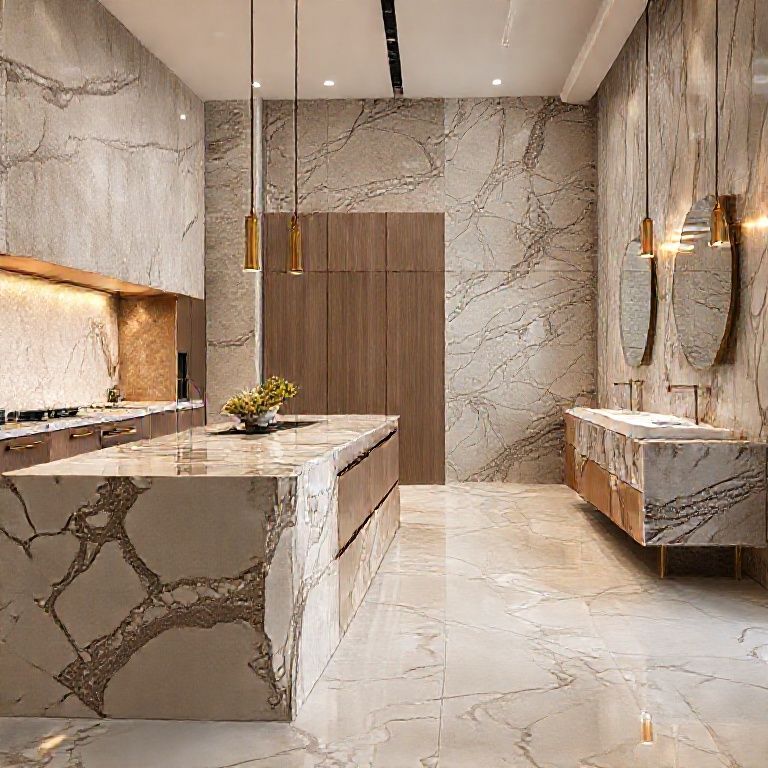
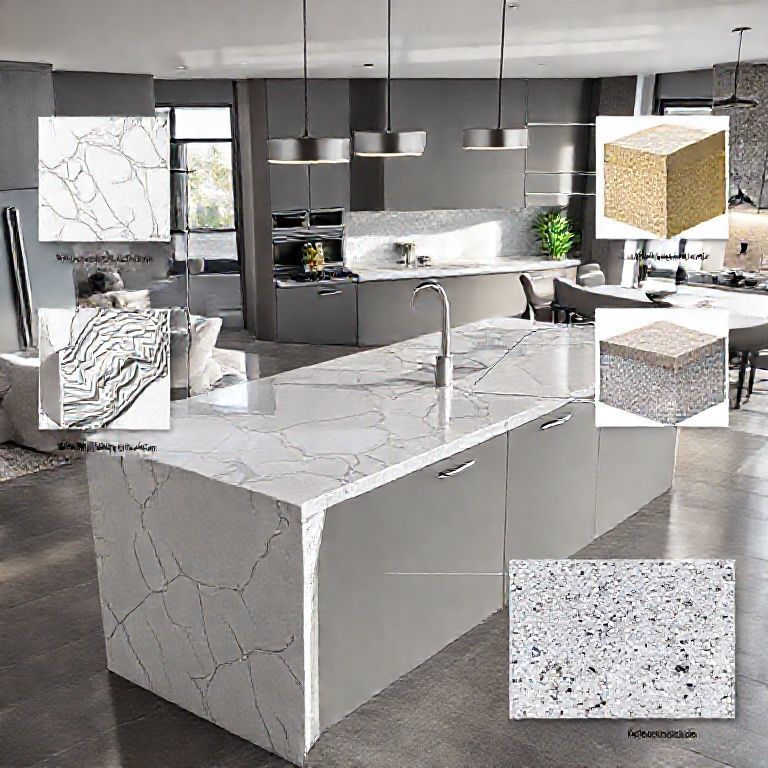
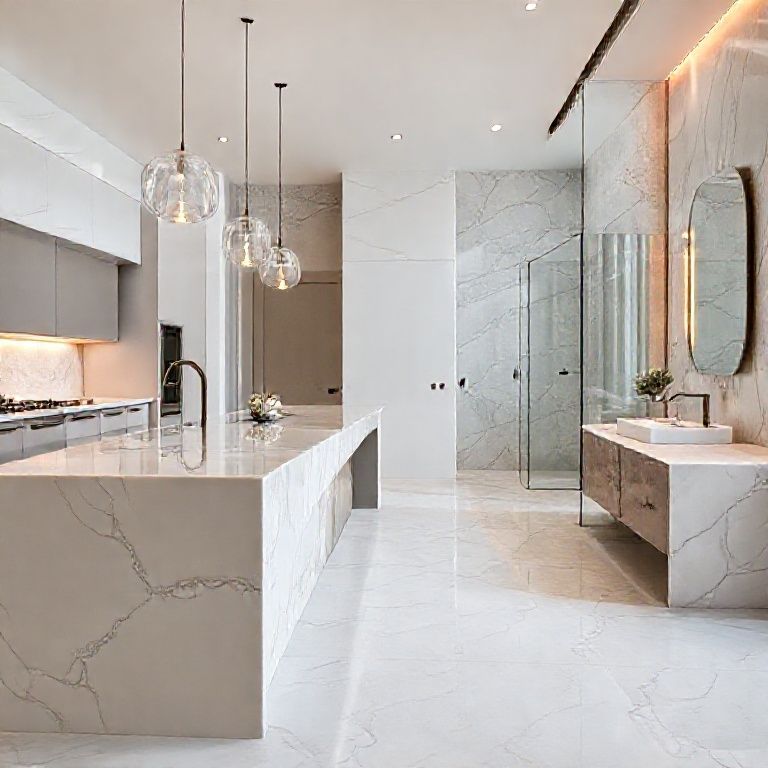
If you’ve ever found your kitchen’s quartz countertops turning a dull yellow, you’re not alone. Quartz is a durable and stylish choice for countertops, but even its hard surface isn’t immune to discoloration over time. This problem often arises due to spills, stains, or exposure to certain chemicals, which can lead to a less-than-stellar appearance. But don’t worry! With the right techniques, you can revive your quartz countertops and restore them to their original sparkling glory. Here’s how.

Understanding the Causes
Before diving into the solutions, it’s important to understand what’s causing the yellowing. Here are some common culprits:
Spills: Coffee, tea, juice, and other liquids can penetrate the surface and cause discoloration. Cooking oils and grease: These can seep into the pores of the quartz, causing a yellow hue. Chemical cleaners: Some cleaning agents can strip away the protective layer of the quartz, leading to yellowing. Sunlight: Prolonged exposure to UV rays can also cause the surface to fade and turn yellow.
Preventive Measures
Prevention is always better than cure, so here are some tips to prevent yellowing in the first place:
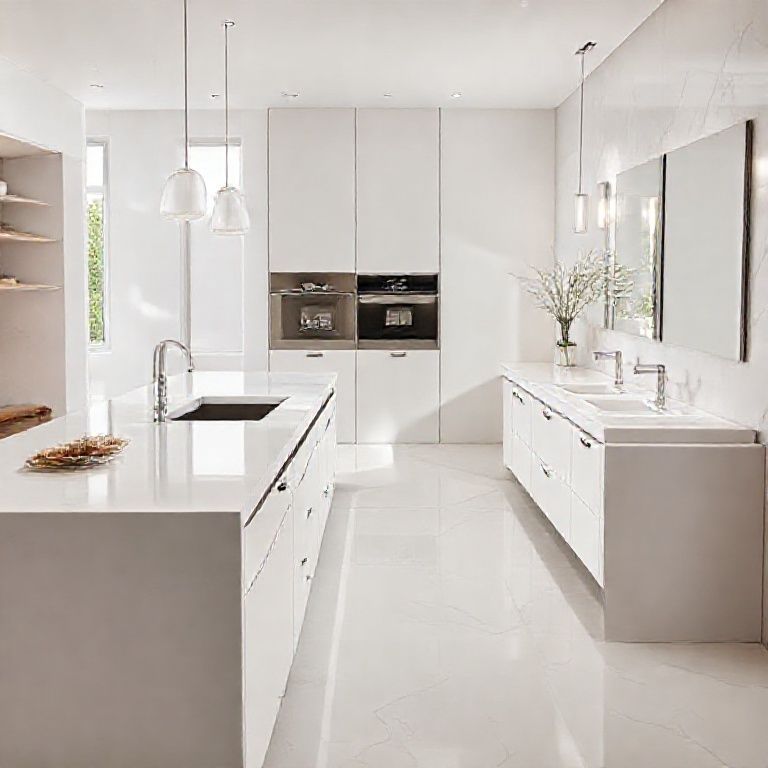
Use cutting mats: Always use a cutting board or a mat when cutting food on your countertops. Immediate cleanup: Wipe up spills and stains as soon as they happen. Use gentle cleaners: Opt for mild, non-abrasive cleaners that are safe for quartz. Protect with sealant: Consider applying a quartz countertop sealant to protect the surface.
Natural Cleaning Solutions
One of the most effective ways to tackle yellowing is to use natural cleaning solutions that are gentle yet powerful. Here are some homemade remedies:
Lemon Juice and Baking Soda
Ingredients:
1 lemon 1/2 cup of baking soda
Instructions:
Cut the lemon in half and squeeze the juice into a bowl. Mix the lemon juice with baking soda to form a paste. Apply the paste to the yellowed areas and let it sit for about 10-15 minutes. Scrub with a soft cloth or sponge and rinse with water.
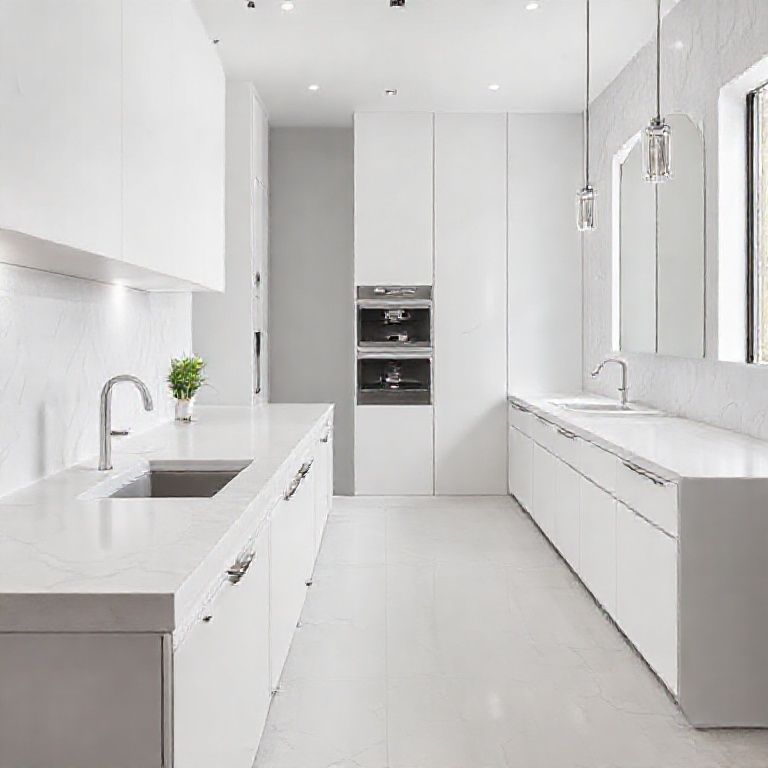
Why it works: The acidity of the lemon juice helps to break down the stains, while the baking soda acts as a gentle abrasive to scrub away the discoloration.
Hydrogen Peroxide and Baking Soda
Ingredients:
3% hydrogen peroxide Baking soda Water
Instructions:
Mix 1 tablespoon of baking soda with 1/2 cup of water to form a paste. Add a few drops of hydrogen peroxide to the paste. Apply the mixture to the yellowed areas and let it sit for about 10 minutes. Scrub gently with a sponge and rinse with water.
Why it works: Hydrogen peroxide is a powerful oxidizer that helps to break down stains, while baking soda ensures a gentle scrub.
Vinegar and Salt
Ingredients:
White vinegar Salt
Instructions:
Mix equal parts of white vinegar and water to create a solution. Dip a cloth in the solution and wipe down the countertop. For stubborn spots, sprinkle salt on the countertop and rub it into the yellowed areas. Rinse with water.
Why it works: Vinegar’s acidic properties help to lift stains, while salt acts as a mild abrasive.
Professional Cleaning Techniques
While natural remedies are often effective, sometimes you need a more powerful approach. Here are some professional-grade techniques:
Caustic Soda Paste
Ingredients:
1/4 cup of caustic soda (sodium hydroxide) 1/2 cup of water
Instructions:
Mix caustic soda with water to form a paste. Apply the paste to the affected areas and let it sit for 20-30 minutes. Scrub with a stiff brush and rinse thoroughly with water.
Warning: Caustic soda is highly caustic and should only be used with extreme caution. Always wear protective gloves and work in a well-ventilated area.
Commercial Cleaners
There are many commercial cleaners specifically designed for quartz countertops. Follow the manufacturer’s instructions carefully, and always test a small area first to ensure there’s no adverse reaction.
Regular Maintenance Tips
To keep your quartz countertops looking their best, follow these regular maintenance tips:
Wipe with a damp cloth: Use a damp cloth to wipe down your countertops daily. Avoid abrasive cleaners: Stick to mild, non-abrasive cleaners to prevent scratching the surface. Seal periodically: Reapply the quartz sealant every 6-12 months to maintain its protective layer.
By understanding the causes of yellowing and implementing these preventive measures and cleaning hacks, you can keep your quartz countertops looking pristine and modern. Remember, regular maintenance is key to prolonging the life and beauty of your quartz surfaces.
If your quartz countertops still show signs of yellowing despite trying natural remedies, it’s time to move on to more advanced techniques and long-term solutions. This part will cover specialized cleaning methods, professional services, and maintenance tips to ensure your countertops stay beautiful for years to come.
Advanced Cleaning Methods
For those who have tried natural remedies but haven’t seen satisfactory results, here are some more potent cleaning methods.
Polishing with a Diamond Pad
Tools Needed:
Diamond polishing pad Quartz countertop cleaner Microfiber cloth
Instructions:
Apply a small amount of quartz countertop cleaner to the diamond polishing pad. Gently polish the yellowed areas with the pad in a circular motion. Wipe the surface with a microfiber cloth to remove any residue.
Why it works: The diamond pad helps to smooth out the surface and remove stains without scratching the quartz.
Using a Quartz Restoration Service
For a hassle-free solution, consider hiring a professional quartz restoration service. These experts use specialized equipment and techniques to remove deep stains and restore the original look of your countertops.
Chemical Peel
Ingredients:
1/4 cup of bleach 1/4 cup of water 1/4 cup of vinegar
Instructions:
Mix the bleach, water, and vinegar in a spray bottle. Spray the mixture onto the yellowed areas. Let it sit for 10 minutes, then scrub with a brush and rinse thoroughly with water.
Warning: This method is very strong and should be used with extreme caution. Always wear protective gloves and work in a well-ventilated area.
Long-Term Solutions
To prevent future yellowing, it’s important to implement long-term solutions that will keep your countertops looking pristine.
Regular Sealing
Quartz countertops can be sealed to create a protective barrier that prevents stains and discoloration. Reapplying the sealant every 6-12 months can significantly prolong the life and appearance of your countertops.
How to Reseal Quartz:
Clean the surface thoroughly. Apply the sealant using a foam applicator pad. Follow the manufacturer’s instructions for drying and curing.
Protective Covers
To protect your countertops from spills and stains, consider using cutting boards, trivets, and other protective covers. These can significantly reduce the amount of spills and stains that come into contact with the quartz surface.
UV Protection
If your countertops are exposed to direct sunlight, consider using UV-protective films or shades to prevent UV rays from causing discoloration over time.
Professional Services
If you’re not comfortable performing advanced cleaning techniques or if the yellowing is particularly stubborn, professional services can be a lifesaver. Here’s what you can expect:
Restoration: Professionals use advanced techniques like laser cleaning to remove deep-seated stains and restore the original color of the quartz当然,继续探讨如何维护和保养你的瓷砖或石材台面,以确保它们长期保持光洁和美观。
专业清洁和维护服务
定期专业清洁
专业清洁可以有效地去除顽固污渍和深层污垢,延长台面的使用寿命。一般建议每年至少进行一次专业清洁,具体频率可以根据使用情况调整。
定期检查和维修
定期检查台面的小裂缝和磨损情况,及时进行修复,可以防止问题恶化。专业的维修服务可以提供更精准和有效的解决方案。
预防措施
使用防溅垫和盖子
在使用厨房电器和烹饪时,尽量使用防溅垫和盖子,减少液体和油脂溅到台面上的机会。
迅速清理溢漏物
每当发现液体或食物溢出时,立即用湿布擦拭干净,以防止污渍渗入台面。
避免使用强力清洁剂
尽量避免使用含有强酸、强碱或其他腐蚀性成分的清洁剂,以免损伤台面表面。选择专门为瓷砖或石材设计的清洁产品。
日常保养
清洁工具和技巧
使用软布或海绵清洁台面,避免使用金属器具或硬质刷子,以免划伤表面。
使用中性清洁剂
每天清洁台面时,可以使用温水和中性清洁剂。对于顽固污渍,可以使用少量的白醋或柠檬汁(对于石材)。
防止污渍渗入
为了防止污渍渗入台面缝隙,可以定期用专门的封闭剂处理接缝,使其更加防水和耐污渍。
特殊处理
定期打蜡
对于某些石材台面,如大理石或花岗岩,可以定期打蜡来增加光泽并提供额外的保护。但请注意,不同的石材对打蜡的要求不同,务必查阅具体材料的使用说明。
定期抛光
某些高端的石材台面可能需要定期抛光以保持光泽和防止磨损。抛光应该由专业人员进行,以确保操作的安全和效果。
紧急处理
处理液体溢漏
汽油、酒精或其他化学物质溢漏时,立即用干布擦干,然后使用专门的清洁剂进行处理。注意:具体清洁剂应根据溢漏物的种类进行选择。
处理顽固污渍
对于顽固污渍,可以使用专门的去污剂或者小苏打、醋等自制清洁剂进行处理。涂抹后静置一段时间,然后用湿布擦拭干净。
通过以上这些方法,你可以有效地保持瓷砖或石材台面的美观和功能性,延长其使用寿命。定期的保养和正确的使用习惯是保持台面如新的关键。