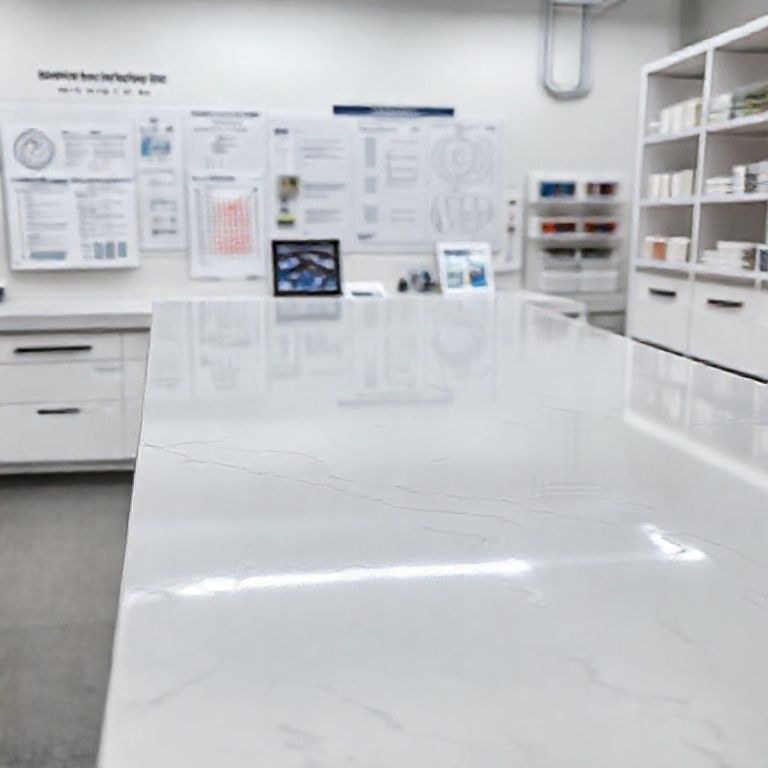
The 1.2-meter wide kitchen – a challenge that many homeowners face, yet one that can be overcome with a generous dose of creativity and smart design. Often found in apartments, older homes, or even as a secondary prep area, these slender spaces can feel restrictive, making you wonder if there’s enough room to swing a spatula, let alone prepare a gourmet meal. But fear not, for the limitation of width can actually be a catalyst for innovation, pushing you to think outside the box and discover solutions that are as beautiful as they are functional. Forget the notion that small means sacrificing style or utility. Instead, embrace the opportunity to craft a culinary sanctuary that is perfectly tailored to its dimensions.
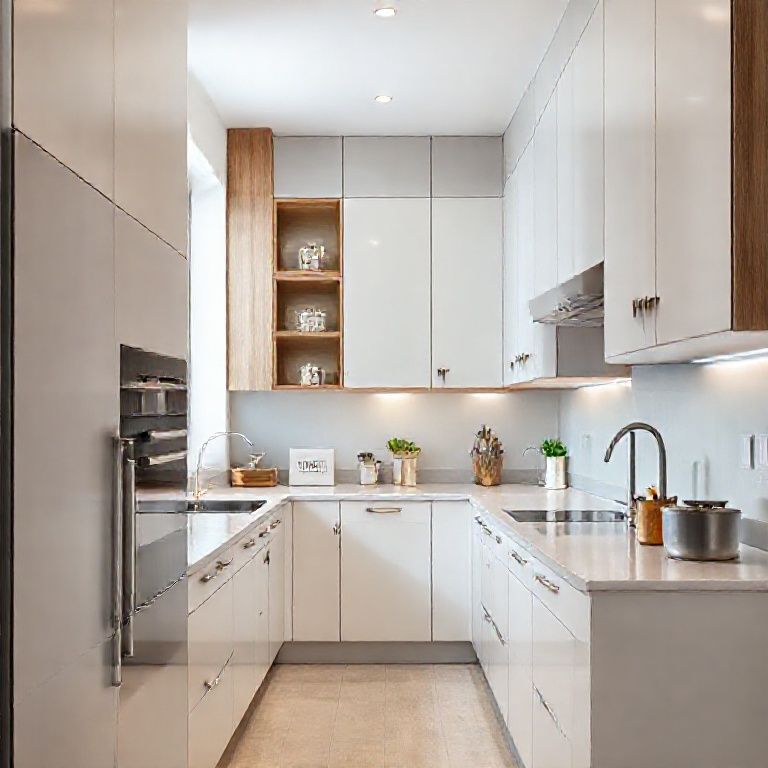
The fundamental principle when approaching a 1.2-meter wide kitchen is maximizing every inch of available space, both horizontally and vertically. This means being strategic about your layout, choosing the right cabinetry, and incorporating intelligent storage solutions. Let’s begin by dissecting the most effective layouts for such a constrained area. The galley kitchen, with its two parallel runs of cabinetry and workspace, is often the go-to for narrow spaces. This layout is incredibly efficient as it minimizes wasted movement between key work zones – the sink, the stove, and the refrigerator. By placing these appliances strategically, you can create a seamless workflow. Imagine the sink on one side, the stove on the other, and perhaps the refrigerator tucked into an end or opposite a smaller counter section. This creates a clear pathway down the center, ensuring you can move freely without bumping into things. However, a straight galley can sometimes feel like a corridor, so consider breaking it up subtly. Perhaps one side could be a slightly deeper counter or incorporate a small, built-in breakfast bar, adding a touch of versatility.
Another strong contender is the L-shaped layout. This is particularly effective if you have a corner to utilize. By extending cabinets and countertops along two adjoining walls, you open up the central area of the kitchen, making it feel less confined. This layout naturally creates a more defined work triangle and can feel more inviting than a strict galley. The beauty of an L-shape is that it can often accommodate a small dining nook or a pull-out table, further enhancing its functionality within a limited footprint. When considering either of these layouts, the depth of your cabinets becomes a critical decision. Standard depth cabinets might feel too bulky and intrusive, reducing the perceived width of the room. Opting for shallower base cabinets on one side, perhaps where you do most of your prep work, can instantly make the space feel more open. You might sacrifice a bit of internal storage depth, but this can be compensated for with clever internal organizers. Wall cabinets, on the other hand, can often be standard depth or even slightly deeper, as they don’t encroach on the main circulation path.
The importance of thoughtful cabinetry cannot be overstated in a narrow kitchen. Custom cabinetry is your best friend here. It allows you to tailor every dimension to your exact needs, avoiding wasted space that standard off-the-shelf units can create. Think about incorporating pull-out drawers instead of deep cupboards. These offer superior accessibility, allowing you to see and reach everything at the back with ease. Deep drawers are perfect for pots, pans, and larger appliances, while shallower drawers are ideal for cutlery, utensils, and linens. For wall cabinets, consider a mix of standard and shallower depths. You might also explore vertical storage solutions. Tall, slender pantry cabinets that extend to the ceiling can provide a surprising amount of storage without taking up much floor space. Integrated handles or push-to-open mechanisms can create a sleek, seamless look, further enhancing the sense of space.
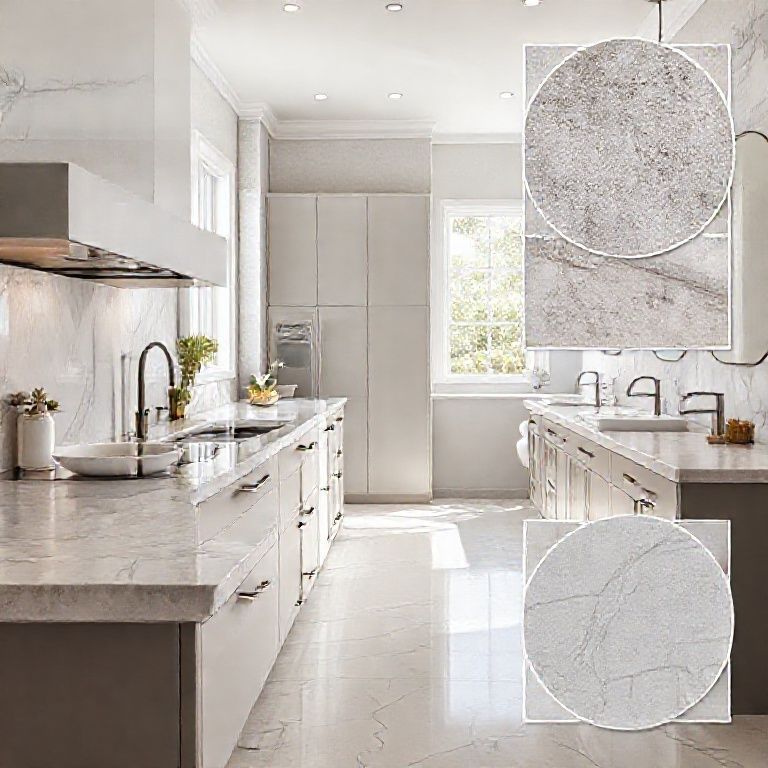
When it comes to countertops, think about materials that are durable, easy to clean, and visually light. Light-colored quartz or solid surface materials can reflect light and make the kitchen feel brighter and more expansive. Consider a countertop that extends slightly beyond the base cabinets to provide a small overhang, which can be useful for seating if you opt for a breakfast bar. Integrating the sink into the countertop, rather than having an undermount or drop-in sink, can also create a more streamlined look. Lighting is another crucial element. A well-lit narrow kitchen will feel significantly larger and more inviting. Layer your lighting. Under-cabinet lighting is essential for task illumination and to create a warm ambiance. Recessed ceiling lights can provide general ambient light, but avoid placing them too close together, which can make the ceiling feel busy. Consider a stylish pendant light over a sink or a small dining area if your layout allows.
Finally, don’t underestimate the power of visual tricks. Using a consistent color palette throughout the kitchen can create a sense of flow and unity. Light colors, as mentioned, are excellent for making a space feel larger. Consider a monochromatic scheme or a limited palette with pops of color in accessories. Reflective surfaces, such as high-gloss cabinet finishes or a mirrored backsplash (used judiciously, of course), can bounce light around the room and create an illusion of depth. The flooring also plays a role. Large format tiles or continuous wood flooring can make the space feel less broken up and therefore larger. The goal is to create a kitchen that feels cohesive, efficient, and a pleasure to be in, regardless of its dimensions. The 1.2-meter kitchen is not a limitation; it’s an invitation to be ingenious.
Continuing our journey into optimizing the 1.2-meter wide kitchen, let’s delve deeper into the art of space-saving and multifunctional elements that can truly transform your narrow culinary space. Beyond the layout and cabinetry, the accessories and the overall aesthetic play a pivotal role in making a small kitchen feel spacious, efficient, and utterly delightful. It’s about smart choices that maximize utility without compromising on style.
Appliances are often the biggest culprits in consuming valuable space. In a 1.2-meter wide kitchen, opting for slimline or compact versions of your essential appliances is paramount. Think about integrated appliances that blend seamlessly with your cabinetry, creating a uniform and uncluttered look. A 45cm dishwasher, for instance, can be a game-changer if a full-size one simply isn’t feasible. Similarly, a compact induction hob with two burners might be sufficient for many households, freeing up valuable countertop space. Built-in microwaves, often placed above the oven or integrated into a wall cabinet, are another excellent way to save counter real estate. Refrigerators are another consideration. If a standard depth fridge is too imposing, explore counter-depth models or consider a smaller, under-counter refrigerator or a stylish, slim vertical fridge if your budget allows. The key is to select appliances that are appropriately scaled for the space.
The concept of verticality is your secret weapon in a narrow kitchen. When floor space is at a premium, looking upwards is the most logical solution. This translates to utilizing the full height of your walls for storage. This means extending wall cabinets all the way to the ceiling. This not only provides a significant amount of extra storage for less frequently used items but also draws the eye upwards, making the room feel taller. Consider open shelving above a certain height for displaying decorative items or frequently used dishes, but be mindful of visual clutter. For the lower sections, maximize drawer storage as discussed previously, as these are more accessible and efficient than deep cupboards.
Beyond built-in storage, think about clever freestanding and wall-mounted solutions. A narrow, tiered rolling cart can be invaluable, providing extra prep space when needed and easily stowed away. It can also serve as a mobile pantry or a place to house your coffee machine and accessories. Wall-mounted magnetic knife strips not only free up drawer space but also add a touch of professional flair. Wall-mounted spice racks or small, adjustable shelving units can keep your essential ingredients within easy reach without cluttering the countertops. Consider a fold-down table or a pull-out work surface. These can be invaluable for extra prep area or even a small dining spot. When not in use, they disappear almost entirely, preserving the precious floor space.
The details of your kitchen hardware and accessories can also make a significant impact. Opt for sleek, minimalist handles or handleless cabinetry for a clean, streamlined look. These don’t interrupt the visual flow and contribute to the feeling of spaciousness. For your faucet, choose a design that is proportionate to your sink and doesn’t overpower the space. Integrated soap dispensers can further reduce visual clutter. Think about where you store your everyday items. Utensil crocks should be as compact as possible, or better yet, utilize drawer organizers. Pegboards can be incredibly versatile for hanging utensils, pots, and pans, and can even be painted to match your kitchen’s aesthetic.
The material choices for your backsplash can also play a strategic role. Light-colored tiles, mirrored tiles, or glass backsplashes can reflect light and create a sense of depth. If you opt for a patterned tile, choose something that isn’t too busy or overpowering, as this can make a narrow space feel more cramped. Consider subway tiles for a classic, clean look or a large format tile that minimizes grout lines, contributing to a seamless appearance.
Color psychology is a powerful tool in small kitchen design. Light and bright colors are your allies. Whites, creams, soft grays, and pastels can make the space feel larger and more airy. If you crave color, introduce it through accessories like tea towels, dishware, or artwork. Painting the ceiling a lighter shade than the walls can also create an illusion of height. High-gloss finishes on cabinets or paint can reflect light, making the space feel more open and dynamic.
Finally, decluttering and organization are ongoing processes, but they are especially crucial in a narrow kitchen. Embrace a “less is more” philosophy. Only keep what you truly need and use. Invest in good quality, versatile tools and appliances that serve multiple purposes. Regularly reassess your storage solutions and make adjustments as needed. A well-organized narrow kitchen is not just functional; it’s a testament to thoughtful design and mindful living. By implementing these strategies, your 1.2-meter wide kitchen can transcend its perceived limitations and become a highly efficient, aesthetically pleasing, and enjoyable space that you’ll be proud to cook and entertain in. It’s about making every square centimeter count, transforming a challenge into a triumph of compact design.