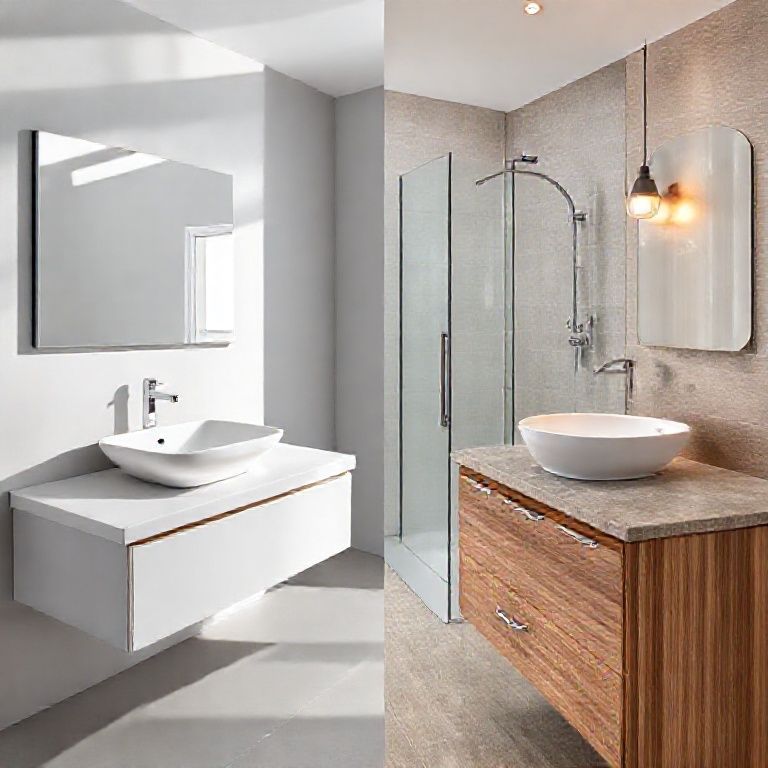
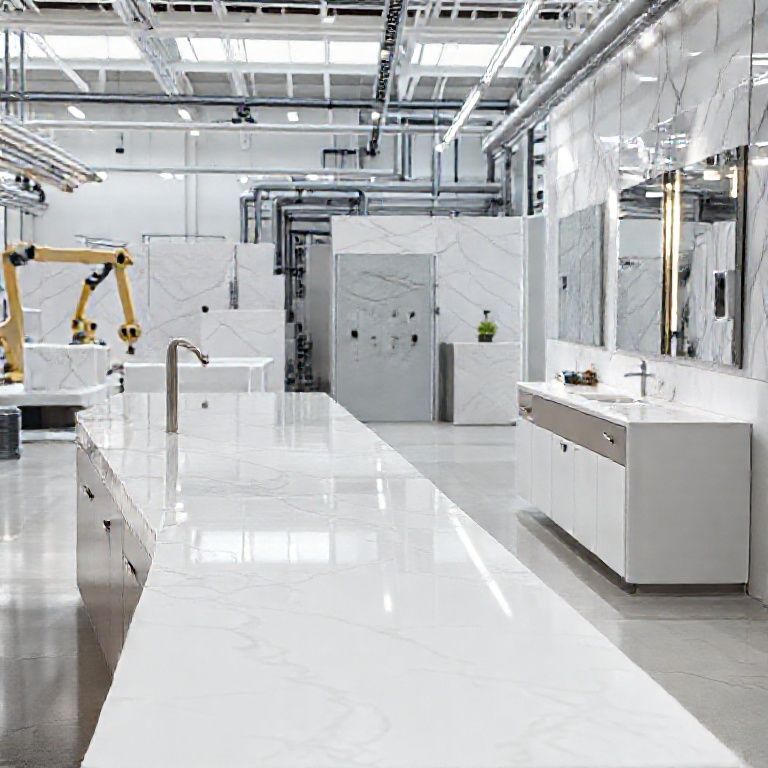
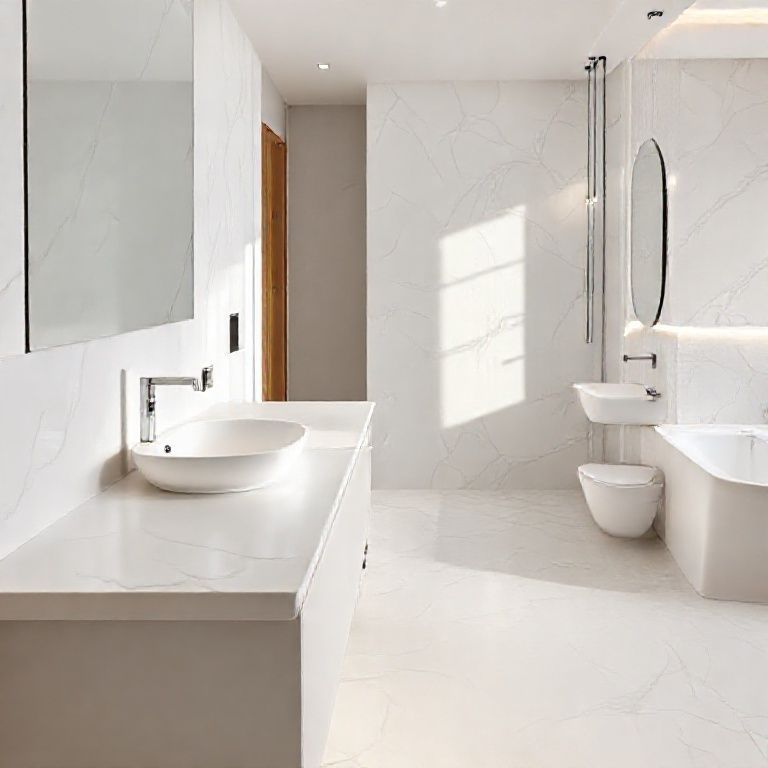
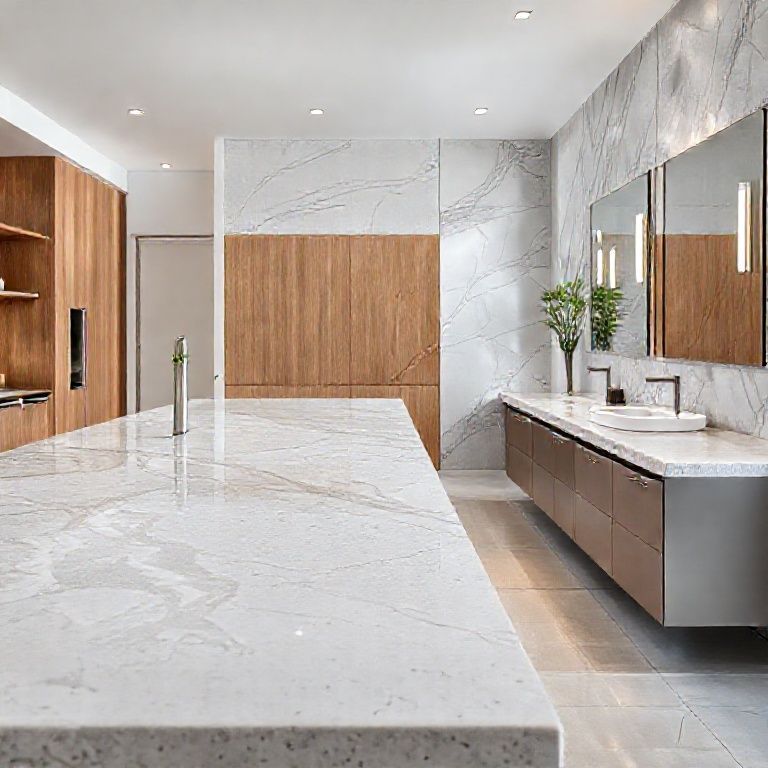
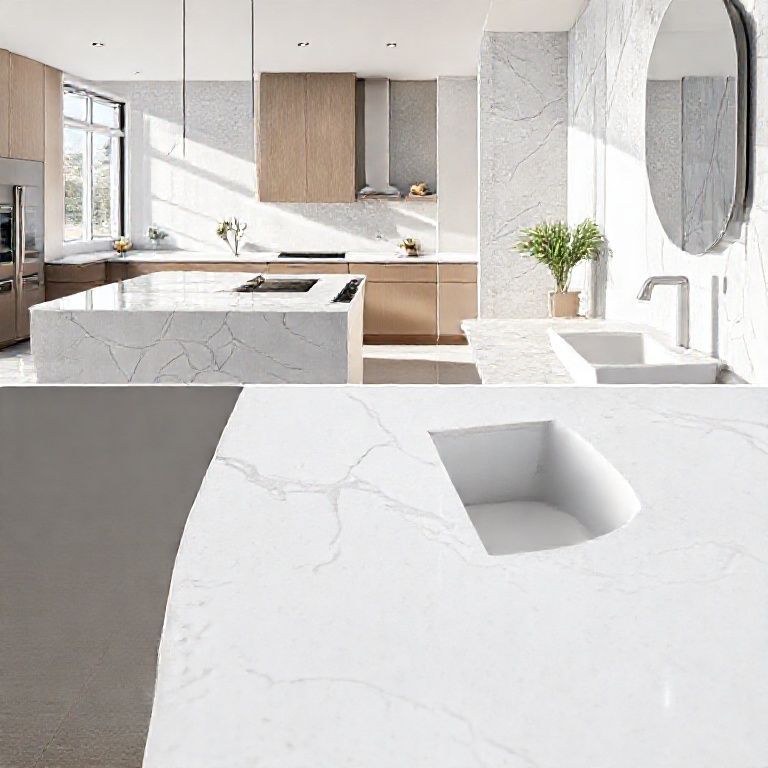
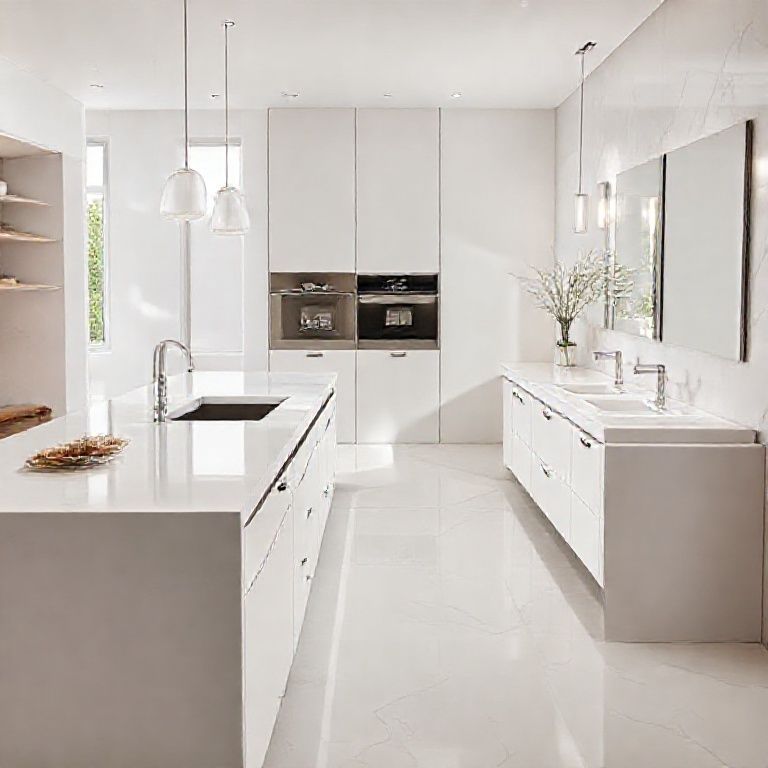
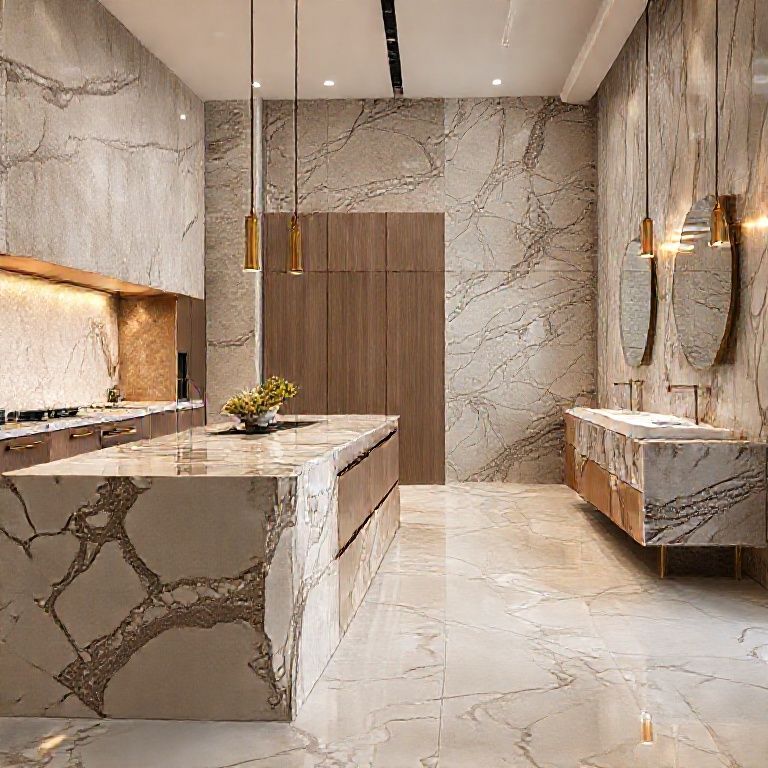
Discover the best practices for maintaining your artificial stone countertops in this comprehensive guide. Learn about the materials, common issues, and the most effective cleaning and care techniques to ensure your countertops look and perform their best for years to come.
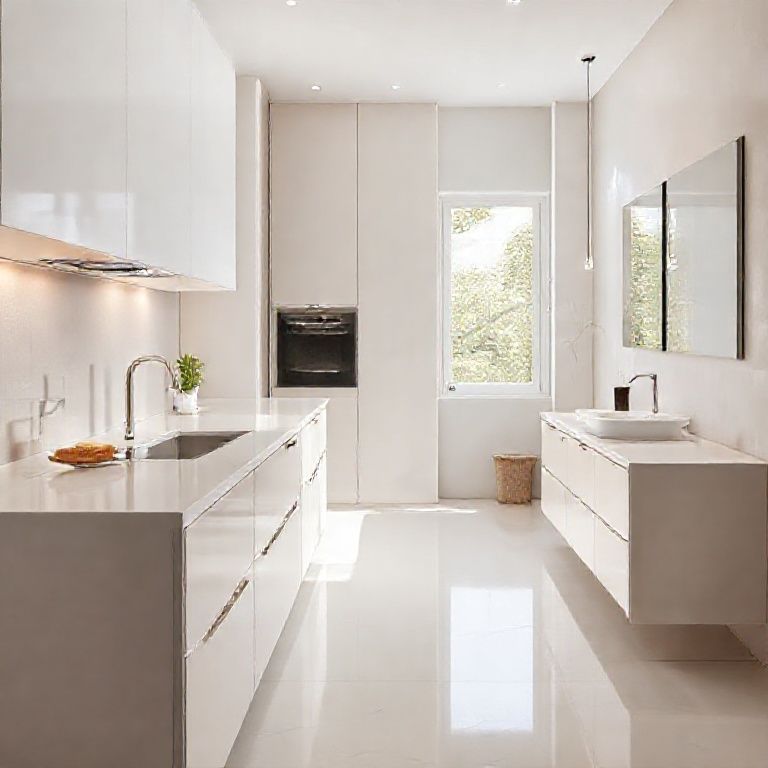
artificial stone countertops, maintenance, cleaning, care, durability, preservation, longevity, kitchen countertop, stone care, surface protection
Ultimate Guide to Maintaining Your Artificial Stone Countertops: Part 1
Artificial stone countertops have become a popular choice in modern kitchens and bathrooms for their stunning aesthetics, durability, and low maintenance requirements. These countertops are composed of a mixture of minerals and resins, offering a surface that closely mimics natural stone while being more resistant to scratches, stains, and heat. However, even the best artificial stone requires some level of care to maintain its pristine appearance and longevity. In this first part of our guide, we’ll explore the materials used in artificial stone, common issues that can arise, and the most effective cleaning and care techniques.
Understanding Artificial Stone Countertops
Artificial stone, often referred to as cultured stone, is a composite material that combines natural minerals with synthetic resins. This blend results in a product that boasts the visual appeal of natural stone while offering superior durability and resistance to impact, staining, and bacterial growth.
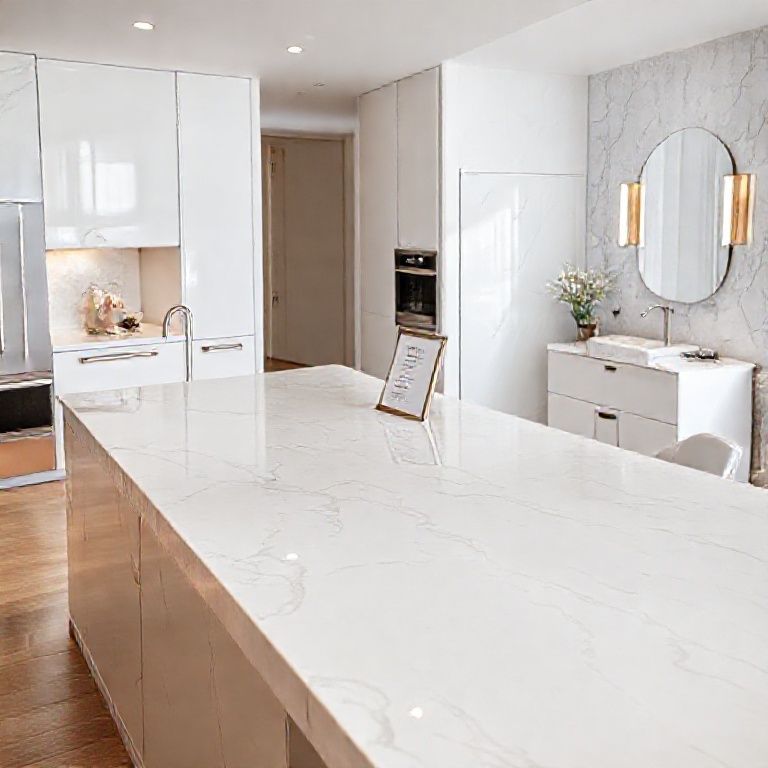
Material Composition:
Minerals: The primary component of artificial stone is a combination of calcium carbonate, silica, and other minerals that give it its strength and durability.
Resins: Synthetic resins, usually made from acrylic or polyester, bind the minerals together, creating a solid, homogeneous material.
Colorants: To achieve the wide variety of colors and patterns, colorants and dyes are added to the mixture.
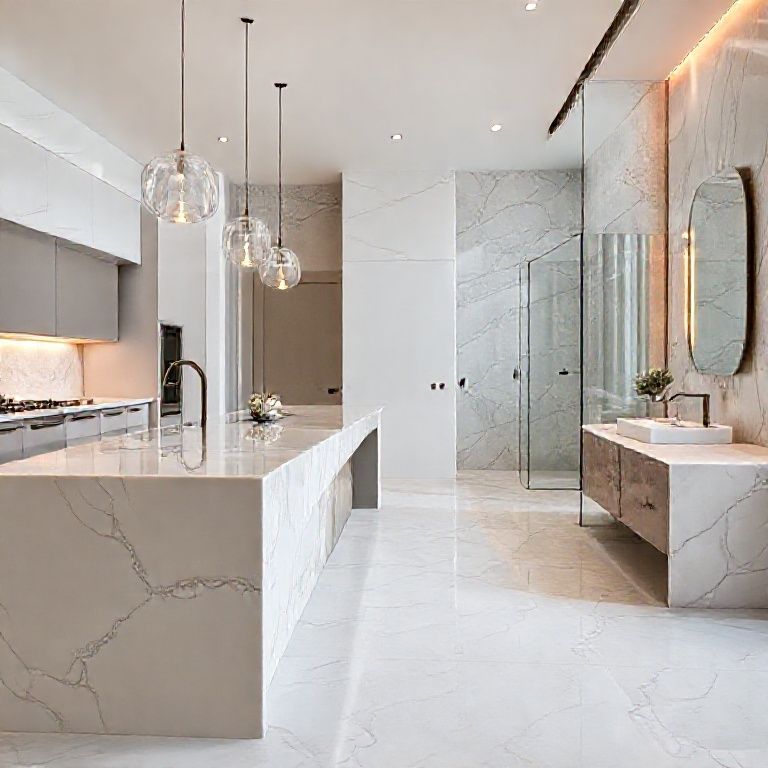
The combination of these materials results in a surface that looks like marble, granite, or other natural stones but is far more resistant to everyday wear and tear.
Common Issues and How to Address Them
While artificial stone countertops are generally low maintenance, they are not completely immune to issues. Here are some common problems and how to tackle them:
1. Stains and Spills:
Since artificial stone is not porous, it is less likely to absorb stains compared to natural stone. However, spills and stains can still occur, particularly from acidic or oily substances. Here’s how to clean them:

Immediate Action: For spills, wipe them up immediately to prevent them from setting in. Cleaning Solutions: Use a mild soap and water solution to clean the surface. Avoid using abrasive cleaners or sponges that could scratch the surface. Removing Stains: For tough stains, a mixture of baking soda and water can be used as a paste to gently scrub the area. For persistent stains, a commercial stone cleaner designed for artificial stone can be effective.
2. Scratches:
Although artificial stone is more resistant to scratches than natural stone, they can still occur, especially from sharp objects.
Immediate Action: Clean up any small sharp objects immediately to prevent scratches. Repair Kits: For minor scratches, a stone countertop repair kit is available that can fill in scratches and blend back into the surface. Professional Help: For deeper scratches, it’s best to seek professional help to ensure the scratch is properly repaired without damaging the countertop.
3. Heat Marks:
Heat marks can occur if hot pots or pans are left on the surface for extended periods.
Preventive Measures: Use pot holders and trivets to protect the surface from direct heat. Immediate Action: If a heat mark appears, place a cold, damp cloth over the area to reduce the mark. Avoid using ice directly as it can cause the surface to crack. Professional Repair: For significant heat damage, professional repair services are recommended.
Effective Cleaning and Care Techniques
Regular maintenance is key to keeping your artificial stone countertop looking its best. Here are some tips for effective cleaning and care:
1. Routine Cleaning:
Daily Cleaning: Wipe down the surface daily with a soft, damp cloth to remove any spills or crumbs. A mild soap and water solution can be used for more thorough cleaning. Weekly Cleaning: Once a week, use a non-abrasive cleaner specifically formulated for artificial stone to keep the surface clean and shiny.
2. Deep Cleaning:
Bi-Monthly Deep Clean: Every two months, perform a deep clean using a stone cleaner that’s safe for artificial surfaces. Follow the product’s instructions for application and drying time.
3. Avoiding Abrasives:
Soft Cloths and Sponges: Always use soft cloths and non-abrasive sponges to clean your countertop. Avoid anything that might scratch or dull the surface. Cutting Boards: Use wooden or plastic cutting boards instead of glass or metal ones to prevent scratches.
4. Regular Polishing:
Polishing: To maintain a shiny, high-gloss finish, use a stone polish or a specialized countertop polish every few months. Follow the manufacturer’s instructions for application.
5. Protecting Against Heat and Chemicals:
Heat Protection: Always use pot holders and trivets to protect the surface from direct heat. Chemical Protection: Avoid using acidic or alkaline cleaners that can damage the surface. Stick to mild soap and water solutions.
Conclusion
Maintaining artificial stone countertops requires some diligence, but the benefits of a durable, low-maintenance surface are well worth the effort. By understanding the materials and common issues associated with artificial stone, you can take proactive steps to ensure your countertops remain in excellent condition for years to come. In the next part of this guide, we will delve deeper into advanced care techniques, including dealing with specific types of stains, special maintenance tips for different environments, and how to choose the right products for your countertop’s longevity.
Stay tuned for Part 2, where we will cover advanced care techniques and more detailed maintenance tips for your artificial stone countertops!
Continuing our detailed guide on maintaining artificial stone countertops, this second part focuses on advanced care techniques, addressing specific types of stains, and offering specialized maintenance tips for various environments. Learn how to extend the life of your artificial stone surfaces with expert advice and best practices.
artificial stone countertops, maintenance, cleaning, care, durability, preservation, longevity, kitchen countertop, stone care, surface protection, advanced techniques
Ultimate Guide to Maintaining Your Artificial Stone Countertops: Part 2
In the previous part of this guide, we explored the fundamentals of artificial stone countertops, including their composition, common issues, and basic cleaning and care techniques. Now, we will delve deeper into advanced care methods to help you keep your artificial stone surfaces looking their best. This includes tackling specific types of stains, understanding how different environments can affect your countertop, and choosing the right products for extended longevity.
Advanced Cleaning and Care Techniques
1. Tackling Specific Types of Stains
Certain types of stains can be more challenging to remove from artificial stone. Here’s how to handle them effectively:
Acidic Stains:
Citrus Juices: Lemon and orange juice can leave yellow or brown stains. Solution: For fresh spills, wipe with a damp cloth immediately. For set-in stains, use a mild detergent or a commercial stone cleaner designed for artificial stone. Avoid using vinegar or other acidic cleaners which can etch the surface.
Oil Stains:
Cooking Oils: Oils from cooking can leave greasy stains. Solution: Blot up excess oil immediately with a paper towel. Use a mixture of baking soda and water to scrub the stain gently. For stubborn stains, a commercial cleaner designed for artificial stone can be effective.
Wine Stains:
Red Wine: Red wine can leave behind a persistent stain. Solution: Blot up excess wine as soon as possible with a paper towel. Mix baking soda with a small amount of water to create a paste and gently scrub the stain. A commercial stone cleaner can also help remove stubborn wine stains.
2. Specialized Maintenance Tips for Different Environments
The environment in which your artificial stone countertop is used can impact its maintenance and longevity. Here are some tips tailored to different settings:
Kitchen Countertops:
High Traffic Areas: Kitchens are typically high-traffic areas with frequent spills and heat exposure. Tip: Use a cutting board and trivets to protect the surface from scratches and heat. Clean up spills immediately to prevent stains and use a mild soap and water solution for regular cleaning.
Bathroom Countertops:
Moisture and Humidity: Bathrooms often have higher humidity levels which can lead to mold and mildew. Tip: Wipe down the surface regularly with a mold-resistant cleaner. Ensure proper ventilation to reduce moisture levels. Use a mild soap and water solution for cleaning.
Living Room Countertops:
Display Areas: If your artificial stone countertop is used as a display area, it may come into contact with various objects and substances. Tip: Clean up spills immediately and use a soft cloth to avoid scratches. For delicate items, use protective pads or covers.
3. Choosing the Right Products
Selecting the right cleaning and maintenance products is crucial for the longevity of your artificial stone countertop. Here’s how to choose the best products:
Cleaners:
Commercial Cleaners: Opt for commercial cleaners specifically designed for当然,继续我们的对话。在选择清洁和保养产品方面,还有几点需要注意:
抛光剂和护理剂:
选择合适的抛光剂和护理剂:这些产品可以帮助保持你的人造石台面的光泽和防护层。确保选择专门为人造石设计的产品,避免使用对天然石材设计的产品,因为它们可能含有过强的化学成分,对人造石台面有害。
定期保养:
定期抛光:每隔几个月进行一次轻微的抛光,可以去除表面的污渍,使台面看起来更加新鲜。但要注意,不要使用过于粗糙的材料,以免刮伤表面。
涂抹护理油:某些人造石材表面可能需要涂抹护理油,以维持其防水性和防污性能。但具体操作应该根据制造商提供的说明进行,有些人造石台面可能完全不需要这样的处理。
防止损伤:
避免尖锐物品:请避免在人造石台面上使用尖锐物品,如刀具、铲子等,以免划伤台面。如果必须使用刀具,请使用木质或塑料刀架。
使用切菜板:始终使用专门的切菜板来处理食物,这样可以保护你的台面免受划伤和损坏。
处理特殊问题:
硬水斑:如果你的水质属于硬水,可能会在台面上留下水斑。可以使用专门的水斑去除剂,按照产品说明进行处理。
深色污渍:对于顽固的污渍,可以尝试使用专门的污渍去除剂或者牙粉和水的混合物,轻轻研磨污渍处,但要小心不要过度研磨。
环境保护:
避免阳光直射:长时间的阳光直射可能会导致人造石台面颜色褪色。如果可能,请避免将台面暴露在阳光直射下,尤其是在炎热的夏季。
保养人造石台面是相对简单的,但需要细心和耐心。定期的清洁和适当的保养能够使你的台面保持光洁和美观,延长其使用寿命。如果你有更多具体问题或需要进一步的建议,随时可以提问。