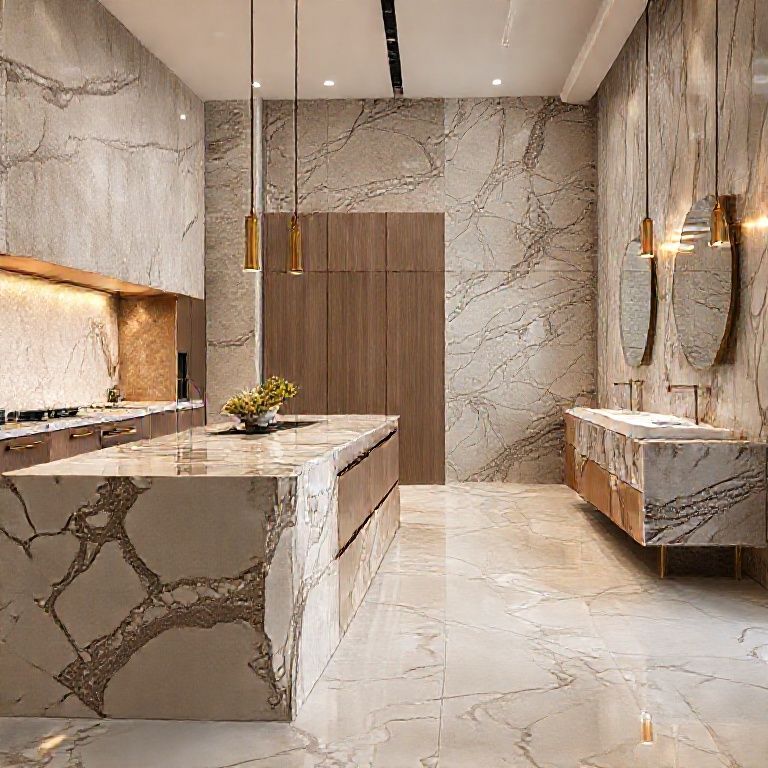
Understanding and Preparing for Artificial Stone Countertop Crack Repair
Artificial stone countertops have gained immense popularity due to their durability, low maintenance, and aesthetic versatility. However, even the most robust materials can develop cracks over time, especially with rough handling or accidental impacts. This guide will help you understand the nuances of repairing and polishing these cracks to restore the countertop’s original beauty and functionality.
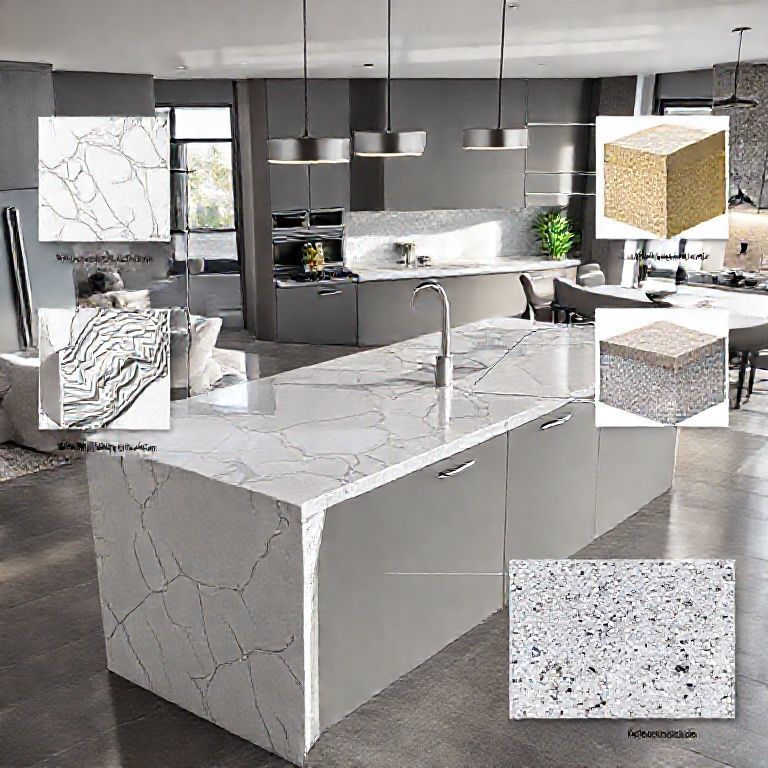
Identifying the Cracks
The first step in repairing cracks in an artificial stone countertop is to identify the nature and extent of the damage. Cracks can vary in size and depth, ranging from superficial hairline cracks to deep fissures that compromise the structural integrity of the countertop.
Key Points to Consider:
Type of Crack: Determine whether the crack is a superficial hairline or a deeper fissure. This will influence the repair method. Location of Crack: Cracks in high-traffic areas or near edges are more susceptible to further damage. Extent of Damage: Assess if the crack affects only the surface or extends deeper into the material.
Gathering the Right Materials
To effectively repair and polish cracks in artificial stone countertops, you will need specific materials and tools. Here’s a list of what you’ll need:
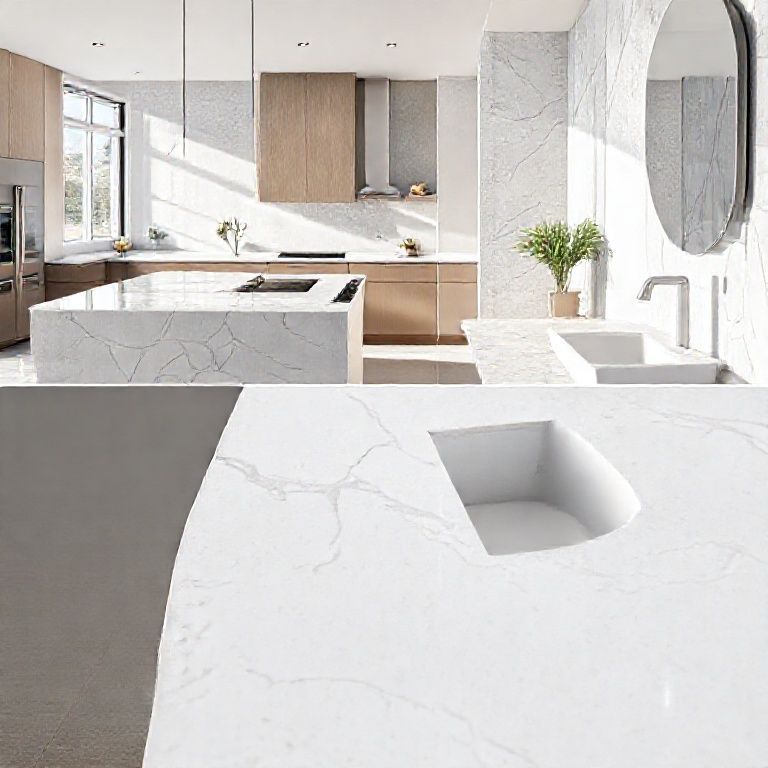
Crack Repair Filler: Choose a high-quality filler specifically designed for artificial stone. The filler should be color-matched to your countertop to ensure a seamless repair. Fine-Grain Sandpaper: Sandpaper with progressively finer grits (from 220 to 1000 grit) for smoothing the filler. Polishing Compound: A polishing compound suitable for artificial stone to achieve a flawless finish. Cleaning Supplies: Mild detergent, clean cloths, and water for cleaning the countertop surface before repair. Protective Gear: Gloves, safety goggles, and a dust mask to protect yourself during the repair process.
Preparing the Area
Preparation is crucial for a successful repair. Follow these steps to ensure the repair area is clean and ready for the filler:
Clean the Surface: Thoroughly clean the cracked area with a mild detergent and water. Remove any dirt, grease, or debris. Dry the Area: Ensure the area is completely dry before applying any repair materials. Moisture can interfere with the adhesion of the filler. Sand the Edges: Lightly sand the edges of the crack to create a smooth surface for the filler to adhere to. This step is crucial for a seamless repair.
Repairing the Crack
Now that you have all the necessary materials and the area is prepared, you can begin the repair process.
Apply the Filler: Apply the crack repair filler to the crack using a small putty knife or applicator. Fill the crack completely and slightly above the surface of the countertop. Smooth the Filler: Once the filler has set (as per the manufacturer’s instructions), use fine-grain sandpaper to smooth the filler until it is level with the countertop surface. Repeat if Necessary: For larger cracks, you may need to apply additional layers of filler and sand between each layer to achieve a smooth finish.
Final Polishing
After the filler has fully cured, the final step is polishing the repaired area to match the rest of the countertop.

Initial Polishing: Start with a coarse polishing compound and a clean cloth. Gently polish the area to remove any remaining imperfections and to blend the filler with the surrounding surface. Fine Polishing: Switch to a finer polishing compound to achieve a high-gloss finish. Polish in a circular motion until the repaired area is seamlessly integrated with the rest of the countertop.
Preventing Future Cracks
To prevent future cracks in your artificial stone countertops, consider these preventive measures:
Use Cutting Pads: Always use cutting pads when working with sharp objects on the countertop to distribute the impact and reduce the risk of cracks. Avoid Heavy Impacts: Be cautious with heavy items and avoid placing them directly on the countertop when not in use. Regular Maintenance: Regularly clean and maintain your countertop to prevent the accumulation of dirt and grime that can cause stress and lead to cracks.
Advanced Techniques for Polishing Artificial Stone Countertops
Artificial stone countertops, known for their beauty and durability, often require occasional maintenance to keep them looking pristine. While basic repairs and polishing can handle minor issues, advanced techniques are necessary for more significant repairs or to achieve professional-level finishes. This part of the guide delves into advanced methods for polishing and maintaining artificial stone countertops, ensuring they remain a stunning focal point in any kitchen or bathroom.
Deep Cleaning Techniques
To prepare your artificial stone countertop for advanced polishing, deep cleaning is essential. Here’s how to thoroughly clean your countertop:
Remove Surface Dirt: Start with a mild detergent and water to remove surface dirt and grime. Use a soft cloth or sponge to scrub gently. Tackle Stains: For stubborn stains, use a specialized cleaner designed for artificial stone. Apply the cleaner to the stain and let it sit for a few minutes before gently scrubbing with a soft cloth. Rinse and Dry: Rinse the countertop with clean water to remove any cleaner residues, and dry it thoroughly with a clean, dry cloth.
Advanced Repair Methods
While basic filler repair is effective for minor cracks, deeper fissures or larger areas of damage may require more advanced techniques.
Epoxy Resin: For deep cracks, an epoxy resin specifically formulated for artificial stone can be used. This method provides a strong bond and allows for precise filling of cracks. Countertop Restoration Kits: Consider using professional countertop restoration kits that include everything needed for both repair and polishing. These kits often contain advanced fillers, polishes, and sanding compounds.
Polishing with Precision
Achieving a flawless finish on artificial stone countertops requires precision and the right tools. Here are advanced polishing techniques:
Using Polishing Machines: For a professional finish, use a polishing machine equipped with the appropriate pads and compounds. Start with a coarse pad and gradually move to finer pads to achieve a high-gloss finish. Hand Polishing: For smaller areas or intricate designs, hand polishing with fine polishing compounds and cloths can provide a detailed, high-quality finish. Buffing: After polishing, use a buffing compound to give the surface a final, mirror-like shine. Buff in a circular motion to blend the finish seamlessly.
Regular Maintenance
Maintaining your artificial stone countertop will prolong its beauty and lifespan. Here’s a regular maintenance routine:
Daily Cleaning: Wipe down the countertop daily with a damp cloth to remove spills and surface grime. Use a mild detergent for tougher spots. Avoid Acidic Substances: Do not use acidic cleaners like vinegar or citrus-based cleaners on artificial stone, as they can etch the surface. Use Coasters and Trivets: To protect the countertop from heat and hot objects, always use coasters and trivets when placing drinks or hot dishes on the surface.
Addressing Common Issues
Artificial stone countertops can face various issues beyond just cracks. Here’s how to address some common problems:
Etching: If the surface appears etched, use a specialized stone restorer to revive the countertop. Follow the manufacturer’s instructions for application and polishing. Discoloration: For discoloration, use a polishing compound designed for artificial stone to restore the color and shine. Scuff Marks: Scuff marks can be polished out using fine-grain sandpaper followed by a polishing compound. Start with a coarser grit and finish with a finer grit for a smooth surface.
Professional Help
For significant repairs or when in doubt, it’s always best to seek professional help. Professional technicians have the expertise and tools to handle complex repairs and ensure your countertop looks like new. They can also provide long-term maintenance tips to keep your countertop in pristine condition.
By following these detailed steps and techniques, you can effectively repair and polish cracks in artificial stone countertops, restoring their beauty and functionality. Whether you opt for basic or advanced methods, the key is to use the right materials and techniques to achieve a seamless, professional finish. With regular maintenance and care, your artificial stone countertop can remain a stunning feature in your home for years to come.