Facing a cracked kitchen countertop can be a daunting experience, but fear not! This two-part article delves into the causes, implications, and solutions for kitchen countertop cracks. We will explore whether the cracks will continue to worsen and provide practical advice to ensure your kitchen remains safe and functional. From understanding the signs to implementing effective repair strategies, this guide aims to empower homeowners with the knowledge they need.

Introduction
Kitchens are the heart of every home, where meals are prepared, and families gather. However, even the most well-maintained kitchens can experience issues like a cracked countertop. The sight of a kitchen countertop that has developed a crack can be alarming, leading many to wonder if it will continue to deteriorate and eventually collapse. In this first part of our guide, we will explore the causes of kitchen countertop cracks, how to assess the severity, and the immediate steps you should consider.
Understanding the Causes of Cracks
Several factors can contribute to kitchen countertop cracks:
Material Quality: The type of countertop material is a significant factor. For instance, natural stone countertops like granite or marble are susceptible to cracks due to their inherent brittleness. In contrast, engineered stone and solid surfaces like quartz are more durable but can still crack under extreme conditions.
Installation Errors: Poor installation techniques can lead to stress points in the countertop, causing it to crack. Misalignment, incorrect sealing, and inadequate support can all contribute to this issue.

External Impacts: Accidents happen. Dropping heavy objects, spills from cleaning agents, and even thermal shock from sudden temperature changes can cause cracks.
Natural Wear and Tear: Over time, even the most durable materials can develop small hairline cracks due to daily use and exposure to environmental factors.
Assessing the Crack
The next step is to determine the severity of the crack:
Size and Location: Small, isolated cracks may not be as concerning as larger, spreading cracks. The location also matters; cracks near the edge or support areas are more likely to worsen over time.
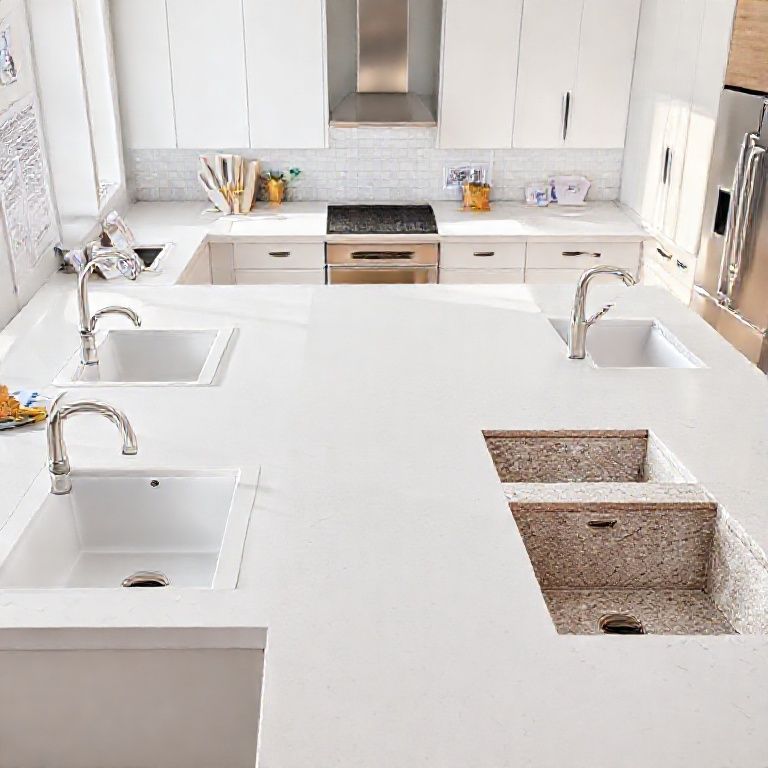
Movement: Check if the crack is stationary or if there is any movement. A crack that shifts or expands when pressure is applied indicates a more severe issue.
Depth: Cracks that penetrate deeply into the material are more likely to worsen and may indicate internal structural damage.
Immediate Steps to Take
When you first notice a crack in your kitchen countertop, it’s essential to act quickly:
Avoid Using the Area: If the crack is in a frequently used area, avoid using that part of the countertop to prevent further damage.

Clean the Crack: Clean any debris or residue from the crack to prevent bacteria growth and to get a better view of the crack’s extent.
Inspect for Additional Damage: Look for other signs of damage around the crack. If there are additional cracks or signs of shifting, it may be time to consult a professional.
Temporary Repairs: Depending on the severity, you may be able to use temporary solutions like epoxy resin to fill in minor cracks. However, these should not replace professional assessment and repair.
Professional Assessment
For significant cracks, it’s best to consult a professional:
Structural Integrity: A professional can assess whether the crack poses a risk to the structural integrity of the countertop.
Long-term Solutions: They can provide advice on long-term solutions, whether it’s repairing the crack or replacing the countertop altogether.
Cost Estimates: Professionals can give you a realistic estimate of the repair costs, helping you plan accordingly.
Conclusion
Cracked kitchen countertops are a common issue that requires careful assessment and prompt action. By understanding the causes, assessing the severity, and taking appropriate steps, you can address the problem effectively. In the next part of this guide, we will explore more in-depth repair options, including DIY solutions and when to consider professional help for larger repairs.
Introduction
In the first part of this guide, we explored the causes, assessment, and initial steps to take when you notice a crack in your kitchen countertop. Now, we will delve deeper into the repair options available, providing detailed guidance on both DIY solutions and professional interventions. Understanding when to tackle the repair yourself and when to call in experts is crucial for maintaining kitchen safety and functionality.
DIY Repair Solutions
For minor cracks, DIY repairs can often be an effective and cost-saving solution:
Epoxy Resin: This is one of the most popular DIY repair methods. Epoxy resin is available at most hardware stores and is relatively easy to use. Here’s a step-by-step guide:
Clean the Crack: Use a clean cloth to remove any dirt, debris, or residue from the crack.
Mix the Epoxy: Follow the manufacturer’s instructions to mix the epoxy resin. Typically, this involves combining two components in a specific ratio.
Apply the Epoxy: Use a syringe or a small brush to apply the epoxy into the crack. Ensure that the crack is fully filled.
Smooth the Surface: Once the epoxy has been applied, use a clean cloth or a spatula to smooth the surface and remove any excess epoxy.
Cure the Epoxy: Allow the epoxy to cure as per the manufacturer’s instructions. This usually involves leaving it undisturbed for several hours or overnight.
Caulking: For smaller, surface-level cracks, caulking can be an effective solution. Use a color-matched kitchen-safe caulk to fill in the crack and smooth the surface.
Wood Glue: For wooden countertops, wood glue can be used to repair minor cracks. Apply the glue into the crack, smooth it out, and let it dry.
Professional Repair Services
When DIY methods are not sufficient, professional repair services are the next best option:
Crack Filling: Professionals can use advanced techniques and materials to fill and repair cracks more effectively than DIY methods. They often use high-quality epoxy or composite materials that offer better durability.
Reinforcement: In cases where the crack has caused structural weakness, professionals can reinforce the countertop. This may involve adding internal support or using advanced bonding techniques to stabilize the area.
Replacement: For severe cases where the crack compromises the integrity of the countertop, professional services may recommend replacing the countertop entirely. This is particularly true for natural stone countertops, which are less forgiving and more prone to structural damage.
Preventing Future Cracks
Prevention is always better than cure. Here are some tips to help prevent future cracks in your kitchen countertop:
Use Cutting Pads: Always use a cutting pad when cutting food on your countertop to prevent scratches and cracks.
Avoid Extreme Heat: Avoid placing hot pots, pans, or other heat sources directly on the countertop. Use trivets or heat-resistant pads to protect the surface.
Clean Properly: Use mild cleaners and avoid harsh chemicals that can damage the countertop material. Always dry the countertop thoroughly after cleaning.
Regular Maintenance: Regularly inspect your countertop for any signs of wear, cracks, or damage. Address minor issues promptly to prevent them from becoming more severe.
Proper Installation: Ensure that your countertop was installed correctly by a professional. Proper installation can prevent many common issues, including cracks.
Conclusion
Cracked kitchen countertops can be a significant concern, but with the right knowledge and proactive measures, you can address the issue effectively. From understanding the causes and assessing the severity to exploring DIY repair options and knowing when to seek professional help, this guide aims to equip you with the information needed to maintain a safe and functional kitchen. In the next part, we will provide additional tips and insights to ensure your kitchen countertop remains in top condition.
By following this comprehensive guide, you will be well-equipped to handle kitchen countertop cracks and take the necessary steps to ensure the longevity and safety of your kitchen.