The Composition and Safety of Quartz Countertops
Introduction to Quartz Countertops
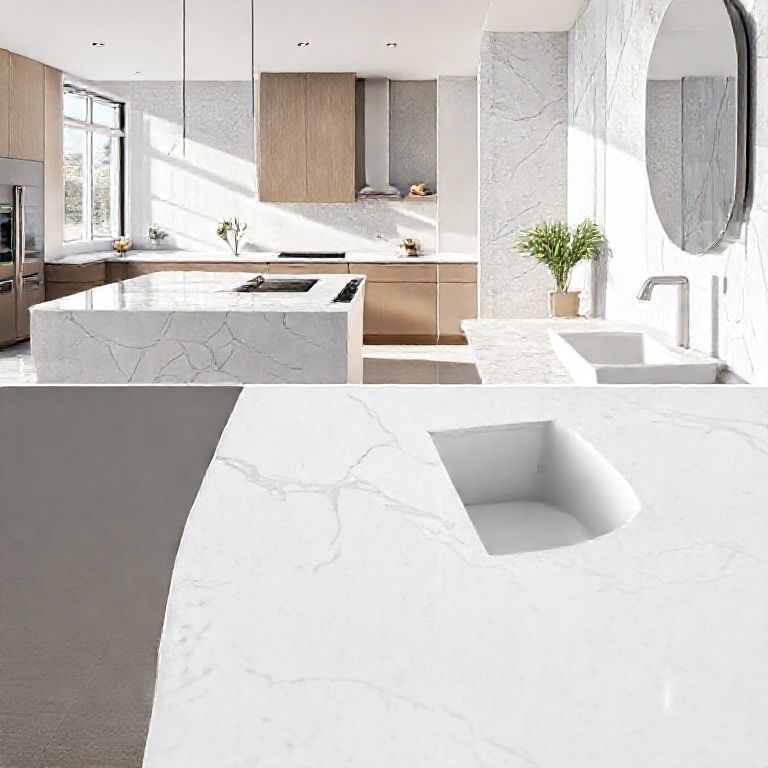
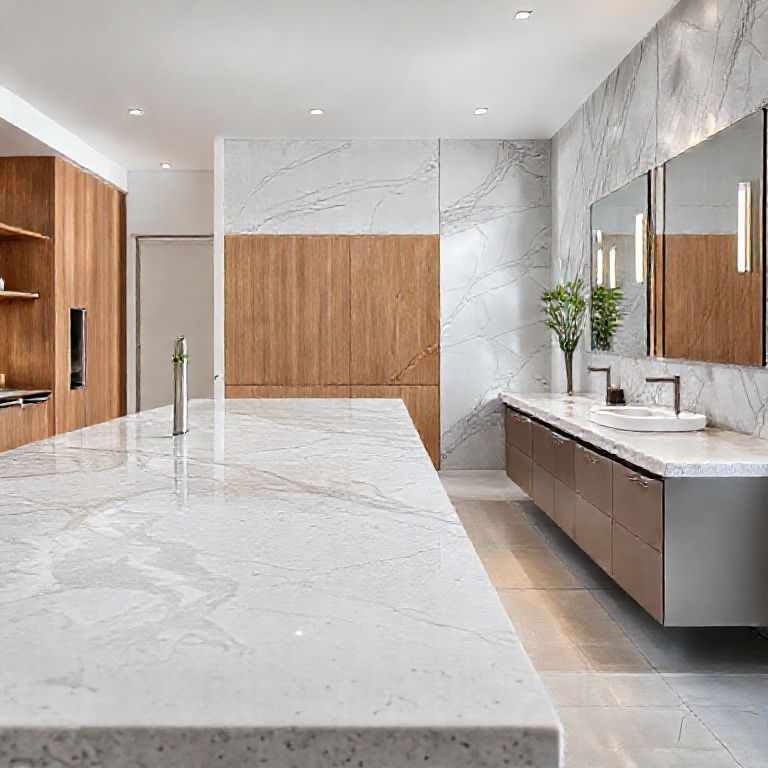
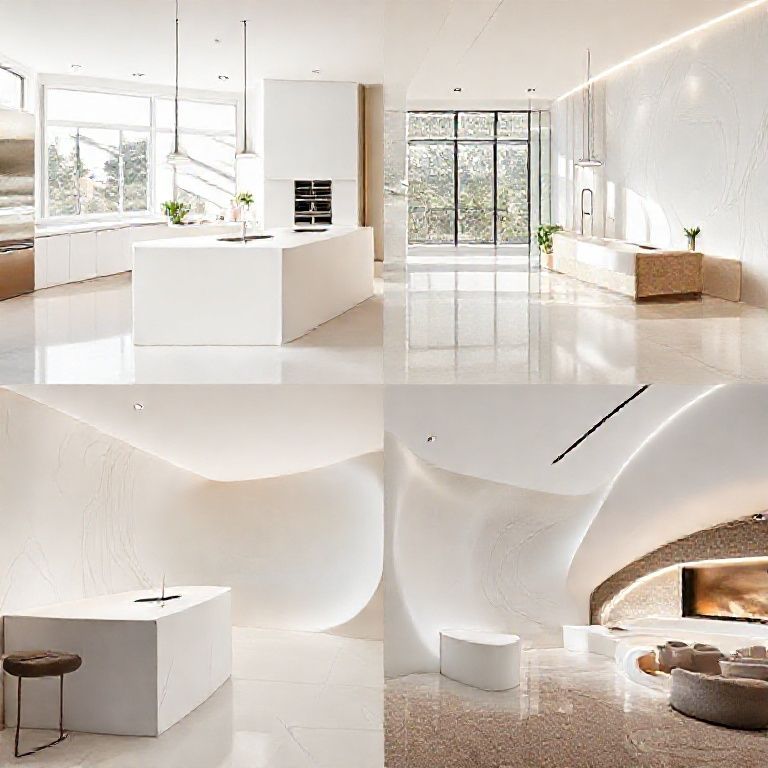
Quartz countertops have revolutionized modern kitchen and bathroom design with their sleek, modern aesthetic and durability. Made from 93% pure quartz by weight, these surfaces are engineered to withstand the rigors of daily use. The other 7% consists of binders, pigments, and other additives that contribute to the unique color and texture of each piece.
Understanding the Material
The fundamental component of quartz countertops is silica, a naturally occurring mineral found abundantly in sand. When mixed with a polymer binder, silica forms a solid, high-strength material that is resistant to scratches, stains, and heat. This composition makes quartz a superior choice for countertops that endure constant use and exposure to various elements.
Formaldehyde Concerns
One of the most pressing concerns regarding quartz countertops is the potential presence of formaldehyde. Formaldehyde is a volatile organic compound (VOC) that can be emitted from various building materials, including composite wood products, particleboard, and certain types of paint. It is well-known for its use in preserving biological specimens and its role in the production of resins and synthetic fibers.
Manufacturer Assurance
High-quality quartz countertops are designed to minimize the release of any harmful substances, including formaldehyde. Manufacturers employ stringent production processes to ensure that the binders used in the quartz mixture do not emit formaldehyde. This is particularly important because formaldehyde is a known carcinogen and can cause respiratory issues, skin irritation, and other health problems.

Testing and Certification
To further ensure the safety of quartz countertops, manufacturers often subject their products to rigorous testing. These tests measure the levels of VOCs, including formaldehyde, released during and after the manufacturing process. Many reputable manufacturers provide certification from independent testing labs to confirm the low or non-existent levels of harmful emissions.
Real-World Applications
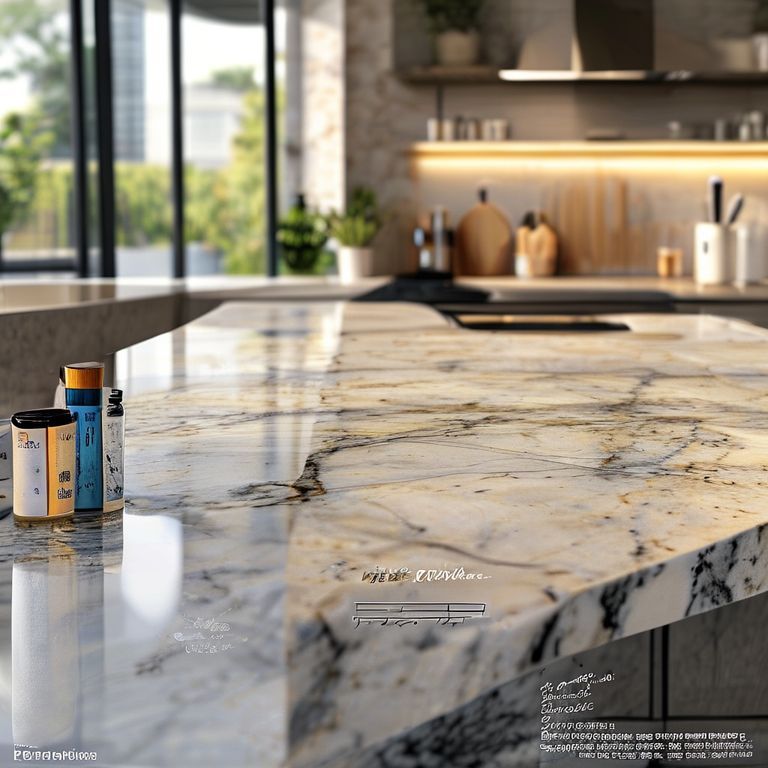
In practical terms, the low emission of formaldehyde from quartz countertops makes them a safer alternative to other composite materials that are often used in kitchen and bathroom settings. For example, while granite and marble are popular natural stone options, they do not offer the same level of chemical resistance and can be prone to staining and scratching.
Conclusion of Part 1
In summary, quartz countertops are crafted from a combination of silica and a polymer binder that is carefully formulated to minimize the release of harmful chemicals like formaldehyde. Manufacturers go to great lengths to ensure that these products are safe for use in living spaces. By choosing high-quality quartz, consumers can enjoy both aesthetic appeal and peace of mind regarding the safety of their kitchen and bathroom countertops.

Long-Term Health Implications and Maintenance Tips
Long-Term Health Implications
When evaluating the long-term health implications of using quartz countertops, it’s essential to consider the materials and processes involved in their creation and maintenance.
Low VOC Emission
One of the primary health benefits of quartz countertops is their low VOC emission. Unlike some other composite materials, quartz does not typically contain formaldehyde or other harmful chemicals that can contribute to indoor air pollution. This is especially beneficial for families with children, individuals with respiratory conditions, or anyone looking to maintain a healthy living environment.
Chemical Resistance
The inherent chemical resistance of quartz also means that these countertops do not break down or degrade easily. This stability ensures that any potential pollutants that may be present during manufacturing do not become a long-term health hazard. Unlike some plastics or resins that can break down over time, releasing harmful particles, quartz remains a stable, safe surface over the life of the countertop.

Non-Toxic Nature
The non-toxic nature of quartz countertops further enhances their safety profile. Because quartz is a naturally occurring mineral, it does not introduce any artificial chemicals into the home environment. This contrasts with some composite materials that may include a variety of synthetic additives, some of which could potentially pose health risks.
Maintenance and Hygiene
Maintaining quartz countertops is straightforward and does not require the use of harsh chemicals. Instead, they can be cleaned with simple, non-toxic cleaning agents like mild soap and water. This simplicity ensures that users do not have to expose themselves to potentially harmful cleaning products.
Real-World Examples
Many homeowners and businesses have reported positive experiences with quartz countertops, citing both their durability and safety. For instance, a family with young children might choose quartz for its non-toxic nature, providing a safer environment for their kids to play and cook. Similarly, a commercial kitchen could benefit from the ease of cleaning and chemical resistance of quartz, ensuring a hygienic workspace.
Conclusion of Part 2
In conclusion, quartz countertops offer a safe and reliable option for both residential and commercial spaces. The low emission of VOCs, including formaldehyde, coupled with their chemical resistance and non-toxic nature, make them a superior choice for anyone concerned about indoor air quality and long-term health implications. With proper maintenance, quartz countertops can provide a beautiful, safe, and durable surface that stands the test of time.
Final Thoughts
When considering kitchen and bathroom countertops, safety and durability are paramount. Quartz countertops provide a compelling combination of both. Through rigorous manufacturing processes and adherence to safety standards, manufacturers ensure that these surfaces are not only beautiful and functional but also safe for long-term use. By choosing quartz, consumers can enjoy the benefits of a modern, aesthetically pleasing countertop without the worry of harmful chemical emissions or toxicity.