Unlocking the Potential of Your 2.5-Meter Kitchen: Big Style in a Small Space
The phrase “small kitchen” often conjures images of cramped, uninspiring spaces where cooking feels like a constant battle against limited real estate. But what if your kitchen is precisely 2.5 meters long? This isn’t a sprawling culinary empire, but it’s far from insignificant. In fact, a 2.5-meter kitchen presents a delightful design challenge, an opportunity to get creative and craft a space that’s not just functional, but a true reflection of your personal style. Forget feeling defeated by its dimensions; let’s explore how to make this compact area sing.

The first, and perhaps most crucial, step in designing any kitchen, regardless of size, is understanding your needs. Before you even think about cabinets or countertops, take a moment to assess your cooking habits. Are you a gourmet chef who whips up elaborate multi-course meals daily, or do you prefer simple, quick dishes? Do you entertain frequently, or is it usually just you or a partner in the kitchen? How much storage do you genuinely require? Answering these questions will guide your layout decisions and prevent you from over- or under-equipping your space. For a 2.5-meter kitchen, every decision carries significant weight, so clarity upfront is your best friend.
Now, let’s talk layouts. For a kitchen of this length, a few primary configurations tend to shine. The Galley Kitchen is a classic for a reason, especially in narrow spaces. Imagine two parallel walls of cabinetry and appliances. In your 2.5-meter scenario, this could mean one wall housing your sink and dishwasher, with the other featuring your hob and oven. The key to a successful galley layout in a small space is efficient workflow. You want a clear path between your “prep” zone (often around the sink) and your “cooking” zone (the hob). Keeping this walkway at least 1.2 meters wide is ideal, though in a 2.5-meter kitchen, you might need to be more judicious with your appliance choices and cabinet depth. Open shelving on one side can sometimes make the space feel less claustrophobic.
Another strong contender is the Single-Wall Kitchen, often referred to as a linear kitchen. This layout places all your appliances, sink, and cabinetry along one wall. It’s incredibly space-efficient and can be very effective in a 2.5-meter length. The “work triangle” (sink, hob, fridge) becomes more of a “work line,” but with smart planning, it can still be highly functional. The trick here is to arrange your elements logically: perhaps the fridge at one end, followed by the sink and prep area, and then the hob and oven at the other end. This minimizes unnecessary steps. For a single-wall kitchen, consider the depth of your base cabinets. Standard depth is around 60cm, but if you can opt for slightly shallower cabinets (around 45-50cm), you might gain a sliver of precious floor space.
The L-Shaped Kitchen can also be a surprisingly effective option, even in a 2.5-meter space. This configuration utilizes two adjacent walls, creating a corner. This layout often offers more countertop space than a galley or single-wall kitchen and can help define the kitchen area within an open-plan living space. In a 2.5-meter kitchen, you might have one leg of the “L” extend along the 2.5-meter wall, with the other leg extending a shorter distance along the perpendicular wall. This arrangement can be particularly good for incorporating a small breakfast bar or a more defined prep area. The key is to ensure the corner unit is well-designed to avoid dead space, perhaps with pull-out shelves or lazy Susans.
When considering any of these layouts, think about the “zones” within your kitchen. Even in a small space, you can create distinct areas for storage, preparation, cooking, and cleaning. This mental organization translates into a more intuitive and enjoyable cooking experience. For instance, place your most-used utensils and spices near the hob, your chopping boards and knives near the sink, and your cleaning supplies in the base cabinet under the sink.
Appliances are another critical consideration for a 2.5-meter kitchen. You’ll need to be pragmatic. Opt for compact versions where possible. A slimline dishwasher, a built-in oven that’s more compact, or even a two-burner hob instead of a four-burner can make a significant difference. Consider multi-functional appliances, like a microwave that also has a convection oven function. If you’re a baking enthusiast, this might require a compromise, but it’s about prioritizing what’s most important for your daily life. The refrigerator is another key element. A standard-sized fridge freezer might dominate the space. A narrower under-counter fridge or a slim tower fridge could be a more suitable choice.
Countertop space is gold in a small kitchen. Maximize it wherever you can. Consider a countertop-mounted cutting board that fits over your sink, or a pull-out cutting board integrated into your cabinetry. If you opt for an L-shaped or galley layout, ensure there’s a continuous run of countertop for effective prep work. Even a small stretch of uninterrupted counter can be a game-changer.
Lighting is often overlooked in small kitchen design, but it’s paramount. A well-lit kitchen not only feels larger but is also safer and more pleasant to work in. Under-cabinet lighting is a must-have, illuminating your countertops and preventing shadows. Overhead lighting should be bright and provide general illumination. If you have a galley kitchen, consider placing pendant lights strategically to avoid overwhelming the narrow space. Natural light is also your best friend. If you have a window, do everything you can to maximize the light it lets in. Avoid heavy, dark curtains; opt for blinds or sheer coverings if privacy is a concern.
Color palette plays a significant role in how a space feels. For a 2.5-meter kitchen, lighter colors are your allies. White, cream, pale blues, and soft grays can make the space feel more open and airy. Glossy finishes on cabinets and backsplashes can reflect light, further enhancing the sense of spaciousness. Conversely, dark colors can absorb light and make a small space feel even smaller. While a statement dark cabinet might be tempting, consider using it as an accent rather than throughout the entire kitchen.
Storage is, of course, the eternal challenge of small kitchens. We’ll delve deeper into this in part two, but for now, start thinking vertically. Utilize the full height of your walls. Consider tall, narrow cabinets that go all the way to the ceiling, and use the top shelves for infrequently used items. Open shelving can also be a great way to store and display items, but it requires a commitment to neatness. Think about pull-out pantries, corner storage solutions, and drawer organizers to maximize every inch of cabinetry.
Ultimately, designing a 2.5-meter kitchen is about making intelligent choices and embracing creativity. It’s about understanding the inherent limitations and transforming them into unique advantages. It’s not about cramming everything in; it’s about curating a functional and beautiful space that works perfectly for you. The next part will dive even deeper into maximizing every square inch, with specific storage hacks and design flourishes that will make your compact kitchen the envy of many.
Continuing our journey into transforming your 2.5-meter kitchen, we’ve laid the groundwork with layout considerations, appliance choices, and the importance of light and color. Now, let’s dive into the nitty-gritty of maximizing every single inch and infusing your compact culinary space with personality and smart functionality. Storage is king in a small kitchen, and for a 2.5-meter layout, it’s practically royalty.
Let’s talk about cabinets. Don’t just think about standard cabinets; think about maximizing their potential. Pull-out shelves and drawers in base cabinets are an absolute revelation. Instead of reaching into the dark abyss of a deep cabinet, you can slide out the entire contents. This is especially useful for pots, pans, and smaller appliances. Consider deep drawers for heavier items like stand mixers or stockpots, which are far more ergonomic than stacking items in a cabinet. For upper cabinets, if you’re not going all the way to the ceiling, consider adding a riser or a second shelf within the cabinet itself to double your storage capacity for smaller items like mugs or spices.
Vertical storage is your best friend. Think beyond just wall cabinets. Consider pegboards for hanging utensils, pots, and pans, freeing up valuable drawer and counter space. They can also add a touch of industrial chic or a burst of color to your kitchen. Magnetic knife strips mounted on the wall are another excellent space-saver, keeping your knives sharp and safely out of drawers. If you have any dead space on the wall, a narrow, wall-mounted spice rack can be a godsend.
What about that awkward corner in an L-shaped kitchen? Don’t let it become a black hole for seldom-used items. Invest in a lazy Susan or a pull-out corner unit with rotating shelves. These solutions make the entire corner accessible and usable. Similarly, consider a pull-out trash and recycling bin integrated into your base cabinetry. This keeps unsightly bins out of sight and frees up floor space.
Over-the-sink solutions can be incredibly clever. A simple drying rack that sits over the sink is invaluable. You can also find cutting boards designed to fit over your sink, effectively extending your prep area when needed and disappearing when not. For small kitchens, a deep sink is often more practical than a double sink, allowing you to wash larger pots and pans with ease.
Think about the backsplash. Beyond its protective function, a tiled backsplash can add visual interest and depth. Consider glossy tiles to reflect light, or a patterned tile to add personality without overwhelming the space. Some backsplashes can even incorporate integrated shelving or magnetic strips for storing small items.
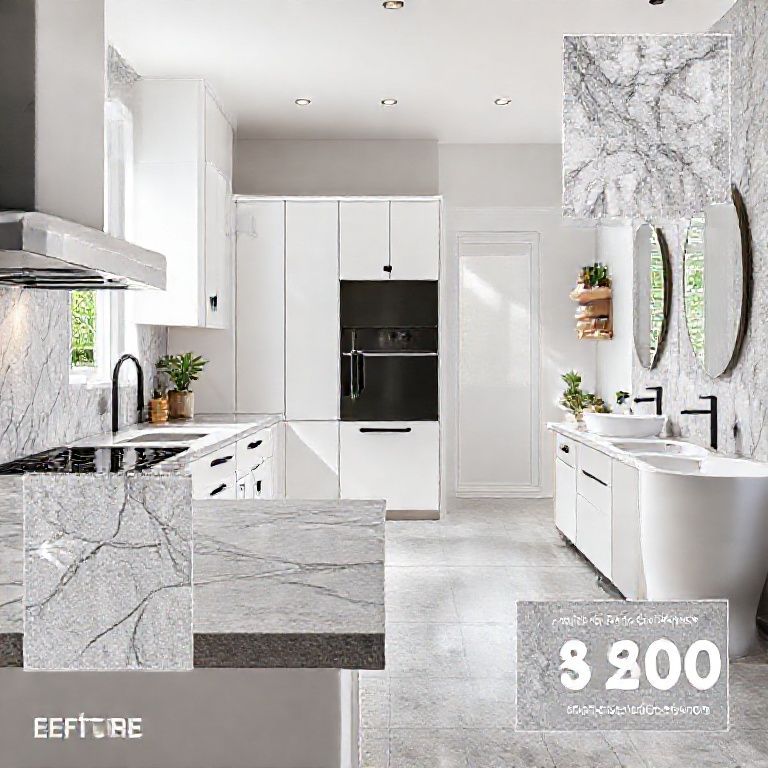
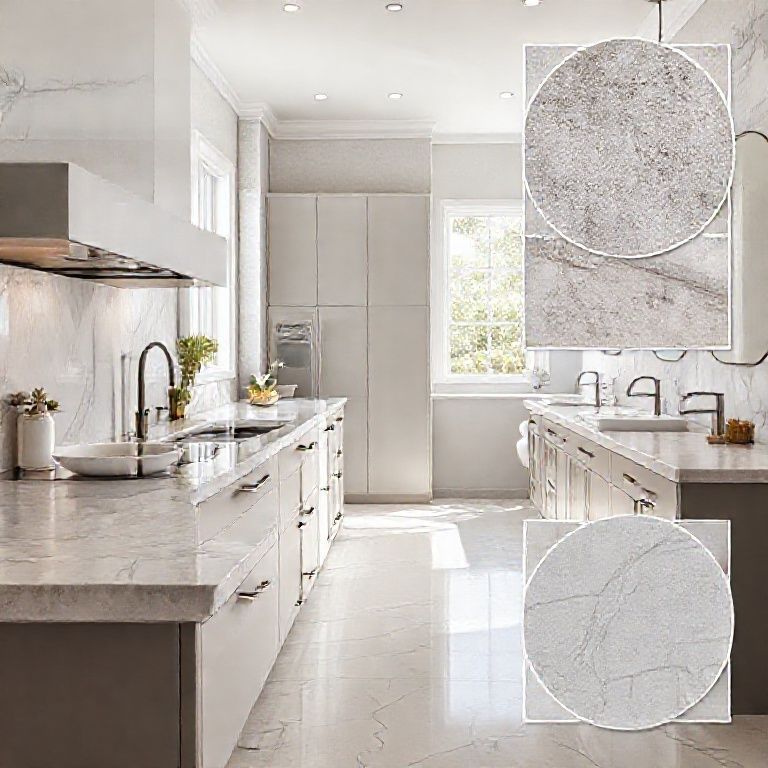
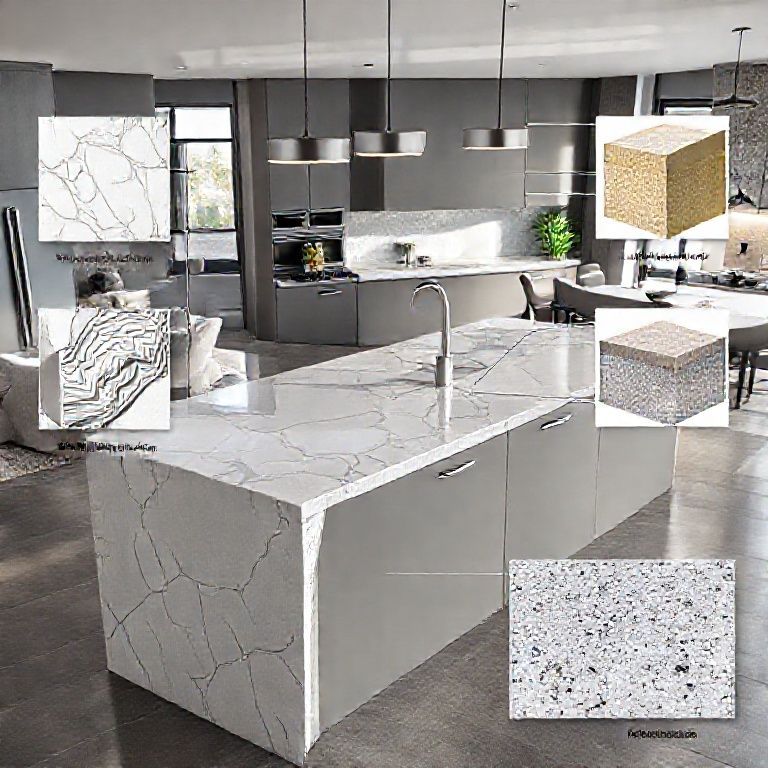
When it comes to countertops, consider materials that are durable and easy to clean. Quartz and granite are excellent choices, but for a truly compact feel, a lighter color can make a big difference. If budget is a concern, laminate countertops have come a long way and can mimic the look of natural stone beautifully. For a 2.5-meter kitchen, every inch of countertop is precious, so make sure it’s functional and easy to maintain.
Let’s talk about open shelving. While it requires a commitment to tidiness, open shelves can make a small kitchen feel more expansive and inviting. They allow you to display your favorite dishes, glassware, or decorative items. Consider using them for frequently accessed items like everyday plates and bowls. If you’re worried about dust, a quick wipe down is all that’s needed. Contrast open shelving with some closed cabinets to maintain a balance and hide less attractive items.
The dining area in a 2.5-meter kitchen is often a point of contention. If you have space for a small table and chairs, fantastic. If not, get creative. A breakfast bar extending from a countertop or an L-shaped kitchen leg can serve as a dining spot. Alternatively, consider a wall-mounted fold-down table that can be deployed when needed and folded away to save space. Stools that tuck neatly under the counter are also a brilliant solution.
Think about the details. Hardware on your cabinets can make a surprisingly big impact. Sleek, modern handles can give a contemporary feel, while more traditional knobs can add a classic touch. Choose hardware that complements your overall style. Lighting fixtures are also an opportunity to express your personality. A stylish pendant light over a small dining area or task lighting under the cabinets can elevate the entire space.
Appliances, as mentioned before, are crucial. If you can integrate appliances, do so. A built-in microwave, for instance, can look much sleeker than a countertop model. Consider a hood vent that is integrated into the cabinetry or a slimline model rather than a bulky one. If you’re a coffee lover, a compact espresso machine or a stylish pour-over setup can add to the aesthetic without taking up too much precious real estate.
Color and texture can also play a significant role in making your 2.5-meter kitchen feel more substantial. While light colors are generally recommended, don’t be afraid to introduce pops of color through accessories, textiles, or even a feature wall. A textured backsplash or flooring can add visual interest and depth.
Finally, the most important element in any kitchen, big or small, is how it makes you feel. Even a 2.5-meter kitchen can be a joy to cook in if it’s designed with intention and personality. It’s about creating a space that is efficient, beautiful, and perfectly suited to your lifestyle. Don’t let the dimensions deter you; embrace the challenge and create a compact culinary masterpiece. By applying these principles of smart layout, strategic storage, and thoughtful design, your 2.5-meter kitchen can become a testament to the idea that good things truly do come in small packages.