Dive deep into the world of furniture and interior design materials with our comprehensive exploration on “KeLi Board: Is it a Particle Board and Why?” Uncover the nuances, benefits, and distinctions of KeLi Board, distinguishing it from conventional particle boards. Split into two engaging parts, this article promises to enlighten you on the intricacies of this popular material.

KeLi Board, particle board, furniture manufacturing, interior design, composite board, wood-based panels, material science, sustainable materials, construction materials
Unveiling KeLi Board: What Makes It Unique?
Introduction to KeLi Board
In the dynamic realm of modern furniture and interior design, materials play a pivotal role in shaping aesthetics and functionality. One such material that has garnered attention for its versatility and sustainability is the KeLi Board. But the question lingers: Is KeLi Board a particle board, and if so, what sets it apart?
Understanding Particle Boards
To truly appreciate KeLi Board, we must first understand particle boards. Traditionally, particle boards are made by compressing small wood particles, often sawdust, with adhesives under high heat and pressure. These boards are ubiquitous in furniture and cabinetry due to their affordability and uniformity. However, particle boards are often criticized for their environmental impact and lower durability compared to other types of wood-based panels.
The Composition of KeLi Board
KeLi Board, on the other hand, diverges from this conventional method. Though it shares some similarities with particle boards, it incorporates advanced technology and sustainable practices that elevate its quality and performance. The primary component of KeLi Board is a blend of finely milled wood fibers and innovative binding agents. Unlike traditional particle boards, KeLi Board utilizes a patented technology that ensures a superior bonding process, resulting in a product that is not only durable but also environmentally friendly.
Sustainability and Environmental Impact
One of the most compelling reasons KeLi Board stands out is its sustainability. The production process minimizes waste and maximizes the use of renewable resources. Unlike conventional particle boards that may generate significant off-gases, KeLi Board is designed to emit minimal volatile organic compounds (VOCs), making it a healthier option for indoor environments. Additionally, the material’s lifecycle is considered, with efforts to make it recyclable and biodegradable.
Aesthetic and Functional Benefits
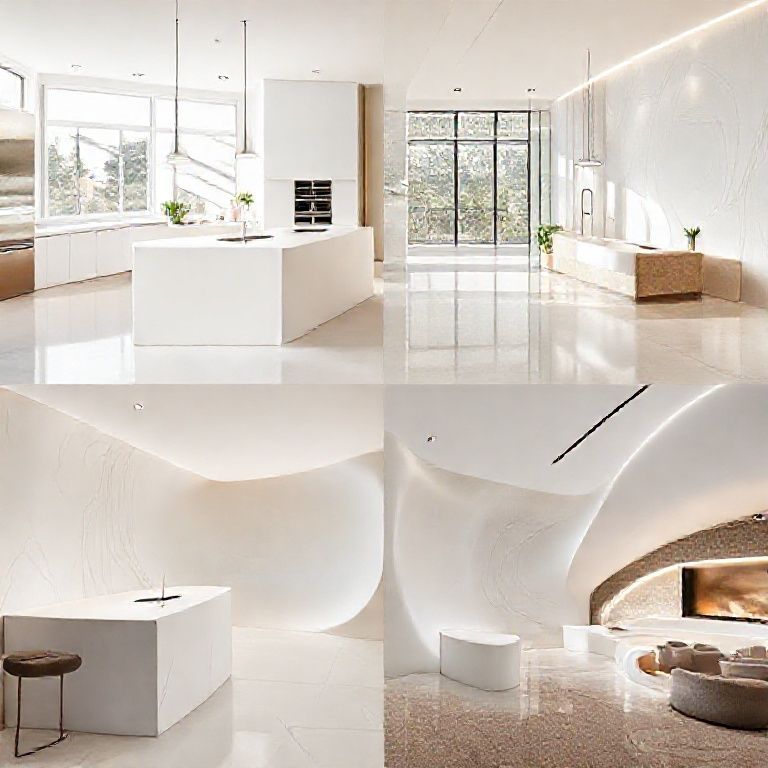
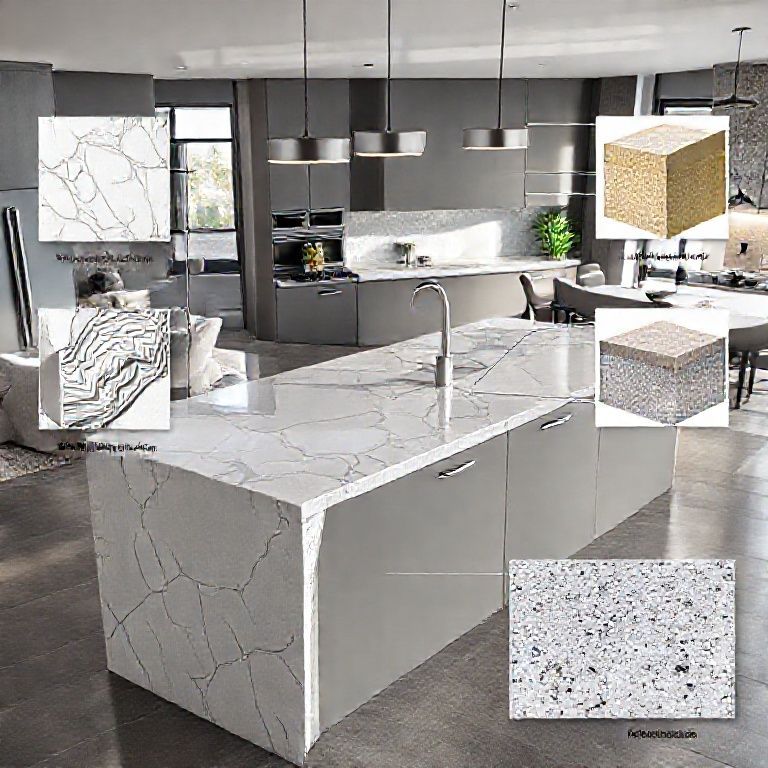
The aesthetic appeal of KeLi Board is another significant advantage. It offers a range of surface finishes and colors, allowing designers and manufacturers to create a wide variety of products from sleek modern furniture to classic, rustic pieces. Its high-quality finish can mimic natural wood, giving it a luxurious appearance without the premium price tag.
From a functional standpoint, KeLi Board boasts exceptional strength-to-weight ratios. It is less prone to warping, splitting, or cracking compared to particle boards, which often require additional coatings or treatments. This inherent stability makes KeLi Board ideal for high-traffic areas and demanding applications.
Technological Advancements in KeLi Board Production
The production of KeLi Board involves cutting-edge technology that enhances its properties. The use of advanced adhesives and pressing techniques ensures that the fibers are tightly bound, resulting in a board that is both rigid and resilient. This technology also contributes to the board’s excellent load-bearing capacity and resistance to moisture, making it suitable for various environmental conditions.
Comparison with Other Wood-Based Panels
To fully appreciate the uniqueness of KeLi Board, it is helpful to compare it with other wood-based panels like medium-density fiberboard (MDF) and high-density fiberboard (HDF). While MDF and HDF also offer superior qualities compared to traditional particle boards, KeLi Board stands out due to its sustainable production methods and superior performance characteristics. MDF and HDF, though denser and more robust, do not always match the eco-friendly credentials of KeLi Board.
Conclusion of Part 1
In conclusion, while KeLi Board shares some foundational aspects with particle boards, it is a distinct material that incorporates advanced technology and sustainable practices to offer superior performance and environmental benefits. Its unique composition and production process set it apart, making it a preferred choice for those seeking high-quality, eco-friendly materials in their design and manufacturing needs.
The Future of KeLi Board in Modern Design and Manufacturing
Introduction to the Future of KeLi Board
As we continue to explore the multifaceted world of KeLi Board, it is crucial to look ahead to its future applications and the potential it holds in modern design and manufacturing. This second part will delve into the evolving role of KeLi Board, its innovations, and its impact on the industry.
Innovations in KeLi Board Technology
The future of KeLi Board is bright, largely due to ongoing innovations in its production technology. Researchers and manufacturers are constantly exploring new ways to enhance its properties, making it even more versatile and sustainable. For example, the integration of nanotechnology in adhesive formulations is being studied to improve the binding strength and durability of the board even further.
Additionally, advancements in surface treatments are being made to offer new aesthetic possibilities. This includes developing unique textures and finishes that can replicate the look of various types of natural wood or even unconventional materials like stone and metal. These innovations are not only pushing the boundaries of what KeLi Board can achieve but also expanding its market potential.
KeLi Board in Sustainable Design
Sustainability is at the forefront of modern design and manufacturing, and KeLi Board is perfectly positioned to meet these demands. As industries worldwide pivot towards greener practices, KeLi Board’s eco-friendly credentials make it a natural choice for sustainable design. Its production process minimizes waste and utilizes renewable resources, reducing the overall environmental footprint.
Moreover, the ability to recycle and repurpose KeLi Board adds another layer to its sustainability. The material can be broken down and reused in various applications, reducing the need for virgin materials and contributing to a circular economy.
Applications in Modern Interior Design
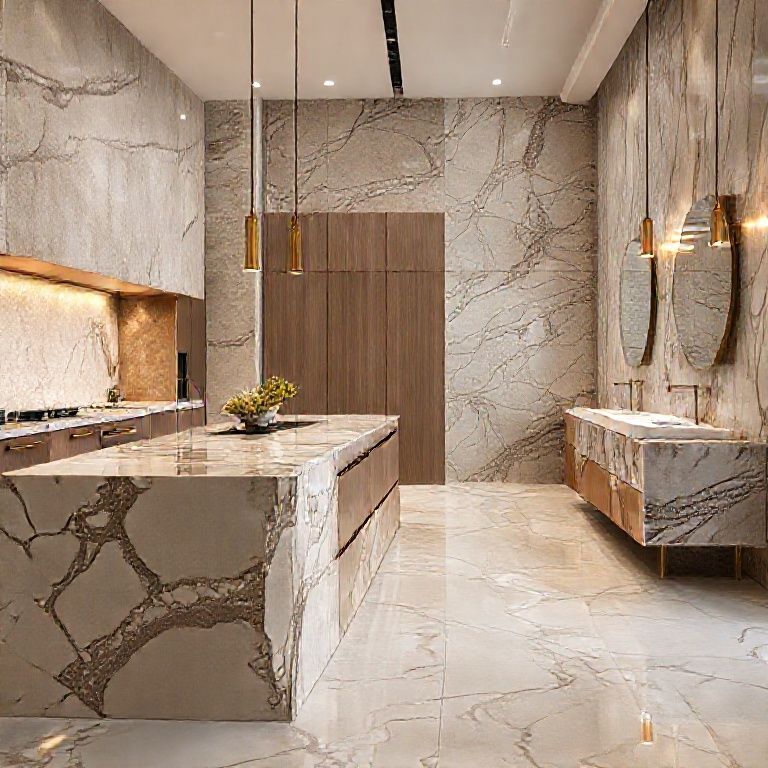
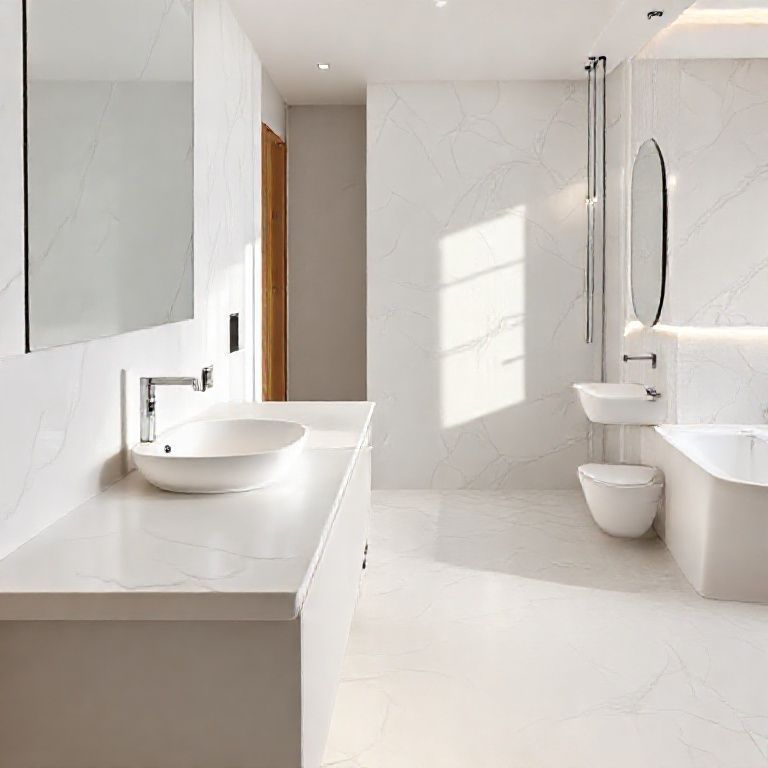
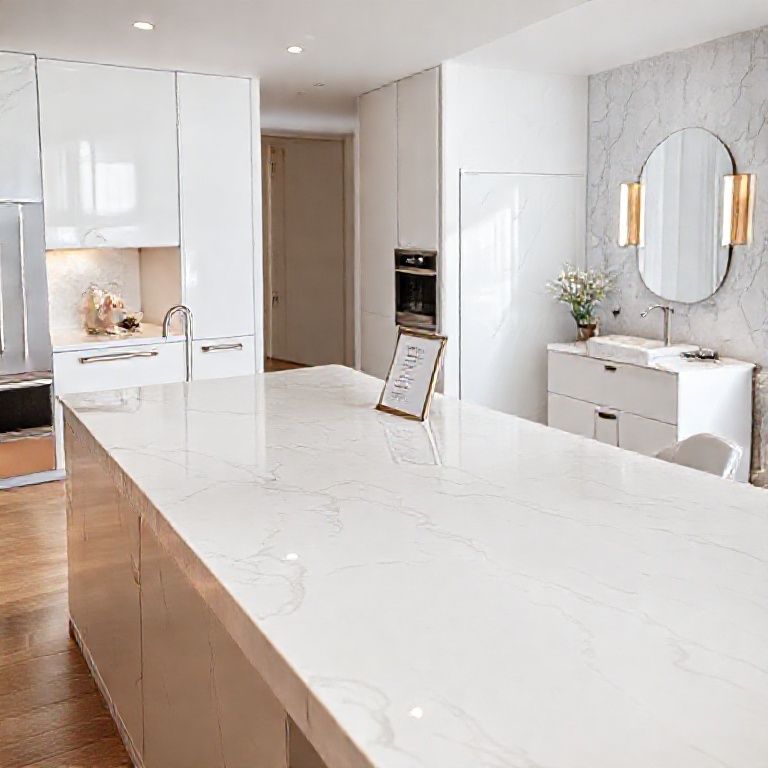
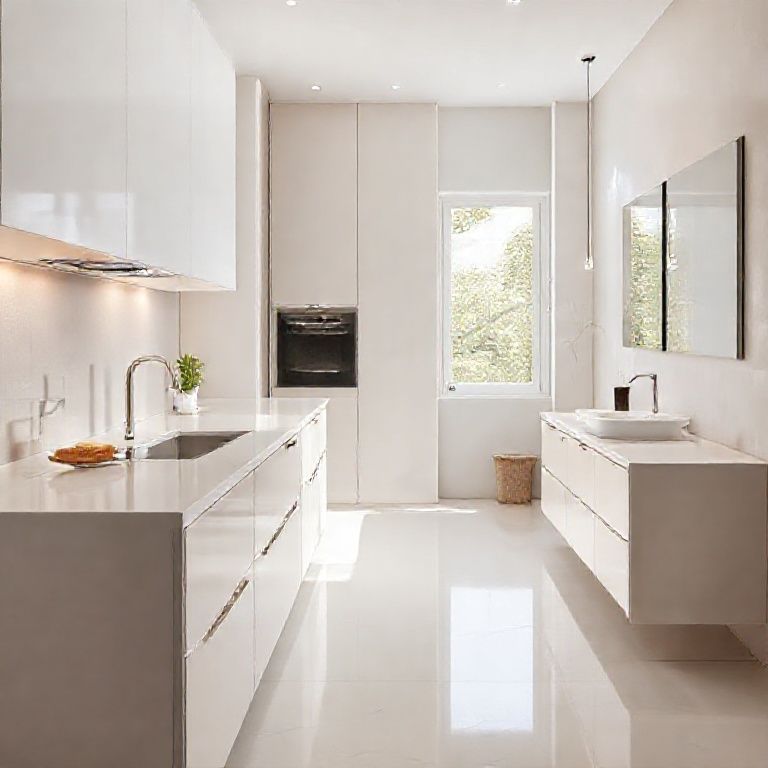
The versatility of KeLi Board makes it an excellent choice for a wide range of interior design applications. In residential settings, it is ideal for creating everything from kitchen cabinets to bathroom vanities, providing durability and a sleek, modern finish. In commercial spaces, KeLi Board is used for office furniture, partitions, and even large-scale architectural elements due to its strength and aesthetic flexibility.
Designers are increasingly embracing KeLi Board for its ability to create cohesive and stylish environments. Its adaptability allows for a broad spectrum of design possibilities, from minimalist to rustic styles, making it a favorite among architects and interior designers.
KeLi Board in Furniture Manufacturing
In the furniture manufacturing industry, KeLi Board is revolutionizing production processes. Its consistent quality and dimensional stability reduce the need for finishing treatments that can be resource-intensive and time-consuming. This results in more efficient manufacturing processes and lower overall production costs.
Additionally, KeLi Board’s resistance to moisture and deformation makes it ideal for furniture that will be exposed to varying environmental conditions. This reliability ensures that the furniture retains its shape and appearance over time, providing longevity and value to consumers.
Global Market Trends and Growth
The global market for wood-based panels is expanding, and KeLi Board is poised to capture a significant share of this market. As awareness of sustainable practices grows, so does the demand for eco-friendly materials. KeLi Board’s unique properties and sustainable production methods align perfectly with these market trends, positioning it for growth.
Furthermore, the increasing emphasis on health and well-being in interior spaces drives the demand for low-VOC materials. KeLi Board’s minimal off-gassing ensures it meets these health standards, making it a top choice for health-conscious consumers and businesses.
Challenges and Future Opportunities
Despite its many advantages, KeLi Board does face challenges such as competition from traditional materials and the need for widespread adoption in various industries. To address these challenges, continued education and demonstration of its benefits are essential. Highlighting case studies and successful implementations can help sway skeptics and showcase the material’s potential.
Future opportunities lie in expanding its applications further and continuing to innovate. Research into new binding technologies, surface treatments, and recycling methods could open up even more possibilities for KeLi Board, making it an even more integral part of the modern design and manufacturing landscape.
Conclusion of Part 2
In conclusion, KeLi Board represents the future of sustainable and high-performance wood-based panels. Its advanced production technology, coupled with its eco-friendly credentials, positions it as a leader in modern design and manufacturing. As industries continue to embrace sustainability and innovation, KeLi Board is well-equipped to meet the evolving demands of the market, offering a perfect blend of quality, durability, and environmental responsibility.
This comprehensive exploration of KeLi Board reveals its unique attributes and potential, setting the stage for its continued growth and adoption in various sectors. By understanding its composition, benefits, and future prospects, stakeholders can make informed decisions that align with both performance and sustainability goals.