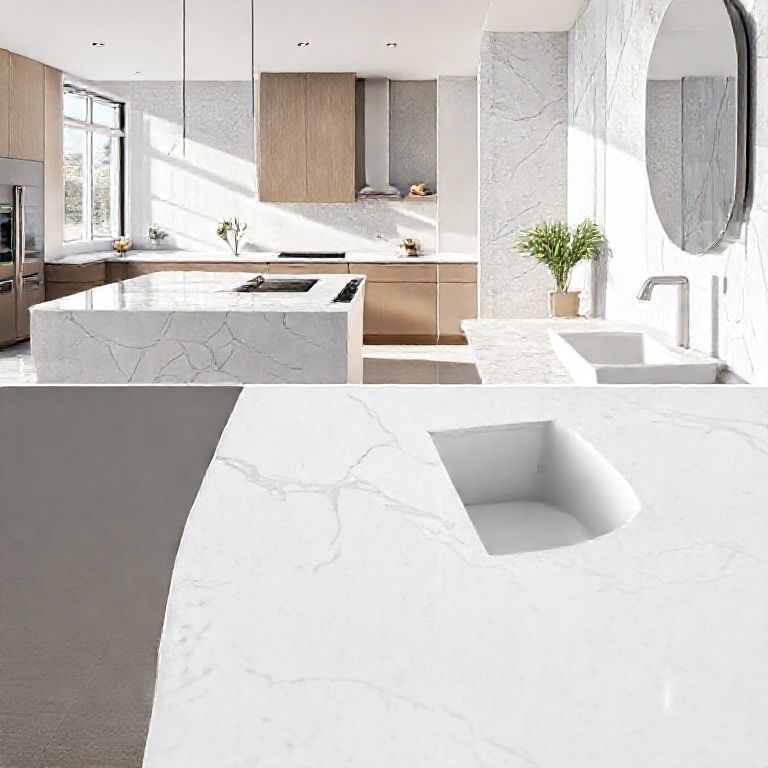
Unveiling the Advantages and Disadvantages of Synthetic Stone Countertops: Comprehensive Cleaning Methods Explained

When it comes to choosing a countertop for your kitchen or bathroom, the market offers a variety of materials, but synthetic stone has been steadily gaining popularity. This material has a unique combination of durability, aesthetics, and ease of maintenance. In this first part of our comprehensive guide, we’ll delve into the advantages and disadvantages of synthetic stone countertops, while also introducing some essential cleaning methods to keep them looking pristine.
Advantages of Synthetic Stone Countertops
1. Durability and Hardness One of the most significant advantages of synthetic stone countertops is their durability. Made from a blend of natural stone powder and resin, these countertops are incredibly hard, offering resistance to scratches, stains, and chips. This makes them an excellent choice for high-traffic areas where durability is paramount.
2. Low Maintenance Synthetic stone is incredibly low maintenance. Unlike natural stone, which requires sealing every few months to maintain its water resistance and aesthetic appeal, synthetic stone does not need frequent resealing. This simplicity means less hassle and fewer costs associated with maintenance.

3. Aesthetic Versatility Synthetic stone countertops come in a wide range of colors and patterns that mimic natural stone, marble, granite, and even wood. This versatility allows homeowners to achieve a custom look that fits their unique style and design preferences.
4. Water Resistance Synthetic stone is water-resistant, making it ideal for kitchen and bathroom countertops. Unlike some natural stone types, synthetic stone does not absorb water, which helps prevent staining and mold growth.
5. Cost-Effectiveness Compared to natural stone countertops, synthetic stone is generally more affordable. This makes it an attractive option for those who want the look of luxury without the premium price tag.
Disadvantages of Synthetic Stone Countertops
1. Heat Resistance While synthetic stone is durable, it is not the best option for areas exposed to high temperatures. Direct contact with hot pots, pans, or other heat sources can cause the surface to crack or discolor over time. Therefore, it’s essential to use trivets or heat-resistant pads when dealing with hot items.
2. Potential for Surface Damage Although synthetic stone is harder than many other materials, it can still be damaged by extremely sharp objects. Knives, scissors, and other sharp tools should always be placed on cutting boards or pads to avoid scratches and cuts.
3. Limited Heat Distribution Synthetic stone does not distribute heat well. This means that hot items left on the countertop can cause burns. Always ensure that hot cookware is placed on a trivet or moved away from the countertop immediately after use.
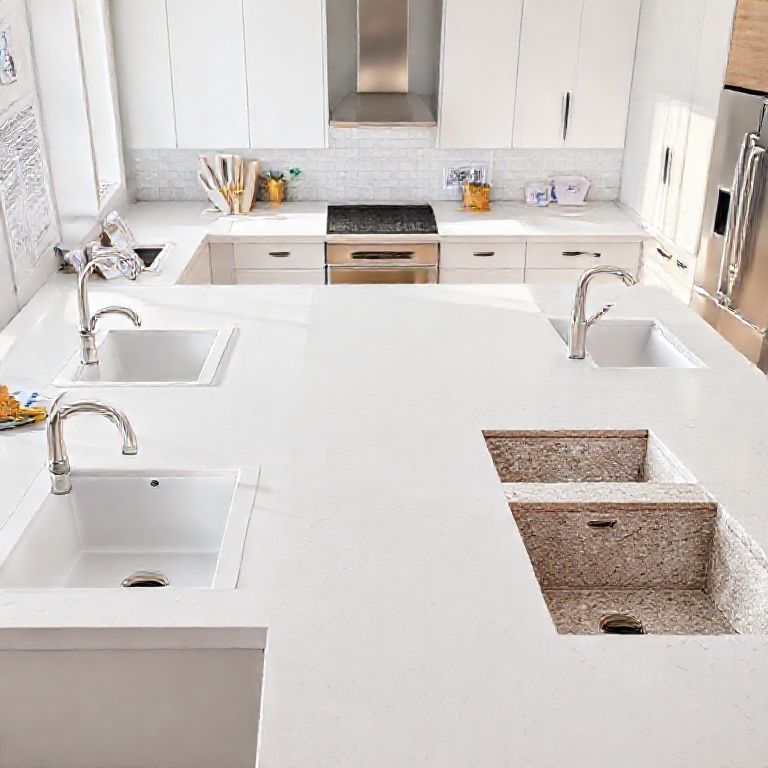
4. Limited Customization While synthetic stone offers a variety of colors and patterns, the customization options are somewhat limited compared to natural stone. Custom engravings or specific textures might not be feasible.
5. Environmental Concerns The production of synthetic stone involves the use of resins and other chemicals. Although manufacturers strive to minimize environmental impact, there may still be some concerns regarding the ecological footprint of these materials.
Basic Cleaning Methods for Synthetic Stone Countertops
To maintain the pristine look of your synthetic stone countertops, regular cleaning is essential. Here are some step-by-step cleaning methods to follow:
1. Daily Cleaning
Materials Needed: Mild dish soap, warm water, soft cloth, and a sponge. Steps: Mix a few drops of mild dish soap with warm water. Dampen a sponge or soft cloth with the soapy water. Wipe the countertop with the damp sponge or cloth, paying attention to any spills or stains. Rinse the countertop with a clean, damp cloth to remove any soap residue. Dry the surface with a dry, soft cloth to prevent water spots.
2. Deep Cleaning
Materials Needed: Synthetic stone cleaner, soft cloth, and occasionally a soft-bristle brush. Steps: Apply a synthetic stone cleaner according to the manufacturer’s instructions. Using a soft cloth or soft-bristle brush, gently scrub the surface in a circular motion. Rinse the countertop with clean water. Dry thoroughly with a soft cloth.
3. Stain Removal For stubborn stains, a stronger cleaner might be necessary.
Materials Needed: Commercial cleaner for stone, soft cloth, and baking soda (optional for tougher stains). Steps: Apply the commercial stone cleaner to the stain and let it sit for the recommended time. Gently scrub the stain with a soft cloth or brush. Rinse thoroughly and dry with a soft cloth.
4. Scratch Removal If your countertop has minor scratches, a polishing method might help.
Materials Needed: Polishing compound, soft cloth. Steps: Apply a small amount of polishing compound to a soft cloth. Gently rub the scratched area in a circular motion. Wipe off the compound with a clean cloth. Dry the area to ensure no residue remains.
By understanding both the advantages and disadvantages of synthetic stone countertops, along with following these comprehensive cleaning methods, you can ensure your countertops remain in excellent condition for years to come. Stay tuned for the second part of our guide where we will delve deeper into advanced cleaning techniques and additional maintenance tips!
Unveiling the Advantages and Disadvantages of Synthetic Stone Countertops: Comprehensive Cleaning Methods Explained
In the second part of our detailed guide, we will explore more advanced cleaning methods and additional maintenance tips for synthetic stone countertops. Building on the foundational knowledge from Part 1, this section will provide you with more in-depth strategies to keep your synthetic stone surfaces looking like new.
Advanced Cleaning Techniques
1. Using a Commercial Cleaner Commercial cleaners are specifically designed to clean and maintain synthetic stone countertops. Here’s how to use them effectively:
Steps: Read the Label: Always check the manufacturer’s instructions on the cleaner’s label to ensure it is suitable for synthetic stone. Apply the Cleaner: Dampen a soft cloth with the cleaner and apply it to the countertop. Scrub Gently: Use a soft cloth or brush to scrub the surface gently in a circular motion. Rinse Thoroughly: Rinse the countertop with clean water to remove any residue from the cleaner. Dry Completely: Use a dry, soft cloth to dry the surface completely to prevent water spots.
2. Dealing with Oil and Grease Synthetic stone can sometimes show fingerprints or oil stains, especially in high-use areas like kitchens. Here’s how to tackle these issues:
Materials Needed: Baking soda, water, soft cloth, and vinegar (optional). Steps: Baking Soda Paste: Mix baking soda with a small amount of water to form a paste. Apply Paste: Spread the baking soda paste over the stained or greasy area. Let it Sit: Allow the paste to sit for 15-30 minutes to break down the grease. Scrub Gently: Use a soft cloth to scrub the area gently. Rinse and Dry: Rinse the area with water and dry thoroughly with a soft cloth.
3. Polishing the Surface To restore the shine and give a polished look to your synthetic stone countertop, follow these steps:
Materials Needed: Polishing compound, soft cloth, and polishing machine (optional). Steps: Apply Compound: Spread a small amount of polishing compound onto a soft cloth. Rub in Circular Motions: Rub the compound into the surface using circular motions. Buff Off: Use a clean, dry cloth to buff off any excess compound. Final Rinse: Rinse the countertop with clean water and dry it completely.
Additional Maintenance Tips
1. Avoiding Heat Damage Synthetic stone is durable but can still be affected by direct heat. To prevent potential damage:
Use Heat Pads: Always use trivets or heat-resistant pads when placing hot items on the countertop. Immediate Removal: Remove hot cookware promptly to avoid prolonged exposure to heat.
2. Proper Cutting Techniques To avoid scratches and cuts on your synthetic stone:
Use Cutting Pads: Always use cutting boards or pads when cutting food. Avoid Sharp Objects: Do not use knives or other sharp objects directly on the countertop.
3. Regular Maintenance Regular maintenance is key to prolonging the life of your synthetic stone countertop:
Weekly Cleaning: Perform a weekly cleaning using mild dish soap and a soft cloth to remove daily spills and stains.
Regular Inspection: Regularly inspect your countertop for any signs of wear, scratches, or discoloration. Early detection can prevent more serious damage.
Avoid Abrasive Cleaners: Do not use abrasive cleaners or scouring pads on your synthetic stone as these can scratch the surface. Always opt for non-abrasive cleaning products.
Sealing and Protecting: While synthetic stone doesn’t need frequent sealing like natural stone, it’s a good practice to apply a protective sealant periodically to maintain its surface and shine. Follow the manufacturer’s guidelines for the best results.
Water Spills: For water spills, blot the area immediately with a clean, dry cloth to prevent water spots. Avoid letting water sit on the surface for prolonged periods.
Handling Spilled Chemicals Accidentally spilling acidic or alkaline substances on your synthetic stone countertop can be problematic. Here’s how to handle such situations:
Neutralize Immediately: If a chemical spill occurs, neutralize it immediately with water or a mild, non-abrasive cleaner. Blot, Don’t Scrub: Blot the spill with a clean cloth instead of scrubbing, which could cause scratches. Follow Up: Once neutralized, wipe the area with a damp cloth to remove any residue and dry it thoroughly.
Special Cleaning Situations Certain situations might require special attention:
Food Stains: For tough food stains, apply a bit of baking soda directly on the stain, let it sit for a few minutes, then wipe off with a damp cloth. Coffee or Tea Stains: These can be particularly stubborn. Use a mixture of vinegar and water (1:1 ratio) to clean the area. Scrub gently and rinse thoroughly. Grease Build-Up: For heavily greased areas, use a degreasing cleaner specifically designed for synthetic stone.
Professional Help If you notice persistent stains or damage that you’re unable to address on your own, don’t hesitate to seek professional cleaning services. Professionals have the expertise and tools to safely restore the appearance of your synthetic stone countertop.
By following these maintenance tips and cleaning methods, you can ensure that your synthetic stone countertops remain beautiful and functional for years to come. Remember, regular care and prompt attention to stains and damages are key to extending the life and maintaining the appearance of your countertop.