
Unveiling the Allure and Value: A Deep Dive into Dupont Artificial Stone Pricing
The quest for the perfect countertop material is often a journey filled with competing desires: beauty, durability, functionality, and of course, cost. In the realm of interior design and home renovation, certain materials consistently rise to the top, offering a compelling blend of these qualities. Among these luminaries, Dupont artificial stone, particularly their renowned Corian® solid surface and Zodiaq® quartz surfaces, has carved a significant niche. But as anyone embarking on a renovation project knows, the question on everyone’s lips is invariably: “How much does it cost?” Specifically, in the context of “杜邦人造石多少钱一米” (DuPont artificial stone, how much per meter?), we delve into the intricate pricing landscape of these premium materials, uncovering what makes them a worthwhile investment for discerning homeowners.
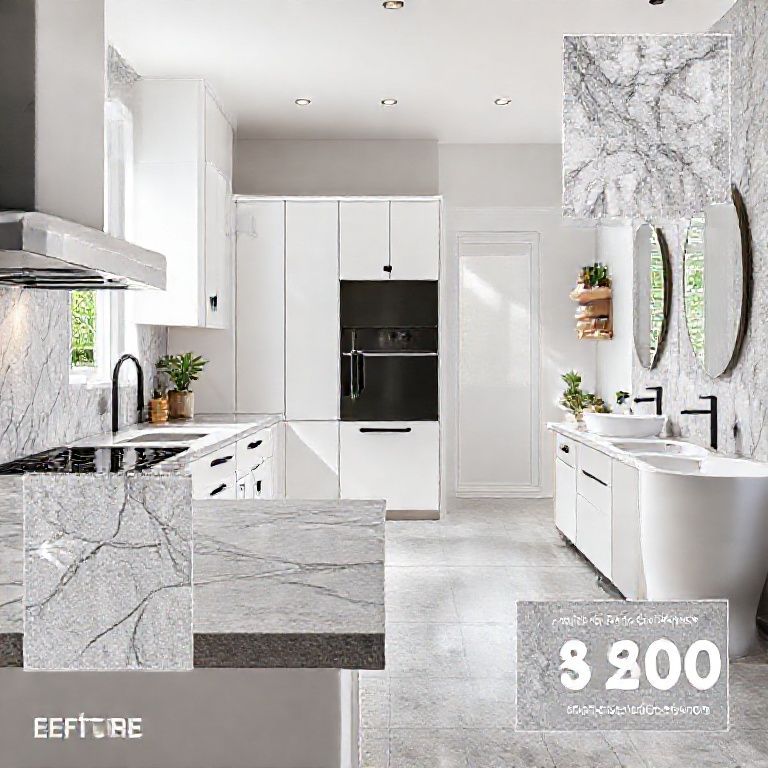
To understand the price of Dupont artificial stone, we must first appreciate the inherent value proposition it offers. Dupont, a name synonymous with innovation and quality, has long been at the forefront of material science. Their artificial stone products are not mere imitations of natural stone; they are engineered materials designed to excel in specific applications. Corian®, a pioneer in the solid surface category, boasts a non-porous, seamless surface that is hygienic, easy to clean, and incredibly versatile in terms of design and fabrication. Zodiaq®, on the other hand, is a quartz composite that rivals natural granite and marble in its stunning visual appeal, yet offers superior strength, scratch resistance, and stain repellency.
When we talk about “per meter” pricing for artificial stone, it’s crucial to understand that this is a simplified metric. The actual cost is influenced by a multitude of factors, and a direct “price per meter” can be misleading without context. The primary components of the overall cost typically break down into: the material itself, fabrication, and installation.
Let’s start with the material. Dupont’s Corian® and Zodiaq® are premium products, and their pricing reflects the advanced manufacturing processes, the quality of raw materials used (including quartz crystals for Zodiaq® and acrylic polymers for Corian®), and the extensive research and development that goes into ensuring their performance. The price of the raw slab will vary based on the specific collection, color, and pattern. Intricate veining, unique color combinations, or special finishes often command a higher price point. For instance, a subtle, solid color Corian® might be at the lower end of the spectrum, while a Zodiaq® with a complex, marble-like pattern would be at the higher end. The sheer quality and consistency of Dupont’s products mean that you are investing in a material that is built to last, reducing the need for frequent replacements and repairs, which ultimately contributes to its long-term value.
The “per meter” cost also needs to consider the dimensions of the slab. While pricing might be quoted per linear meter, the width of the slab also plays a role in how many linear meters you can get out of a standard slab and how much waste is generated. For instance, a wider slab might allow for fewer seams in a large kitchen island, potentially reducing fabrication complexity and installation costs. Conversely, a narrower slab might require more cuts and joints, increasing labor.
Beyond the raw material, fabrication is where the artistry and technical skill of the fabricator come into play, and this significantly impacts the final price. Dupont’s materials, especially Zodiaq® quartz, are hard and require specialized tools and techniques for cutting, shaping, and polishing. Complex edge profiles, integrated sinks, backsplashes, and custom designs all add to the fabrication cost. A simple straight edge will be far less expensive than a bullnose, ogee, or waterfall edge. If you opt for an integrated sink fashioned from the same material, this requires precise molding and seamless integration, which is a labor-intensive process. Similarly, intricate cutouts for cooktops or faucets add to the fabrication time and complexity.
Then there’s the installation. While the material might be priced “per meter,” the installation cost is often quoted as a separate line item and can be influenced by the complexity of the site, the accessibility of the workspace, and the intricacy of the installation. A straightforward installation in a single-level home with easy access will be less costly than installing in a high-rise building or a property with challenging access. The number of seams, the weight of the material (especially Zodiaq®), and the need for specialized lifting equipment all contribute to the installation fee. Skilled installers are essential to ensure a perfect fit and a flawless finish, preventing damage to the material or surrounding elements.
Understanding “杜邦人造石多少钱一米” requires a holistic view. It’s not just about the material’s price tag; it’s about the entire package – the raw beauty, the engineered performance, the skilled craftsmanship, and the professional installation that culminates in a stunning and functional centerpiece for your home. The perceived high initial cost often translates into exceptional long-term value, a testament to Dupont’s commitment to quality and innovation.
Continuing our exploration into the world of Dupont artificial stone pricing, we delve deeper into the nuances that contribute to the overall cost and how homeowners can best navigate this landscape to achieve their desired aesthetic and functional goals. Recalling our previous discussion on material, fabrication, and installation, let’s now focus on how these elements, along with other market dynamics, shape the final “杜邦人造石多少钱一米” figure.
The specific product line within Dupont’s offerings significantly impacts the price. As mentioned, Corian® solid surface and Zodiaq® quartz are distinct materials with different compositions and therefore, different price points. Zodiaq® quartz, with its high concentration of natural quartz crystals, generally commands a higher price than Corian® solid surface. This is due to the cost of sourcing and processing pure quartz, which is a harder and more durable material than the acrylic resins that form the base of Corian®. However, the trade-off is in the unique properties each material brings. Corian® offers unparalleled seamlessness and the ability to be thermoformed into curves, making it ideal for unique designs and areas where hygiene is paramount, such as healthcare settings or busy family kitchens. Zodiaq®, with its exceptional hardness and resistance to scratches and stains, is a robust choice for high-traffic areas and for those who desire the look of natural stone without the maintenance demands.
When considering the “per meter” price, it’s also important to factor in the thickness of the material. Standard countertop thicknesses can vary, and opting for a thicker slab of either Corian® or Zodiaq® will naturally increase the material cost. Thicker countertops often convey a sense of luxury and substantiality, but they also add weight and may require different fabrication and installation techniques.
The chosen color and pattern are perhaps the most visually impactful, and often the most significant, drivers of price within a specific product line. Dupont offers an extensive palette of colors and patterns for both Corian® and Zodiaq®. Solid, neutral colors are typically the most economical. As the complexity of the pattern increases – think intricate veining, sparkling flecks, or realistic marble and granite imitations – the price per meter tends to rise. This is because these more elaborate designs often require more sophisticated manufacturing processes and a higher proportion of premium raw materials. For example, a Zodiaq® surface mimicking a rare marble might be significantly more expensive than a simple, speckled quartz. Similarly, a Corian® color with unique translucent properties or a subtle shimmer will likely be priced higher than a matte, uniform hue.
The “per meter” quote can also be influenced by the quantity of material purchased. For very large projects, some suppliers might offer a slight discount on bulk purchases. Conversely, for smaller, custom pieces, the fabricator might need to purchase a full slab, and the cost of any leftover material will be factored into the overall price. This is why it’s always a good idea to get detailed quotes that break down the material, fabrication, and installation costs, rather than relying solely on a “per meter” estimate.
Furthermore, the choice of edge profile can dramatically alter the final cost. A simple eased or square edge is the most budget-friendly. More elaborate profiles like bullnose, half-bullnose, ogee, or a multi-layered edge require more time, skill, and specialized tooling to achieve, thus increasing the fabrication cost. Similarly, adding features like a drainboard integrated into the countertop, a waterfall edge (where the material flows down the side of the cabinet), or a shaped backsplash will add to the complexity and expense.
The reputation and expertise of the fabricator and installer are also critical considerations that indirectly influence the price. Dupont materials are best handled by certified fabricators who understand the specific properties and fabrication requirements of Corian® and Zodiaq®. These certified professionals often charge a premium for their expertise, but their skill ensures that the material is cut, shaped, and installed to perfection, minimizing the risk of costly errors or damage. A poorly fabricated or installed countertop can not only be visually unappealing but can also lead to structural issues or premature wear and tear, negating any initial cost savings.
Finally, market demand and regional pricing can play a role. In areas with a high demand for premium home finishes, prices for Dupont artificial stone might be higher due to increased competition among fabricators and installers. It’s always advisable to obtain multiple quotes from reputable suppliers and fabricators in your local area. Compare not just the final price, but also what is included in each quote. Ensure that all aspects – material, color, thickness, edge profiles, sink integration, backsplash, and installation – are clearly itemized.
In conclusion, while “杜邦人造石多少钱一米” serves as a starting point for inquiry, a comprehensive understanding of the pricing involves appreciating the inherent quality and engineering of Dupont’s materials, the intricate details of fabrication and installation, the vast array of design choices available, and the expertise of the professionals involved. By considering these multifaceted factors, homeowners can make an informed decision, investing wisely in a material that promises enduring beauty, exceptional performance, and lasting value for their homes.









