
The allure of natural stone – be it the rich veining of marble or the earthy tones of granite – has long captivated homeowners and designers alike. However, the quest for that perfect surface often comes with a hefty price tag and a set of maintenance considerations that can dampen even the most enthusiastic renovation dreams. Enter the revolutionary world of artificial stone, a category of surfacing materials that has, in recent decades, redefined what’s possible in interior design. More than just a budget-friendly alternative, artificial stone offers a compelling blend of aesthetic sophistication, unparalleled durability, and remarkable versatility, making it a formidable contender for any design project. This comprehensive exploration will lift the veil on the fascinating realm of artificial stone, dissecting its pricing structures, illuminating its diverse material types, and inspiring a wealth of design possibilities.

At its core, “artificial stone,” a term encompassing a broad spectrum of engineered materials, is meticulously crafted to mimic the visual appeal of natural stone. This isn’t mere imitation, however; it’s an evolution. Through advanced manufacturing processes, designers and engineers have unlocked the ability to control every facet of the material, from color and pattern to texture and performance. This control translates directly into a level of consistency and predictability that natural stone simply cannot match. Think of it as the difference between a bespoke suit, tailored precisely to your measurements and preferences, and a beautiful, yet perhaps slightly ill-fitting, off-the-rack garment.
The question that inevitably arises when considering any renovation material is, of course, “What will it cost?” The “人造石价格表” (artificial stone price list) is not a monolithic entity, but rather a dynamic reflection of several key factors. Understanding these drivers is paramount to navigating the market and securing the best value for your investment.
Firstly, material type stands as the most significant determinant of price. Within the umbrella of artificial stone, we encounter distinct categories, each with its own manufacturing process and inherent cost. Quartz surfaces, for instance, often command a higher price point due to the complex process of combining natural quartz crystals with resins and pigments. The high percentage of natural quartz in these slabs (typically 90-95%) contributes to their exceptional hardness, stain resistance, and non-porous nature, qualities that translate into a premium price. On the other end of the spectrum, solid surface materials, often acrylic-based, can be more budget-friendly. While offering a seamless aesthetic and excellent repairability, they may not possess the same scratch and heat resistance as quartz. Other engineered stones, such as sintered stone or porcelain slabs, occupy their own unique positions in the pricing hierarchy, each offering a distinct set of performance characteristics and visual aesthetics.
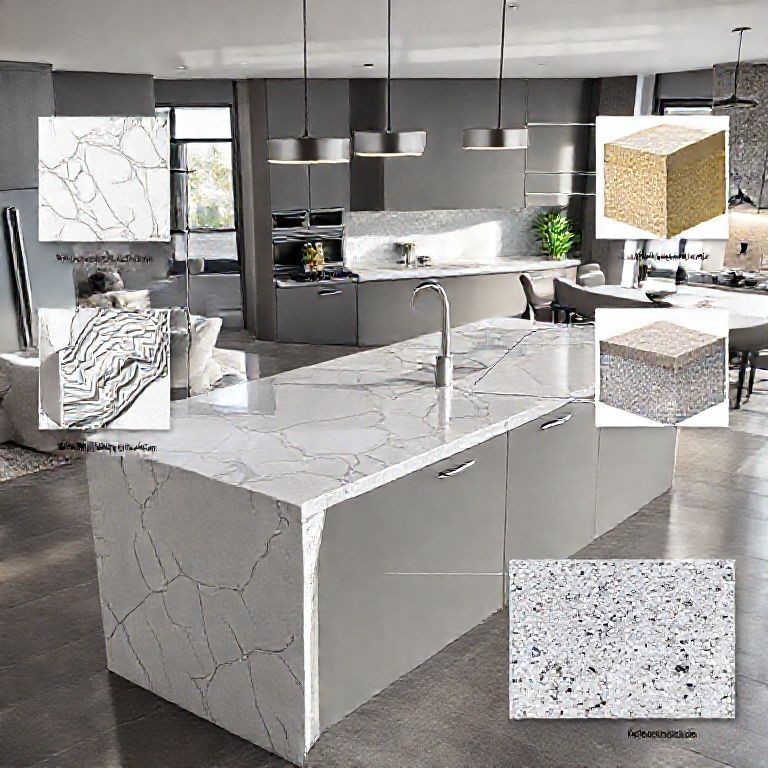
Secondly, the brand and manufacturer play a crucial role. Just as certain luxury car brands are synonymous with quality and prestige, well-established and reputable artificial stone manufacturers often come with a higher price tag. This is not simply a matter of brand recognition; it often reflects superior quality control, advanced manufacturing techniques, and a commitment to research and development that results in more durable and aesthetically refined products. These brands invest heavily in ensuring the consistency and longevity of their materials, offering robust warranties that further justify their premium positioning.
Thirdly, design complexity and aesthetic features directly influence the cost. A solid, uniform color might be more economical than a slab with intricate veining, subtle color gradients, or a highly polished finish. Exotic patterns that closely mimic rare natural stones, or those requiring specialized techniques to achieve, will naturally command a higher price. Similarly, the thickness of the slab can also impact the cost, with thicker materials generally being more expensive.
Fourthly, fabrication and installation are critical components of the overall “人造石价格表.” The intricate process of cutting, shaping, polishing, and installing artificial stone slabs requires specialized tools, skilled labor, and significant expertise. Complex edge profiles, cutouts for sinks and cooktops, and the overall scale of the project will all contribute to the labor costs. Furthermore, the logistical challenges of transporting and handling large, heavy slabs, especially to upper floors or remote locations, can also factor into the final price. It’s vital to obtain detailed quotes that clearly delineate material costs from fabrication and installation charges to ensure transparency and avoid unexpected expenses.
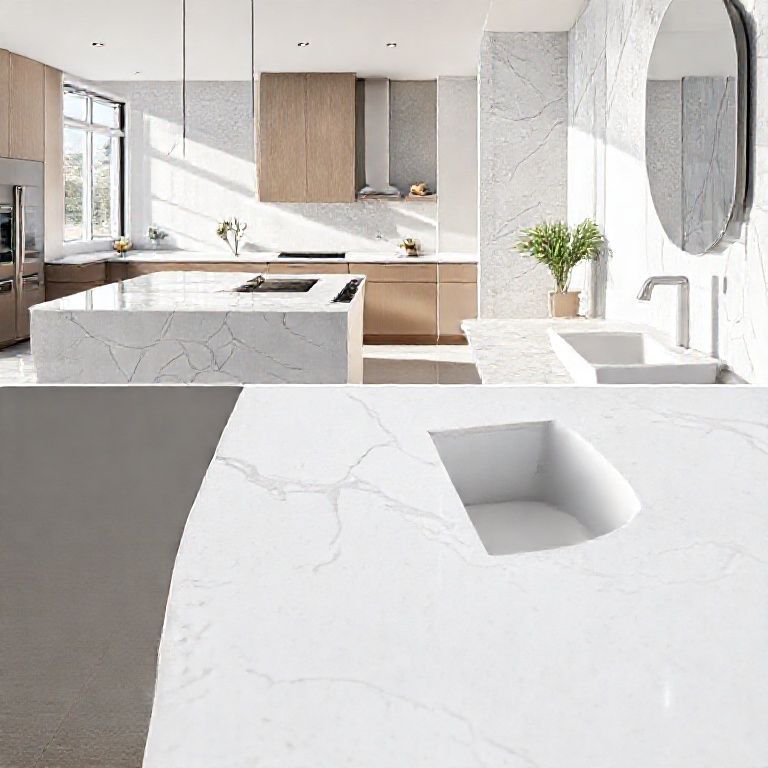
Finally, consider the origin and supply chain. While artificial stone is manufactured, the sourcing of raw materials and the geographical location of production facilities can influence pricing due to shipping costs, import duties, and local market dynamics. Understanding the provenance of the material can sometimes provide insights into its potential cost and availability.
Navigating the “人造石价格表” is akin to charting a course through a diverse landscape. By understanding these fundamental pricing drivers, you are empowered to make informed decisions, balancing your aesthetic aspirations with your budgetary realities. The subsequent sections will delve deeper into the specific types of artificial stone, offering a clearer picture of their individual merits and cost implications, thereby enabling you to select the perfect surface that not only enhances your space but also aligns with your financial plan. The journey towards your dream countertop or vanity begins with this foundational understanding of what influences the price of these remarkably adaptable materials.
Building upon our understanding of the factors that shape the “人造石价格表,” let’s now immerse ourselves in the diverse world of artificial stone materials. Each type offers a unique blend of characteristics, making it suitable for different applications and design preferences. This exploration will provide you with the clarity needed to discern which artificial stone best aligns with your project’s functional requirements and aesthetic vision.
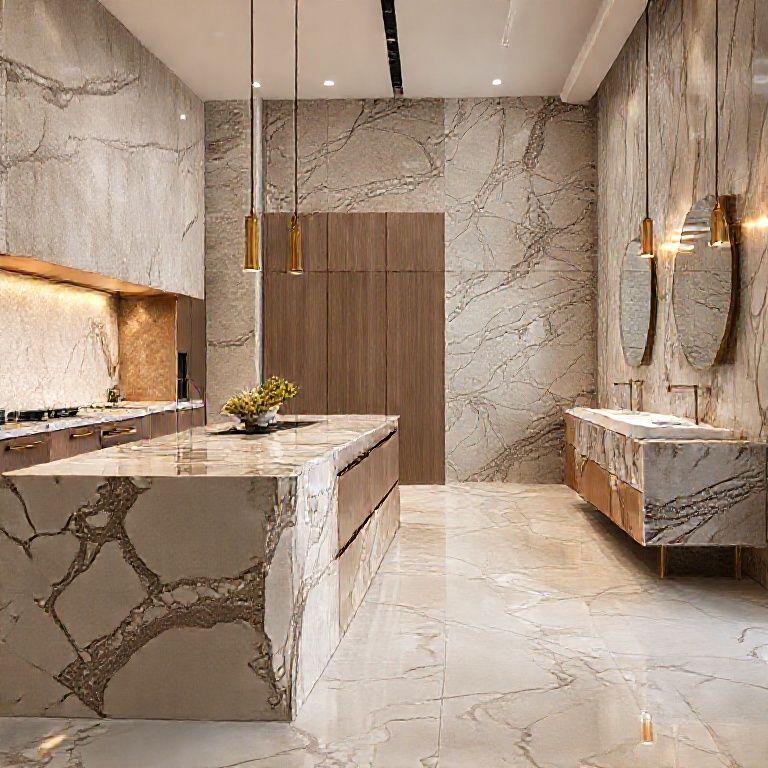
Perhaps the most celebrated and widely recognized category of artificial stone is quartz surfaces. These engineered slabs are a marvel of modern material science, typically composed of approximately 90-95% natural quartz crystals, bound together with resins, polymers, and pigments. The high concentration of quartz is the secret to their exceptional performance. They are incredibly hard, boasting a Mohs hardness rating that rivals granite, making them highly resistant to scratches, chips, and abrasions. This inherent hardness also contributes to their non-porous nature. Unlike natural stone, which can absorb liquids and harbor bacteria, quartz surfaces are impervious to stains from common household substances like wine, coffee, and oil. This makes them an incredibly hygienic and low-maintenance choice for kitchens and bathrooms. The manufacturing process allows for an astonishing range of colors and patterns. From pure white and classic black to intricate marble-like veining and subtle, earthy tones, quartz can mimic the appearance of virtually any natural stone, often with greater consistency than its natural counterpart. This consistency is a significant advantage, especially for larger projects where achieving a uniform look across multiple slabs is crucial. The price of quartz surfaces typically falls into the mid to high range within the artificial stone spectrum. This reflects the sophisticated manufacturing process, the high percentage of natural quartz, and the superior performance characteristics. However, the long-term durability and minimal maintenance often make quartz a cost-effective investment over time.
Next, we encounter solid surface materials, often recognized by brand names like Corian. These are typically composed of acrylic polymers and alumina trihydrate (ATH), a mineral derived from bauxite ore. The defining characteristic of solid surface is its non-porous and seamless nature. Because it is manufactured from a uniform material throughout its thickness, it can be fabricated with invisible seams. This eliminates grout lines in backsplashes and creates a continuous, flowing appearance in countertops and vanities, which is highly desirable from both an aesthetic and a hygiene perspective. Solid surface is also highly repairable. Minor scratches or chips can often be buffed out or repaired on-site by a qualified fabricator, restoring the surface to its original condition. While solid surface offers a broad spectrum of colors and patterns, it may not possess the same level of scratch and heat resistance as quartz. It is advisable to use trivets and cutting boards to protect the surface from high temperatures and sharp objects. In terms of pricing, solid surface materials generally fall into the mid-range, often offering a more accessible entry point than quartz while still providing excellent performance and design flexibility. Their ability to be thermoformed into various shapes also opens up unique design possibilities for more custom applications.
A more recent and increasingly popular contender is sintered stone and porcelain slabs. These materials are created through an advanced process that subjects natural minerals and clays to extremely high temperatures and pressures, fusing them into a dense, non-porous slab. The result is a material of exceptional durability and versatility. Sintered stone and porcelain boast unparalleled resistance to heat, UV rays, scratches, and stains. They are incredibly robust, making them suitable for a wide range of applications beyond countertops, including flooring, wall cladding, and even outdoor surfaces. Their non-porous nature ensures excellent hygiene and ease of cleaning. Visually, these slabs can mimic a wide array of natural stones, wood grains, and even concrete finishes with remarkable realism. The manufacturing process allows for large-format slabs, minimizing the need for seams and contributing to a streamlined aesthetic. Due to the advanced technology and energy-intensive manufacturing process involved, sintered stone and porcelain slabs typically command a premium price, often positioning them at the higher end of the artificial stone market. However, their extreme durability and suitability for a multitude of applications can make them a highly cost-effective choice for comprehensive design projects.
Other engineered stones, such as cultured marble and engineered granite, offer further options. Cultured marble is a man-made composite, typically consisting of polyester resin and marble dust or aggregates, molded into various shapes like countertops and sinks. It offers a glossy finish and can be manufactured in a wide array of colors and patterns, often with swirling veining that mimics natural marble. It is generally more affordable than natural marble and easier to maintain, though it may be less resistant to scratches and heat compared to quartz or sintered stone. Engineered granite follows a similar principle, using granite aggregates and resin binders to create a consistent and durable surfacing material. These options often provide a good balance between aesthetic appeal and cost-effectiveness.
When considering the “人造石价格表,” it is crucial to remember that these material categories are not mutually exclusive in terms of price. Within each type, variations in brand, color, pattern complexity, and slab thickness will create price differentials. For instance, a basic white quartz might be more affordable than a quartz slab featuring a complex, realistic marble veining pattern. Similarly, a standard-sized solid surface vanity top will likely be less expensive than a custom-designed, intricate solid surface application.
Ultimately, the choice of artificial stone is a deeply personal one, guided by a confluence of aesthetic desires, functional needs, and budgetary considerations. By thoroughly understanding the distinct characteristics and pricing nuances of quartz, solid surface, sintered stone, porcelain, and other engineered options, you are well-equipped to make an informed decision. The “人造石价格表” is not merely a list of numbers; it is a roadmap to unlocking a world of design possibilities, where beauty, durability, and affordability can harmoniously coexist. The journey to transforming your living spaces with these remarkable materials is an exciting one, and armed with this knowledge, you can embark on it with confidence and clarity.









