In the world of modern home design, artificial quartzite countertops have emerged as a highly coveted choice for both kitchens and bathrooms. Known for their stunning aesthetics and superior durability, quartzite countertops are setting new standards in surface materials. But how much does this luxurious option cost per square meter? Let’s delve into the captivating world of artificial quartzite countertops and uncover the factors that influence their pricing.

The Allure of Artificial Quartzite
Artificial quartzite, often referred to simply as quartzite, is a composite material crafted from a combination of quartz and resin. This unique blend results in a surface that mimics the look of natural quartz but with enhanced qualities such as greater durability and a wider range of colors and patterns. Quartzite countertops are renowned for their:
Stunning Visual Appeal: Quartzite offers a breathtaking array of colors and textures, from classic marble hues to bold, modern patterns. The visual impact of quartzite countertops is unparalleled, making them a top choice for those looking to elevate their kitchen or bathroom design.
Unmatched Durability: Unlike natural stone, quartzite is impervious to stains, scratches, and heat. It requires minimal maintenance, making it a practical choice for busy households and commercial spaces alike.
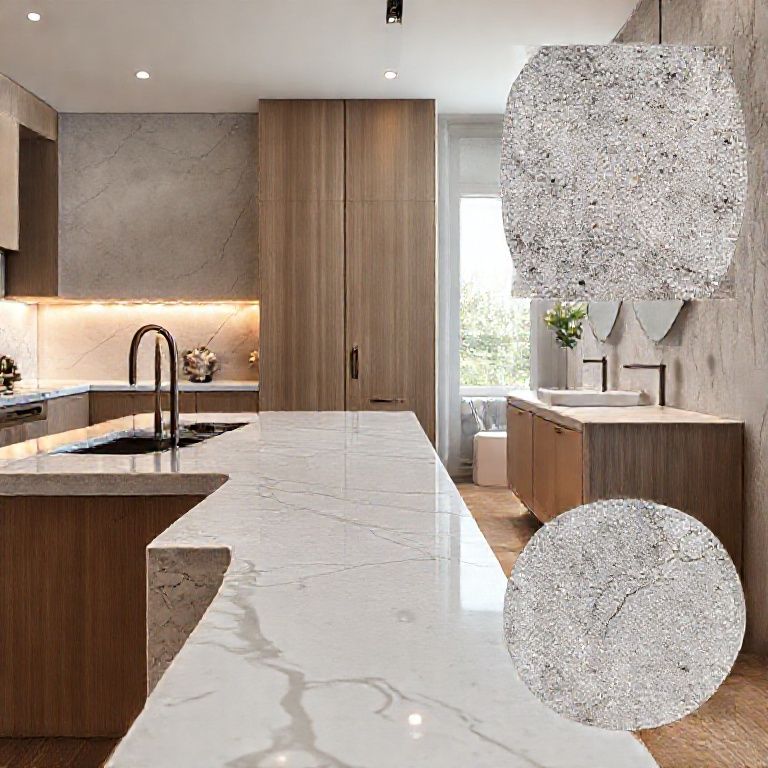
Versatility: Quartzite can be used in various applications, from kitchen countertops to bathroom vanities, and even outdoor spaces like patios and decks.
Factors Influencing Quartzite Pricing Per Square Meter
The cost of artificial quartzite countertops per square meter can vary widely based on several factors. Understanding these can help you make an informed decision when planning your renovation project. Key factors include:
Color and Design: Quartzite comes in an extensive range of colors and patterns. Custom or unique designs can significantly increase the cost. High-end, one-of-a-kind designs will naturally be more expensive than standard patterns.
Quality and Brand: The quality of the quartzite material and the reputation of the brand can greatly affect the price. Higher-quality materials that are more durable and visually superior will cost more. Established brands with a proven track record of quality often command higher prices.
Customization: Custom orders, including special shapes, sizes, and additional features like integrated sinks, will generally increase the cost. Customization can add both aesthetic value and functionality but at a higher price point.
Labor Costs: The cost of installation can also affect the overall price. Professional installation by skilled craftsmen ensures durability and longevity but adds to the overall cost.
Understanding Quartzite Pricing
To give you a clearer picture of pricing, let’s break down what you might expect when considering artificial quartzite countertops per square meter. On average, the cost can range from $50 to $200 per square foot, which is approximately $550 to $2,200 per square meter.
Basic Quartzite: For standard colors and designs, you might expect to pay around $60 to $100 per square foot ($650 to $1,100 per square meter). Mid-Range Quartzite: For more unique colors and patterns, the price can range from $100 to $150 per square foot ($1,100 to $1,600 per square meter). High-End Quartzite: For custom designs and premium brands, prices can soar to $150 to $200 per square foot ($1,600 to $2,200 per square meter).
It’s important to note that these prices can vary based on regional costs, availability of materials, and specific project requirements.
Why Choose Artificial Quartzite?
The benefits of choosing artificial quartzite over other countertop materials are numerous. Here’s why it’s a compelling choice for your home renovation:
Aesthetic Versatility: Quartzite offers a wide range of colors and patterns, allowing you to match or complement any design theme in your home.
Durability: Quartzite is resistant to stains, scratches, and heat, making it an excellent choice for high-traffic areas like kitchens and bathrooms.
Low Maintenance: Unlike natural stone, quartzite does not require sealing or regular maintenance. A simple wipe-down with a damp cloth is usually sufficient.
Affordability: While high-end quartzite can be pricey, there are many affordable options available that still offer great looks and durability.
Sustainability: Quartzite is an eco-friendly option as it is made from natural quartz and resin, and it does not contain hazardous materials.
Conclusion
Artificial quartzite countertops are a blend of beauty and practicality that continues to gain popularity in home renovations. While the cost per square meter can vary depending on several factors, the benefits of durability, low maintenance, and aesthetic versatility make it a worthwhile investment for many homeowners. Whether you are looking to enhance the look of your kitchen or bathroom, quartzite offers a luxurious and long-lasting solution that stands out in any space.
In the next part, we will explore more detailed insights into the installation process, maintenance tips, and additional benefits of choosing artificial quartzite countertops for your home.
Installation of Artificial Quartzite Countertops
The installation of artificial quartzite countertops is a critical step to ensure that you get the most out of your investment. While quartzite is durable, proper installation is essential to maintain its integrity and aesthetic appeal. Here’s a detailed look at the installation process:
Preparation: Before installation, it’s crucial to prepare the surface where the quartzite will be placed. This includes cleaning the area thoroughly and ensuring that it is level and free of any debris. If you are replacing an existing countertop, make sure to remove it properly and prepare the underlying structure if necessary.
Cutting: Quartzite countertops come in large sheets that need to be cut to fit your space. Use a tile cutter or a wet saw to make precise cuts. It’s important to measure carefully and mark the cutting lines to avoid mistakes.
Installation:
Adhesive Application: Apply a high-quality adhesive to the surface where the quartzite will be placed. Use a notched trowel to spread the adhesive evenly.
Placement: Carefully place the quartzite sheets onto the adhesive. Press down firmly to ensure a good bond. Use spacers to maintain even gaps between the sheets.
Clamping: Use clamps to hold the quartzite in place while the adhesive cures. This helps to ensure a strong bond and proper alignment.
Curing: Allow the adhesive to cure according to the manufacturer’s instructions. This usually takes 24 to 48 hours.
Sealing: While quartzite does not require sealing like natural stone, a clear, non-yellowing sealant can be applied to protect the surface and enhance its appearance.
Maintenance Tips for Artificial Quartzite Countertops
Maintaining your quartzite countertops is straightforward thanks to its low-maintenance nature. Here are some essential tips to keep your quartzite looking its best:
Regular Cleaning: Wipe the surface with a damp cloth to remove everyday spills and grime. For tougher stains, use a mild dish soap or a specialized quartzite cleaner. Avoid using abrasive cleaners or scrub brushes that can scratch the surface.
Immediate Spill Management: Quartzite is resistant to stains, but it’s best to clean up spills immediately to prevent any potential discoloration. Neutral cleaners are ideal for daily maintenance.
Avoiding Sharp Objects: While quartzite is durable, it’s best to avoid placing sharp objects directly on the surface to prevent scratches. Use cutting boards and trivets to protect the countertop.
Professional Cleaning: For deeper cleaning, consider hiring a professional cleaner who has experience with quartzite surfaces.
Benefits of Artificial Quartzite Per Square Meter
Choosing artificial quartzite for your countertops offers当然,我们可以进一步探讨关于人造石英石台面的更多内容,包括其应用、优点、缺点以及与其他台面材料的比较。
应用
人造石英石台面广泛应用于以下几个主要领域:
厨房台面:由于其耐污、耐热、耐刮擦等特点,石英石成为现代厨房台面的热门选择。
浴室台面:石英石的耐水性和抗菌特性使其成为浴室台面的理想材料。
办公室和商业空间:在接待区、前台和其他需要高耐用性和美观的地方,石英石台面也非常受欢迎。
优点
耐用性:石英石台面非常耐用,不易受到刮擦、划痕和污渍的影响。这意味着它们可以在高流量的环境中使用很长时间而不会显得老旧。
易于清洁:石英石表面光滑,不易积灰,清洁起来非常方便。只需用湿布和温和的清洁剂即可。
多样化的设计:石英石可以模拟各种天然石材的外观,同时还提供了无限的颜色和图案选择。
抗菌性:石英石材料本身具有一定的抗菌性能,不易滋生细菌,非常适合厨房和浴室使用。
环保性:现代制造的石英石台面通常不含有害化学物质,环保健康。
缺点
价格较高:相比于一些其他台面材料,石英石台面的价格可能较高,这取决于其设计和品牌。
安装成本:专业安装石英石台面可能需要额外的费用,因为它需要专门的胶水和固定装置。
重量:石英石台面相对较重,安装时需要特别小心,以免损坏支撑结构。
与其他台面材料的比较
与大理石: 优点:石英石不需要定期的封闭处理,而大理石需要频繁的保养。 缺点:石英石的成本可能高于某些高质量大理石。 与花岗岩: 优点:石英石的外观更加多样,且通常更耐用。 缺点:石英石的成本可能高于某些花岗岩。 与瓷砖: 优点:石英石更耐刮擦和耐热,而瓷砖在高温下可能会开裂。
缺点:石英石通常比瓷砖贵。 与不锈钢: 优点:石英石外观更美观,且不易生锈,而不锈钢在高温下容易反光。 缺点:石英石的成本可能高于不锈钢。
结论
总体而言,人造石英石台面因其耐用性、美观性和易于维护的特点,成为现代家庭和商业空间的首选。尽管其价格可能较高,但其长期的耐用性和低维护需求通常能够抵消这一点,使其成为一项值得投资的选择。