Unveiling the Cost and Benefits of Granite Countertops: A Comprehensive Guide
When it comes to upgrading your kitchen or bathroom, granite countertops stand out as one of the most sought-after choices. Granite’s natural beauty, durability, and resistance to scratches and stains make it a popular option among homeowners and professionals alike. But if you’re wondering, “How much do granite countertops cost?”, you’re in the right place. This guide will take you through everything you need to know about the cost and benefits of investing in granite countertops.
Understanding Granite Countertop Costs
1. The Basics of Granite Countertop Pricing
The cost of granite countertops can vary significantly based on several factors. Here are the main components that influence the price:
a. Type of Granite: Different granites have varying levels of beauty, texture, and cost. Popular types like Brazilian white granite or Indian black granite are generally more expensive than less sought-after varieties.
b. Quality and Grade: The quality of the granite stone can greatly affect the price. Higher grades of granite, which are more refined and free of imperfections, will cost more.
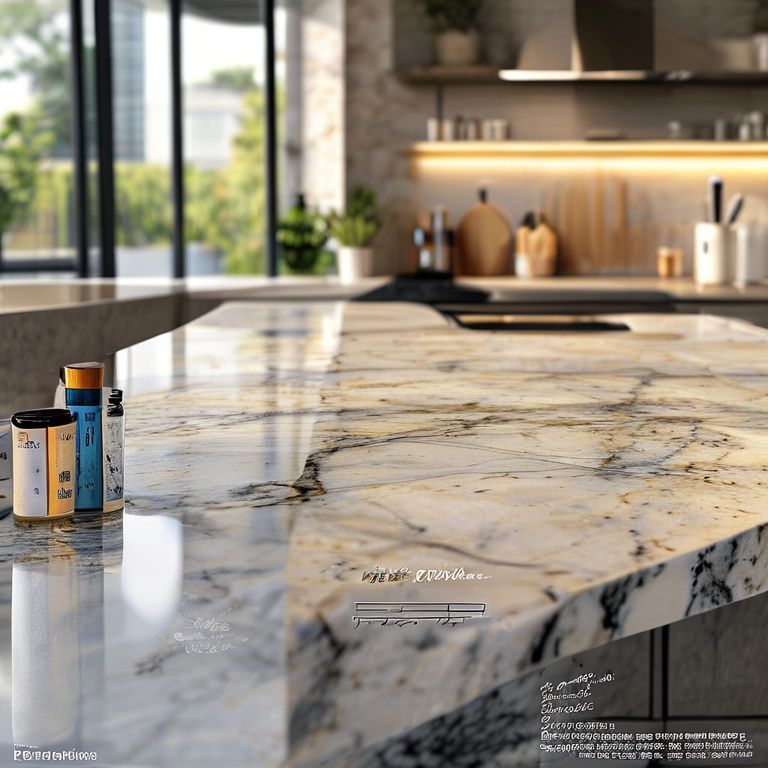
c. Size and Shape: The size and complexity of the countertop play a role in the cost. Larger and more intricately shaped countertops will require more material and labor, thus increasing the overall price.
d. Design and Color: Unique designs and rare colors can drive up the cost. Custom colors and intricate patterns require more effort and materials.
e. Labor Costs: The cost of professional installation varies depending on the complexity of the installation, the size of the space, and the location. Labor costs can make up a significant portion of the total expense.
f. Additional Costs: Sometimes, additional costs like shipping, handling, and custom cutting might be required, which can add to the total expense.
2. Price Range Overview
On average, granite countertops can range from $50 to $200 per square foot. This broad range accommodates different types and qualities of granite. Here’s a simplified breakdown:
Basic Granite: $50 – $70 per square foot Mid-Grade Granite: $70 – $100 per square foot Premium Granite: $100 – $150 per square foot Top-Tier Granite: $150 – $200 per square foot
The Long-Term Benefits of Granite Countertops
1. Aesthetic Appeal
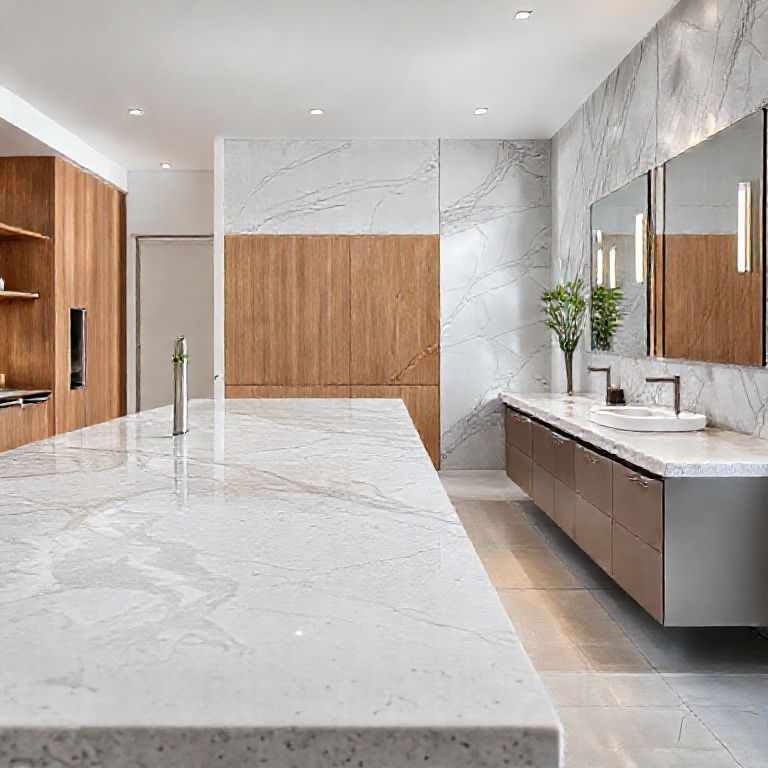
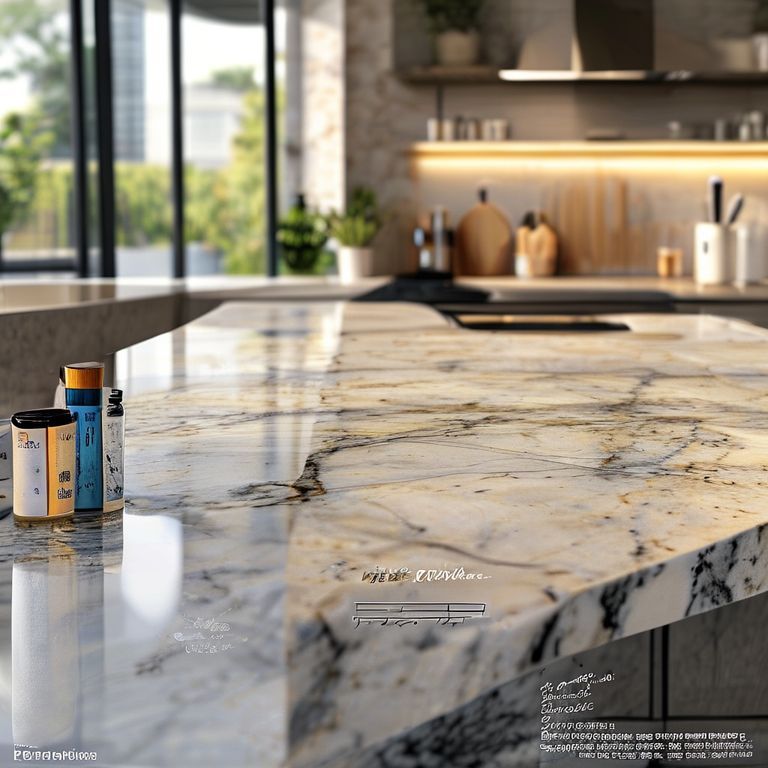
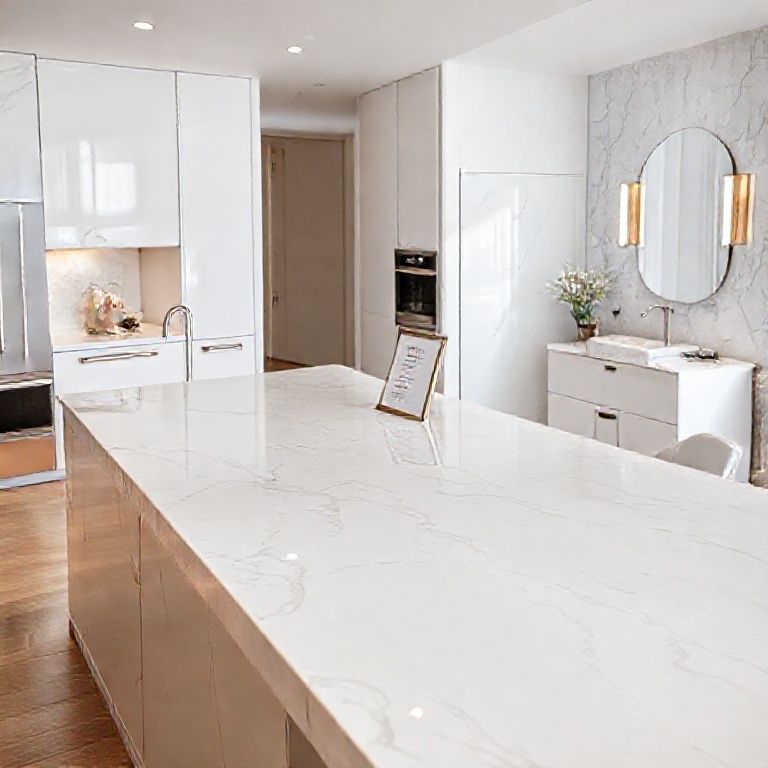
One of the most compelling reasons to choose granite countertops is their unmatched aesthetic appeal. Granite’s natural patterns and colors provide a unique and luxurious look that enhances the beauty of any kitchen or bathroom. The stone’s rich, earthy tones and intricate veining make it a timeless choice that never goes out of style.
2. Durability and Toughness
Granite countertops are known for their exceptional durability. They are one of the hardest natural stones available, which makes them highly resistant to scratches, stains, and impact. This durability translates to longevity, meaning your granite countertop can last for decades with proper care.
3. Low Maintenance
Granite countertops are relatively low-maintenance compared to other kitchen surfaces. To keep your granite looking its best, you only need to use a mild dish soap and water for cleaning. Avoiding acidic foods and using cutting pads will help prevent scratches and stains. Regular sealing is recommended to protect the stone’s natural finish.
4. Versatility
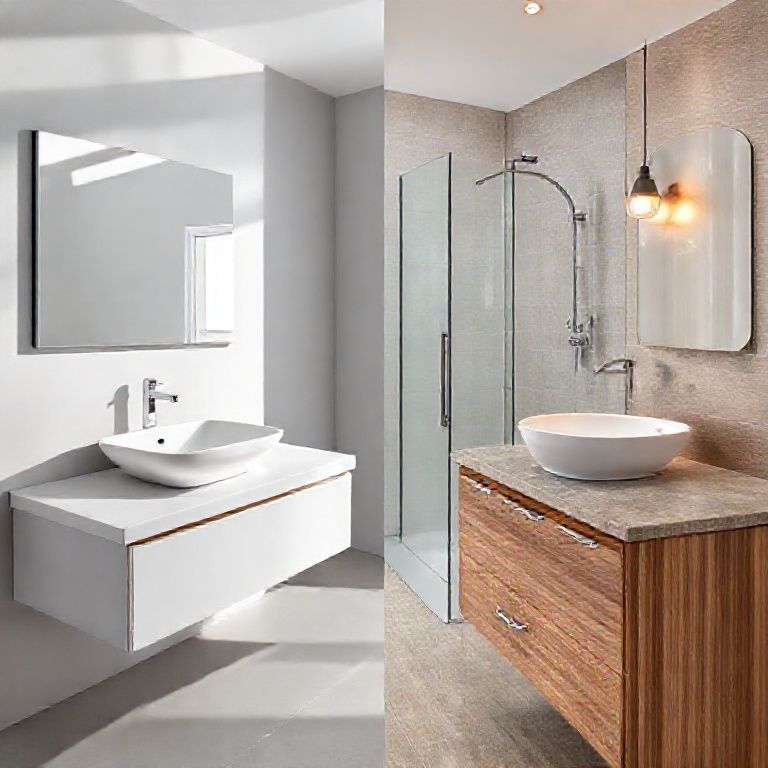
Granite can be used in a variety of settings beyond just kitchen countertops. It’s perfect for vanities, bathroom sinks, bars, and even outdoor features like patio tables and fountains. Its versatility makes it a versatile choice for various design projects.
5. Value Investment
Investing in granite countertops is not just about aesthetics; it’s also a smart value proposition. The durability and low maintenance of granite mean that you’ll save on long-term costs associated with repairs and upkeep. Additionally, granite countertops can increase the resale value of your home, making it a worthwhile investment for homeowners looking to sell in the future.
Conclusion
When considering “How much do granite countertops cost?”, it’s clear that the price can vary widely based on numerous factors. However, the benefits of choosing granite—from its stunning beauty and durability to its low maintenance and long-term value—make it a compelling choice for many. Whether you’re looking to enhance your kitchen or bathroom, granite countertops offer a premium option that combines style, functionality, and longevity. In the next part of this guide, we will delve deeper into the installation process and provide tips on selecting the perfect granite for your space.
The Ultimate Guide to Granite Countertop Installation and Selection
Having explored the cost and benefits of granite countertops, it’s time to delve into the installation process and selection process in more detail. If you’re ready to embark on your granite countertop project, this guide will provide you with all the information you need to ensure a smooth and successful installation.
Preparing for Granite Countertop Installation
1. Planning and Design
Before you begin the installation process, it’s crucial to plan and design your project. Here are some steps to consider:
a. Measure Your Space: Accurate measurements of your countertop area are essential. Use a measuring tape to determine the length, width, and height of the space where the granite will be installed. Don’t forget to measure for any cutouts for sinks, cabinets, or other fixtures.
b. Design Your Layout: Work with a designer or use design software to plan the layout of your granite countertop. Consider how the granite will look in your space and how it will complement your existing decor.
c. Choose the Right Granite: Based on your budget and design preferences, choose the type and quality of granite that best fits your needs. Consult with a granite supplier to explore different options and get samples for comparison.
2. Preparing the Surface
Proper surface preparation is vital for a successful granite countertop installation. Here’s what you need to do:
a. Remove Existing Countertops: If you’re replacing an existing countertop, carefully remove it. This may involve cutting through adhesives or removing fasteners.
b. Clean the Surface: Clean the surface thoroughly to remove any debris, grease, or residue. This ensures a clean base for the granite countertop.
c. Check for Levelness: Ensure the surface is level and even. If there are any uneven areas, make the necessary adjustments before proceeding with the installation.
The Installation Process
1. Cutting the Granite
Once you have your granite slab, it needs to be cut to the correct size for your countertop. Here’s how to do it:
a. Measure and Mark: Use a measuring tape to mark the granite where it needs to be cut. Use a pencil or marker to make clear, precise lines.
b. Cut the Granite: Use a wet saw to cut the granite along the marked lines. A wet saw is essential for making clean, precise cuts without damaging the stone. Ensure the saw blade is sharp and use plenty of water to keep the granite cool during cutting.
c. Smooth the Edges: After cutting, smooth the edges of the granite with a granite edger or a fine-grit sandpaper to avoid sharp edges.
2. Installing the Granite
With the granite cut to size, it’s time to install it on the countertop base:
a. Apply Adhesive: Use a high-quality adhesive designed for granite. Apply the adhesive to the surface where the granite will be placed. Spread it evenly using a notched trowel.
b. Position the Granite: Carefully place the granite slab onto the adhesive. Use a level to ensure it’s straight and even. Hold the granite in place for a few minutes to allow the adhesive to set.
c. Clamp and Cure: Use clamps to hold the granite in place and allow the adhesive to cure. This usually takes a few hours. Follow the adhesive manufacturer’s instructions for curing times.
d. Remove Excess
The Ultimate Guide to Granite Countertop Installation and Selection
Having explored the cost and benefits of granite countertops, it’s time to delve into the installation process and selection process in more detail. If you’re ready to embark on your granite countertop project, this guide will provide you with all the information you need to ensure a smooth and successful installation.
Preparing for Granite Countertop Installation
1. Planning and Design
Before you begin the installation process, it’s crucial to plan and design your project. Here are some steps to consider:
a. Measure Your Space: Accurate measurements of your countertop area are essential. Use a measuring tape to determine the length, width, and height of the space where the granite will be installed. Don’t forget to measure for any cutouts for sinks, cabinets, or other fixtures.
b. Design Your Layout: Work with a designer or use design software to plan the layout of your granite countertop. Consider how the granite will look in your space and how it will complement your existing decor.
c. Choose the Right Granite: Based on your budget and design preferences, choose the type and quality of granite that best fits your needs. Consult with a granite supplier to explore different options and get samples for comparison.
2. Preparing the Surface
Proper surface preparation is vital for a successful granite countertop installation. Here’s what you need to do:
a. Remove Existing Countertops: If you’re replacing an existing countertop, carefully remove it. This may involve cutting through adhesives or removing fasteners.
b. Clean the Surface: Clean the surface thoroughly to remove any debris, grease, or residue. This ensures a clean base for the granite countertop.
c. Check for Levelness: Ensure the surface is level and even. If there are any uneven areas, make the necessary adjustments before proceeding with the installation.
The Installation Process
1. Cutting the Granite
Once you have your granite slab, it needs to be cut to the correct size for your countertop. Here’s how to do it:
a. Measure and Mark: Use a measuring tape to mark the granite where it needs to be cut. Use a pencil or marker to make clear, precise lines.
b. Cut the Granite: Use a wet saw to cut the granite along the marked lines. A wet saw is essential for making clean, precise cuts without damaging the stone. Ensure the saw blade is sharp and use plenty of water to keep the granite cool during cutting.
c. Smooth the Edges: After cutting, smooth the edges of the granite with a granite edger or a fine-grit sandpaper to avoid sharp edges.
2. Installing the Granite
With the granite cut to size, it’s time to install it on the countertop base:
a. Apply Adhesive: Use a high-quality adhesive designed for granite. Apply the adhesive to the surface where the granite will be placed. Spread it evenly using a notched trowel.
b. Position the Granite: Carefully place the granite slab onto the adhesive. Use a level to ensure it’s straight and even. Hold the granite in place for a few minutes to allow the adhesive to set.
c. Clamp and Cure: Use clamps to hold the granite in place and allow the adhesive to cure. This usually takes a few hours. Follow the adhesive manufacturer’s instructions for curing times.
d. Seal the Granite: Once the adhesive has cured, it’s important to seal the granite to protect it from stains and spills. Use a granite sealer specifically designed for this purpose. Follow the manufacturer’s instructions for application and curing times.
Selecting the Perfect Granite
1. Consider Color and Pattern
Granite comes in a wide range of colors and patterns, from classic whites and grays to vibrant reds and blacks. Consider what color and pattern will best complement your kitchen or bathroom design.
a. Color: Think about the existing colors in your space and choose a granite color that either matches or contrasts nicely with them. Neutral colors like grays and tans often work well in any setting, while bold colors can make a striking statement.
b. Pattern: Granite’s unique patterns can add character and visual interest to your countertop. Look for patterns that complement your overall design aesthetic.
2. Evaluate Quality and Grade
The quality and grade of the granite will affect its appearance, durability, and price. Higher grades of granite are more refined and free of imperfections, making them more visually appealing and durable.
a. Quality: Look for granite with minimal visible veins, spots, or fractures. High-quality granite will have a more uniform appearance and better resistance to scratches and stains.
b. Grade: Consult with a granite specialist to understand the different grades and their implications for your project.
3. Budget Considerations
While premium granite can offer stunning beauty and durability, it also comes with a higher price tag. Set a realistic budget and consider the long-term value and maintenance of the granite.
a. Premium vs. Mid-Grade: Premium granite typically costs more due to its superior quality and unique patterns. Mid-grade granite offers a good balance of beauty and affordability.
b. Additional Costs: Be aware of additional costs like installation, shipping, and custom cutting that can impact the overall price.
Conclusion
Installing granite countertops is a significant investment that offers both beauty and durability. By carefully planning your project, preparing the surface, and selecting the right type and quality of granite, you can ensure a successful and long-lasting installation. Whether you’re looking for a luxurious kitchen upgrade or a stunning bathroom feature, granite countertops provide a timeless and high-value choice. In the next part of this guide, we will explore maintenance tips and how to keep your granite countertops looking their best over time.
By following this comprehensive guide, you’ll be well-equipped to navigate the world of granite countertops, from cost considerations to installation and selection, ensuring a successful and satisfying project outcome.