${part1}
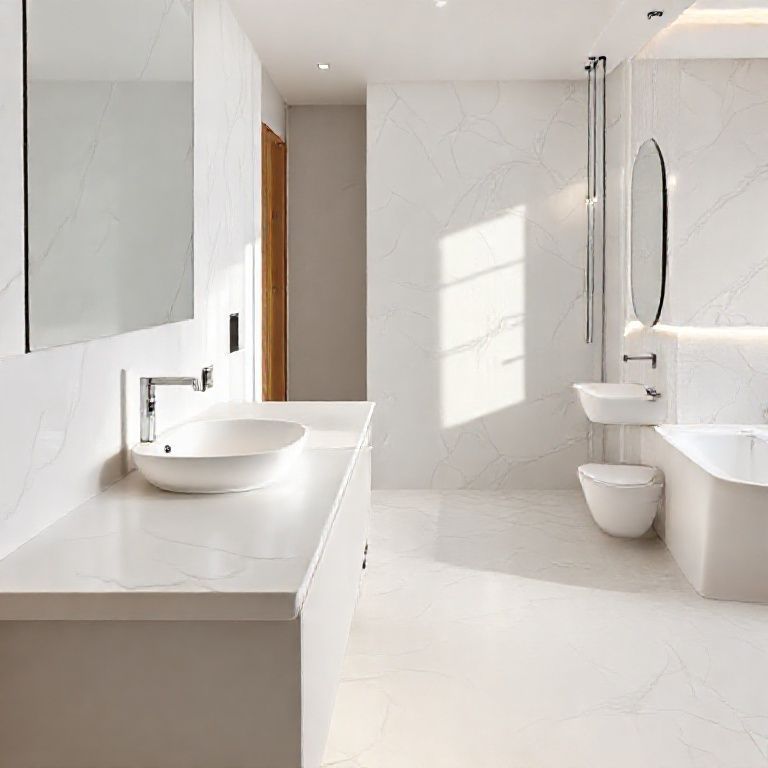
In the realm of luxury home renovation, marble stands as a symbol of elegance and timeless beauty. Among the various options available, 3cm marble tiles have emerged as a preferred choice for many due to their exquisite finish and durability. However, understanding the “3cm marble cost per square meter” is crucial for making informed decisions and budgeting effectively. This article delves into the multifaceted factors influencing the pricing of 3cm marble flooring, the inherent benefits of marble, and provides valuable tips for securing the best deals.
Understanding the Pricing Factors:
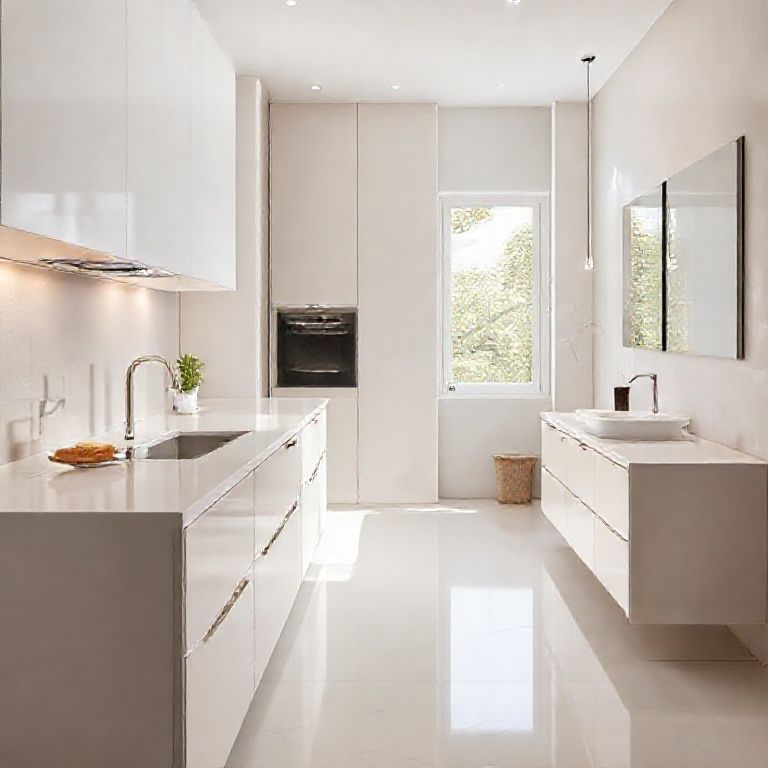
When it comes to marble flooring, several factors influence the cost per square meter. The primary determinant is the type of marble selected. Marble comes in various grades, from budget-friendly options to ultra-premium varieties. Popular marble types like Carrara, Travertine, and Onyx significantly impact the cost. Carrara marble, renowned for its pristine white color and fine grain, typically commands a higher price compared to Travertine or cheaper alternatives.
Quality and Origin:
The quality and origin of marble play pivotal roles in pricing. Marble sourced from renowned quarries such as Italy, Spain, and Turkey tends to be more expensive due to the meticulous craftsmanship and superior quality. High-grade marble with fewer impurities and more uniform coloring will naturally cost more. Additionally, the marble’s finish—whether it’s polished, honed, or textured—affects the price. Polished marble, with its glossy finish, often costs more due to the labor-intensive process involved.
Installation Costs:
The cost of installation is another crucial factor to consider. Marble flooring requires specialized installation techniques to ensure longevity and aesthetic appeal. The complexity of the installation process, including the subfloor preparation and the type of adhesive used, can significantly influence the overall cost. Professional installation by experienced contractors ensures a seamless and durable finish, justifying the additional expense.
Labor Costs:
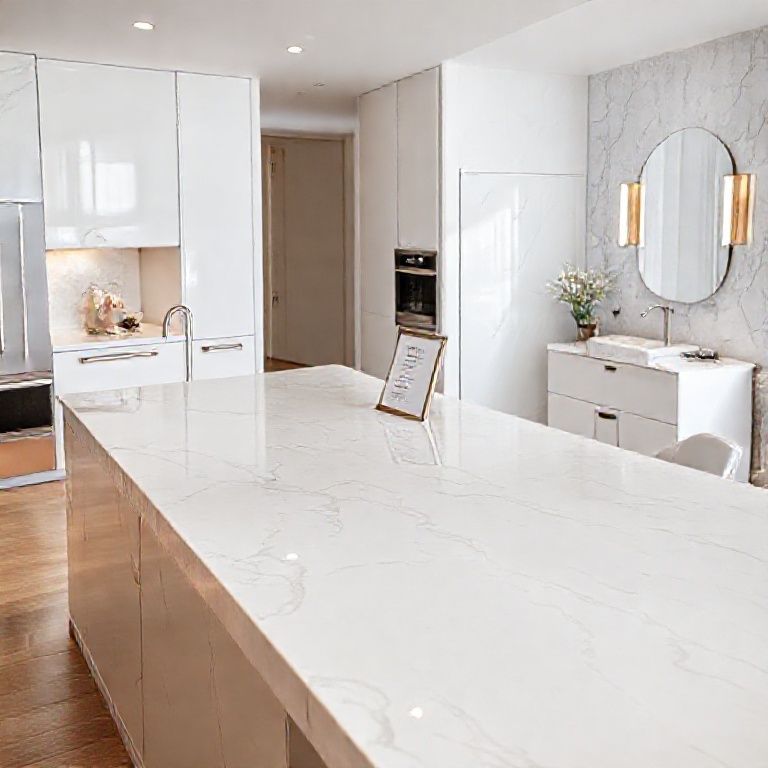
Labor costs vary based on the geographical location and the expertise of the craftsmen. In urban centers with high demand for marble flooring, labor costs might be higher compared to rural areas. Additionally, the skill level of the laborer plays a vital role. Highly skilled artisans who can achieve a flawless installation will charge more than those with less expertise.
Benefits of Marble Flooring:
Marble flooring offers an array of benefits that make it a compelling choice for luxury home renovations. One of the most striking advantages is its timeless elegance. Marble’s natural beauty and versatility allow it to complement various design styles, from traditional to modern.
Durability:
Marble is renowned for its durability and resilience. While it is a natural stone, marble can withstand significant wear and tear, making it ideal for high-traffic areas. Its hardness ensures that it remains scratch-resistant and retains its beauty over years.
Low Maintenance:
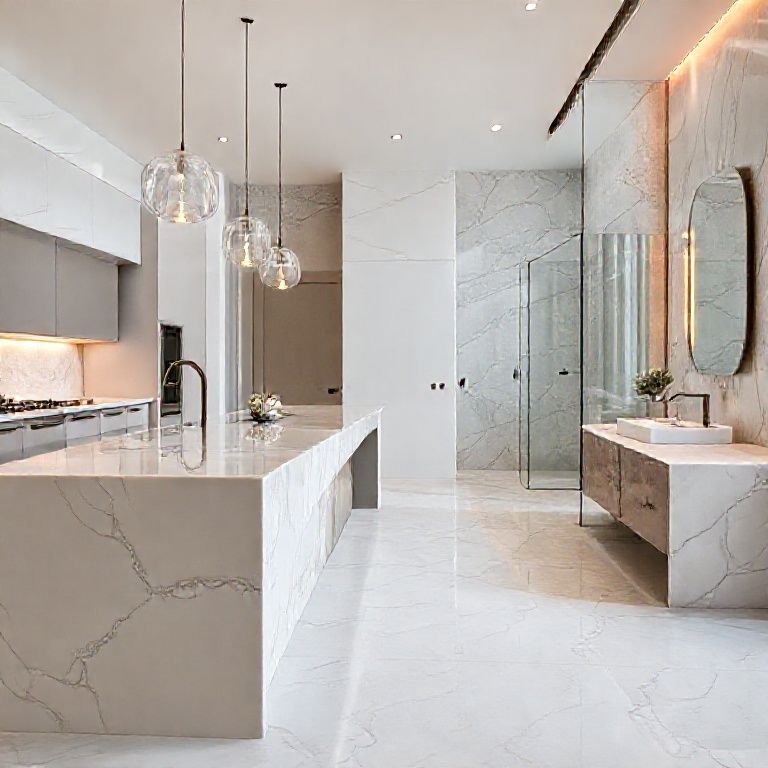
Marble flooring is relatively low-maintenance compared to other types of flooring. Regular cleaning with a soft cloth and mild detergent is sufficient to maintain its pristine look. Avoiding acidic cleaners is crucial to prevent damage to the marble surface.
Hygienic:
Marble’s non-porous surface makes it hygienic and easy to clean. Unlike wood or carpet, marble does not trap dirt or bacteria, making it an excellent choice for kitchens, bathrooms, and other high-moisture areas.
Aesthetic Appeal:
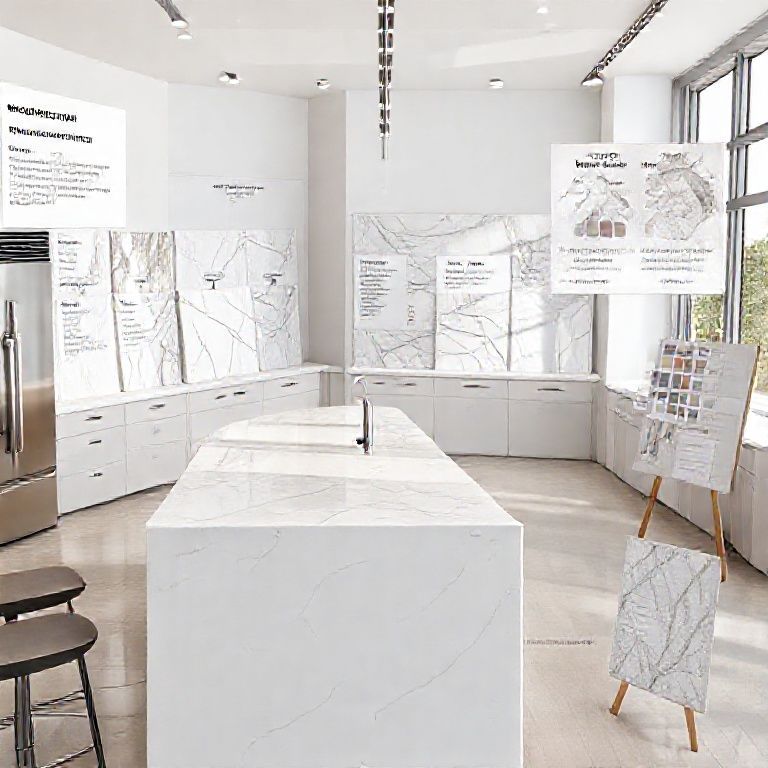
The natural veining and color variations in marble add a unique and aesthetic appeal to any space. Marble’s beauty lies in its natural imperfections, which contribute to its charm and individuality.
Tips to Secure the Best Deals:
While marble flooring is an investment, there are ways to secure the best deals without compromising on quality.
Research and Compare:
Extensive research and comparison of different suppliers and contractors are essential. Look for reputable suppliers with a proven track record and positive customer reviews. Comparing quotes from multiple sources will help you identify the best price without sacrificing quality.
Seasonal Sales and Discounts:
Marble suppliers often offer seasonal sales and discounts, especially during off-peak seasons. Planning your renovation project during these times can lead to significant savings.
Bulk Purchases:
Purchasing marble in bulk can often result in lower costs per square meter. Discuss with suppliers about bulk discounts to maximize your budget.
Quality vs. Cost:
Balancing quality and cost is crucial. While premium marble varieties offer superior aesthetics and durability, opting for a mid-grade option might be a cost-effective solution for certain areas of the home.
Negotiate:
Don’t hesitate to negotiate with suppliers and contractors. A good rapport and clear communication can lead to better deals and customized offers.
Conclusion:
In conclusion, understanding the “3cm marble cost per square meter” involves a comprehensive analysis of various influencing factors, including marble type, quality, origin, installation, and labor costs. Marble flooring stands out for its timeless elegance, durability, low maintenance, and hygienic properties. By conducting thorough research, leveraging seasonal discounts, and negotiating effectively, you can secure the best deals on high-quality marble flooring to enhance the beauty and value of your home.
${part2}
Exploring the Nuances of Marble Selection:
Choosing the right marble for your flooring project is a decision that should not be taken lightly. The type of marble you select will significantly impact the overall cost and aesthetic of your space. Let’s delve deeper into the nuances of marble selection and how to make the best choice for your home renovation.
Popular Marble Types and Their Characteristics:
Carrara Marble:
Carrara marble, hailing from the marble quarries of Carrara, Italy, is synonymous with luxury and high quality. Known for its pure white color and fine grain, Carrara marble is a popular choice for high-end projects. Its cost per square meter is higher due to its superior quality and the intricate quarrying process involved.
Travertine Marble:
Travertine marble is a versatile and affordable alternative to Carrara. Originating from the Roman Empire’s quarries, Travertine is characterized by its natural, often geometric patterns. It comes in various colors, including shades of beige, cream, and pink. While Travertine is more budget-friendly, it still offers excellent durability and aesthetic appeal.
Onyx Marble:
Onyx marble, known for its striking black and white veining, is another popular choice. This type of marble is highly durable and easy to maintain. Onyx is available in various colors and patterns, making it a versatile option for different design preferences. While it is generally more affordable than Carrara, its cost can vary based on the specific color and veining.
Benefits of Different Marble Types:
Carrara Marble:
Elegance: Carrara marble exudes a sense of elegance and sophistication, making it a favorite for high-end projects. Durability: Despite its cost, Carrara marble is highly durable and can withstand significant wear and tear. Low Maintenance: Its polished finish is easy to clean and maintain, requiring minimal effort to keep it looking pristine.
Travertine Marble:
Affordability: Travertine offers an excellent balance of affordability and aesthetic appeal. Versatility: Its natural patterns and various colors make it suitable for a wide range of design styles. Durability: Travertine is durable and can handle heavy foot traffic, making it ideal for high-traffic areas.
Onyx Marble:
Unique Patterns: Onyx’s striking black and white veining provides a unique and eye-catching appearance. Durability: Known for its durability, Onyx can withstand significant wear and tear. Low Maintenance: Onyx’s polished finish is easy to clean and maintain, ensuring it remains beautiful with minimal effort.
Installation Techniques and Their Impact on Cost:
The installation technique used for marble flooring can significantly impact the overall cost. Here are some common techniques and their cost implications:
Traditional Mortar Method:
The traditional mortar method involves applying a layer of adhesive mortar to the subfloor and then laying the marble tiles. This method is labor-intensive and requires careful alignment and cutting of tiles to ensure a seamless finish. The cost per square meter can vary based on the complexity of the installation and the skill level of the laborer.
Glue-Down Method:
The glue-down method uses a thin layer of adhesive to secure the marble tiles directly to the subfloor. This method is quicker and less labor-intensive compared to the traditional mortar method. However, it may not be suitable for all types of subfloors, especially those that are uneven or have significant moisture issues. The cost per square meter for this method is generally lower than the traditional mortar method.
Click-Lock Method:
The click-lock method involves using interlocking tiles that click together without the need for adhesive. This method is the fastest and least labor-intensive, making it a cost-effective option. However, it may not be suitable for all types of marble andClick-Lock Method:
The click-lock method involves using interlocking tiles that click together without the need for adhesive. This method is the fastest and least labor-intensive, making it a cost-effective option. However, it may not be suitable for all types of marble and
Design Considerations:
When selecting marble for your flooring project, it’s essential to consider the design and layout of your space. The type of marble you choose should complement the overall aesthetic and functionality of your home. Here are some design considerations to keep in mind:
Color and Pattern:
The color and pattern of the marble can significantly impact the visual appeal of your space. Lighter colors tend to make a room feel more spacious, while darker colors can add warmth and richness. Consider the existing color scheme and furniture in your home when selecting marble.
Room Size and Layout:
The size and layout of the room will also influence your choice of marble. Larger rooms can accommodate more intricate and bold patterns, while smaller rooms may benefit from more subtle and uniform designs. The flow of the space and the placement of the marble can enhance or detract from the overall design.
Functionality:
Consider the functionality of the space when choosing marble. High-traffic areas like kitchens and hallways require durable and easy-to-maintain flooring. Marble’s durability and low maintenance make it an excellent choice for these areas. For low-traffic areas, you can opt for more decorative and visually appealing marble.
Installation Tips:
To ensure a successful marble flooring installation, follow these tips:
Subfloor Preparation:
A well-prepared subfloor is crucial for a successful marble installation. The subfloor should be clean, dry, and level. Any uneven areas should be addressed before laying the marble tiles.
Proper Adhesive:
Use a high-quality adhesive recommended for marble flooring. The adhesive should provide adequate grip and adhesion to ensure the tiles stay in place. Follow the manufacturer’s instructions for application and curing time.
Tile Cutting and Alignment:
Accurate cutting and alignment of the marble tiles are essential for a seamless finish. Use a high-quality tile cutter and a straight edge to ensure straight cuts. For complex layouts, consider using a tile spacer to maintain consistent gaps between tiles.
Sealing and Maintenance:
After installation, seal the marble flooring to protect it from stains and moisture. Regular maintenance, such as cleaning with mild detergent and avoiding acidic cleaners, will help maintain the beauty and longevity of your marble flooring.
Conclusion:
Choosing the right 3cm marble for your flooring project involves understanding the various factors that influence cost and quality. By considering the type of marble, installation techniques, design considerations, and installation tips, you can make an informed decision that enhances the beauty and functionality of your space. Whether you opt for the elegance of Carrara, the affordability of Travertine, or the striking patterns of Onyx, marble flooring offers a timeless and luxurious addition to any home.
Remember, investing in quality marble flooring not only elevates the aesthetic of your home but also provides durability and low maintenance, making it a worthwhile investment for years to come.