Introduction to Marble Pricing
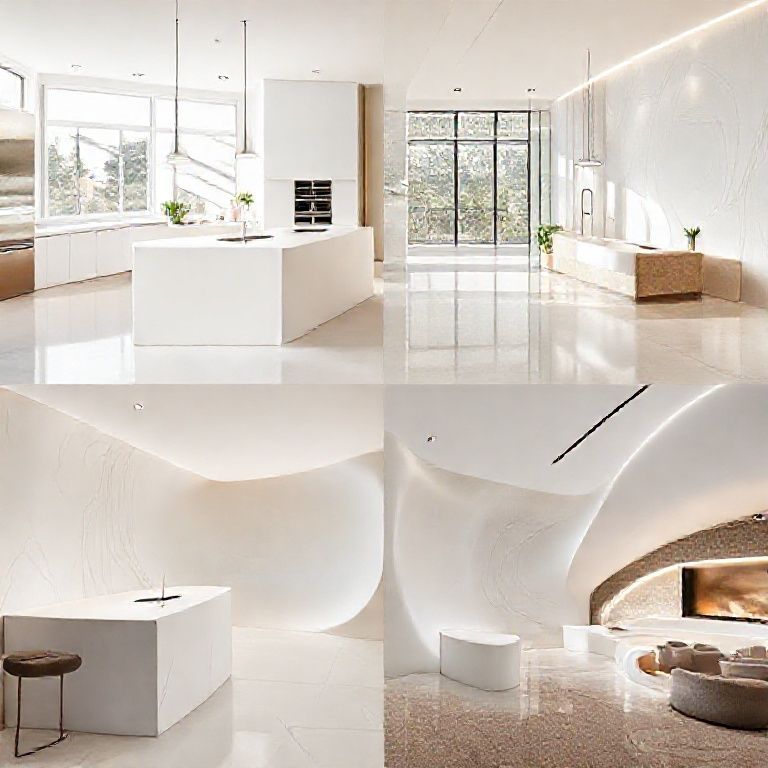
Marble, a timeless classic in the world of natural stone, continues to captivate with its stunning beauty and versatile applications. However, the allure of marble’s elegance comes at a price, and understanding the cost per cubic meter of marble is crucial for anyone planning to use this exquisite material in their projects. This first part of our guide will explore the primary factors influencing marble pricing and delve into the various types and qualities of marble available in the market today.

Factors Affecting Marble Pricing
The cost of marble per cubic meter can vary significantly based on several key factors. These include the type of marble, its quality, the region of origin, the intricacy of the design, and the demand for specific colors and patterns. Let’s break down these elements to provide a clearer picture of what influences marble prices.
1. Type of Marble
Marble comes in a plethora of varieties, each with its unique characteristics and price points. Here are some of the most popular types:
Italian Marble: Renowned for its fine grain and classic beauty, Italian marble such as Carrara and Botticino is highly sought after. These varieties are often more expensive due to their prestige and superior quality. Indian Marble: India is a leading producer of marble, offering a wide range of colors and patterns. Types like Makrana and Kalpaka are popular choices for their affordability and stunning aesthetic appeal. Turkish Marble: Known for its rich colors and unique veining, Turkish marble like Sivas and Dibekli is favored in many high-end projects. Chinese Marble: China has emerged as a significant player in the marble industry, offering various types like Hengshan and Foshan, which are both cost-effective and of good quality.
2. Quality and Veining
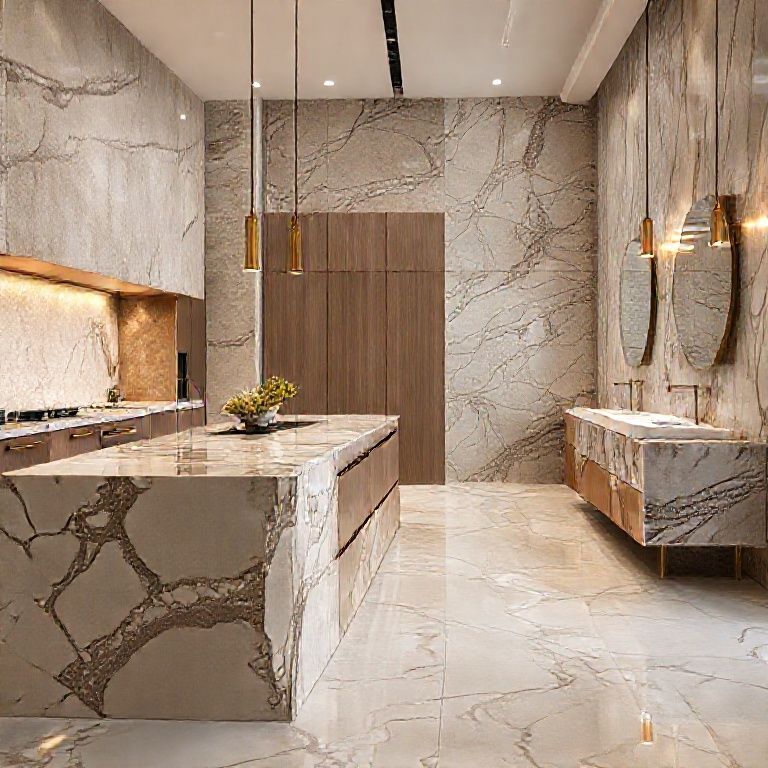
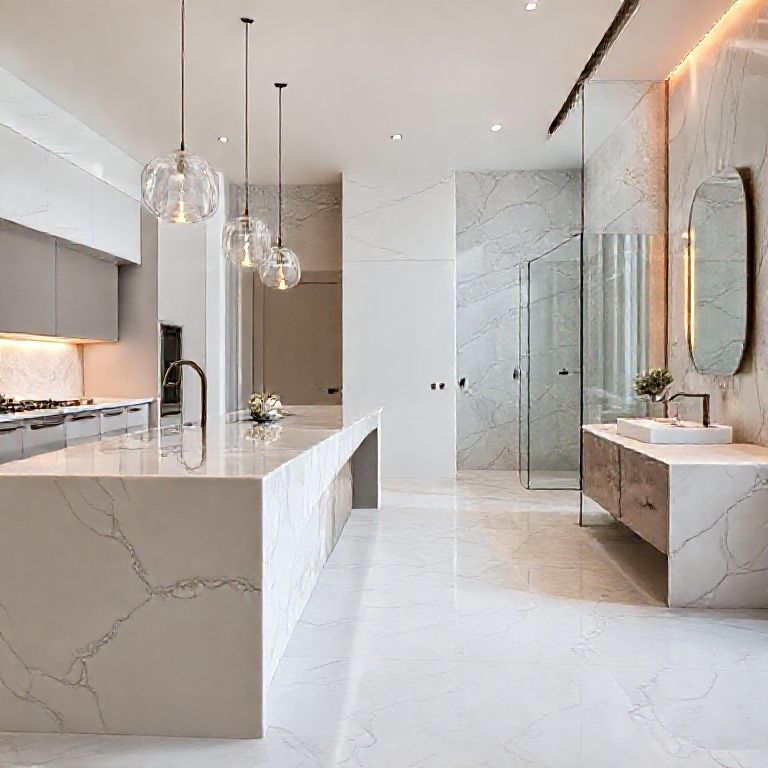
The quality of marble is another critical factor that determines its price per cubic meter. Marble with finer grains and less visible veins is generally more expensive. The presence of intricate veining, while aesthetically pleasing, can also affect the cost. Highly veined marble, often referred to as “veined marble,” is typically more costly due to the added labor and precision required for its installation.
3. Region of Origin
The region where marble is sourced can significantly impact its cost. Marble from countries with established reputations for high-quality stone, such as Italy and Turkey, tends to be more expensive. Conversely, marble from regions where the industry is rapidly growing, like China and India, may offer more affordable options without compromising on quality.
4. Design Complexity
The complexity of the marble design also plays a role in its pricing. Marble used for intricate designs, such as mosaics or detailed carvings, will generally cost more than plain, solid marble slabs due to the additional time and skill required for cutting and installation.
5. Demand and Supply
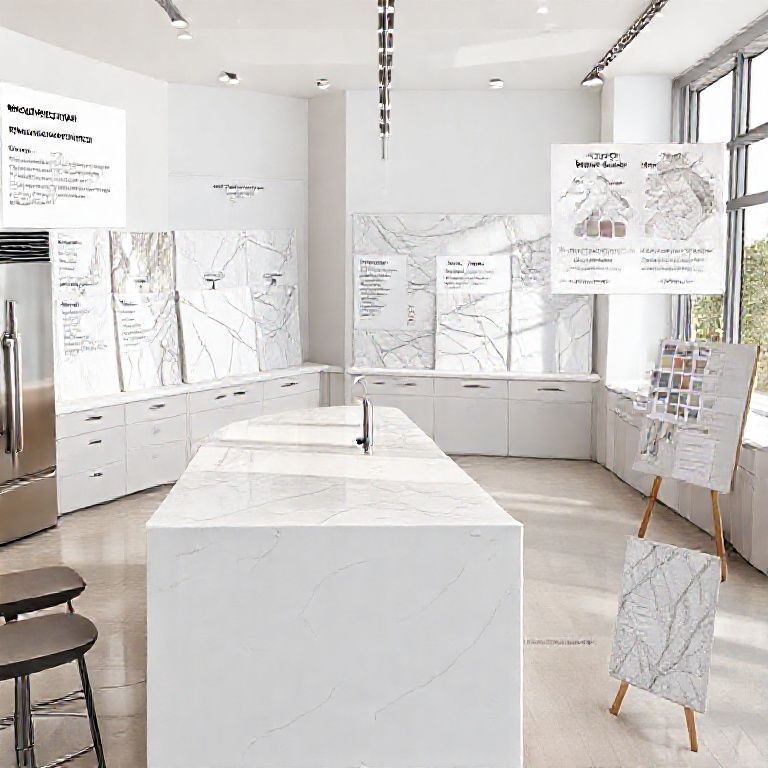
The demand for specific marble colors and patterns can also drive up prices. If a particular type of marble is in high demand, its cost per cubic meter may increase. Conversely, if a marble type is oversupplied, prices may drop.
Popular Marble Types and Their Pricing
To give you a clearer idea of the cost per cubic meter for different types of marble, here are some approximate price ranges:
Italian Marble (Carrara, Botticino): $200 – $400 per cubic meter Indian Marble (Makrana, Kalpaka): $100 – $250 per cubic meter Turkish Marble (Sivas, Dibekli): $150 – $350 per cubic meter Chinese Marble (Hengshan, Foshan): $80 – $200 per cubic meter
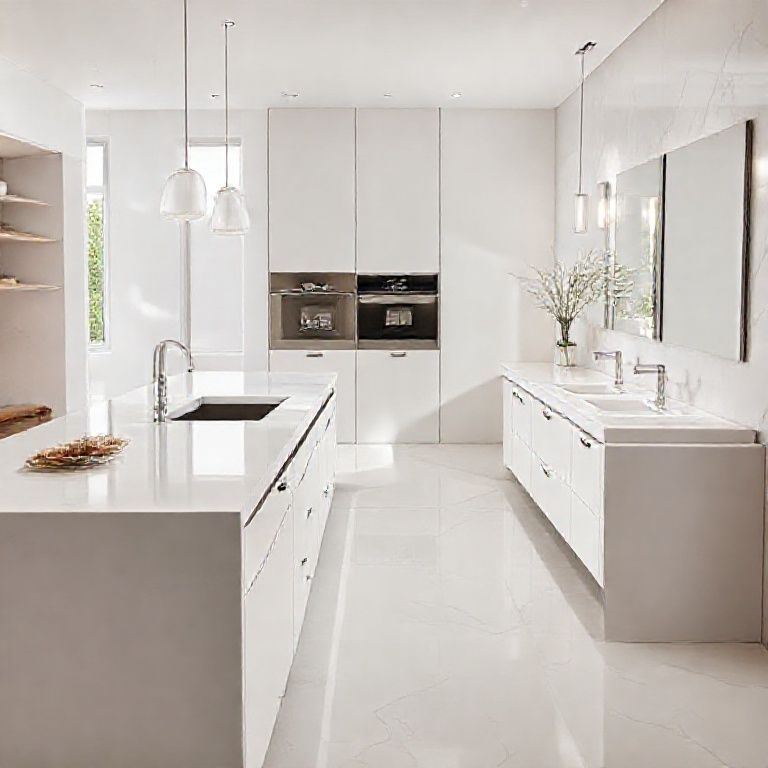
These price ranges are approximate and can vary based on the aforementioned factors. It’s always best to get a quote from a reputable marble supplier to get an accurate estimate.
Conclusion
Understanding the factors that influence the cost of marble per cubic meter is essential for making informed purchasing decisions. By considering the type, quality, region of origin, design complexity, and demand, you can better navigate the diverse world of marble and select the perfect material for your project. In the next part of this guide, we will delve deeper into the regional price differences, the significance of marble certifications, and expert tips for selecting and installing marble.
Regional Price Differences and Marble Selection
In this second part of our comprehensive guide, we will explore the regional price differences of marble, the importance of marble certifications, and offer expert tips on selecting and installing marble to ensure you get the best value and quality for your investment.
Regional Price Differences
Marble prices can vary widely depending on the region where it is sourced and sold. Here’s a closer look at how regional differences impact marble pricing:
1. Europe
Europe, particularly Italy, is renowned for producing some of the highest-quality marble. The cost per cubic meter of marble from this region is generally higher due to its reputation and the meticulous craftsmanship involved. Italian marble, such as Carrara and Botticino, often commands premium prices. However, European marble is known for its durability and timeless beauty, making it a worthwhile investment for many projects.
2. Asia
Asia, especially India and China, has become a major player in the marble industry. These regions offer a wide range of marble types at various price points, often making them more affordable compared to European marble. Indian marble like Makrana and Kalpaka, and Chinese marble such as Hengshan and Foshan, provide excellent quality at lower costs, making them popular choices for large-scale projects and budget-conscious buyers.
3. North America
In North America, marble prices tend to reflect a mix of regional sourcing and import costs. High-quality marble from Italy and Turkey is available, but at a higher cost compared to domestic alternatives. Domestic marble from the United States, though less common, offers a more economical option for local projects. However, the quality may not always match that of imported marble.
4. Middle East
Turkey, a leading producer of marble, offers a variety of high-quality marble types at competitive prices. Marble from this region, such as Sivas and Dibekli, is known for its rich colors and intricate veining, often making it a favorite among designers and architects. The proximity to Europe also means that shipping costs are relatively low, further enhancing its affordability.
Marble Certifications and Quality Assurance
When selecting marble, it’s crucial to consider its quality and the certifications that ensure its authenticity and durability. Here are some key certifications to look for:
1. GIA (Gemological Institute of America)
The GIA certification confirms the authenticity of marble and other natural stones. It provides detailed information about the stone’s characteristics, including its type, color, and clarity, ensuring that you receive a genuine product.
2. ISO Certification
3. FSC Certification
The Forest Stewardship Council (FSC) certification ensures that marble is sourced from sustainable and responsibly managed sources. This certification is particularly important for environmentally conscious buyers who want to support sustainable practices.
Expert Tips for Selecting Marble
Selecting the right marble for your project involves careful consideration of several factors to ensure you achieve the best value and quality. Here are some expert tips to guide you:
1. Define Your Project Needs
Begin by clearly defining your project requirements. Consider the size, scale, and intended use of the marble. Whether it’s for flooring, countertops, or decorative elements, understanding your specific needs will help you choose the right type and quality of marble.
2. Consider Aesthetics and Maintenance
Marble is available in a wide range of colors, patterns, and finishes. Choose a marble that not only meets your aesthetic goals but also aligns with the maintenance requirements of your project. Marble can be polished to a high sheen, but it also requires regular sealing to prevent stains and damage.
3. Get Multiple Quotes
To ensure you’re getting the best price, obtain quotes from multiple reputable suppliers. Compare not only the cost per cubic meter but also the quality, delivery times, and any additional fees for installation or customization.
4. Inspect Samples
Before committing to a large order, request samples of the marble you’re considering. Inspect the samples closely to evaluate the quality, veining, and overall appearance. This step can help you make an informed decision and avoid any potential issues down the line.
5. Consider Sustainability
If sustainability is a priority for your project, look for marble that has been sourced from certified sustainable quarries. This ensures that the marble is harvested in an environmentally responsible manner, supporting both ecological and ethical standards.
Installation and Maintenance Tips
Once you’ve selected the perfect marble for your project, proper installation and maintenance areInstallation and Maintenance Tips
Proper installation and maintenance of marble are crucial to ensure its longevity and beauty. Here are some expert tips to guide you through the process:
1. Professional Installation
While marble is a durable material, its installation requires skill and expertise. It’s best to hire a professional marble installer who has experience working with the specific type of marble you’ve chosen. They will ensure that the marble is cut, placed, and secured correctly, minimizing the risk of damage and ensuring a flawless finish.
2. Proper Sealing
Marble is naturally porous, which means it can absorb stains and liquids. To protect your marble surfaces, it’s essential to seal them regularly. Use a high-quality marble sealant that provides a protective barrier against spills, stains, and everyday wear. Follow the manufacturer’s instructions for application and maintenance to keep your marble looking pristine.
3. Regular Cleaning
Cleaning marble surfaces requires gentle care. Use a soft cloth and a pH-neutral cleaner specifically designed for marble. Avoid using harsh chemicals or abrasive cleaners that can damage the surface. For routine cleaning, a simple mixture of water and vinegar or a commercial marble cleaner will suffice. Always test the cleaner on a small, inconspicuous area first to ensure it doesn’t cause discoloration.
4. Avoiding Heat Sources
Marble can be affected by heat and direct sunlight. To prevent discoloration and potential cracking, avoid placing heat sources like candles, lamps, or cooking appliances directly on marble surfaces. If possible, use heat-resistant pads or coasters to protect the marble from direct heat.
5. Immediate Spill Management
Marble can be damaged by spills, especially acidic ones like wine, juice, or coffee. If a spill occurs, it’s important to act quickly. Blot the spill with a clean, dry cloth to absorb as much liquid as possible. Avoid rubbing the surface, as this can spread the stain. Immediately apply a marble cleaner and sealant to the affected area to prevent further damage.
6. Regular Inspection
Regularly inspect your marble surfaces for any signs of damage, such as scratches, chips, or stains. Address any issues promptly to prevent them from worsening. If a piece of marble is damaged, a professional can often repair it through techniques like epoxy resin filling or resurfacing.
7. Humidity Control
Marble is sensitive to changes in humidity and temperature. Fluctuations can cause the marble to expand or contract, potentially leading to cracks or other damage. Maintain a stable indoor environment to protect your marble from these risks.
Conclusion
Marble is a luxurious and versatile material that can elevate the aesthetic of any space. By understanding the factors that influence its cost per cubic meter, considering regional price differences, and ensuring proper selection, installation, and maintenance, you can enjoy the beauty and durability of marble for years to come. Whether you’re a homeowner, designer, or contractor, the insights provided in this guide will help you make informed decisions and achieve stunning results with your marble projects.