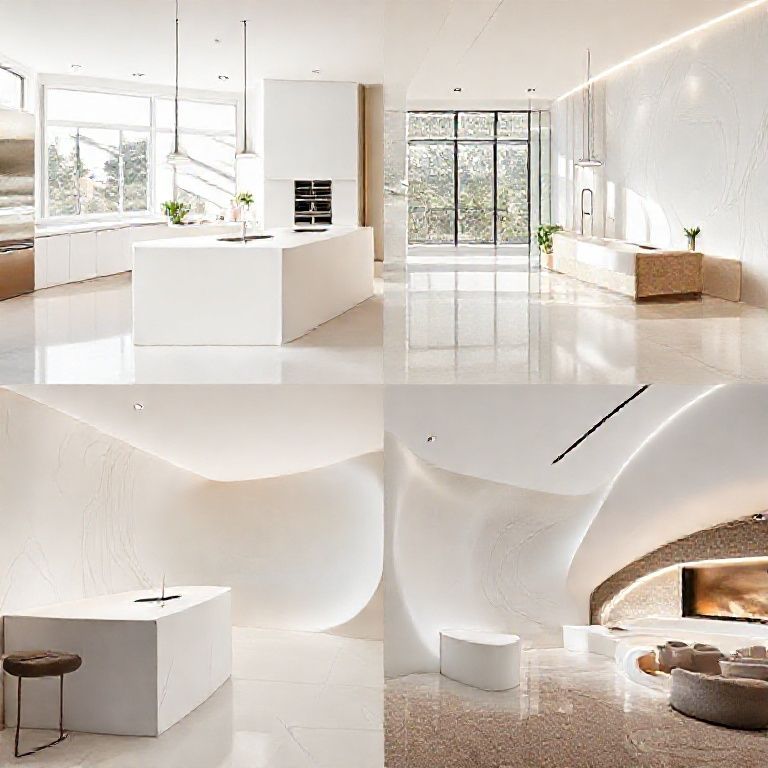
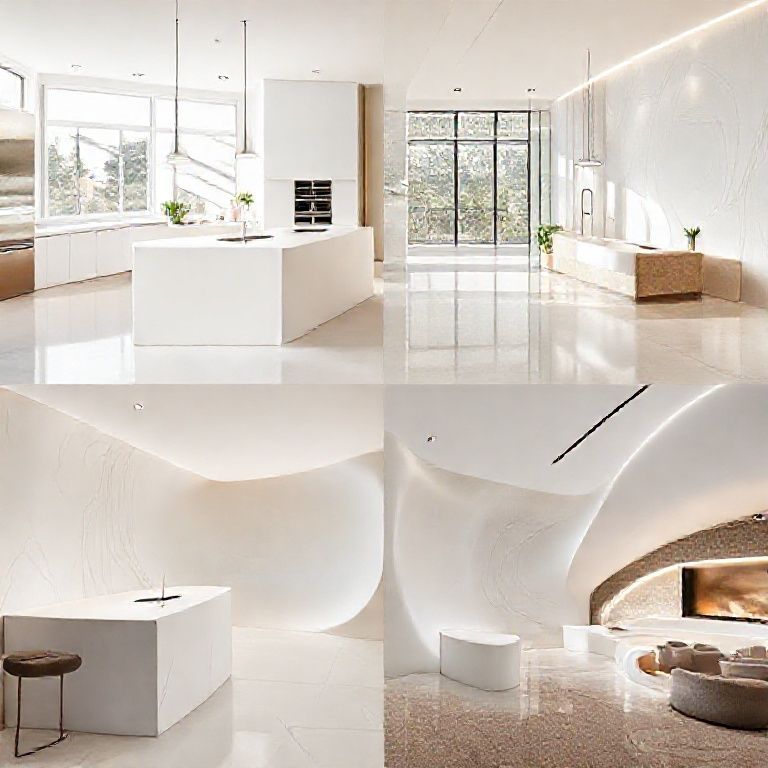
Understanding Marble Pricing Factors
In the realm of luxury and timeless elegance, marble stands as a testament to sophistication and beauty. Whether you’re considering marble for your home or commercial spaces, understanding the price per square meter is essential. This first part will cover the various factors influencing marble prices, providing a detailed insight into what makes marble a coveted choice for many.

What Determines Marble Price per Square Meter?
The cost of marble per square meter can vary widely based on several key factors. Let’s break down these elements to understand the intricacies behind marble pricing.
1. Marble Type and Quality
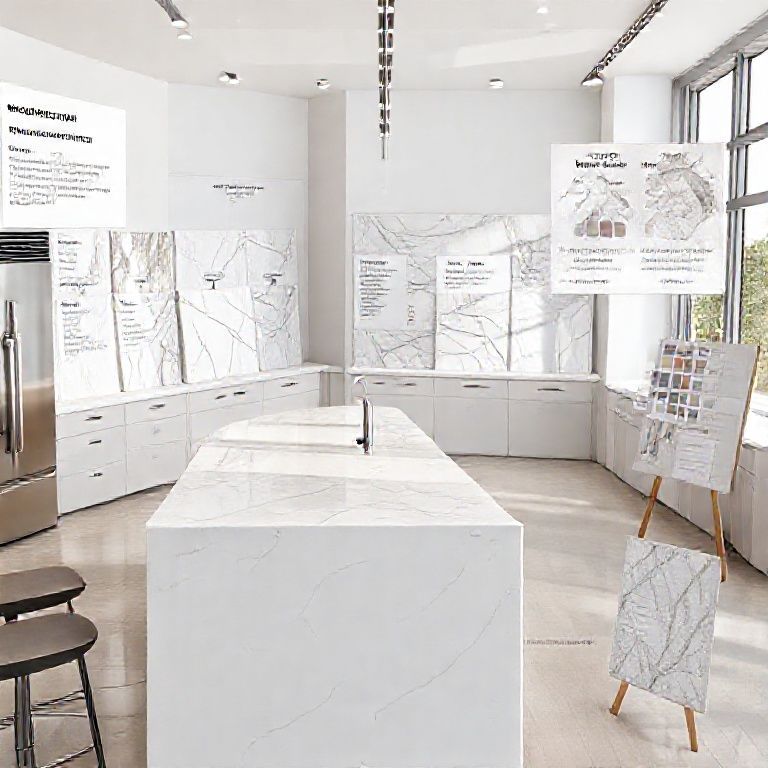
The type of marble and its quality are primary determinants of its price. Marble comes in various types, each offering unique colors, patterns, and finishes. Here’s a look at some popular marble varieties and their price ranges:
Italian Marble: Known for its superior quality, Italian marble such as Carrara, Botticino, and Marquina is often the most expensive due to its rarity and exquisite finish.
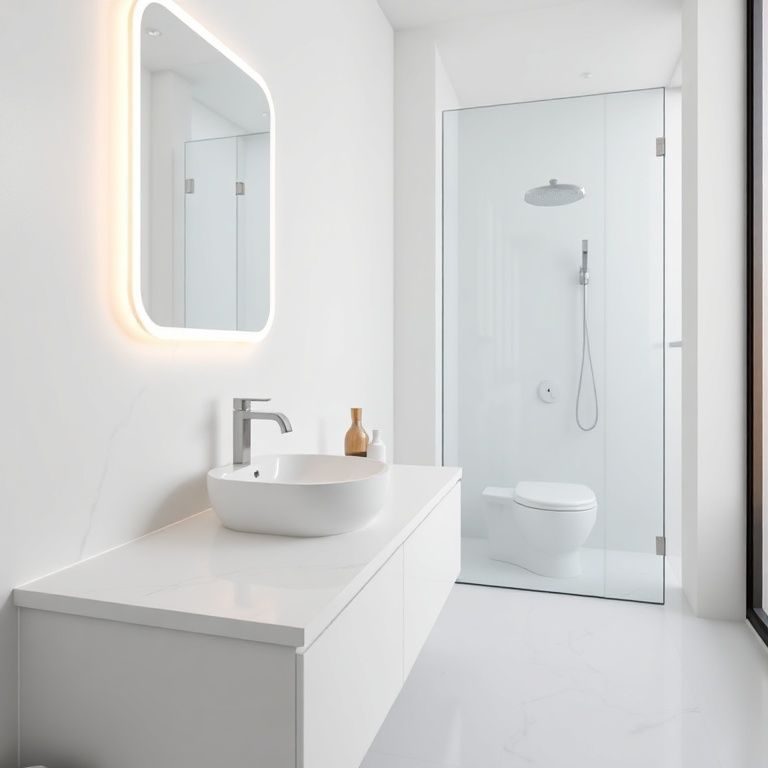
Price Range: $100 – $300 per square meter.
Indian Marble: Indian marble is renowned for its vibrant colors and patterns. Varieties like Kandur, Imperial Red, and Rajpur offer stunning aesthetics at a relatively lower price.
Price Range: $40 – $120 per square meter.
Chinese Marble: Chinese marble is known for its affordability and wide range of colors. Types like Hengshan, Lingnan, and Yunnan marble are popular choices for budget-conscious buyers.
Price Range: $20 – $80 per square meter.
2. Color and Pattern
The color and pattern of marble play a significant role in its price. Marble with rare and unique colors, intricate veining, and striking patterns command higher prices. For instance, marble with unique veining or a specific shade might cost more than a standard, uniform color.
3. Grade and Finish
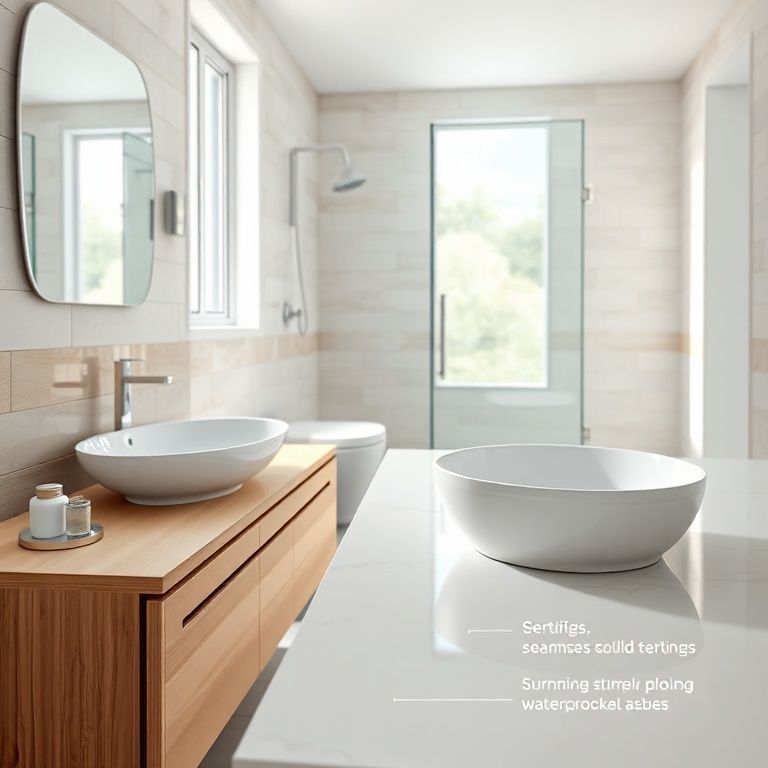
Marble is graded based on its purity and the absence of impurities such as stains and inclusions. Higher-grade marble, which is more pure and flawless, is naturally more expensive. Additionally, the finish of the marble—whether it’s polished, honed, or natural—affects its price. Polished marble, which has a glossy finish, tends to be more expensive due to the additional labor required to achieve this look.
4. Processing and Fabrication Costs
The cost of cutting, shaping, and installing marble also influences its overall price per square meter. Marble that requires complex cuts or intricate designs will generally be more expensive. Moreover, the method of fabrication, whether it’s custom-cut or pre-cut, affects the cost. Custom-cut marble for unique shapes or sizes will usually cost more than standard, pre-cut pieces.
5. Geographical Location
The location where marble is sourced and installed also impacts its cost. Marble that needs to be imported from distant countries, especially luxury marble from Italy or Spain, will have higher transportation costs. Similarly, the cost of installation can vary based on the location of the project, with urban areas typically charging more due to higher labor costs.
6. Market Demand and Supply
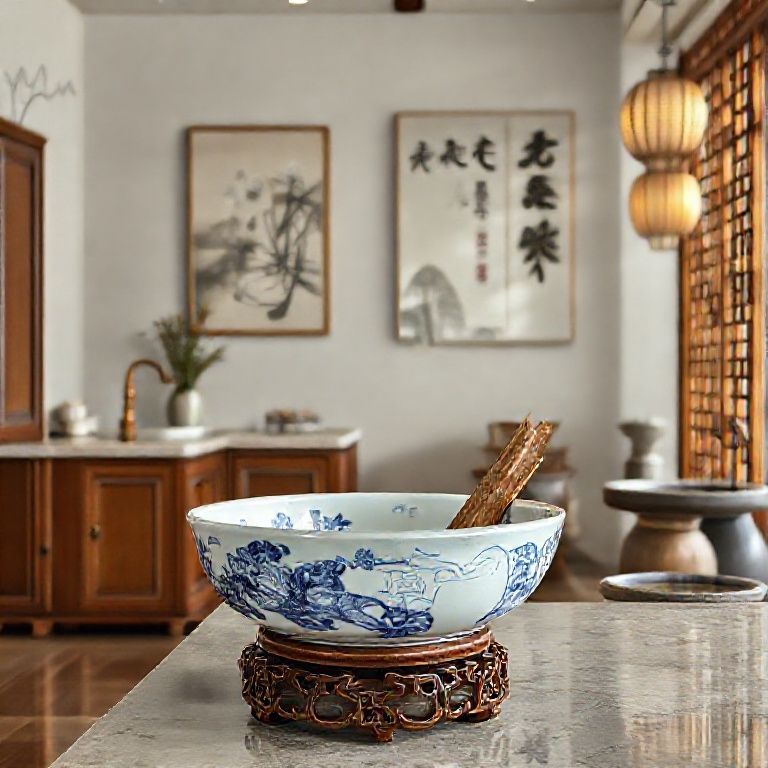
Market demand and supply dynamics also affect marble prices. When a particular type of marble is in high demand, its price per square meter may increase. Conversely, when supply exceeds demand, prices might drop. Economic factors, such as fluctuations in raw material costs and global trade policies, can further influence these dynamics.
Selecting the Right Marble for Your Space
Choosing the right marble involves considering both aesthetic and functional aspects. Here are some tips to help you select the perfect marble for your project:
1. Define Your Purpose
Determine whether you’re using marble for flooring, countertops, walls, or other surfaces. Different applications have different requirements in terms of durability and maintenance.
2. Consider the Environment
The environment where the marble will be installed can impact its longevity. For instance, high-traffic areas like kitchens and bathrooms require more durable marble than less-used areas.
3. Match with Existing Design
Ensure the chosen marble complements your existing design scheme. The color, pattern, and finish should harmonize with other materials and colors in your space.
4. Budget Wisely
While it’s tempting to opt for the most expensive marble, consider your budget and the value it brings to your space. Investing in high-quality marble may offer better long-term benefits despite a higher initial cost.
5. Consult with Professionals
Professionals can provide invaluable insights into selecting the best marble for your needs. They can advise on the durability, maintenance, and cost-effectiveness of different types of marble.
Conclusion
Understanding the factors that influence the price of marble per square meter is crucial for making informed decisions. From the type and quality of marble to processing costs and market demand, numerous elements come into play. By considering these factors and consulting with experts, you can select the perfect marble to enhance the beauty and elegance of your space. Stay tuned for the next part, where we will delve deeper into marble applications and maintenance tips.
Marble Applications and Maintenance Tips
Marble, with its timeless appeal and versatility, is a popular choice for both residential and commercial spaces. In this second part, we’ll explore various applications of marble and provide essential maintenance tips to ensure its longevity and beauty.
Marble Applications: Where and How to Use It
Marble’s unique combination of beauty, durability, and versatility makes it suitable for a wide range of applications. Here’s a detailed look at some of the most popular uses for marble:
1. Flooring
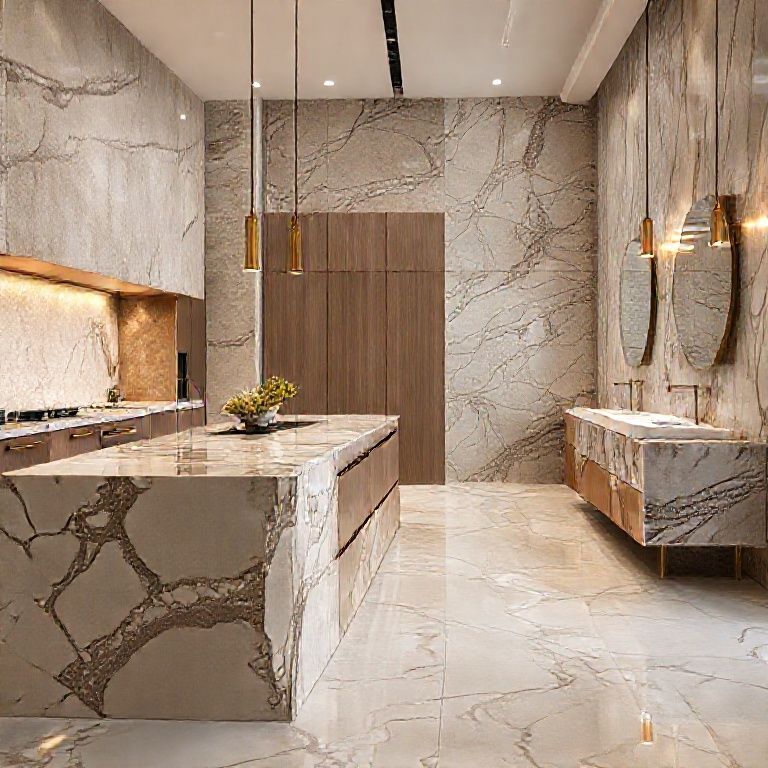
Marble flooring is a classic choice for both residential and commercial spaces. Its elegant appearance and durability make it an excellent option for high-traffic areas such as foyers, living rooms, and commercial lobbies.
Benefits: Aesthetic Appeal: Marble’s natural beauty adds a touch of elegance and sophistication. Durability: While marble can be prone to scratches, high-quality marble with proper maintenance can last for decades. Easy Maintenance: Marble floors are generally easy to clean and maintain with regular care.
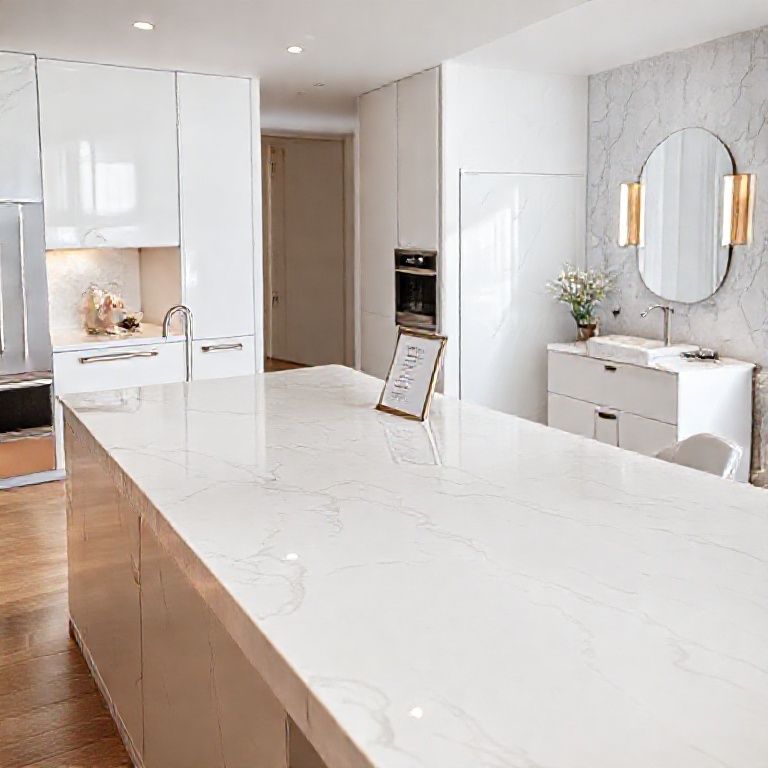
2. Countertops
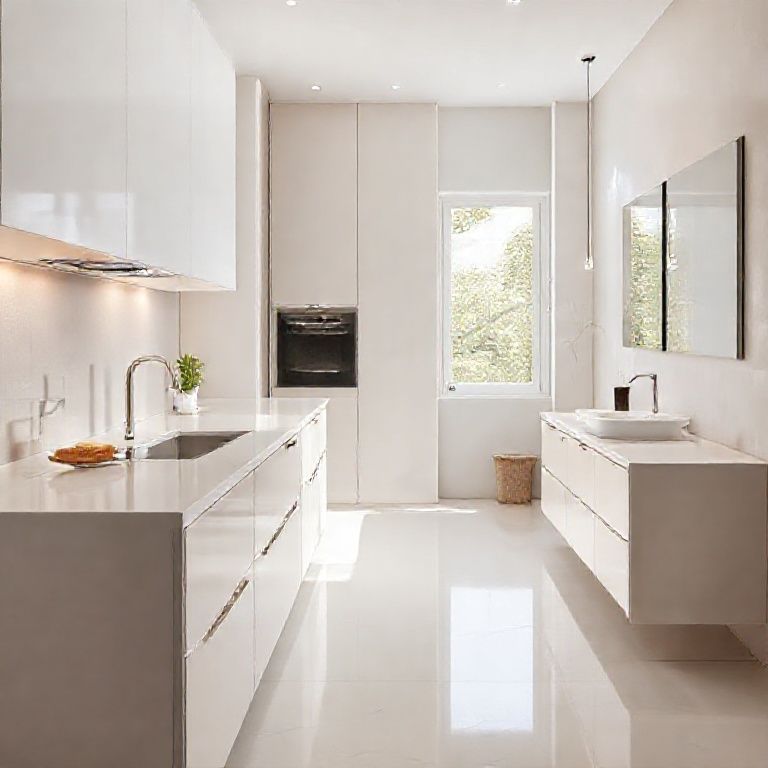
Marble countertops are a popular choice for kitchens, bathrooms, and home offices. They offer a luxurious and timeless look that enhances the overall design of the space.
Benefits: Elegance: Marble countertops exude luxury and elegance, making them ideal for high-end kitchens and bathrooms. Heat Resistance: Marble can withstand heat from cooking appliances, though it should be sealed to prevent staining. Unique Patterns: Each piece of marble has unique patterns, ensuring no two countertops are exactly alike.
3. Wall Cladding
Marble wall cladding is a stunning option for adding a touch of elegance to interior and exterior walls. It can be used to create striking focal points or to provide a luxurious backdrop.
Benefits: Versatility: Marble can be used in both interior and exterior applications, offering a versatile solution for wall cladding. Natural Beauty: The natural beauty of marble enhances the aesthetic appeal of walls. Durability: When properly sealed and maintained, marble can withstand the elements and provide long-lasting beauty.
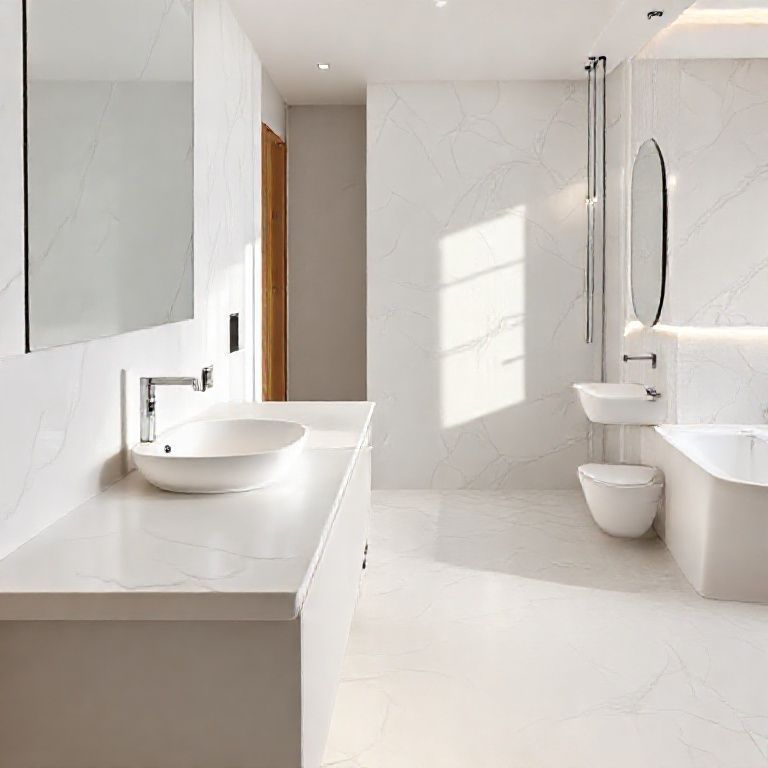
4. Bathtubs and Showers
Marble bathtubs and showers are a luxurious option that combines beauty with functionality. They offer a unique and elegant look that adds a touch of opulence to any bathroom.
Benefits: Aesthetic Appeal: Marble provides a striking and elegant appearance that enhances the overall design of the bathroom. Durability: High-quality marble can be durable and long-lasting if properly maintained. Easy to Clean: With regular maintenance, marble surfaces can remain clean and pristine.
5. Furniture
Marble is also used in various types of furniture, including dining tables, coffee tables, and side tables. Its natural beauty and durability make it a popular choice for high-end furniture pieces.
Benefits: Luxury: Marble furniture adds a touch of luxury and elegance to any space. Durability: High-quality marble can withstand daily use and provide long-lasting beauty. Unique Patterns: Each piece of marble has unique patterns, making each piece of furniture one-of-a-kind.
Marble Maintenance Tips
Proper maintenance is essential to ensure the longevity and beauty of marble. Here are some essential tips to keep your marble looking its best:
1. Regular Cleaning
Regular cleaning is crucial to maintaining the beauty of marble. Here’s how to clean marble surfaces effectively:
2. 使用专用清洁剂
虽然水可以清洁大理石表面,但是使用专用的大理石清洁剂可以更有效地去除污渍而不损伤石材。在购买清洁剂时,请确保选择那些专门为大理石设计的产品,避免使用家用清洁剂,因为这些产品可能含有酸性物质,会对大理石表面造成损害。
3. 定期密封处理
大理石天然的石材纹理使其易于吸收液体和污渍。因此,定期密封处理是非常重要的。密封剂可以形成一层保护膜,阻止液体渗入石材,从而减少污渍的风险。一般建议每6个月到1年进行一次密封处理,具体频率取决于使用环境和石材类型。
4. 避免使用硬物
在清洁大理石表面时,请避免使用硬质刷具或硬质物品,这些物品可能会在清洁过程中划伤大理石表面。如果需要清除顽固污渍,可以使用软布和专用清洁剂来轻柔地处理。
5. 避免直接曝晒
长时间的阳光直射会导致大理石表面的颜色褪色。因此,尽量避免大理石长时间暴露在强烈的阳光下。如果大理石需要暴露在阳光下,请考虑使用遮阳设施或者在室内摆放。
6. 小心使用厨房用具
在厨房使用大理石台面时,请尽量避免使用金属厨具或者刀具直接划伤大理石表面。如果需要在大理石台面上烹饪或切割食物,可以放置砧板或者使用塑料或木制的厨具。
7. 处理溢出物迅速
液体溢出是大理石表面污渍最常见的原因之一。当液体溢出在大理石表面时,应立即用干布擦干,以防止液体渗入石材纹理并留下污渍。如果液体已经渗入石材,可以使用专用清洁剂进行清洁。
8. 保持湿润环境
大理石是一种较为脆弱的石材,在干燥环境中更容易出现裂缝。因此,保持室内湿度适中可以帮助延长大理石的使用寿命。
9. 定期检查
定期检查大理石表面,特别是高流量使用的区域,可以及时发现并处理小裂缝或污渍。如果发现任何异常,及时采取措施,以防止问题恶化。
10. 专业维护
对于重要的大理石表面,如家庭的地板、墙面或高档餐厅的台面,建议定期请专业人员进行维护和保养。专业人员不仅能够提供高效的清洁和密封服务,还能提供专业的建议和修复服务。
通过以上这些维护和保养措施,可以有效延长大理石的使用寿命,保持其美观和光泽。希望这些信息对你有所帮助!如果你有任何其他问题,随时欢迎提问。