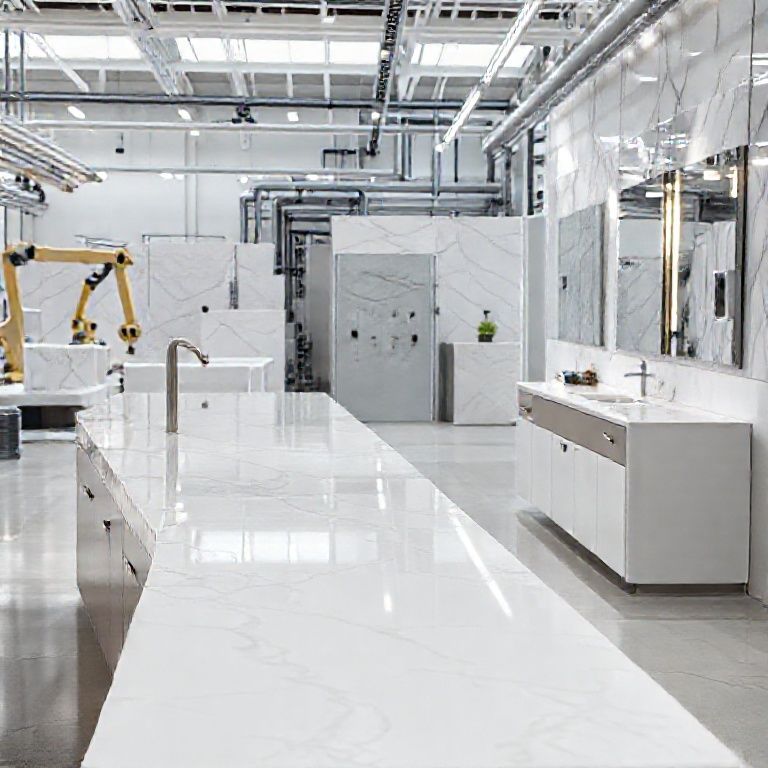
Discover the nuanced differences between artificial quartz and resin countertops in this comprehensive guide. From material composition to durability and maintenance, we’ll delve into why choosing the right countertop is essential for your kitchen or bathroom transformation.
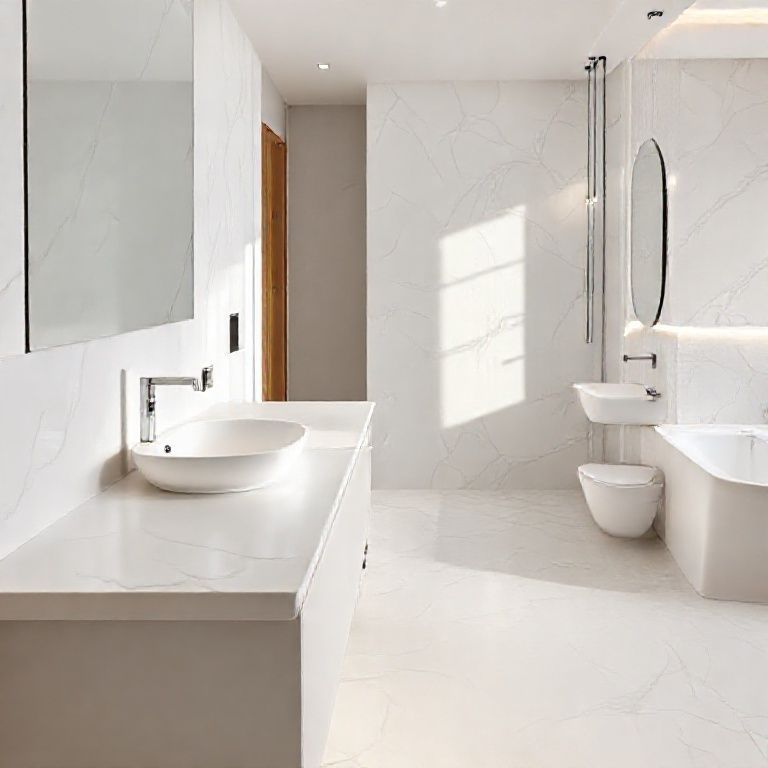
Unveiling the Differences: Artificial Quartz vs. Resin Countertops
When it comes to selecting the perfect countertop for your kitchen or bathroom, the choices can be overwhelming. Among the most popular options are artificial quartz and resin countertops. Both of these materials have their unique set of advantages and disadvantages, making it essential to understand their intricacies before making a decision. This article will explore the composition, durability, aesthetics, and maintenance of both artificial quartz and resin countertops to help you make an informed choice.
Composition and Production
Artificial Quartz:
Artificial quartz is a composite material made from 93% natural quartz and 7% resin. The production process involves mixing crushed quartz with a resin binder, which is then poured into molds and cured under heat and pressure. This creates a stone-like surface that is incredibly hard and durable. The result is a countertop that mimics the appearance of natural stone while offering superior performance.
Resin Countertops:
Resin countertops, on the other hand, are made from a combination of resin, silica sand, and other pigments. The manufacturing process involves mixing these components and pouring the mixture into molds. The molds are then heated and pressure-cured to achieve the final product. Resin countertops can be colored in various ways to mimic different types of stone, including marble, granite, and slate.
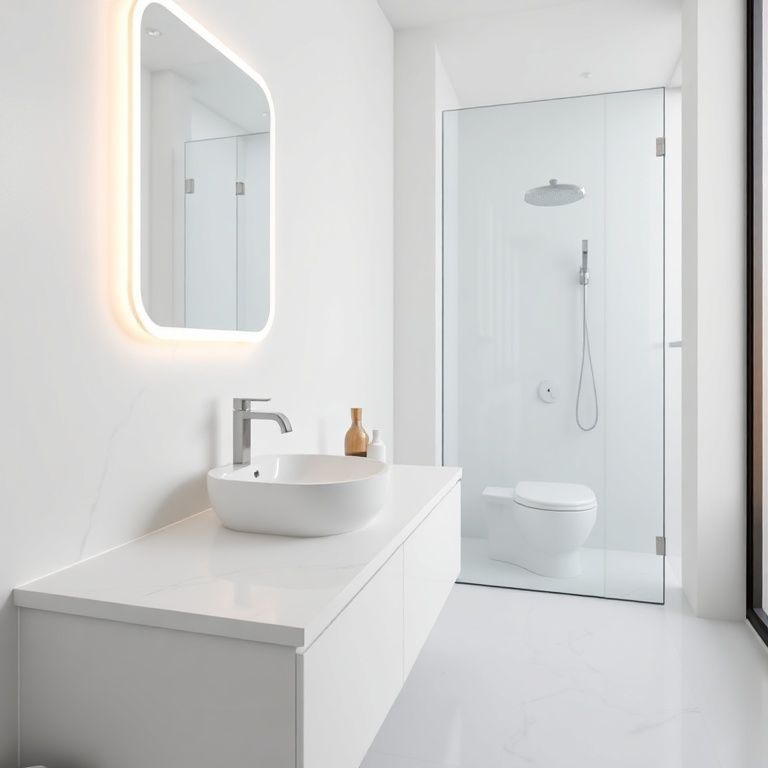
Durability
Artificial Quartz:
One of the standout features of artificial quartz countertops is their durability. The high percentage of natural quartz gives these countertops a Mohs hardness rating of 7, making them extremely resistant to scratches and stains. This means that they can withstand heavy use in high-traffic areas without showing signs of wear and tear. Additionally, artificial quartz is not prone to chipping or cracking, ensuring a long lifespan.
Resin Countertops:
While resin countertops are also durable, they generally fall short in comparison to artificial quartz. Resin is softer than quartz, with a Mohs hardness rating of around 6.5. This makes them slightly more susceptible to scratches and minor impacts. However, high-quality resin countertops can still offer excellent durability, especially those reinforced with silica sand. It’s important to note that resin countertops are more prone to staining, which can be a concern for some users.
Aesthetics
Artificial Quartz:
Artificial quartz countertops are renowned for their stunning and realistic stone-like appearance. The high percentage of natural quartz allows for a variety of colors and patterns that closely resemble natural stone. Whether you prefer the timeless look of classic marble or the unique veining of exotic granite, artificial quartz can be tailored to meet your aesthetic preferences. Moreover, the surface finish is smooth and polished, adding to the luxurious feel of these countertops.
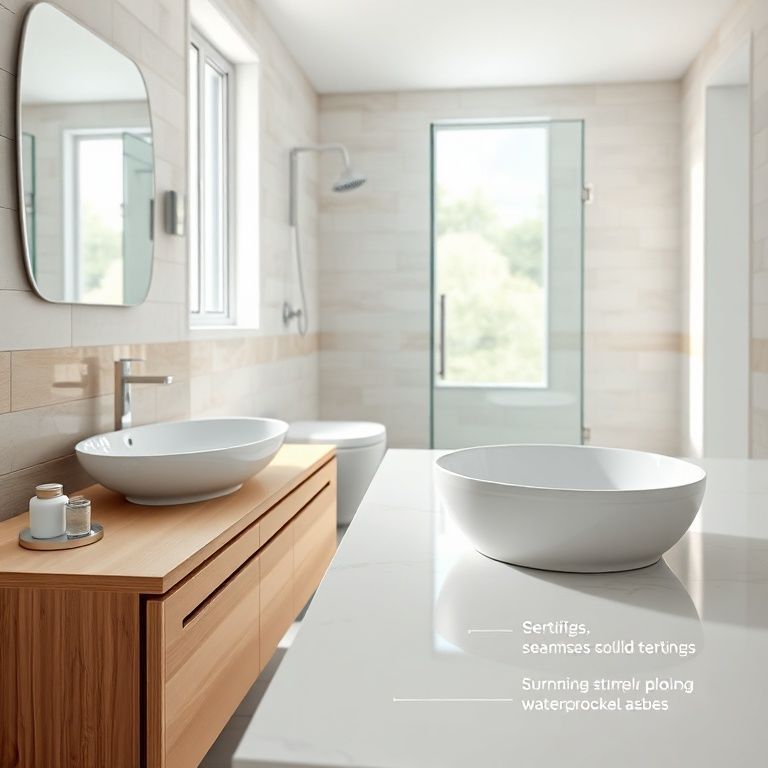
Resin Countertops:
Resin countertops offer a wide range of color options and patterns, allowing for a high degree of customization. The aesthetic appeal of resin countertops can be enhanced through techniques such as stamping and coloring, which create intricate designs and unique finishes. While resin can mimic the look of natural stone, some may find it slightly less realistic due to the softer texture compared to natural stone.
Maintenance
Artificial Quartz:
Maintenance of artificial quartz countertops is relatively straightforward. Due to their high hardness, these countertops require minimal upkeep. They are easy to clean with mild soap and water, and regular cleaning can help maintain their polished appearance. Additionally, because they are resistant to stains and scratches, they require less frequent professional cleaning.
Resin Countertops:
Resin countertops also require minimal maintenance but are more susceptible to stains compared to artificial quartz. Regular cleaning with mild soap and water is recommended, and using a soft cloth can help prevent scratches. To maintain their appearance, it’s advisable to use a countertop sealant periodically. This will help protect the surface from stains and minor impacts, though it’s important to follow the manufacturer’s instructions for application.
Cost
Artificial Quartz:
Artificial quartz countertops are generally more expensive than resin countertops due to the higher percentage of natural quartz and the sophisticated manufacturing process. However, their durability and low maintenance often justify the higher upfront cost, as they tend to offer better value over time.
Resin Countertops:
Resin countertops are typically more affordable than artificial quartz, making them an attractive option for those looking for a budget-friendly solution. Despite their lower cost, high-quality resin countertops can still offer excellent durability and aesthetics, though they may require more frequent maintenance and sealing.
Conclusion
Choosing between artificial quartz and resin countertops depends on various factors including durability, aesthetics, maintenance, and budget. Artificial quartz offers unmatched durability and a realistic stone-like appearance, making it a popular choice for those seeking a long-lasting and low-maintenance countertop. Resin countertops provide a wide range of customization options and are generally more affordable, though they may require more frequent maintenance.
By understanding the differences between these two materials, you can make an informed decision that best suits your needs and preferences. Whether you opt for the premium durability of artificial quartz or the cost-effective flexibility of resin, both options can elevate the beauty and functionality of your kitchen or bathroom.
Unveiling the Differences: Artificial Quartz vs. Resin Countertops
Continuing our exploration of artificial quartz and resin countertops, this part delves deeper into the specific applications, installation processes, and long-term benefits and considerations of each material. By the end of this article, you’ll have a thorough understanding of the advantages and potential drawbacks of both options, enabling you to choose the best countertop for your space.
Applications
Artificial Quartz:
Artificial quartz countertops are highly versatile and can be used in various settings, including kitchens, bathrooms, and even outdoor spaces like patios and outdoor kitchens. Their durability and resistance to stains make them ideal for high-traffic areas where they will be subjected to constant use and potential spills. Additionally, their natural stone-like appearance adds a touch of elegance and sophistication to any space.
Resin Countertops:
Resin countertops also boast versatility and can be used in similar settings as artificial quartz. They are particularly popular for creating custom designs and patterns, making them a great choice for those looking to add a unique touch to their home. Resin countertops can be used in both indoor and outdoor spaces, although they may require additional protection for outdoor use to withstand the elements.
Installation Process
Artificial Quartz:
The installation of artificial quartz countertops is relatively straightforward. The material is available in various thicknesses, making it compatible with most existing cabinetry. Installation typically involves cutting the countertop to fit, securing it to the cabinets with adhesive, and ensuring a tight seal around the edges to prevent water leakage. Due to their hardness, artificial quartz can be trimmed with a tile saw or a specialized countertop saw, making the installation process manageable even for DIY enthusiasts.
Resin Countertops:
Resin countertops also have a relatively simple installation process. However, the material is softer than artificial quartz, which can make it more challenging to cut and shape. Professional installation is often recommended to ensure precise cuts and a flawless fit. Resin countertops are usually adhered to the cabinets using a strong adhesive, and it’s important to follow the manufacturer’s instructions for proper curing and sealing to ensure a durable bond.
Long-Term Benefits
Artificial Quartz:
One of the significant long-term benefits of artificial quartz countertops is their durability. As mentioned earlier, the high percentage of natural quartz provides excellent resistance to scratches, stains, and impacts. This means that artificial quartz countertops can maintain their appearance and functionality for many years without requiring significant repairs or replacements. Additionally, their low maintenance requirements mean that they will continue to look great with minimal effort over time.
Resin Countertops:
Resin countertops offer long-term benefits in terms of design flexibility and cost-effectiveness. While they may require more maintenance and sealing than artificial quartz, high-quality resin countertops can still last for many years with proper care. The ability to customize the color and pattern of resin countertops allows for a unique and personalized look that can be updated over time. Additionally, the lower upfront cost of resin countertops can be a significant benefit for homeowners on a budget.
Considerations
Artificial Quartz:
While artificial quartz offers many benefits, there are a few considerations to keep in mind. The higher cost is the most notable, as artificial quartz countertops are generally more expensive than resin counterparts. Additionally, the material is harder, which means that it can be more challenging to cut and shape, often requiring professional installation. However, the superior durability and low maintenance make these countertops a worthwhile investment for many homeowners.
Resin Countertops:
Resin countertops also have some considerations that potential buyers should be aware of. The softer nature of resin means that it is more susceptible to scratches and minor impacts compared to artificial quartz. Regular maintenance and sealing are required to maintain the appearance and protect the surface from stains. However, the flexibility in design and more affordable price point make resin countertops an attractive option for those looking for a customizable and budget-friendly choice.
Environmental Impact
Artificial Quartz:
这些因素在最终选择台面材料时也起到重要作用。
环保性
人造石英石台面:
人造石英石台面在环保性方面表现相对较好。由于其主要成分是天然石英,生产过程中的污染较少,并且这种材料在使用过程中不会释放有害物质。由于其长寿命,人造石英石台面的环境影响在使用寿命内会比其他材料更低。
树脂台面:
树脂台面的环保性取决于其具体配方。一些树脂含有有害化学物质,如甲醛,这些物质在生产和使用过程中可能会对环境和人体健康产生影响。尽管现代生产技术在减少这些有害物质方面取得了进展,但总体上,人造石英石仍在这方面表现更好。
经济性
人造石英石台面:
尽管人造石英石台面的初始成本相对较高,但其耐用性和低维护成本使其在长期使用中经济性更强。由于不易受到刮擦、污渍和热损伤的影响,人造石英石台面可以在很长时间内保持其外观和功能,避免了频繁更换的需求。
树脂台面:
树脂台面通常比人造石英石台面价格更为亲民,特别是那些高度定制化和高色彩的款式。虽然其寿命可能不如人造石英石,但对于预算有限的消费者来说,树脂台面仍然是一个性价比高的选择。
安装和维护的便利性
人造石英石台面:
由于人造石英石台面的硬度和厚度,安装过程可能需要专业工具和技术。但这种台面一旦安装好,其表面光滑且易于清洁,只需用湿布和中性清洁剂就能保持如新。由于不易受热损伤,也不需要特别的维护措施。
树脂台面:
树脂台面通常较轻,安装起来相对简单,但由于其较软,需要更小心的处理以避免刮擦和损坏。清洁时,由于树脂材质可能吸收污渍,需要使用更多的清洁剂和更频繁的维护。树脂台面对高温有一定的敏感性,可能需要在接触热源时特别小心。
总结
在选择人造石英石台面和树脂台面时,需要综合考虑材料的耐用性、环保性、经济性以及安装和维护的便利性。人造石英石台面因其卓越的耐用性和低维护成本,常被推荐为高端家居和商业空间的首选。而树脂台面则因其成本低廉和设计灵活性,适合那些对外观和个性化设计有特殊要求但预算有限的消费者。
无论选择哪种台面,最终的决定应根据个人需求、预算以及具体使用场景来做出。