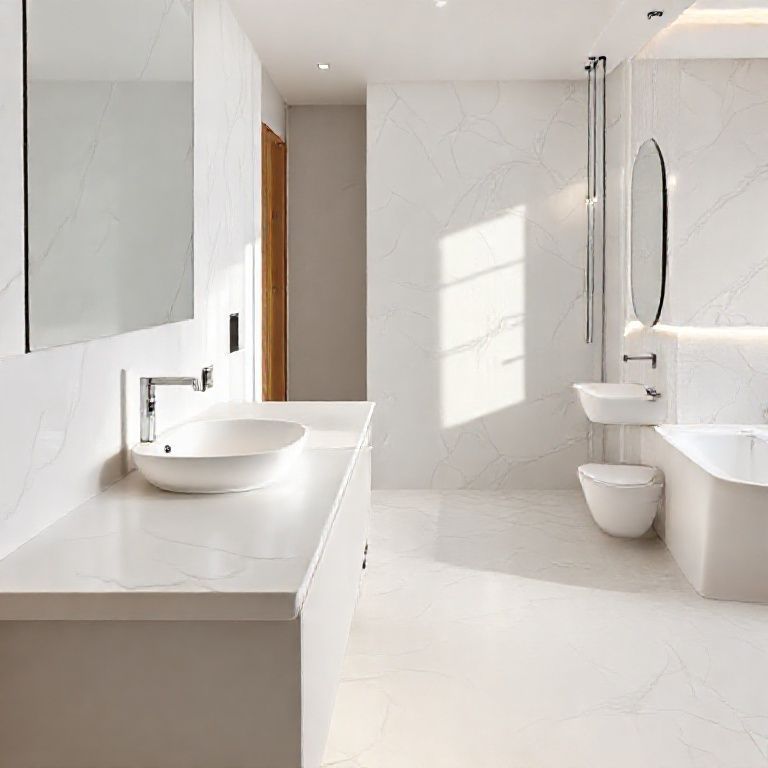
How Much Does Marble Cost Per Kilogram? Unveiling the Elegance and Value
When it comes to luxury materials that exude timeless elegance and sophistication, marble stands unrivaled. Known for its natural beauty, intricate patterns, and durability, marble has been a preferred choice for architects, designers, and homeowners alike. Yet, one common question that often arises is, “How much does marble cost per kilogram?” In this first part of our exploration, we delve into the factors influencing marble pricing, the various types of marble, and why this exquisite material remains a top choice in the world of design and architecture.
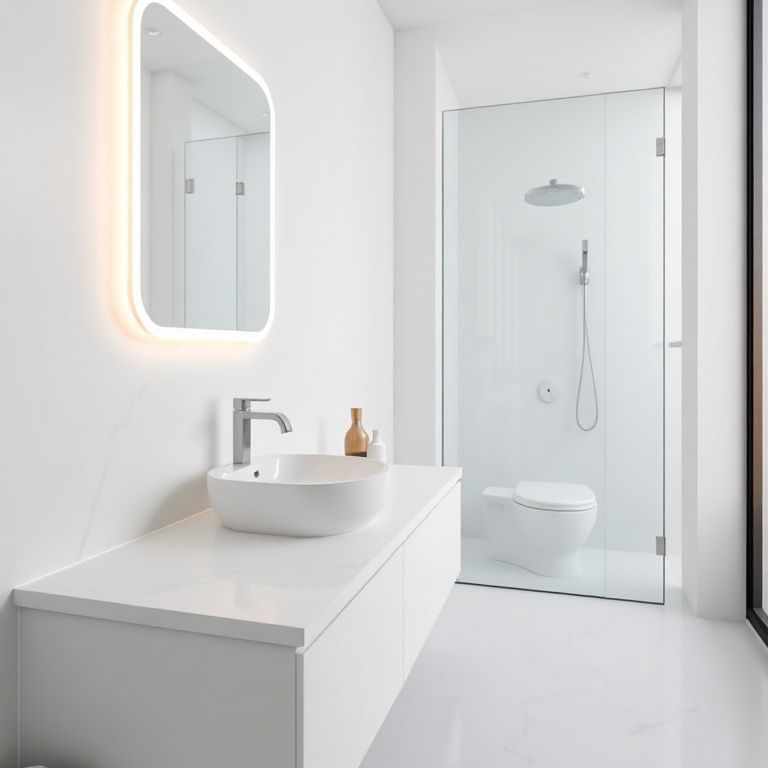
Factors Influencing Marble Pricing
Understanding the cost of marble per kilogram requires a closer look at several key factors:
Quality and Purity: Marble’s beauty largely depends on its quality and purity. Higher quality marbles, which exhibit more intricate veining and fewer impurities, naturally command a higher price. For instance, marbles like Carrara and Bianco Antico are renowned for their superior quality and pristine appearance, thus fetching higher prices.
Color and Pattern: Marble comes in a plethora of colors and patterns, each adding its unique charm. Exotic marbles with striking colors and complex veining, such as Emperador and Calacatta Gold, are often more expensive due to their visual appeal and rarity.
Origin: The geographical origin of marble significantly impacts its cost. Marbles sourced from renowned quarries, like Carrara in Italy, have a historical prestige and demand a premium price. Conversely, marbles from lesser-known regions may be more affordable but might compromise on quality.
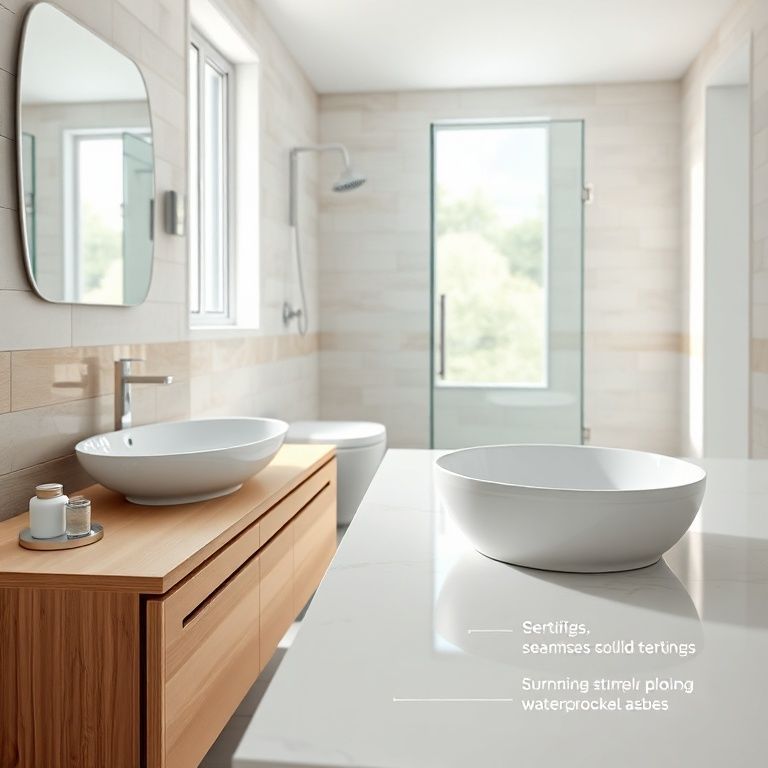
Processing and Finishing: The additional processes involved in cutting, polishing, and finishing marble can affect its price. High-end marbles undergo meticulous finishing processes to enhance their natural beauty, thereby increasing their cost per kilogram.
Market Demand: The demand for specific types of marble can fluctuate, affecting their cost. Seasonal trends, regional preferences, and global market conditions play a role in determining the price of marble per kilogram.
Types of Marble and Their Distinctive Characteristics
Marble is derived from the metamorphic transformation of limestone, resulting in a variety of unique types, each with distinct characteristics:
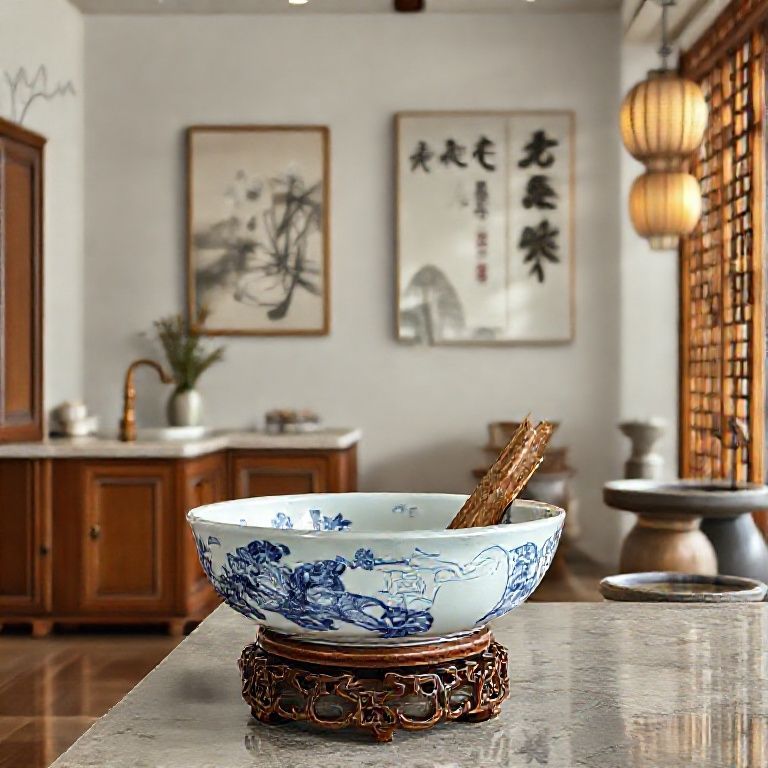
Carrara Marble: Often regarded as the epitome of luxury, Carrara marble is sourced from the famous Italian quarries. Known for its creamy white color and fine, uniform texture, Carrara marble is a favorite in high-end architectural and interior design projects.
Bianco Antico: This Italian marble is celebrated for its pure white color and delicate, intricate veining. Its timeless elegance makes it a sought-after choice for both commercial and residential spaces.
Emperador: Hailing from Spain, Emperador marble is distinguished by its rich, dark hues and striking veining. Its bold and luxurious appearance makes it perfect for high-visibility areas such as countertops, flooring, and public spaces.
Calacatta Gold: This Italian marble is renowned for its warm, golden tones and refined veining. Its versatile appeal allows it to complement a wide range of design styles, from contemporary to classic.
Statuario: With its luxurious, veined marble patterns in shades of white and gray, Statuario marble offers a dramatic and opulent aesthetic. Its unique beauty makes it a standout choice for high-end projects.
Marble’s Timeless Appeal and Versatility
Marble’s allure lies in its natural beauty, which remains unfaded by time. Its versatility allows it to be used in a myriad of applications:
Architecture: Marble’s classic elegance and durability make it a favored material for architectural elements such as facades, columns, and floors. Its ability to withstand wear and tear while maintaining its exquisite appearance ensures long-lasting beauty.
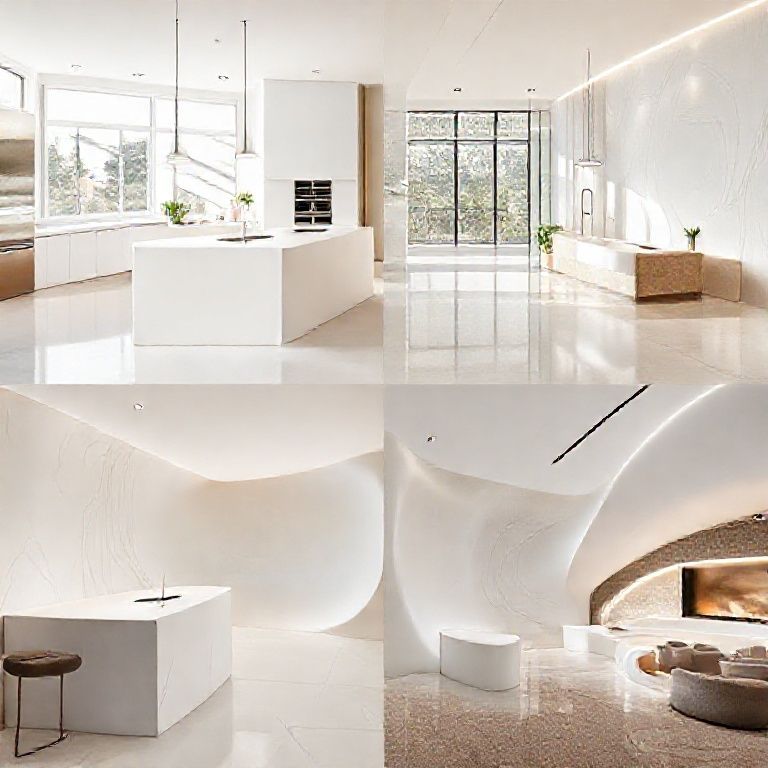
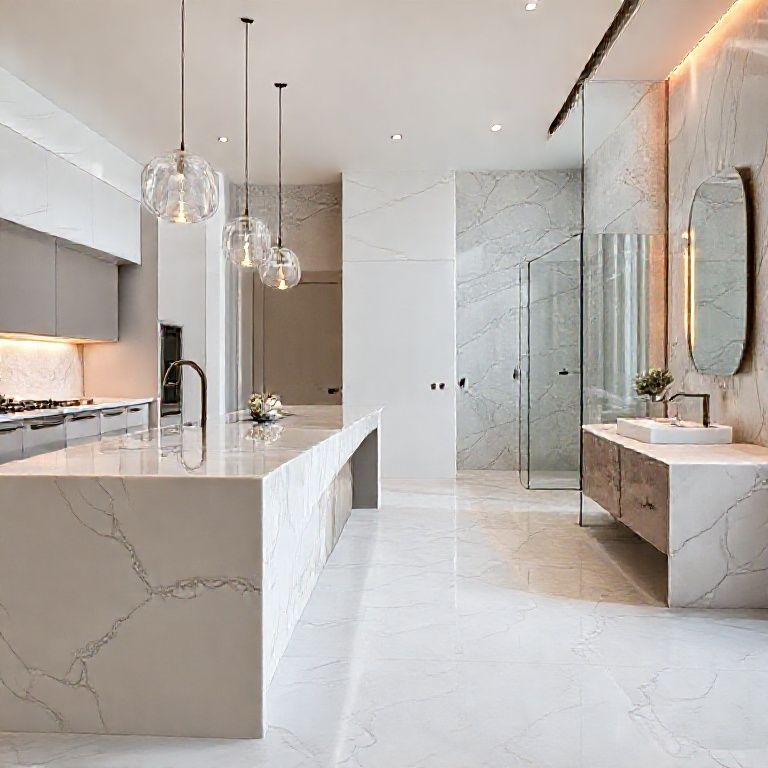
Interior Design: In interior spaces, marble adds a touch of luxury and sophistication. It is commonly used for countertops, wall cladding, fireplace surrounds, and flooring. Its versatility allows it to blend seamlessly with various design themes, from modern minimalism to traditional opulence.
Furniture: Marble is also a popular choice for creating exquisite furniture pieces, including tables, benches, and shelving units. Its natural beauty and strength make it ideal for crafting high-quality, long-lasting furniture.
Art and Sculpture: Beyond practical applications, marble has been a preferred medium for artists and sculptors for centuries. Its smooth, workable texture and striking beauty make it perfect for creating stunning works of art.
Conclusion
Understanding how much marble costs per kilogram involves considering several influential factors, including quality, color, origin, processing, and market demand. With its unparalleled beauty, durability, and versatility, marble continues to be a timeless choice for architects, designers, and homeowners. Whether you’re embarking on a new project or simply appreciating its luxurious appeal, marble’s enduring elegance and value are undeniable. Stay tuned for the second part of our exploration, where we will delve deeper into the practical aspects of incorporating marble into your design and construction plans.
How Much Does Marble Cost Per Kilogram? Practical Insights and Applications
In the second part of our comprehensive guide on “How Much Does Marble Cost Per Kilogram,” we continue to explore the practical aspects of using marble in design and construction. From understanding the nuances of marble pricing to exploring its diverse applications, this detailed discussion will equip you with the knowledge to make informed decisions about incorporating this exquisite material into your projects.
Decoding Marble Pricing: Practical Insights
To navigate the world of marble pricing effectively, it’s essential to understand the practical aspects that influence the cost per kilogram:
Bulk vs. Small Quantities: The cost of marble can vary significantly depending on the quantity purchased. Generally, buying marble in bulk often results in a lower cost per kilogram compared to purchasing smaller quantities. This is due to economies of scale and reduced handling costs.
Shipping and Handling: Transporting marble, especially high-value types, can incur substantial costs. Factors such as the distance to be covered, the type of shipping method used, and the need for special handling during transit can all impact the overall price.
Installation Costs: The cost of installing marble can add to the overall expense. Factors such as the complexity of the installation, the need for specialized labor, and the additional costs of cutting, polishing, and finishing marble to fit specific designs all play a role.
Customization and Design: Custom marble pieces, such as unique sculptures, intricate wall cladding, or bespoke furniture, often come with higher costs due to the specialized skills and time required for their creation. Custom designs and detailed finishes can significantly increase the cost per kilogram.
Marble Applications: From Floors to Fine Art
Marble’s versatility and timeless appeal make it suitable for a wide range of applications, enhancing both the aesthetic and functional aspects of various projects:
Flooring: Marble’s durability and natural beauty make it an excellent choice for flooring in both residential and commercial spaces. It is commonly used for high-traffic areas such as entryways, lobbies, and public spaces. Its ability to withstand heavy foot traffic while maintaining its elegant appearance ensures long-lasting beauty.
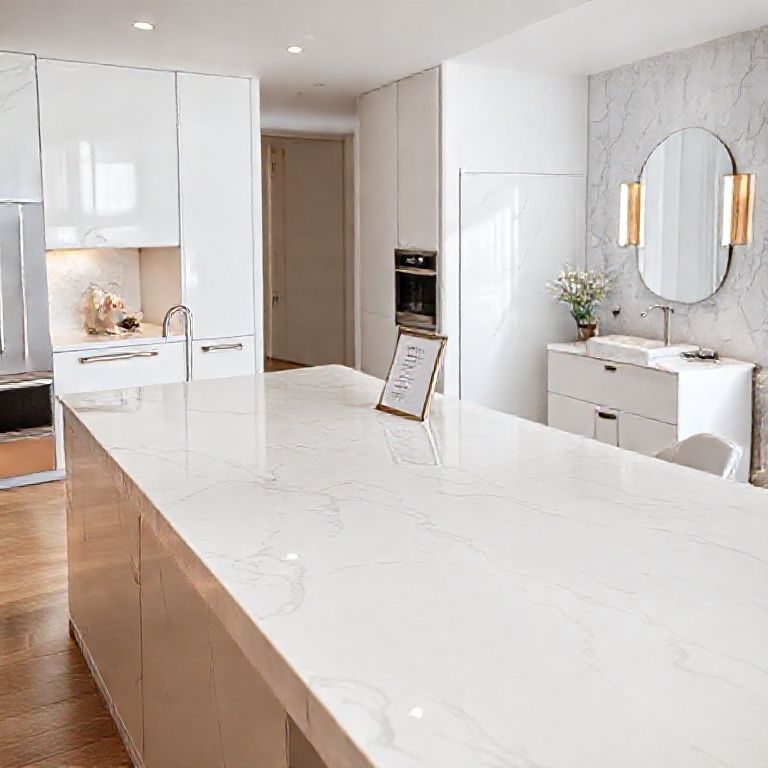
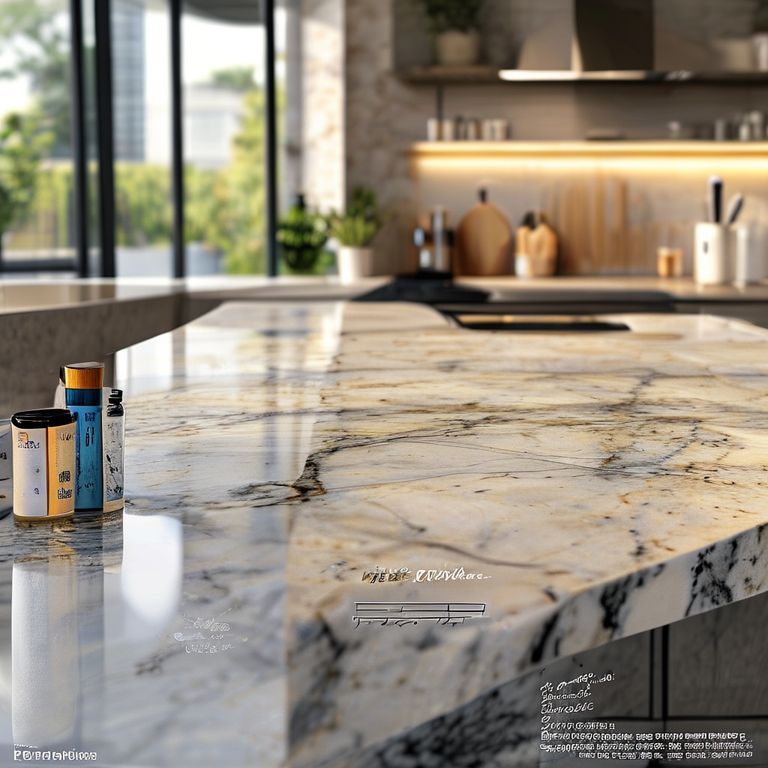
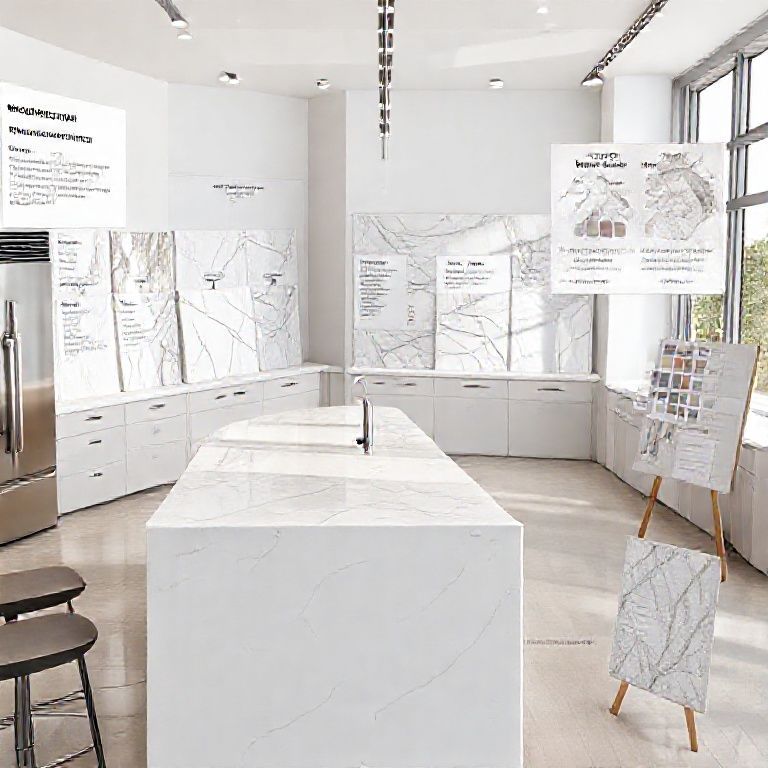
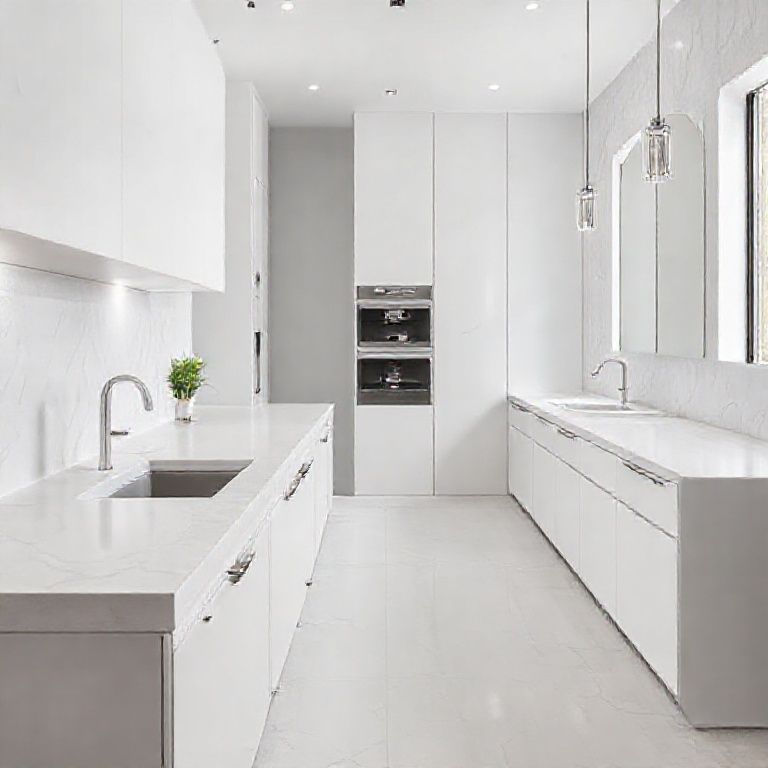
Countertops: In kitchens and bathrooms, marble countertops are prized for their sleek, sophisticated look and ease of maintenance. Despite being harder than many other materials, marble’s natural beauty and strength make it a preferred choice for countertops. Proper sealing and regular maintenance are essential to keep marble countertops looking their best.
Wall Cladding: Marble’s intricate patterns and luxurious appearance make it an ideal material for wall cladding. It adds a touch of elegance and sophistication to interior and exterior spaces. Whether used in a modern minimalist design or a classic traditional setting, marble wall cladding can elevate the overall aesthetic of a space.
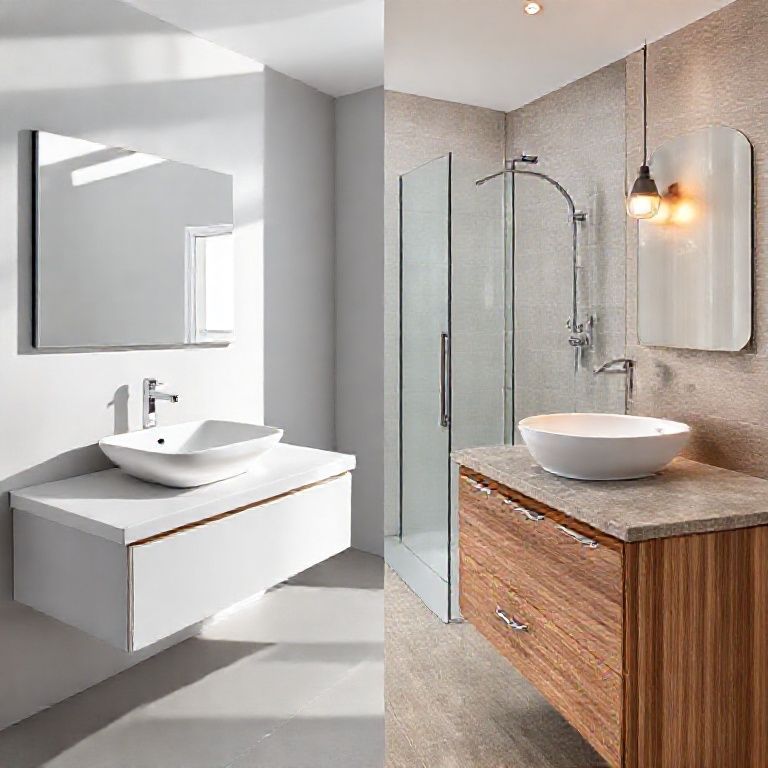
Bathroom Fixtures: From sinks and bathtubs to shower walls and floors, marble is extensively used in bathroom fixtures. Its natural beauty and durability make it perfect for creating stunning, long-lasting bathroom features. Marble’s ability to withstand moisture and water makes it an excellent choice for wet areas.
Furniture: As mentioned earlier, marble is also used in creating exquisite furniture pieces. Its natural beauty and strength make it ideal for crafting high-quality, durable tables, benches, and shelving units. Custom marble furniture pieces can add a unique, personalized touch to any space.
Art and Sculpture: Marble has a long and illustrious history as a medium for artists and sculptors. Its smooth, workable texture and striking beauty make it perfect for creating stunning works of art. From classical sculptures to contemporary installations, marble continues to be a favored material for artists worldwide.
Choosing the Right Marble for Your Project
Selecting the right type of marble for your project involves considering several factors to ensure the best match for your design vision and budget:
Design Goals: Clearly define your design goals and the specific aesthetic you希望前面的部分对你有所帮助。选择适合的大理石需要综合考虑多个因素,包括但不限于:
功能需求:不同的用途需要不同的耐久性和美观性。例如,厨房台面需要耐刮擦和易清洁,而浴室的墙面则需要耐水性。
预算:大理石的价格差异很大,从廉价的到极为昂贵的,价格区间可以从几十元到几千元每公斤不等。在预算范围内选择最适合的大理石。
颜色和纹理:大理石的颜色和纹理影响其美观性。你可以根据设计风格和空间的整体氛围来选择合适的颜色和纹理。
环境条件:考虑大理石的使用环境,如是否在高湿度或高温环境中使用,这些条件可能会影响大理石的耐久性和美观性。
品牌和供应商:选择信誉良好的品牌和供应商,这不仅能保证大理石的质量,还能提供售后服务和保障。
维护和保养
大理石虽然美观且耐用,但需要适当的维护和保养才能长久保持其光泽和美观。
日常清洁:使用中性清洁剂和软布清洁,避免使用酸性或碱性清洁剂,这些可能会对大理石表面造成损害。
污渍处理:一旦污渍渗入大理石表面,及时处理非常重要。用中性清洁剂立即擦拭干净,以防污渍渗入石材。
定期保养:建议每隔几个月使用专门的大理石保养剂进行一次保养,以增加其光泽和防护性。
避免使用刀具:在大理石上不要使用刀具进行切割或划伤,以免造成不可逆的损伤。
防止热损伤:避免将热锅或热水直接放在大理石上,以防止热损伤。
通过合理的选择和科学的保养,大理石能够在你的家居或商业空间中展现出其无与伦比的美丽和高雅。希望这些信息对你有所帮助,如果你有任何其他问题,随时可以提问。