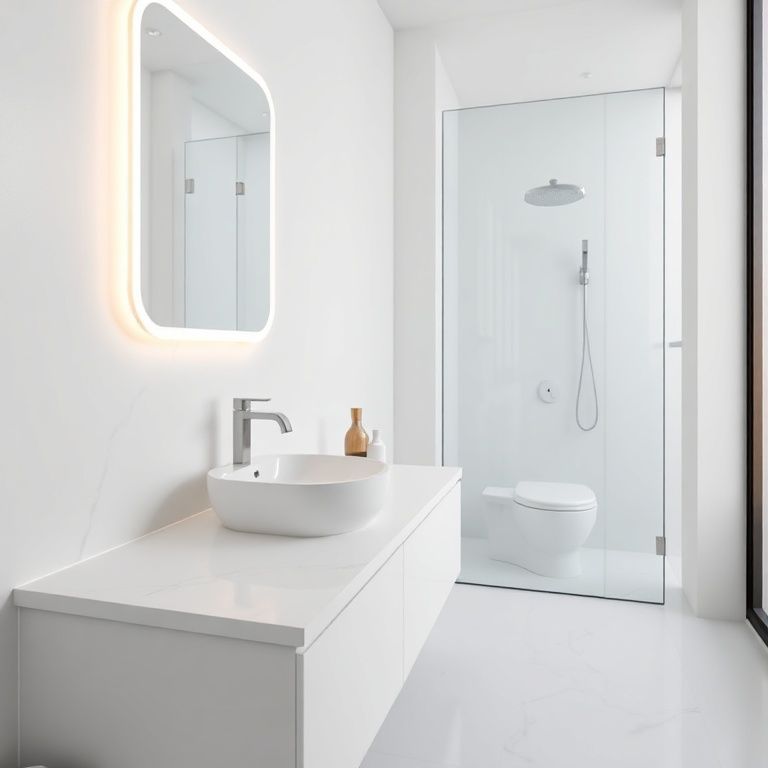
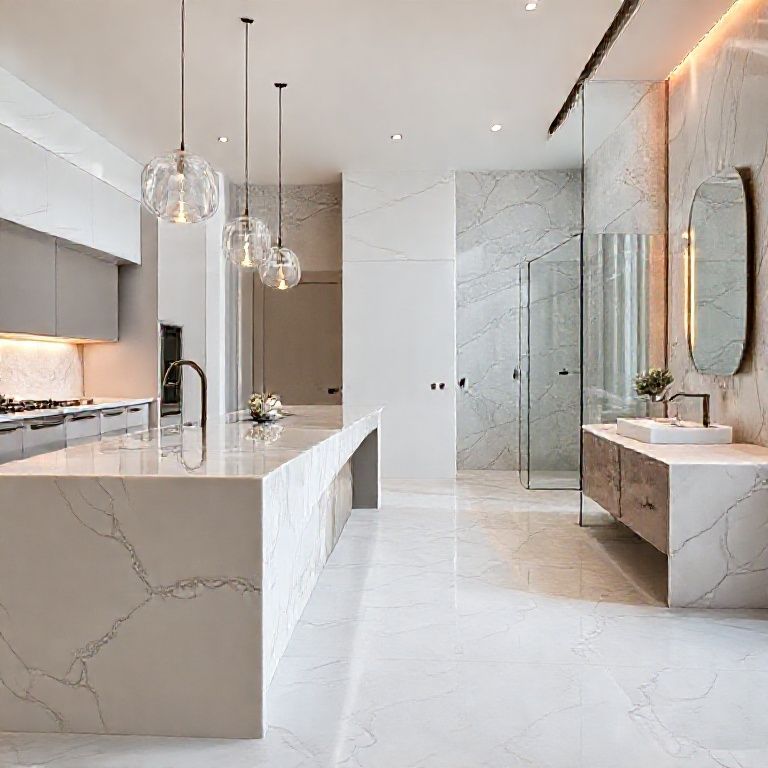
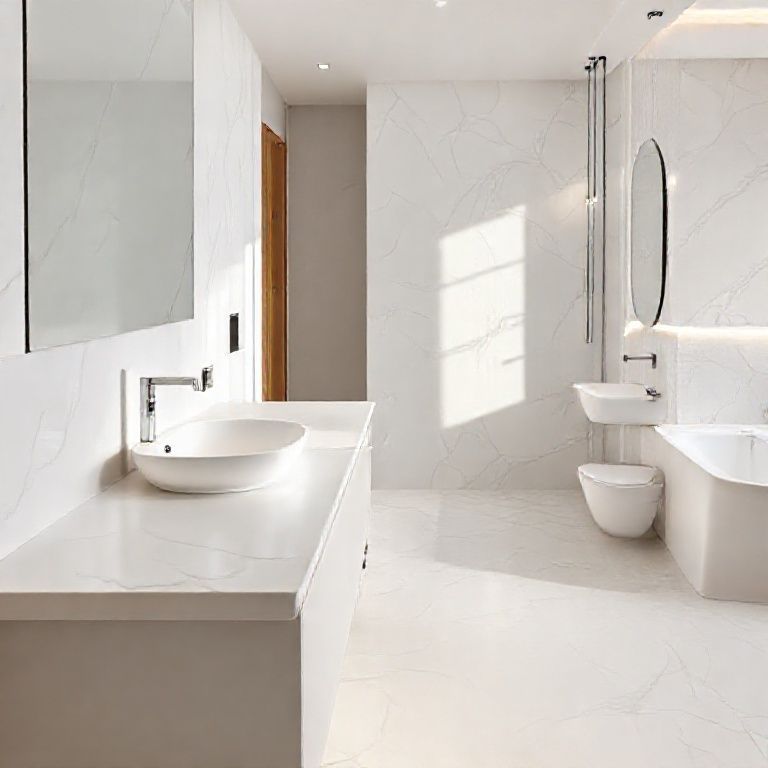
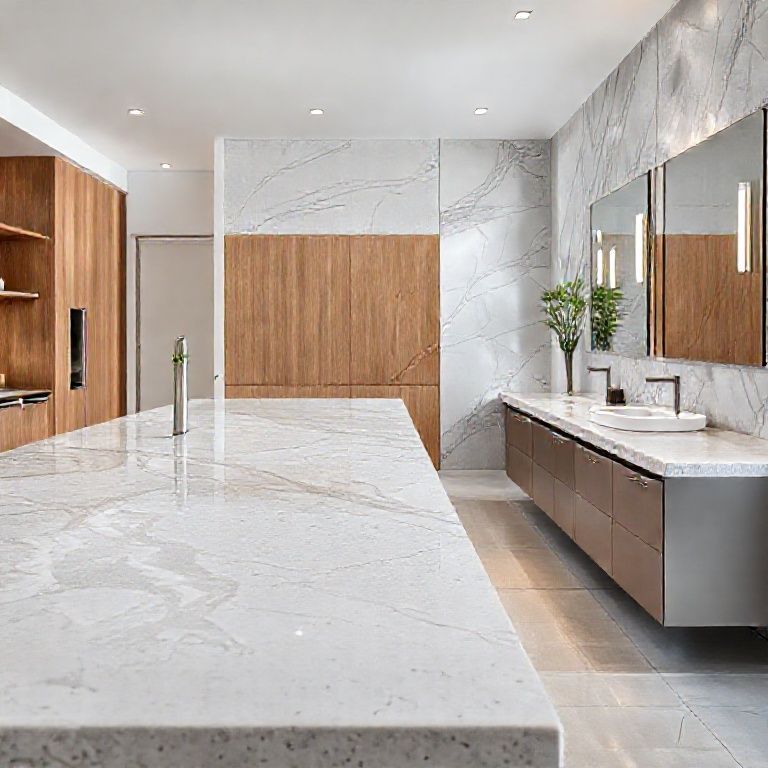
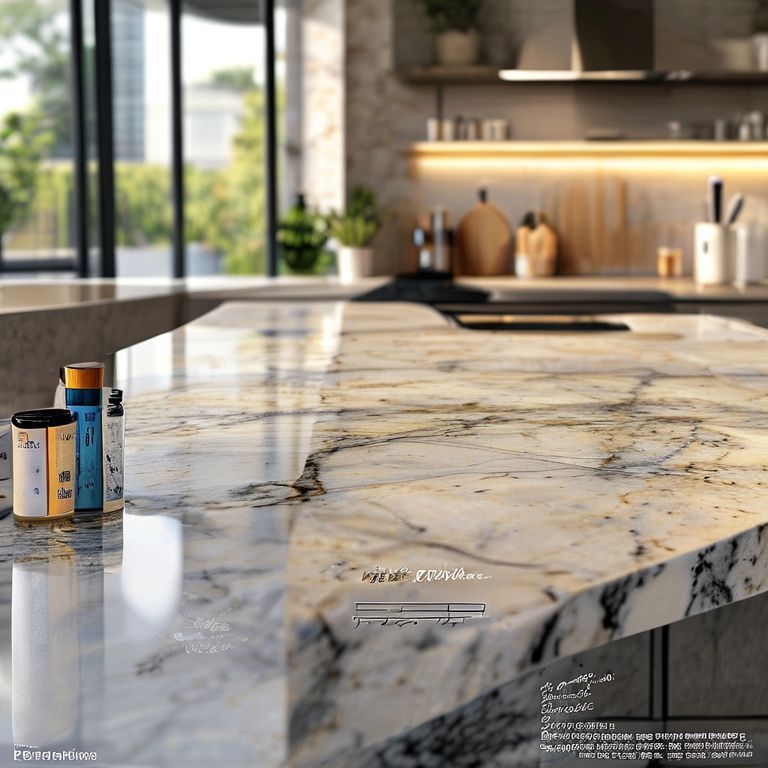
In the realm of luxury materials, marble stands unrivaled in elegance and timeless beauty. Its captivating, veined patterns and natural luster have made it a favorite for centuries across various fields such as architecture, interior design, and sculpture. Today, we turn our focus to a specific aspect of marble that often goes unnoticed – its thickness, particularly that of 3 centimeters. This article will explore the intricacies, weight, and versatile applications of this exquisite material in the first of two captivating parts.
The Beauty and Allure of Marble
Marble, a metamorphic rock derived from the transformation of limestone through intense heat and pressure, boasts a mesmerizing array of colors, patterns, and textures. Its unique, natural beauty has made it a preferred choice for many high-end projects. Marble comes in various types, each with its distinct characteristics and applications. Among them, the 3-centimeter thickness marble stands out for its remarkable balance of elegance and practicality.
Weight and Density of 3-Centimeter Marble
When it comes to the weight of marble, it is essential to consider its density, which varies depending on the specific type of marble and its impurities. On average, marble has a density of about 2.6 to 2.8 grams per cubic centimeter. This density translates to a considerable weight for a 3-centimeter thick marble slab.
To understand the weight better, let’s calculate the weight of a standard 1-meter by 2-meter marble slab with a thickness of 3 centimeters:
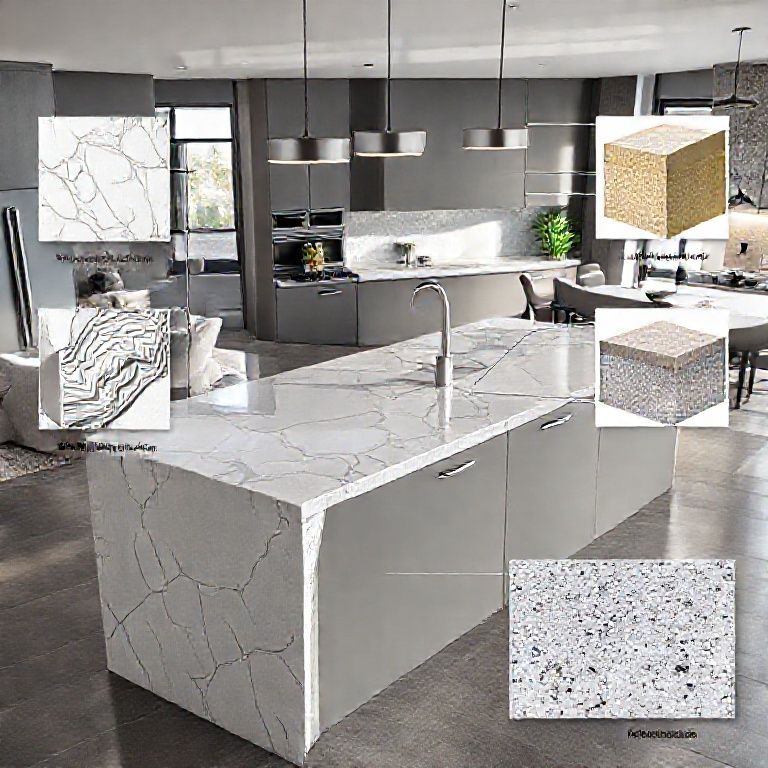
Volume Calculation: 1 meter = 100 centimeters, so the dimensions of the slab are 100 cm x 200 cm x 3 cm.
Volume = length x width x thickness = 100 cm x 200 cm x 3 cm = 60,000 cubic centimeters.
Weight Calculation:
Average density of marble = 2.7 grams per cubic centimeter.
Weight = Volume x Density = 60,000 cubic centimeters x 2.7 grams/cubic centimeter = 162,000 grams or 162 kilograms.
Thus, a 3-centimeter thick marble slab measuring 1 meter by 2 meters weighs approximately 162 kilograms. This significant weight underscores the robust and durable nature of marble, making it a superior choice for high-traffic areas and structures where strength and longevity are paramount.
Applications of 3-Centimeter Marble
The 3-centimeter thickness of marble provides an optimal balance between aesthetic appeal and structural integrity, making it suitable for various applications:
1. Architectural Elements
Marble’s timeless beauty and durability make it a popular choice for architectural elements such as columns, facades, and walls. The 3-centimeter thickness ensures that these elements are both visually striking and robust enough to withstand the test of time.
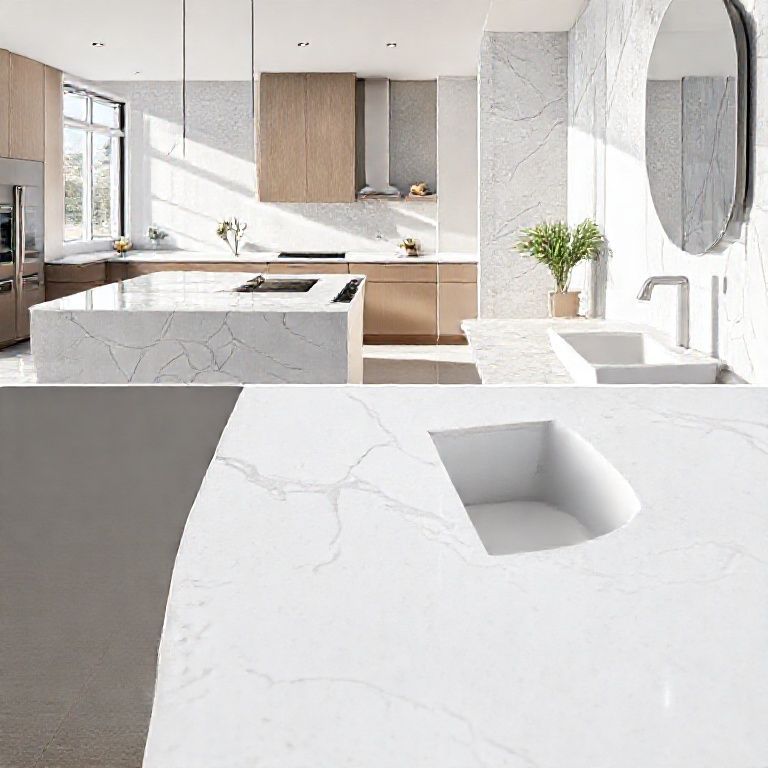
2. Countertops
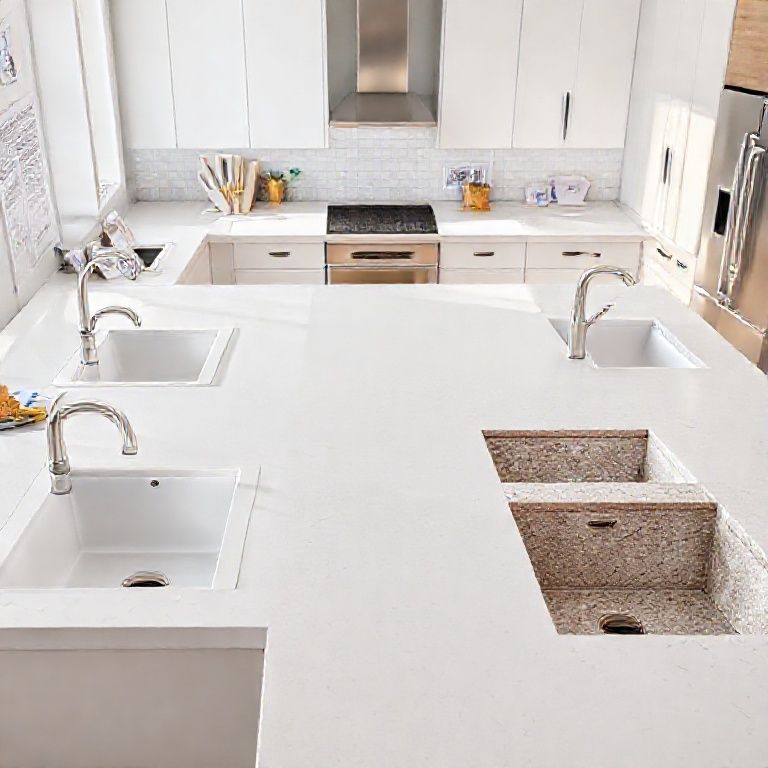
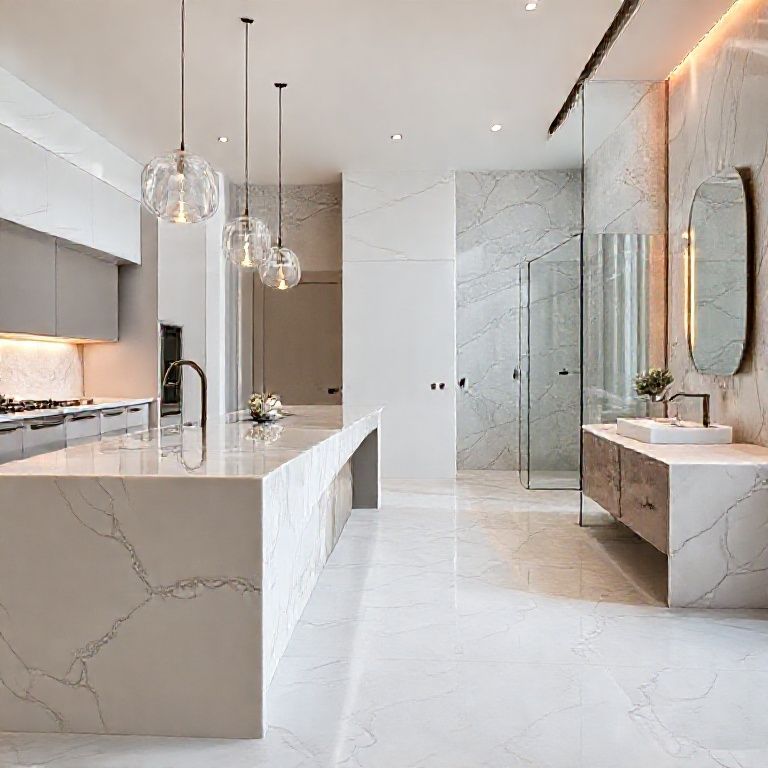
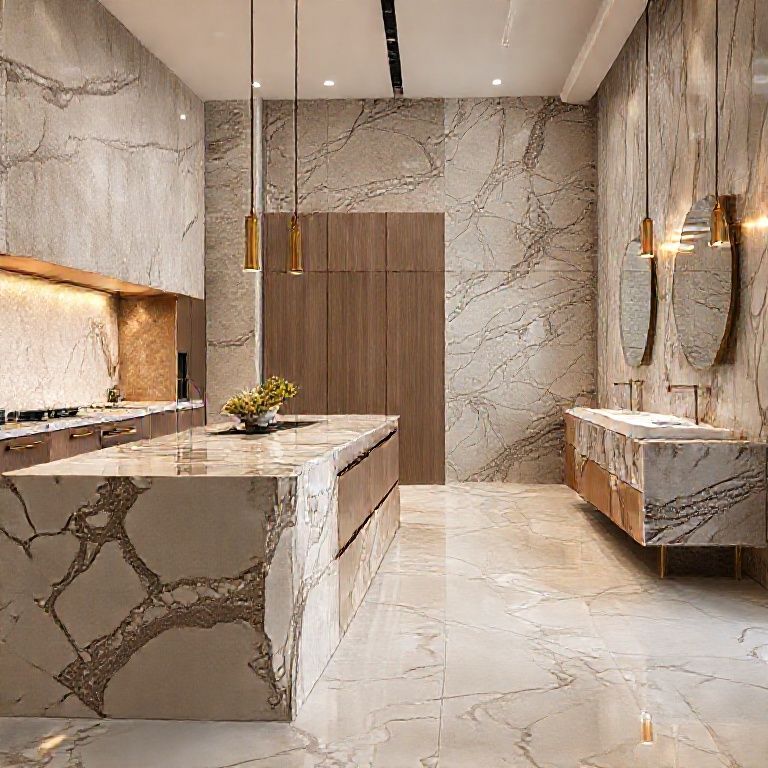
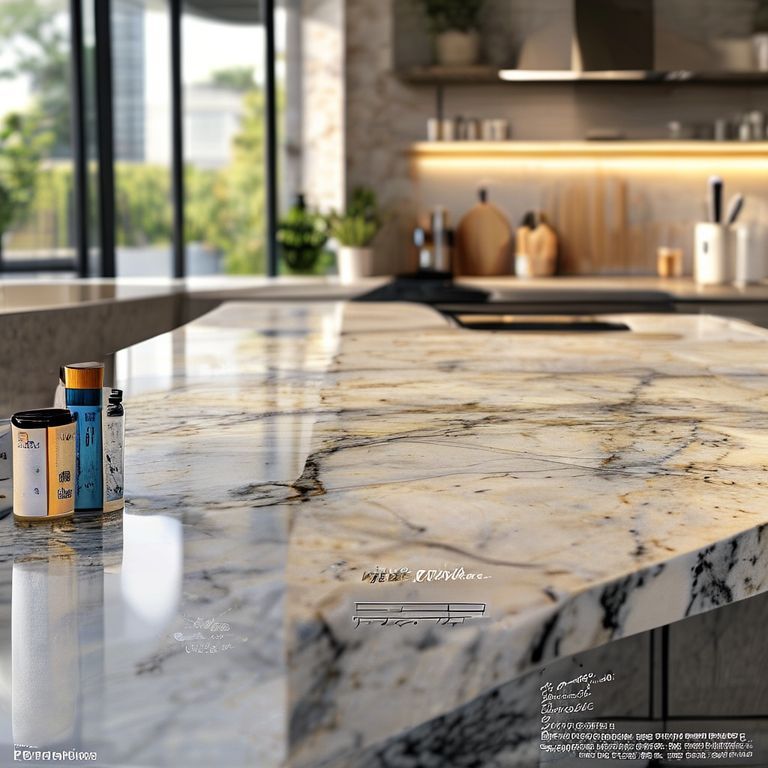
In interior design, marble countertops are a hallmark of luxury and sophistication. The 3-centimeter thickness not only enhances the visual appeal but also provides a solid, stable surface that can withstand heavy use and daily wear.
3. Flooring
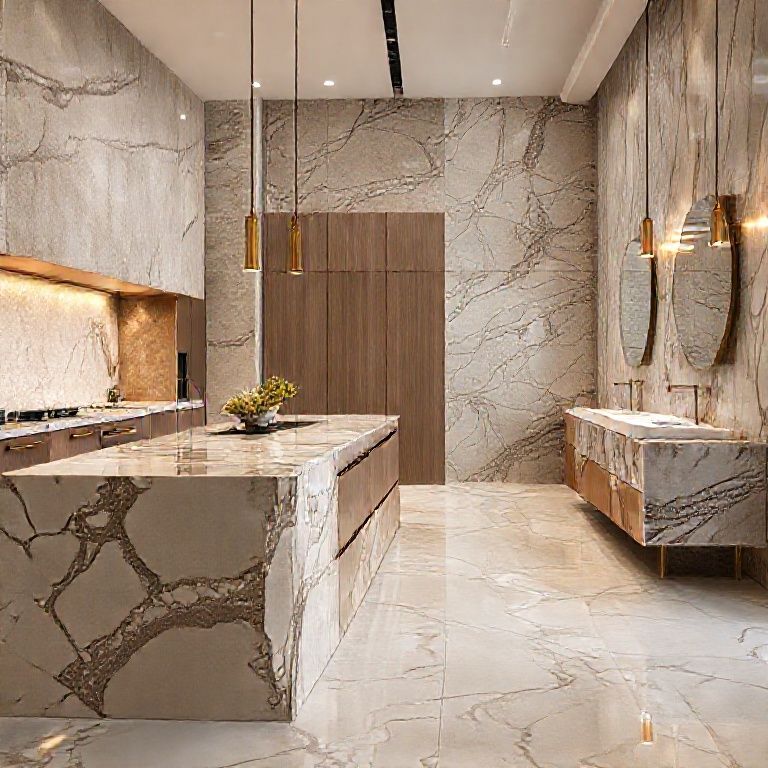
Marble flooring is another area where the 3-centimeter thickness excels. It provides a sturdy and elegant solution for both residential and commercial spaces. The thickness ensures durability, while the natural beauty of the marble adds a touch of elegance.
4. Furniture
High-end furniture, such as tables and cabinets, often incorporates marble for its luxurious appearance. The 3-centimeter thickness provides sufficient strength and stability, ensuring that the furniture remains intact and visually appealing over time.
5. Sculptures and Artworks
Marble’s fine grain and ability to capture intricate details make it an excellent medium for sculptures and artworks. The 3-centimeter thickness allows for detailed carvings and intricate designs while ensuring the piece remains stable and robust.
Installation and Maintenance
Proper installation and maintenance are crucial for the longevity and beauty of marble. Given its weight and hardness, marble slabs need to be carefully handled and positioned to prevent damage and ensure stability.
Installation Tips:
Support Structures: Ensure adequate support structures are in place, especially for large slabs. Leveling: Proper leveling is essential to prevent any tilting or uneven wear. Adhesives: Use high-quality adhesives that can withstand the weight and environmental conditions.
Maintenance Tips:
Cleaning: Regular cleaning with pH-neutral marble cleaners is essential to maintain its natural luster. Protection: Apply appropriate sealants periodically to protect against stains and damage. Avoiding Damage: Use coasters and place furniture pads to prevent scratches and dents.
Conclusion
The allure of marble lies not only in its stunning beauty but also in its practicality and durability. The 3-centimeter thickness strikes a perfect balance, making it a versatile and enduring material for various applications. From architectural elements to elegant countertops and flooring, marble’s timeless appeal and substantial weight ensure it remains a top choice for luxury and sophistication.
Stay tuned for the second part of this exploration, where we will delve deeper into the unique properties, historical significance, and innovative uses of 3-centimeter marble thickness.
In our previous part, we explored the beauty, weight, and diverse applications of marble, particularly focusing on its 3-centimeter thickness. Now, we turn our attention to the unique properties and historical significance of this luxurious material. This deep dive will uncover the intrinsic characteristics that make marble a favored choice across centuries, along with its modern-day innovative uses.
Unique Properties of Marble
Marble’s allure is rooted in its unique combination of natural beauty, durability, and versatility. Let’s explore some of the intrinsic properties that make 3-centimeter marble thickness particularly noteworthy:
1. Natural Veining and Color
One of the most striking features of marble is its natural veining and color variations. These unique patterns are the result of the geological processes that transform limestone into marble. The 3-centimeter thickness allows for these intricate patterns to be fully appreciated, adding a touch of natural elegance to any space.
2. Hardness and Durability
Marble is renowned for its hardness and durability, ranking between 3 and 4 on the Mohs scale of mineral hardness. This makes it a resilient material that can withstand significant wear and tear, making it ideal for high-traffic areas. The 3-centimeter thickness further enhances its durability, ensuring long-lasting beauty and functionality.
3. Workability
Marble’s fine grain and smooth surface make it highly workably, allowing skilled artisans to carve intricate designs and sculptures. The 3-centimeter thickness provides ample material for detailed work without compromising on stability.
4. Thermal Properties
Marble’s thermal properties are also noteworthy. It has a high thermal mass, which means it can absorb and store heat, making it an excellent choice for applications where temperature regulation is important. The 3-centimeter thickness ensures that the material can effectively manage heat without compromising on its structural integrity.
Historical Significance of Marble
Marble has a rich and storied history that dates back to ancient civilizations. Its use spans various cultures and epochs, each leaving an indelible mark on the material’s legacy. Let’s delve into some of the historical milestones that highlight the significance of marble.
1. Ancient Civilizations
Greece: The ancient Greeks revered marble for its beauty and durability. They used it extensively in sculptures, temples, and public buildings. The Parthenon in Athens is one of the most famous examples of Greek marble architecture. Rome: The Romans also highly valued marble, using it in their public buildings, sculptures, and fountains. The Colosseum and the Pantheon are iconic structures that showcase the Romans’ use of marble. Egypt: Marble was used in ancient Egypt for tombs and temples. The famous Temple of Karnak is adorned with marble carvings and statues.
2. Renaissance and Baroque Periods
During the Renaissance and Baroque periods, marble became a symbol of wealth and power. Italian artists and architects, such as Michelangelo and Bernini, used marble to create some of the most renowned sculptures and architectural masterpieces. The Sistine Chapel and St. Peter’s Basilica are testaments to the enduring legacy of marble during these periods.
3. Modern Era在现代,大理石仍然是建筑、装饰和艺术领域的重要材料。其 3 厘米厚度的板材不仅延续了历史上的优雅,还在新的环境下展现出更多的创新应用。下面我们将探讨其在现代建筑和设计中的多种应用。
现代建筑中的应用
1. 室内设计
在现代室内设计中,3 厘米厚的大理石板材被广泛用于地板、墙面和家具。其天然的美感和耐用性使其成为高端室内设计的理想选择。
地板: 3 厘米厚的大理石地板不仅美观,还具有很好的耐磨性和耐热性,适用于客厅、餐厅等高人流量区域。 墙面: 大理石墙面可以为空间增添一层奢华感,同时也易于清洁和维护。 家具: 3 厘米厚的大理石板材可以用于制作桌面、台面等,既保持了大理石的独特美感,又增加了家具的耐用性和稳定性。
2. 商业空间
在商业空间,如酒店、餐厅和办公室等,3 厘米厚的大理石板材常被用于地面和墙面,以提升空间的档次和吸引力。
酒店: 高端酒店常用大理石装饰其大堂和公共区域,以展现豪华和奢华的氛围。 餐厅: 餐厅的台面和墙面常使用大理石,不仅美观,还能有效抵御污渍和清洁。 办公室: 办公室的地板和墙面使用大理石,可以提升整体的职业形象和工作环境的高级感。
3. 公共建筑
公共建筑如博物馆、图书馆和大楼等,经常选择3 厘米厚的大理石作为主要材料,以彰显其历史和文化价值。
博物馆: 博物馆的展厅和走廊常用大理石,不仅展现其内在的美感,还能够耐久和防污。 图书馆: 图书馆的地板和墙面使用大理石,可以提供一个安静、高雅的阅读和学习环境。 大楼: 大楼的大理石装饰体现了其庄重和正式的形象。
创新应用
1. 现代艺术
大理石在现代艺术中也有着重要地位。3 厘米厚的板材适合雕刻和雕塑,艺术家可以通过其天然的纹理和色彩,创造出令人惊叹的艺术品。
雕塑: 3 厘米厚的大理石板材可以用来制作雕塑,艺术家可以通过精细的雕刻展现其独特的艺术风格。 装饰艺术: 大理石常被用于装饰艺术品,如壁画、挂饰和其他装饰品,通过大理石的自然美感来增加艺术品的价值。
2. 可持续设计
随着环保意识的增强,现代设计师也在探索如何在使用大理石时实现更加可持续的方式。
再生材料: 使用再生大理石,即从旧建筑中回收的大理石,可以减少新材料的开采和使用。 环保处理: 采用环保的清洁和处理方法,使大理石在使用过程中对环境的影响最小化。
结论
大理石,尤其是 3 厘米厚的板材,在现代建筑和设计中仍然占据重要地位。它不仅延续了其历史上的优雅和美感,还通过多样的应用和创新,展现了其在现代设计中的独特价值。无论是在室内设计、商业空间、公共建筑还是现代艺术中,大理石都以其独特的魅力和实用性,成为一种永不过时的优雅选择。