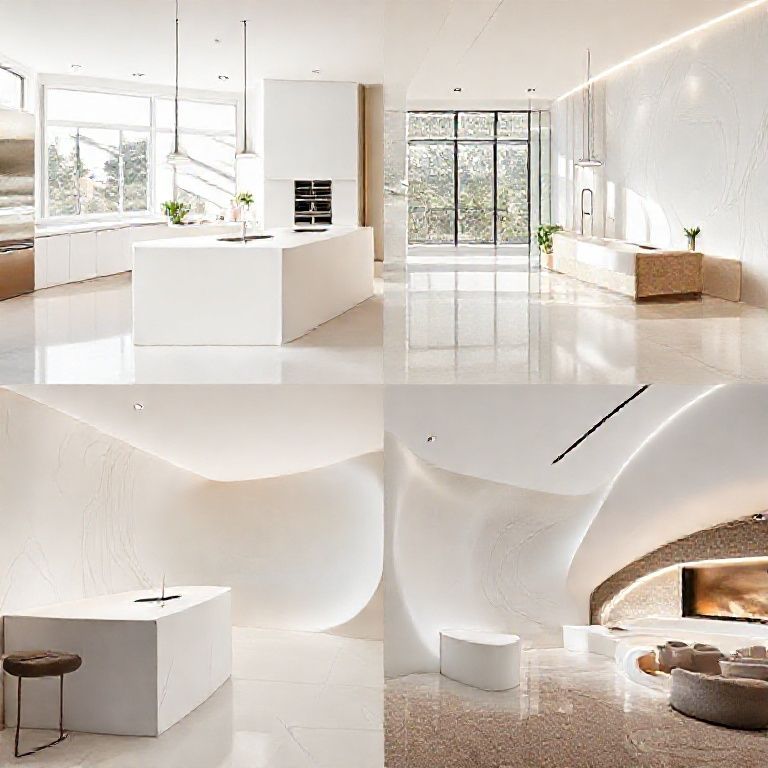
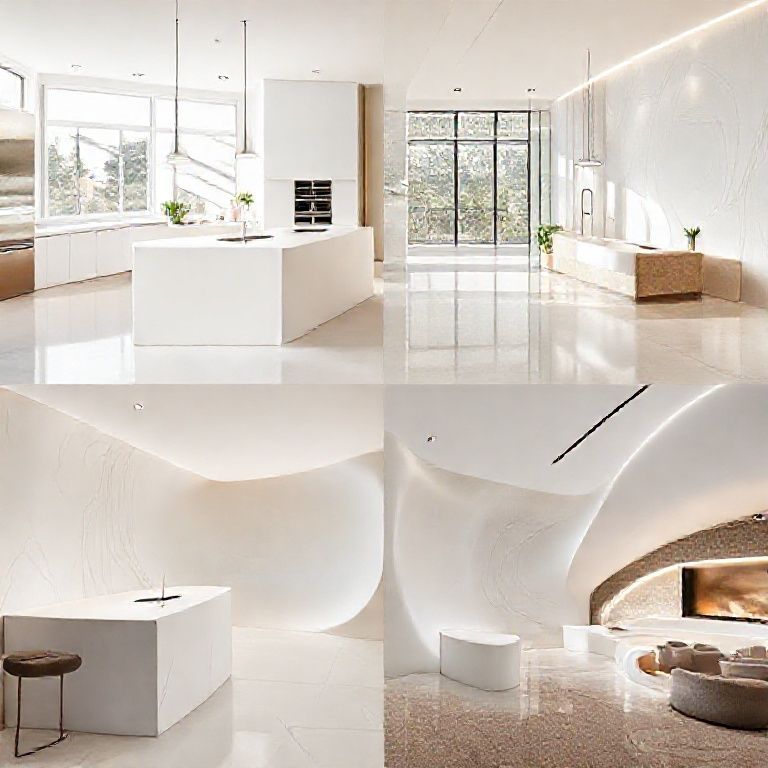
Unveiling the Elegance of Engineered Marble: What is Artificial Marble?
In today’s world of design and architecture, the quest for beauty, durability, and innovation continues to drive the evolution of materials used in both residential and commercial spaces. One of the most exciting developments in this field is artificial marble, a material that combines the elegance of traditional marble with modern engineering techniques to create stunning, long-lasting surfaces. Let’s delve into the world of artificial marble to understand its unique characteristics and why it has become a preferred choice for designers and homeowners alike.

The Origins and Composition of Artificial Marble
Artificial marble, also known as engineered marble or synthetic marble, is a composite material that is crafted from a mixture of natural stone powder, typically calcite (the primary component of natural marble), and resin. This combination is meticulously processed and molded under high pressure and temperature to produce a material that mimics the appearance and texture of natural marble while offering superior durability and resistance to wear and tear.
The key ingredient in artificial marble is the resin, which binds the stone powder together to form a solid, homogeneous material. The resin used in engineered marble is usually a polymer, often acrylic or polyester. This polymer not only enhances the strength and durability of the material but also gives it the unique ability to be colored and finished in a myriad of ways. Unlike natural stone, which can vary significantly from one piece to the next, artificial marble offers a consistent and uniform look, ensuring that each piece is a true replica of the design envisioned by the designer or homeowner.
The Beauty and Versatility of Artificial Marble
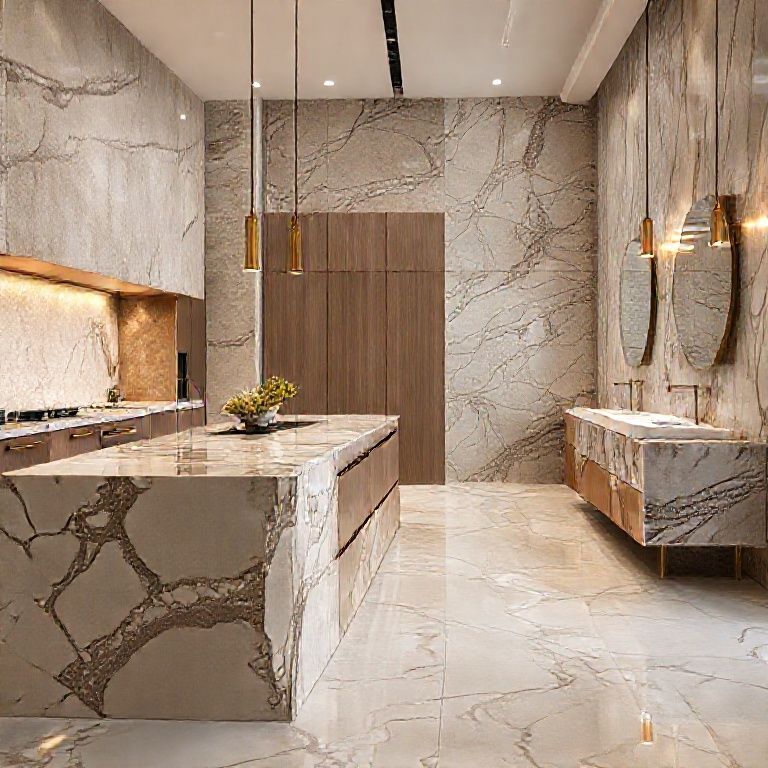
One of the most compelling reasons for the popularity of artificial marble is its unparalleled beauty. The material can be engineered to replicate the intricate patterns and colors of natural marble, quartz, granite, and even wood. This versatility allows designers to create unique and custom designs that can fit any aesthetic or functional requirement. Whether it’s a sleek, modern kitchen countertop or a luxurious bathroom vanity, artificial marble can be crafted to match or exceed the visual appeal of natural stone.
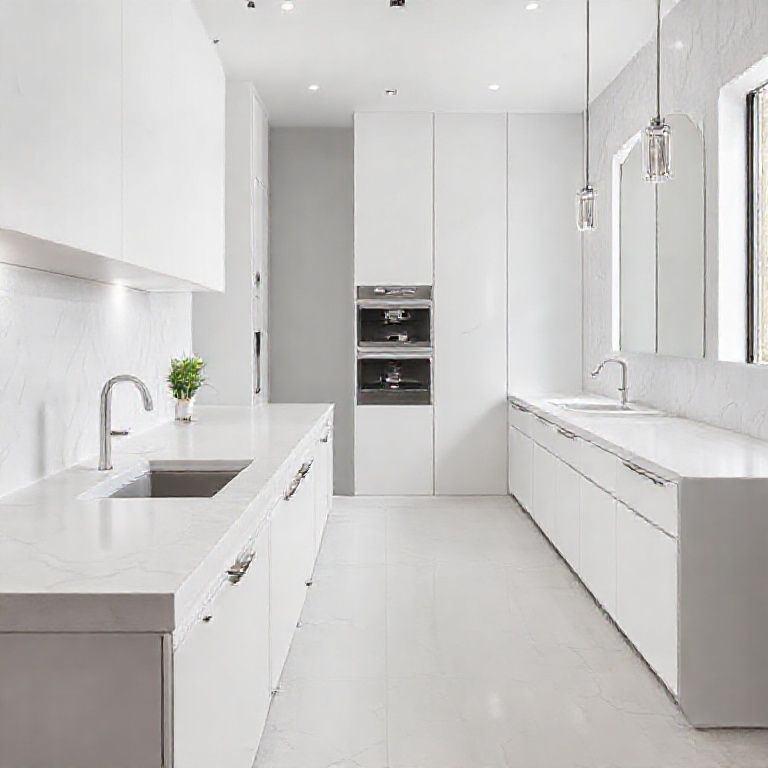
Moreover, artificial marble is not just about beauty; it’s also about functionality. Unlike natural stone, which can be prone to staining, chipping, and cracking, artificial marble is remarkably resistant to these issues. The high-pressure and high-temperature process used in its creation ensures that the material is tough and durable, making it suitable for high-traffic areas where wear and tear are common.
The Benefits of Choosing Artificial Marble
When it comes to selecting materials for interior and exterior design, the benefits of artificial marble are hard to ignore. Here are some of the key advantages that make this material an attractive option:
Durability and Resistance: Artificial marble is highly resistant to stains, scratches, and chips. The resin used in its creation ensures that it maintains its appearance and integrity over time, even in areas where it is subject to frequent use and exposure.
Affordability: While artificial marble may have a higher initial cost compared to some other materials, its durability and low maintenance requirements make it a cost-effective choice in the long run. Homeowners and businesses save on the need for frequent replacements and repairs.
Customization and Design Flexibility: The ability to mold artificial marble into various shapes and sizes allows for a high degree of customization. Designers can create unique pieces that fit perfectly into any space, whether it’s a custom kitchen island, a bar top, or a bathroom sink.
Low Maintenance: Unlike natural stone, which often requires sealing and regular maintenance to prevent staining and damage, artificial marble can be easily wiped clean with a damp cloth. This simplicity makes it an ideal choice for busy households and commercial spaces.
Environmental Considerations: The production of artificial marble is generally more environmentally friendly than that of natural stone. The use of recycled stone powder and resins reduces waste and the need for quarrying, which can have significant ecological impacts.
The Future of Artificial Marble
As technology continues to advance, the possibilities for artificial marble are expanding. Innovations in resin technology and manufacturing processes are pushing the boundaries of what this versatile material can achieve. Researchers are exploring new ways to enhance the durability, appearance, and functionality of artificial marble, ensuring that it remains at the forefront of modern design materials.
In conclusion, artificial marble is a remarkable material that offers the best of both worlds—the aesthetic appeal and intricate beauty of natural marble with the practical advantages of a durable, low-maintenance alternative. As designers and homeowners seek materials that combine beauty with function, artificial marble stands out as a leading choice for creating spaces that are both elegant and resilient. Whether you’re renovating a kitchen, designing a bathroom, or adding a touch of luxury to your home or business, artificial marble is a material that promises to deliver both style and substance.
The Versatility and Applications of Artificial Marble
Artificial marble is not just a material for countertops and kitchen islands. Its versatility extends to a wide range of applications across various industries, making it a favorite among designers, architects, and homeowners. In this part, we will explore the numerous uses of artificial marble, from residential to commercial projects, and how its unique properties make it an ideal choice for a variety of settings.
Residential Applications
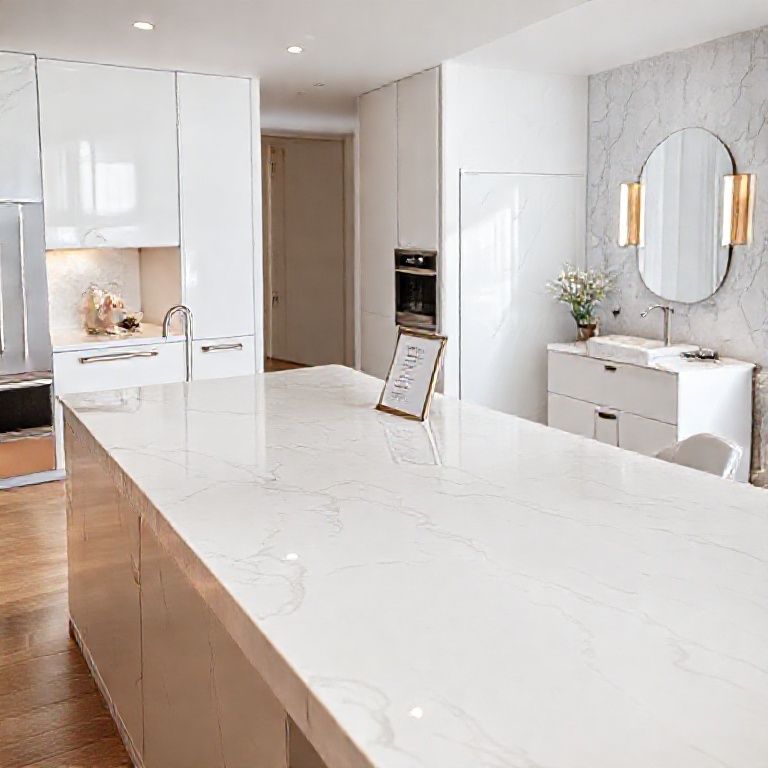
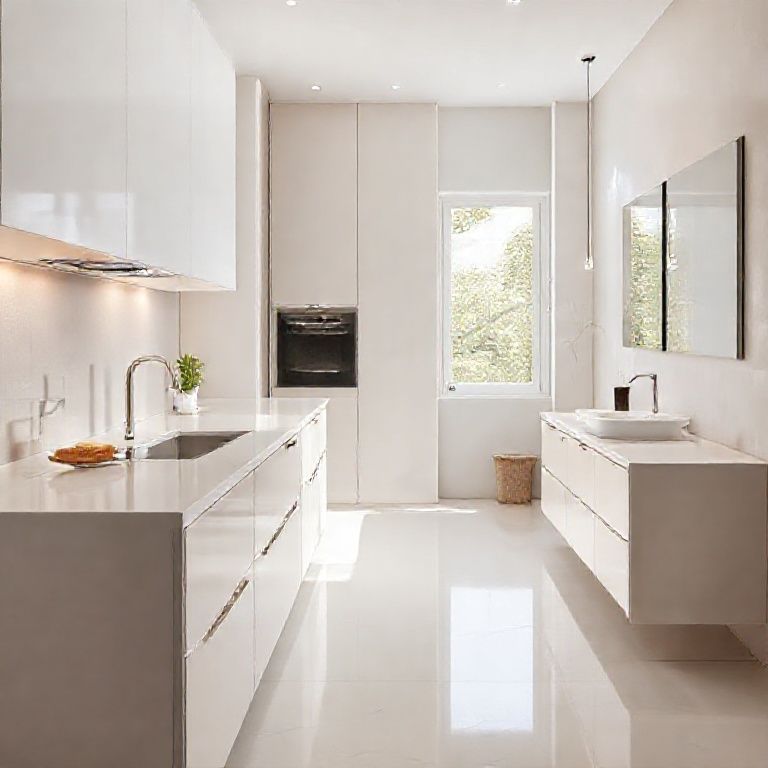
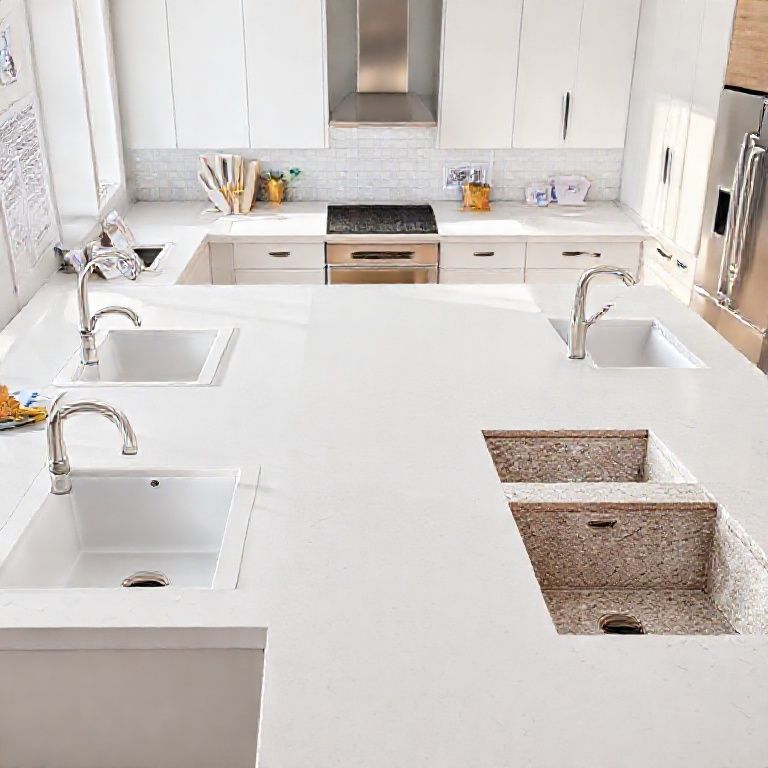
Kitchen Countertops and Islands: One of the most popular uses of artificial marble is in kitchen design. The material’s ability to mimic the look of natural marble while offering superior durability makes it an excellent choice for countertops and island surfaces. Artificial marble countertops are resistant to stains, scratches, and chips, ensuring that they maintain their appearance and functionality over time. They can be designed to complement any kitchen style, from modern and minimalist to traditional and ornate.
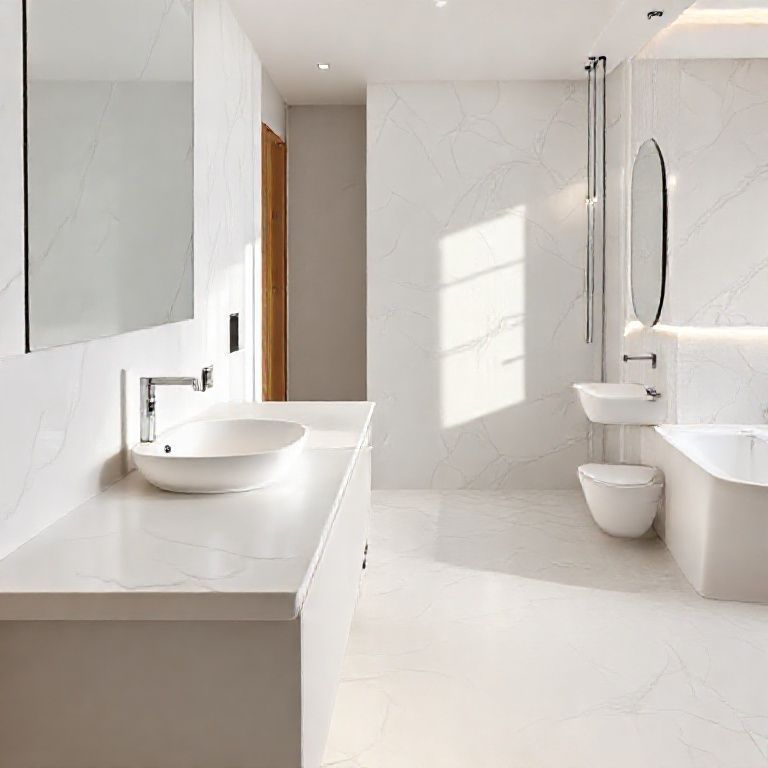
Bathroom Vanities and Sinks: In bathroom design, artificial marble is often used for vanities and sinks. The material’s resistance to water and stains makes it ideal for areas where moisture is prevalent. Additionally, the ability to create custom designs and finishes allows for personalized and unique bathroom spaces. Whether you want a sleek, contemporary look or a more traditional design, artificial marble can be engineered to fit your vision.
Interior Walls and Panels: Beyond countertops and vanities, artificial marble is also used for interior walls and panels. This application adds a touch of elegance and luxury to any room. The material can be molded into various shapes and sizes, allowing for creative and customizable wall treatments. From accent walls to full paneling, artificial marble can enhance the aesthetic appeal of any interior space.
Commercial Applications
Office Spaces: In commercial settings, artificial marble is a popular choice for office interiors. It is used for reception desks, conference tables, and reception areas. The material’s durability and resistance to wear and tear make it suitable for high-traffic areas where constant use and exposure to spills are common. Additionally, its versatility allows for the creation of custom designs that can complement the overall office aesthetic.
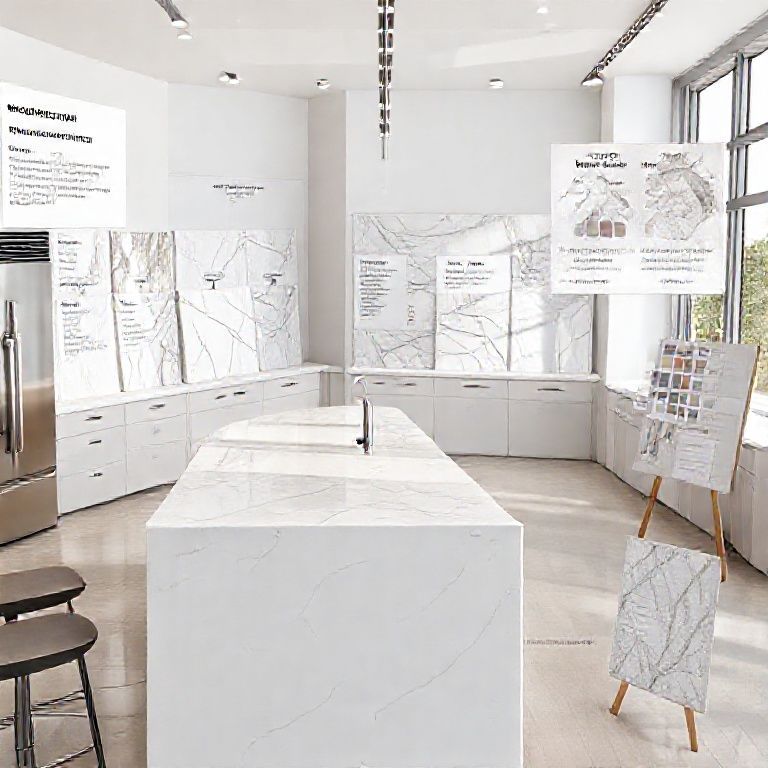
Retail Displays and Showrooms: Artificial marble is also widely used in retail displays and showrooms. Its ability to replicate the look of natural stone while offering superior durability makes it ideal for creating eye-catching and durable displays. Retailers can use artificial marble to create custom displays that showcase products in an attractive and professional manner. The material’s resistance to stains and chips ensures that displays remain pristine and appealing over time.
Hospitality and Restaurants: In the hospitality and restaurant industries, artificial marble is used for countertops, bar tops, and even flooring. The material’s ability to withstand frequent use and exposure to liquids makes it an excellent choice for areas where hygiene and durability are paramount. Additionally, its aesthetic appeal can enhance the overall ambiance of a restaurant or hotel, creating a welcoming and luxurious environment for guests.
Industrial Applications
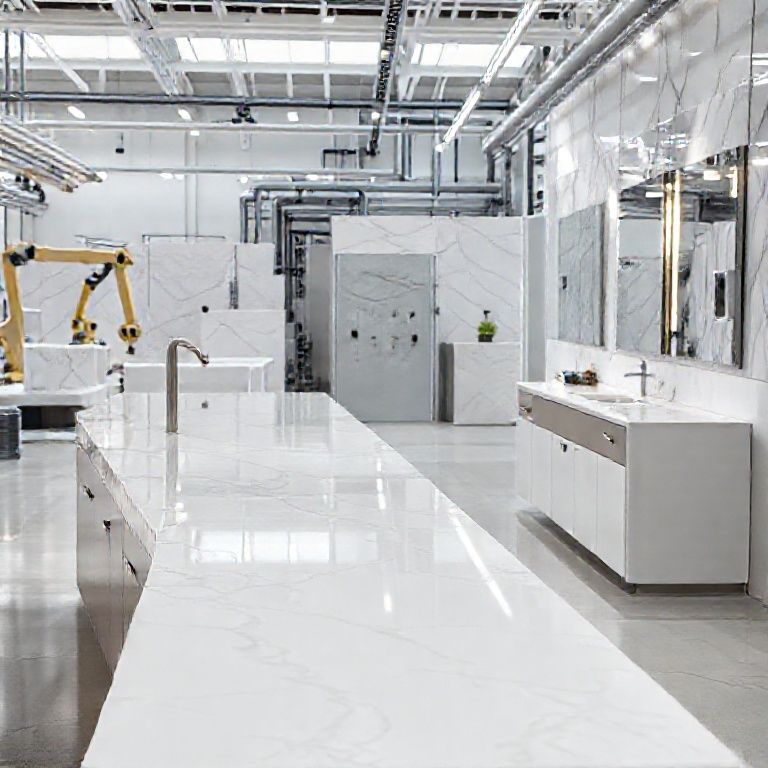
Laboratories and Scientific Equipment: Artificial marble is used in laboratories and scientific equipment settings due to its resistance to chemicals and its non-porous nature. This makes it ideal for surfaces that come into contact with various chemicals and solutions. The material’s durability and resistance to stains ensure that laboratory surfaces remain clean and functional over time.
Manufacturing and Production Lines: In manufacturing and production lines, artificial marble is used for surfaces that require high durability and resistance to wear and tear. The material’s ability to withstand constant use and exposure to various elements makes it suitable for industrial settings where maintenance and cleanliness are critical.
The Environmental Impact and Sustainability
As the world becomes more conscious of environmental issues, the sustainability of materials is a significant consideration. Artificial marble offers several advantages in terms of environmental impact and sustainability:
Reduction in Quarrying: The production of artificial marble involves the use of recycled stone powder and resins, which reduces the need for quarrying natural stone. Quarrying can have significant ecological impacts, including habitat destruction and pollution. By using recycled materials, artificial marble helps to reduce the environmental footprint associated with the production of stone.
Lower Energy Consumption: The manufacturing process for artificial marble typically requires less energy compared to the extraction and processing of natural stone. This lower energy consumption contributes to a reduced carbon footprint and environmental impact.
Durability and Longevity: The durability and longevity of artificial marble mean that it requires less frequent replacement继续:环保和可持续性的进一步探讨
资源利用效率:由于人工合成的工艺,人造大理石可以更高效地利用原材料。这意味着在同等体积下,生产人造大理石所需的原材料比天然大理石要少。这种高效利用不仅减少了资源浪费,还降低了对天然石材的过度开采,从而保护了自然生态环境。
生产过程的碳足迹:尽管人造大理石的生产过程涉及高温高压的工艺,但这些工艺通常在工业化控制下进行,能耗和碳排放可以通过技术手段进行有效控制。很多生产企业会采用可再生能源,例如太阳能、风能等,进一步降低生产过程中的碳排放。
人造大理石的未来趋势
技术创新和设计多样化:未来,随着材料科学和工艺技术的不断进步,人造大理石将进一步提升其性能和外观多样性。新的工艺和技术将使得人造大理石在外观上更加接近自然石材,同时在耐久性、抗污性和抗冲击性方面取得更大突破。
智能化和功能性升级:未来,人造大理石可能会融入更多的智能化和功能性设计。例如,通过嵌入传感器和其他智能元件,可以实现对环境变化的实时监测和反馈,提高家居和办公环境的智能化管理水平。
环保材料的研发:随着环保意识的提升,未来的人造大理石材料将更加注重环保性。这不仅体现在材料的可再生性和可回收性上,还包括在生产过程中尽量减少有害物质的排放,以及在产品使用和废弃后的环保处理。
个性化定制服务:随着市场需求的多样化,人造大理石的个性化定制服务将会更加普及。通过现代化的设计工具和生产技术,可以满足不同消费者的个性化需求,提供从材质、颜色、纹理到整体设计的高度定制化服务。
结论
人造大理石作为一种现代化的建筑和装饰材料,以其美观、耐用、易于维护和环保等诸多优点,正在迅速成为市场上的重要选择。未来,随着技术的不断进步和环保意识的提升,人造大理石将会在更多领域展现出其独特的价值,为现代建筑和设计带来更多的可能性。无论是在家庭装修、商业空间设计还是工业生产中,人造大理石都将继续扮演重要的角色。