Introduction to Marble Crystal Polishing
In the realm of high-end interior design, marble continues to reign supreme as a symbol of elegance and luxury. Its natural beauty and timeless appeal make it a favored choice for both residential and commercial spaces. However, to truly bring out the best in marble, a meticulous process known as marble crystal polishing is often employed. This process not only enhances the aesthetic appeal but also significantly extends the lifespan of the marble.
Understanding Marble Crystal Polishing
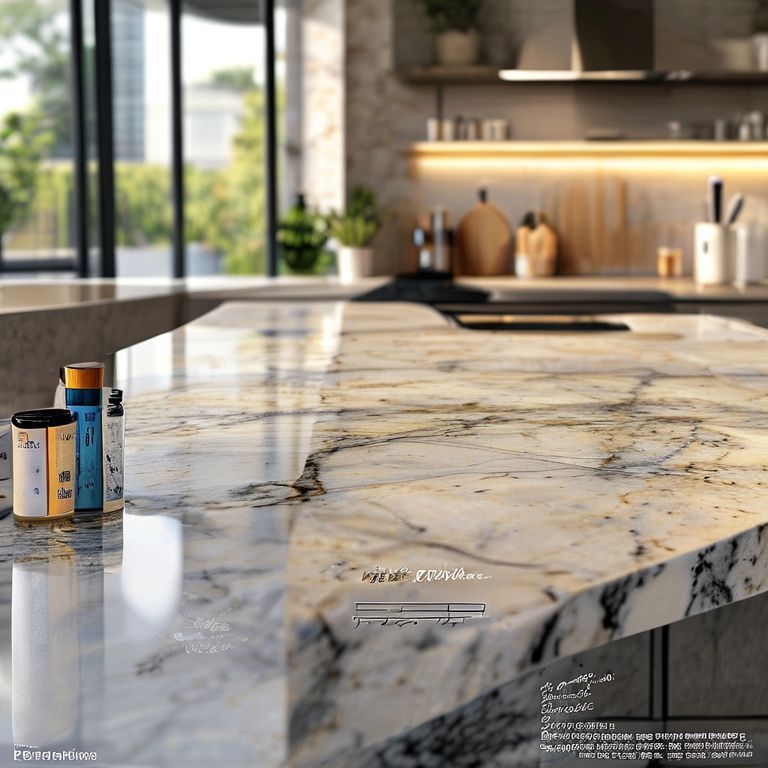
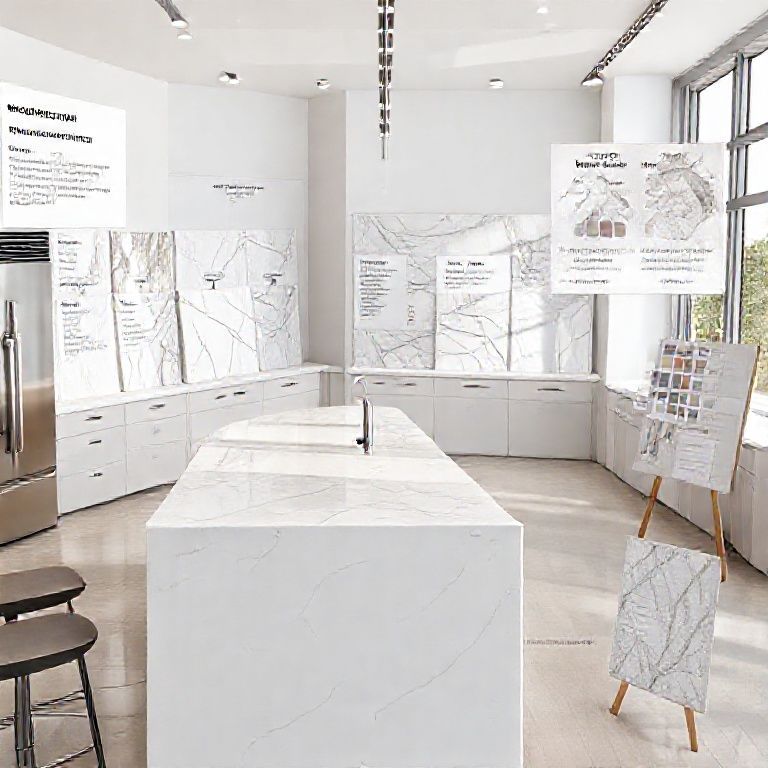
Marble crystal polishing is a specialized treatment that transforms the surface of marble, giving it a mirror-like finish. Unlike traditional polishing, which can only achieve a matte or semi-gloss finish, marble crystal polishing involves the use of advanced techniques and materials to produce a high-gloss, crystal-clear surface. This process involves multiple stages including grinding, polishing, and applying a protective sealant.
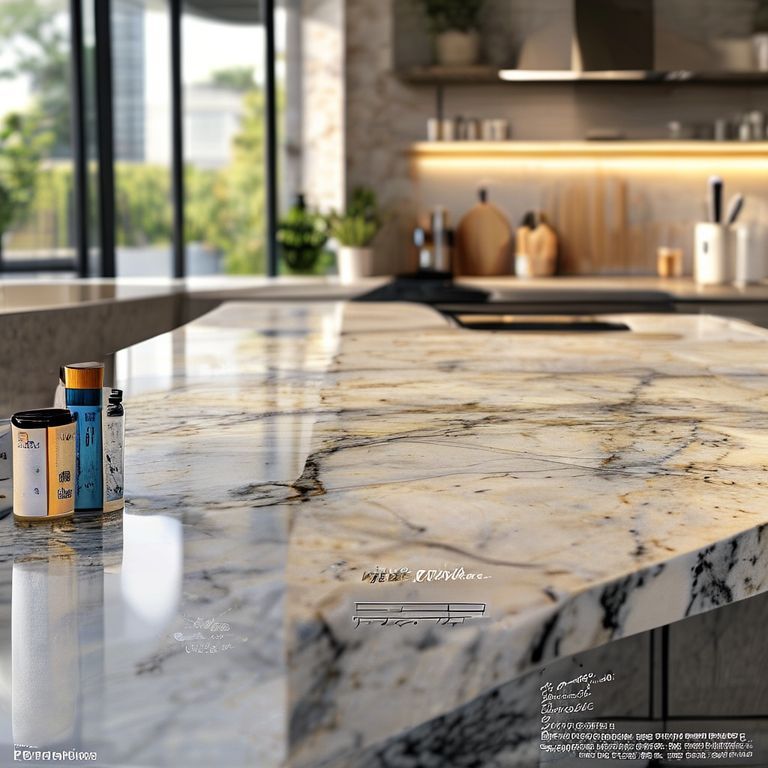
The goal of marble crystal polishing is to remove surface imperfections, such as scratches, stains, and discoloration, revealing the stone’s natural beauty. The result is a stunning, reflective surface that not only looks beautiful but also resists staining and wear, maintaining its pristine appearance for years to come.
The Benefits of Marble Crystal Polishing
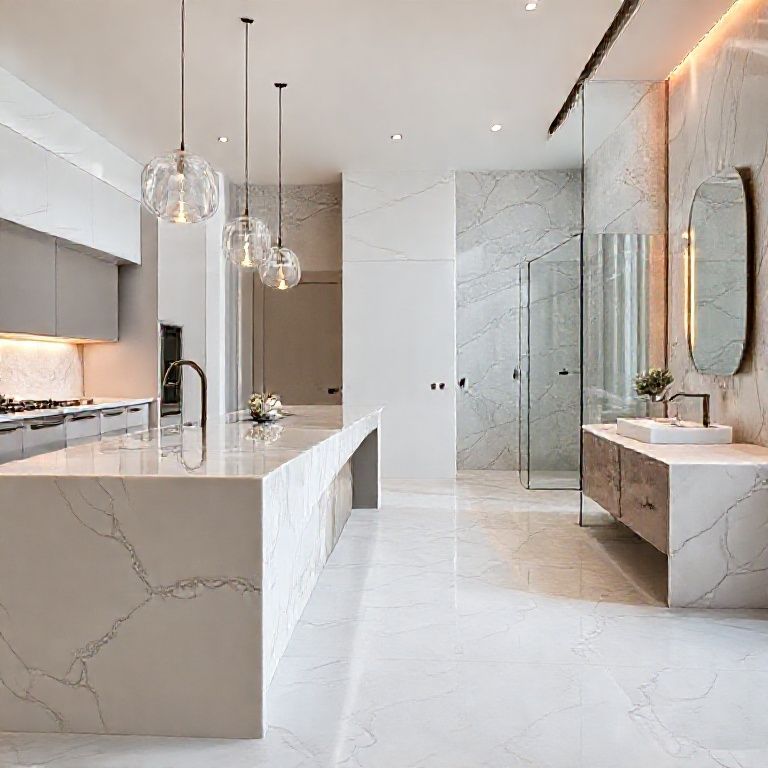
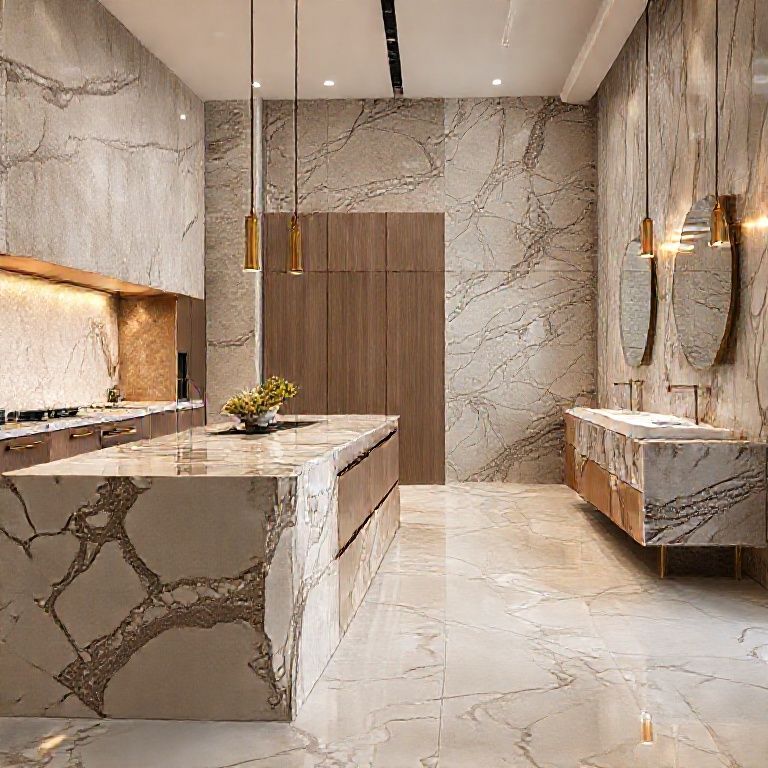
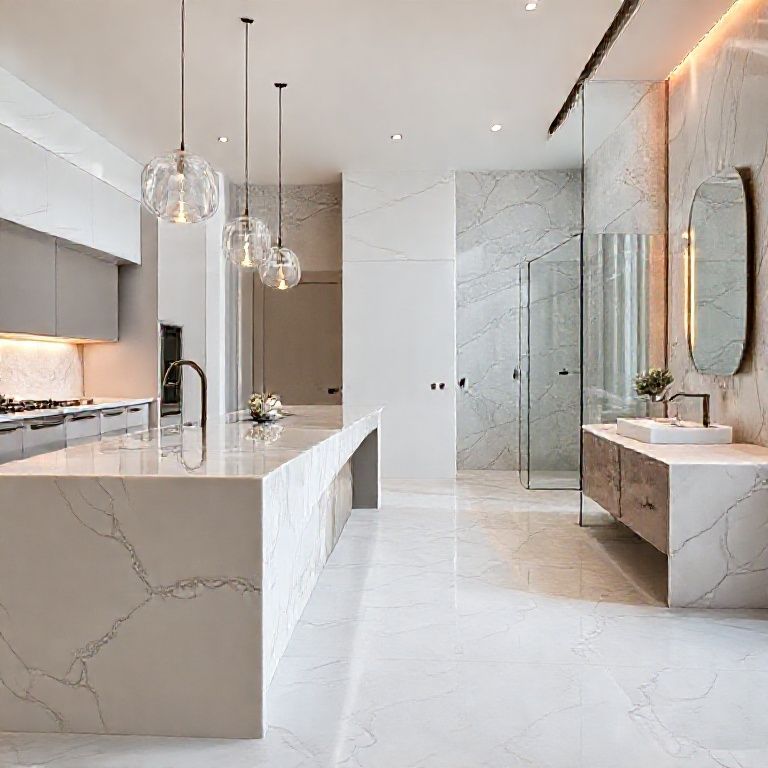
One of the primary benefits of marble crystal polishing is the dramatic improvement in the visual appeal of the marble surface. The high-gloss finish created by this process is both stunning and unique, offering a luxurious touch that enhances any space. The polished surface is also highly reflective, making it ideal for areas where natural light is abundant.
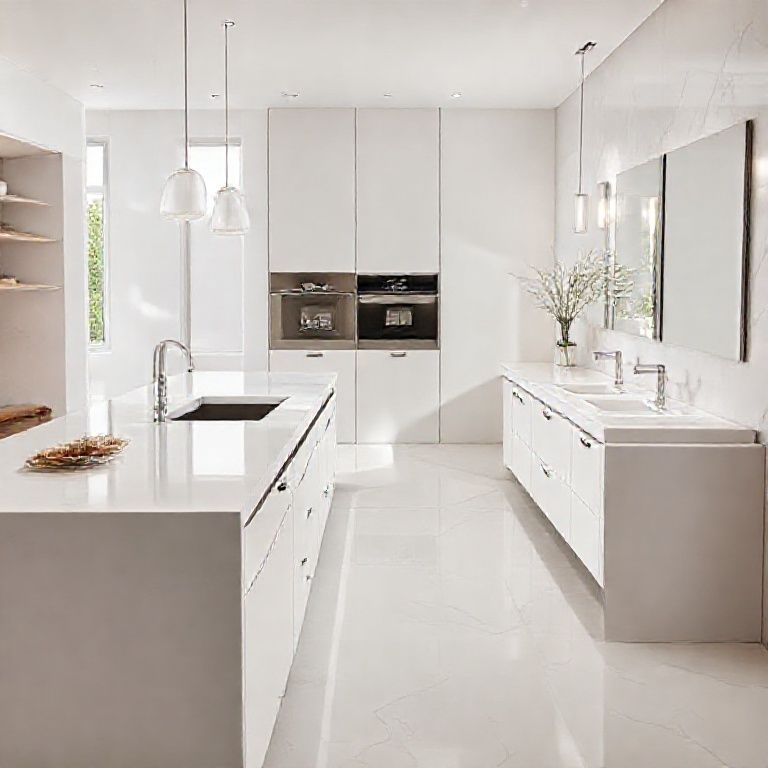
In addition to its aesthetic advantages, marble crystal polishing provides practical benefits. The polished surface is easier to clean and maintain, as dirt and grime are less likely to adhere to it. This makes marble crystal polished floors easier to keep spotless and reduces the frequency of deep cleaning required.
Moreover, the polishing process can significantly extend the lifespan of the marble. By removing surface imperfections and sealing the stone, the polished marble is better protected against stains, scratches, and other forms of damage. This not only preserves the beauty of the marble but also reduces the need for costly repairs or replacements.
Factors Influencing the Cost of Marble Crystal Polishing
When considering marble crystal polishing, it’s important to understand the factors that influence its cost. While the price can vary based on several variables, understanding these factors can help you make an informed decision.
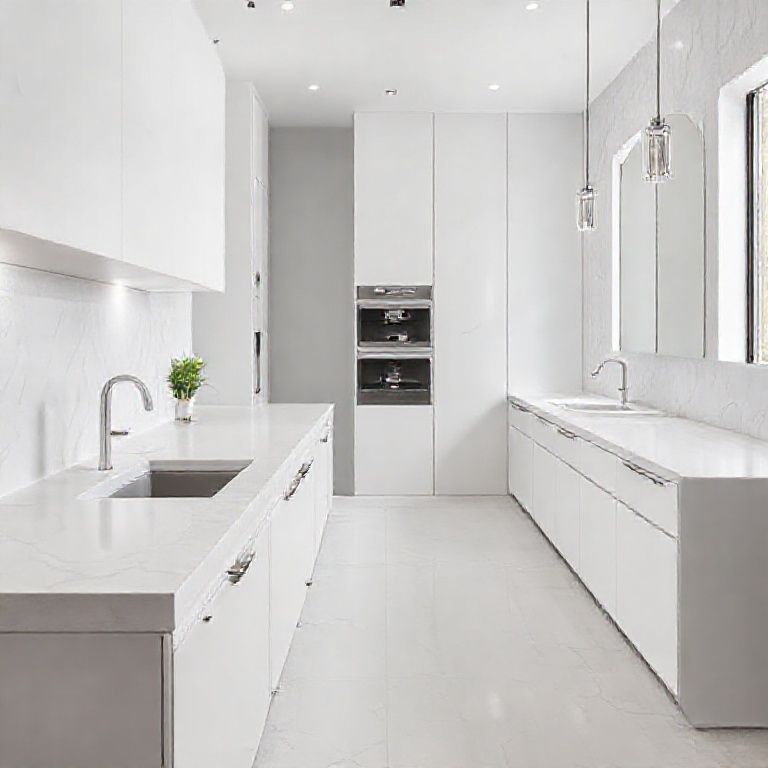
Type of Marble: The type of marble used can significantly impact the cost. High-quality, rare marbles such as Calacatta, Carrara, and Bianco Antico may require more precise polishing techniques, leading to higher costs.
Surface Area: The size of the area to be polished is a primary determinant of cost. Larger areas will naturally incur higher costs due to the time and materials required for the polishing process.
Condition of the Marble: The current state of the marble’s surface plays a crucial role. If the marble has significant scratches, stains, or discoloration, more intensive treatment may be required, increasing the cost.
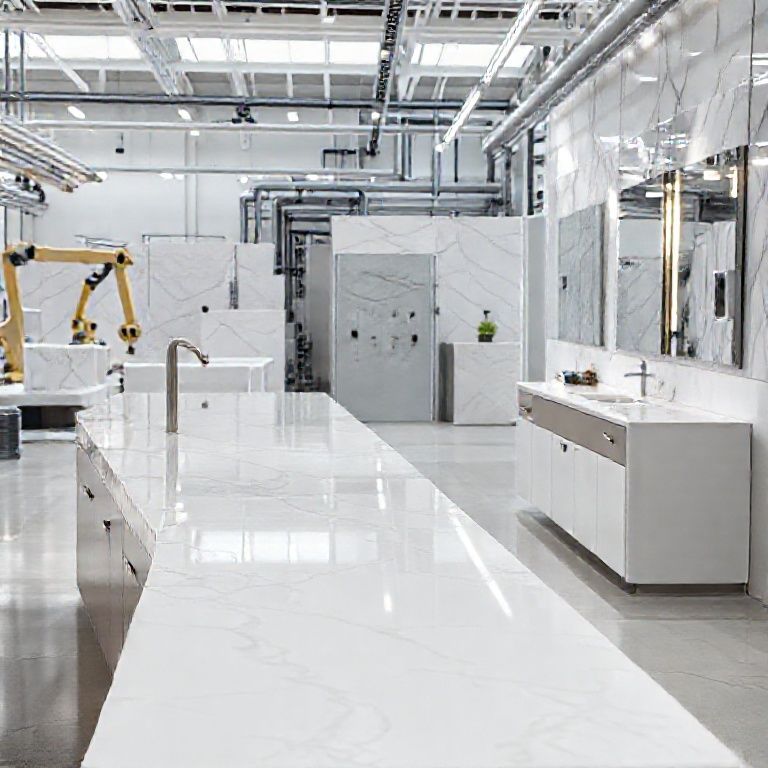
Complexity of the Design: Marble with intricate designs or patterns may require additional time and effort to polish, thereby raising the overall cost.
Location: The geographical location of the service provider can influence the cost. Urban areas with higher demand and costs of living may charge more than rural locations.
Labor and Expertise: Skilled labor is essential for achieving a high-quality polished finish. Experienced professionals who specialize in marble polishing will typically charge more for their expertise.
The Cost of Marble Crystal Polishing: A Detailed Breakdown
To provide a clearer picture, let’s break down the cost of marble crystal polishing into several components.
Initial Assessment and Consultation:
Before beginning the polishing process, a professional will conduct an initial assessment to evaluate the condition of the marble and determine the best course of action. This may involve a consultation with the client to discuss expectations and budget. While this step doesn’t incur a direct cost, it’s crucial for ensuring a successful outcome.
Materials and Equipment:
The cost of materials and equipment is a significant component of the overall expense. High-quality polishing pads, abrasive compounds, and sealants are essential for achieving the desired finish. Advanced equipment, such as rotary machines and vacuum systems, also contributes to the cost.
Labor Costs:
The expertise of the polishing technician is invaluable, and labor costs can vary widely based on experience and skill level. Highly experienced professionals who specialize in marble polishing will typically charge more for their services. Additionally, the time required to complete the project will impact labor costs.
Polishing Process:
The actual polishing process itself is labor-intensive and can take several hours to complete. The cost of polishing will depend on the complexity of the project, the type of marble, and the desired finish. Multiple passes may be required to achieve the crystal-clear surface, each adding to the overall cost.
Final Sealant:
To protect the polished surface and enhance its durability, a high-quality sealant is applied. The cost of the sealant and the labor required to apply it will contribute to the overall expense.
Conclusion
Marble crystal polishing is a transformative process that can elevate the beauty and longevity of your marble surfaces. While the cost may seem significant, the investment pays off in the form of a stunning, high-gloss finish that enhances the aesthetic appeal of any space. By understanding the factors that influence the cost and the benefits of the process, you can make an informed decision that aligns with your budget and design goals.
In the next part of our exploration, we will delve deeper into the process of marble crystal polishing, examining the steps involved, the expertise required, and the long-term benefits of this luxurious treatment. Stay tuned to discover more about how marble crystal polishing can transform your marble surfaces into works of art.
The Detailed Process of Marble Crystal Polishing
In the second part of our exploration into marble crystal polishing, we will take a closer look at the intricate steps involved in this transformative process. Understanding the detailed procedure can help you appreciate the skill and expertise required to achieve the stunning results that marble crystal polishing offers.
Step-by-Step Process of Marble Crystal Polishing
Initial Assessment and Planning:
The first step in the marble crystal polishing process is a thorough assessment of the marble surface. A skilled technician will evaluate the current condition of the marble, identifying any imperfections, stains, or scratches that need to be addressed. Based on this assessment, a customized polishing plan is developed to ensure the best possible outcome.
Preparation:
Before polishing can begin, the marble surface must be prepared. This involves cleaning the marble thoroughly to remove any dirt, grime, or debris. The technician will use specialized cleaning agents and equipment to ensure the surface is free of contaminants that could interfere with the polishing process.
Grinding:
The grinding stage is essential for preparing the marble surface for polishing. Using specialized rotary machines and abrasive compounds, the technician will remove any surface imperfections, such as scratches or stains. This step is crucial for achieving a smooth base that will allow the polishing compounds to work effectively.
Polishing:
Once the grinding stage is complete, the polishing process begins. The technician will use a series of increasingly fine-grit abrasive compounds to polish the marble surface. Each pass is carefully executed to ensure an even, high-gloss finish. The polishing process may involve multiple stages, each using different compounds and pads to achieve the desired crystal-clear surface.
Final Polishing:
The final polishing stage is critical for achieving the ultimate shine. Using ultra-fine abrasives and specialized polishing pads, the technician will smooth out any remaining imperfections and enhance the marble’s natural luster. This step requires precision and expertise to ensure a flawless finish.
Sealant Application:
To protect the polished marble surface and maintain its shine, a high-quality sealant is applied. The technician will use specialized equipment to ensure the sealant is applied evenly and effectively. The sealant not only enhances the durability of the polished surface but also provides a protective barrier against stains and scratches.
Expertise and Skill Required
Achieving the perfect marble crystal polish requires a high level of expertise and skill. The technician must have a deep understanding of marble properties, the various polishing techniques, and the materials used in the process. Advanced training and experience are essential for producing the stunning results that marble crystal polishing can deliver.
Long-Term Benefits of Marble Crystal Polishing
Investing in marble crystal polishing offers numerous long-term benefits that go beyond the initial aesthetic appeal.
Enhanced Aesthetic Appeal:
The most immediate benefit of marble crystal polishing is the dramatic enhancement in the visual appeal of the marble surface. The high-gloss finish created by this process is both stunning and unique, offering a luxurious touch that elevates any space. The polished surface is reflective, making it ideal for areas where natural light is abundant.
Improved Durability:
Marble crystal polishing significantly extends the lifespan of the marble. By removing surface imperfections and sealing the继续讨论玛丽波恩大理石晶面抛光的长期好处,我们可以深入探讨其实际应用和对环境的影响。
持久的美观性:
经过精心抛光的大理石表面不仅在初始阶段看起来非常光亮,而且由于抛光层的保护作用,其光泽和美观性能够持续数年,甚至更久。这意味着你不必频繁地投入时间和资源进行维护和修复,从而节省了长期的维护成本。
抗污性能:
抛光处理使大理石的纹理更加平滑,减少了污渍和液体渗入石材内部的机会。这不仅让清洁变得更加简单,还能有效减少污渍的积累,使得日常保养更加便捷。高光泽度的表面还可以更容易地反射污渍,从而进一步降低了清洁难度。
耐用性和抗刮擦性:
经过抛光处理的大理石不仅在视觉上更加美观,而且其机械强度和耐刮擦性也得到提升。抛光处理使得大理石的表面层变得更加坚硬,从而能够有效抵御日常使用中的刮擦和磨损。
环保和可持续性:
抛光处理通常采用的是环保材料和技术,这不仅对操作人员的健康无害,对环境也更加友好。现代抛光技术和产品在减少有害化学物质的使用方面做出了大量努力,这有助于减少工业活动对环境的负面影响。
提升空间价值:
无论是住宅还是商业空间,精美的大理石地板和墙面都能够显著提升整体的美感和价值。抛光处理后的大理石具有独特的光泽和质感,使得空间显得更加豪华和高档,从而提升整体的市场价值。
便于清洁:
抛光处理后的大理石表面更加光滑,这使得清洁变得更加容易。抛光层可以有效阻止污渍的渗入,使得清洁剂和水更容易在表面流动,从而减少对大理石表面的磨损。高光泽度的表面也可以反射污渍,使得清洁过程更加高效。
大理石晶面抛光不仅能为你的空间带来美观和耐用的外观,还能提高其日常维护的便捷性,并在长期使用中节省成本。采用环保的抛光技术和材料,还能为环境保护做出贡献。如果你正在考虑为你的家居或商业空间选择高品质的大理石装饰,那么大理石晶面抛光无疑是一个值得投资的选择。