The Allure and Varieties of Imported Marble
The Timeless Beauty of Imported Marble
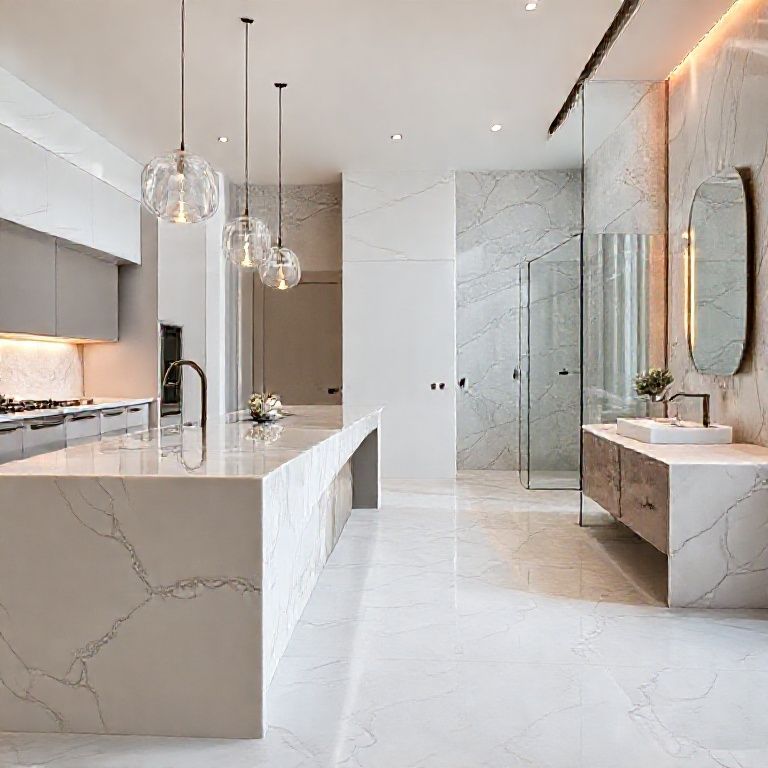
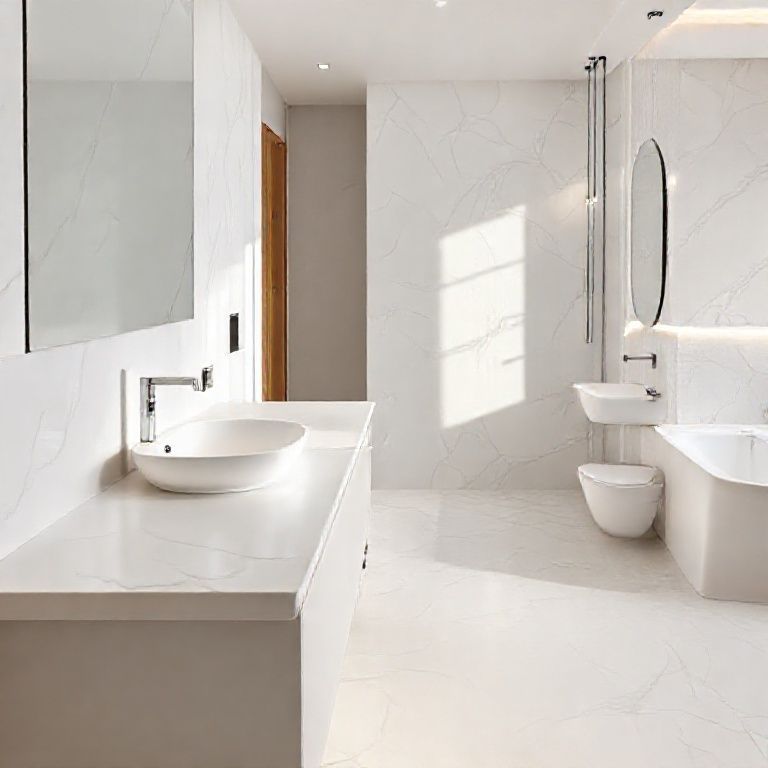
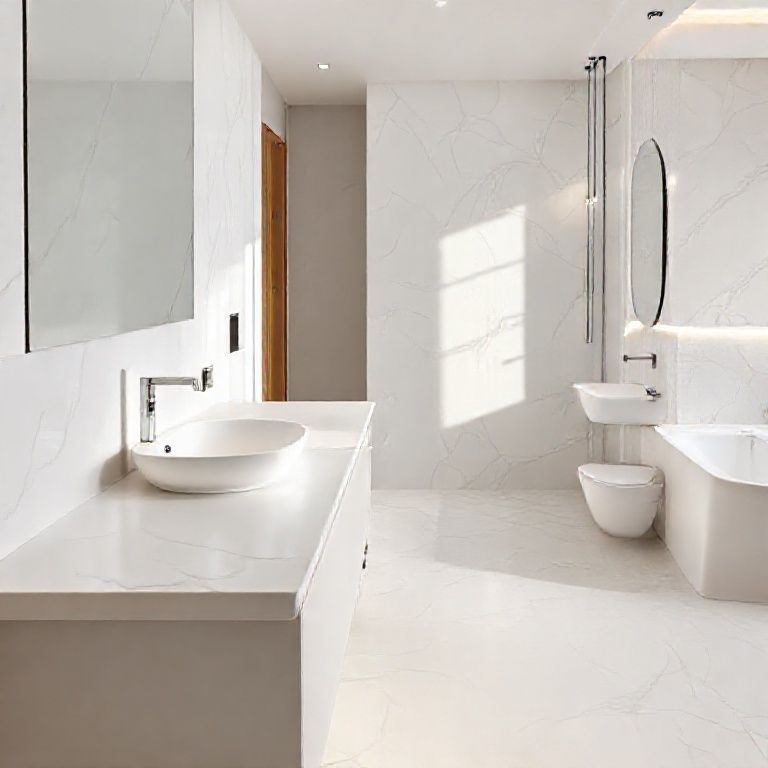
Imported marble has long been a symbol of luxury, elegance, and timeless beauty. Its unique patterns, vibrant colors, and impeccable finish make it a popular choice for high-end interior and exterior projects. Whether you are planning to renovate your home or designing a commercial space, understanding the cost of imported marble per square foot is crucial for making an informed decision.
Varieties of Imported Marble
The world of imported marble is vast and diverse, offering a plethora of options that cater to different tastes and preferences. Here are some of the most sought-after varieties:
1. Italian Marble
Italian marble, particularly from regions like Carrara, is renowned for its fine grain and beautiful hues. Varieties such as Botticino, Carrara, and Statuario are celebrated for their intricate veining and high polishability.
2. Egyptian Marble
Egyptian marble, especially the famous Bianco Egiziano, is prized for its pure white color and classic aesthetic. Its historical significance adds a unique charm to any space.

3. Turkish Marble
Turkish marble, such as the stunning Emperador Gris and the luxurious Nero Marquina, offers a range of colors and patterns that add a dramatic flair to any design.
4. Indian Marble
Indian marble, including the elegant Imperial White and the rich Royal Blue, provides a variety of colors and textures that appeal to diverse design styles.
Factors Influencing Marble Pricing
The cost of imported marble per square foot can vary significantly based on several factors. Here’s a detailed look at the primary influences:
1. Marble Type
Different types of marble have varying qualities, which directly impact their cost. Italian marble, known for its fine grains and vibrant colors, typically commands a higher price compared to other varieties.
2. Color and Pattern
The unique color and pattern of marble significantly affect its price. Marbles with rare or intricate patterns, such as the swirling veins in Statuario or the bold stripes in Emperador Gris, are more expensive.
3. Quality
The quality of marble, including its texture, density, and resistance to staining and scratching, plays a crucial role in pricing. Higher quality marbles with fewer imperfections and better durability are more costly.
4. Source and Transportation
The geographical origin of the marble and the logistics involved in its transportation can influence costs. Marble from renowned quarries like Carrara or the historic mines of Egypt may be more expensive due to their established reputation and the cost of shipping.
5. Labor Costs
The expertise and skill required for marble installation can also affect the overall cost. Areas where skilled labor is abundant might have lower labor costs, while regions with a scarcity of skilled workers might see higher expenses.
Aesthetic Appeal and Investment Value
Investing in imported marble is not just about aesthetics; it’s also a substantial investment in the long-term value of your space. The timeless beauty of marble can enhance the overall elegance of a room, making it a focal point that stands the test of time. The durability and low maintenance of high-quality marble ensure that your investment will retain its value and beauty for decades to come.
Conclusion
Choosing imported marble for your project is a decision that blends style, sophistication, and longevity. By understanding the various types of marble and the factors influencing their cost, you can make a well-informed choice that aligns with your design vision and budget. In the next part of this article, we will delve deeper into specific cost ranges, installation considerations, and tips for maximizing the beauty of imported marble in your space.
Pricing Insights and Installation Tips
Detailed Pricing Insights
Understanding the cost of imported marble per square foot involves more than just knowing the price; it’s about breaking down the elements that contribute to the overall cost. Here’s a comprehensive look at the pricing breakdown:
1. Basic Cost Ranges
The cost of imported marble can vary widely depending on the type, quality, and specific design requirements. Here are some general cost ranges:
Italian Marble: $50 – $150 per square foot Egyptian Marble: $30 – $100 per square foot Turkish Marble: $40 – $130 per square foot Indian Marble: $25 – $90 per square foot
2. Factors Affecting Cost
Several factors influence the overall pricing of imported marble:
a. Type and Color
Rare Colors: Marbles with rare or unique colors, such as the deep blue of Royal Blue or the intricate patterns of Emperador Gris, typically have higher price tags. Standard Colors: Common colors like white or light grey are generally more affordable.
b. Quality and Finish
High-Quality Marble: Marble with a fine grain, fewer blemishes, and superior polishability commands a higher price. Standard Quality: While still beautiful, standard quality marbles are more budget-friendly.
c. Source and Logistics
Proximity to Quarry: Marble sourced closer to the quarry often costs less due to lower transportation fees. Shipping Costs: International shipping can significantly impact the final cost, especially for marble from distant countries.
d. Installation Costs
Labor Costs: The cost of professional installation varies by region and the expertise of the labor. High-quality installations in areas with a high demand for skilled workers will incur higher fees. Additional Costs: Costs for cutting, shaping, and finishing the marble to fit your space also affect the total expense.
Installation Tips for Maximizing Marble Beauty
To ensure that your imported marble not only looks stunning but also lasts for years, follow these expert tips:
1. Choose the Right Marble
Selecting the right type of marble for your project is crucial. Consider the following:
Durability: Choose marbles known for their durability and resistance to stains and scratches, especially for high-traffic areas. Aesthetic Appeal: Opt for marbles that complement your design vision and color scheme.
2. Professional Installation
A professional installation ensures that the marble is correctly cut, fitted, and polished. Here’s why professional installation matters:
Precision: Skilled professionals ensure precise cuts and alignment, enhancing the overall look and feel. Skill: Experienced installers know how to handle different types of marble and can provide tips on maintenance and care.
3. Regular Maintenance
To maintain the beauty and longevity of your marble, follow these maintenance tips:
Cleaning: Use a mild pH-neutral cleaner and a soft cloth to avoid damaging the marble’s surface. Sealing: Regular sealing helps protect the marble from stains and enhances its shine. Avoiding Damage: Use coasters and place mats to protect the marble from spills and scratches.
4. Design Integration
Integrating marble into your design can elevate the entire space. Here are some ideas:
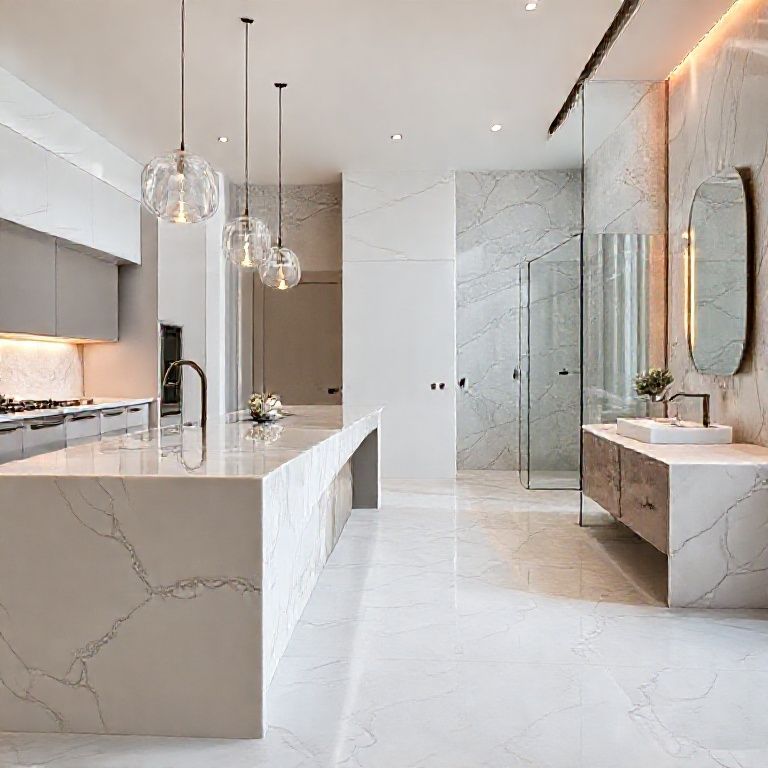
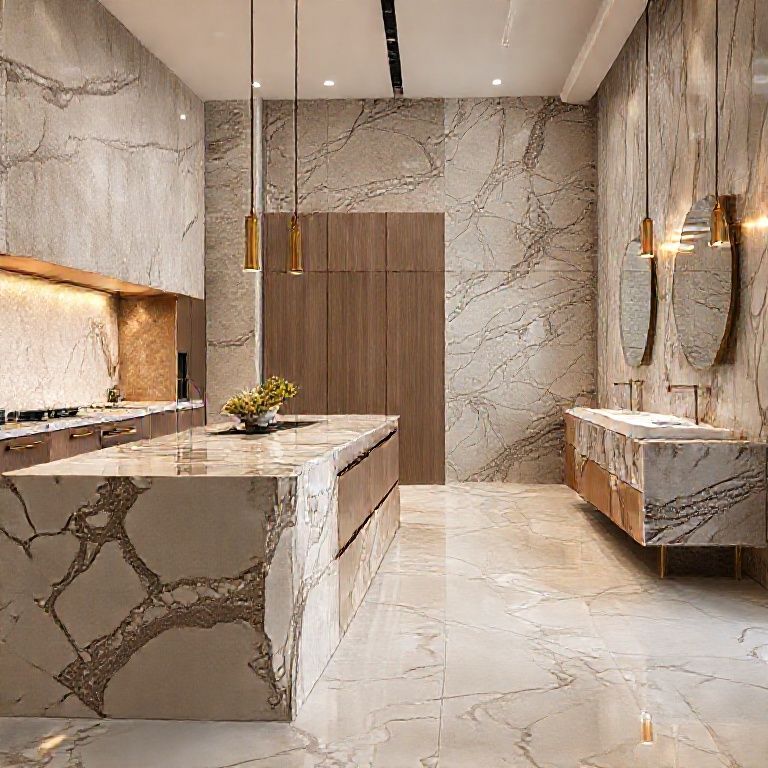
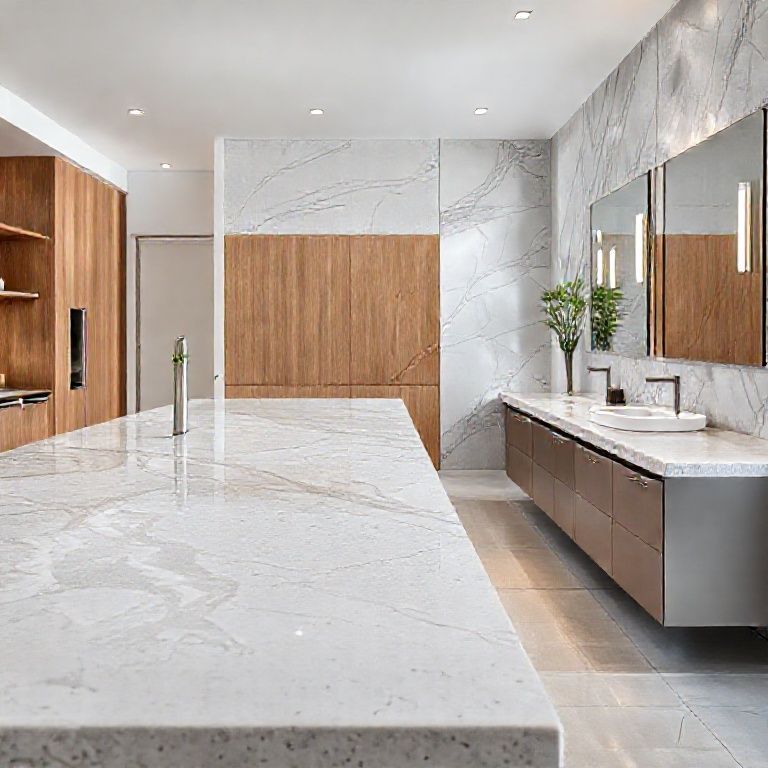
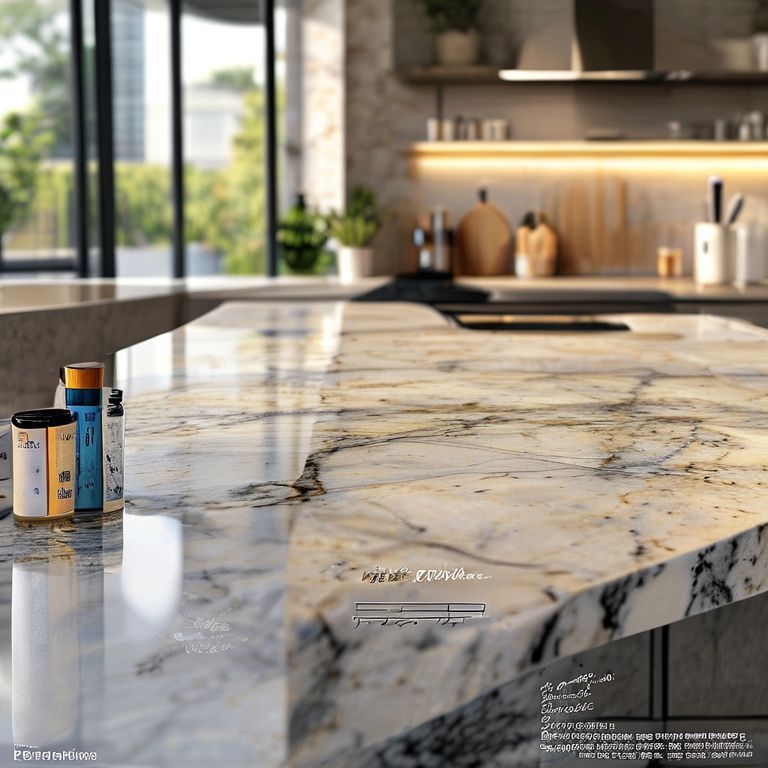
Flooring: Marble floors add a luxurious touch to any room, from living rooms to kitchens. Countertops: Marble countertops in kitchens and bathrooms showcase the material’s beauty and durability. Walls and Backsplashes: Use marble for walls and backsplashes to add elegance and a touch of sophistication.
Conclusion
Investing in imported marble is a blend of art and practicality. By understanding the cost factors and following expert installation and maintenance tips, you can maximize the beauty and value of your marble investment. In the dynamic world of interior design, marble remains a timeless choice that enhances any space with its elegance and durability. As you consider the cost per square foot, remember that the right choice in marble can transform your space into a luxurious sanctuary that exudes timeless charm.
This comprehensive guide aims to provide you with the knowledge and insights needed to make an informed decision about imported marble, ensuring that your space reflects both beauty and value.