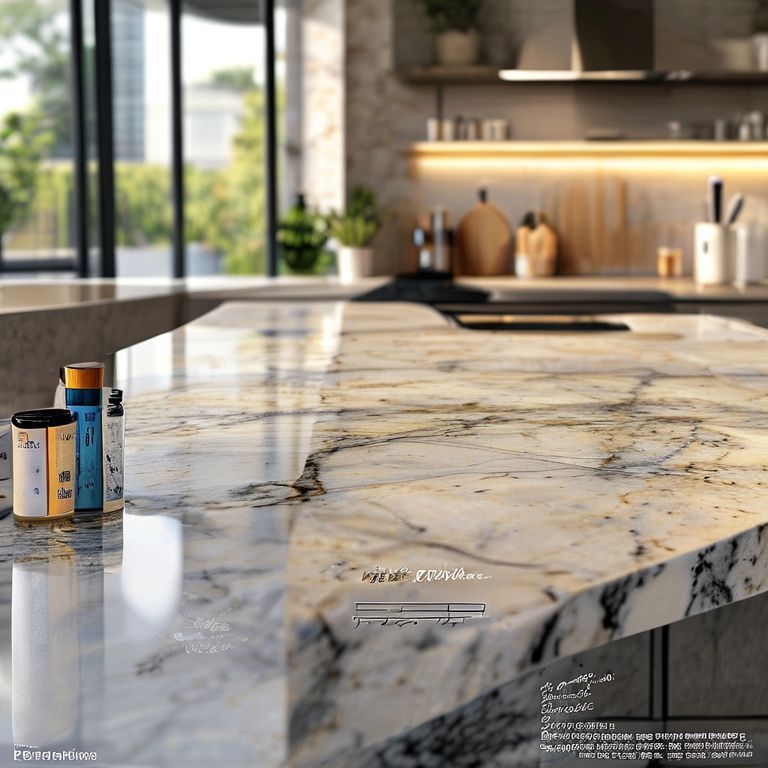
Dive deep into the captivating world of marble stone materials with our comprehensive exploration. From pricing insights to the myriad benefits of using marble in interior and exterior design, we cover it all in two engaging parts. Discover the allure, quality, and value of marble stone materials with expert advice and real-world examples.
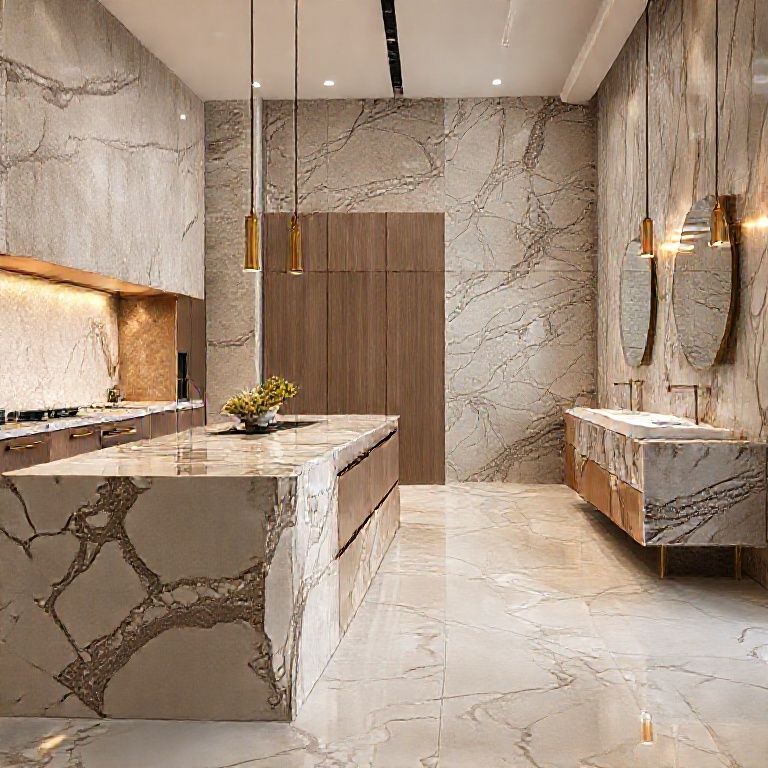
marble stone materials, marble pricing, marble benefits, marble stone cost, marble material quality, marble for interior design, marble for exterior design, marble stone features, luxury marble, marble installation
Unveiling the Exquisite World of Marble Stone Materials: Pricing Insights and Benefits
Marble has long been celebrated as one of the most luxurious and enduring materials used in architecture and interior design. This timeless stone has been used throughout history, from ancient temples to modern homes, owing to its beauty, durability, and versatility. But what exactly makes marble so special, and how do the prices for marble stone materials stack up against other materials? Let’s explore this fascinating world in two parts, starting with the first part focusing on the pricing insights and intrinsic benefits of marble stone materials.
The Beauty and Quality of Marble Stone Materials
Marble is a metamorphic rock derived from the transformation of limestone due to high pressure and temperature. This natural process creates a stone of unparalleled beauty, characterized by its unique veining and color variations. The aesthetic appeal of marble is not just skin-deep; it is deeply rooted in its physical and chemical properties. Marble is renowned for its:
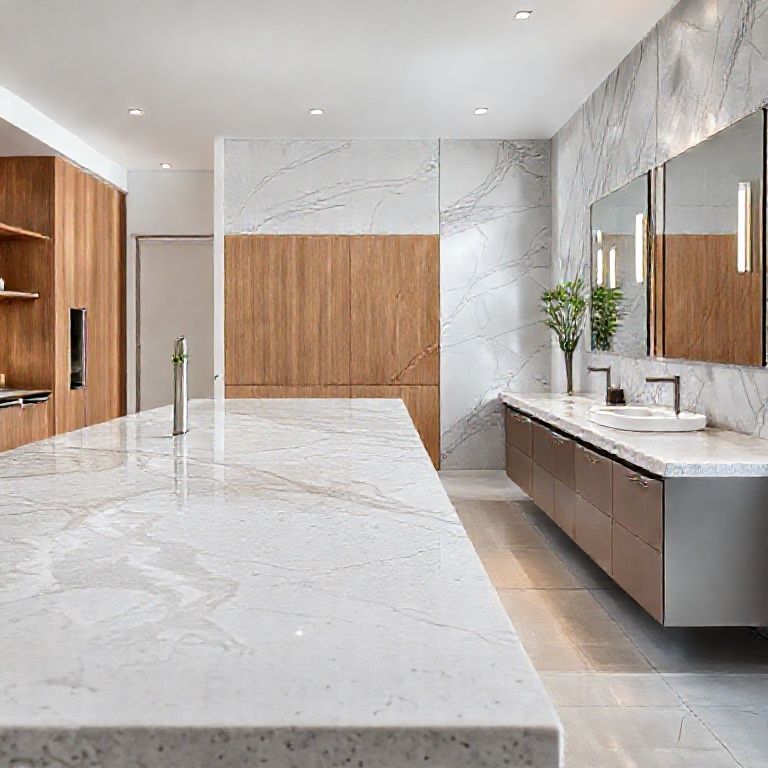
Durability: Unlike many other types of stone, marble is strong and can withstand significant wear and tear. This makes it ideal for high-traffic areas. Workability: Marble can be finely cut, polished, and shaped to fit any design need. Its workability has allowed for the creation of intricate sculptures and detailed architectural elements. Variety: There are numerous types of marble, each with its own distinct look and feel. Popular types include Carrara, Bianco, and Calacatta, each offering unique visual and tactile experiences.
Pricing Insights
Understanding the pricing of marble stone materials involves several factors:
Quality and Type: Different grades and types of marble carry different price tags. High-end marble like Carrara is typically more expensive due to its classic white color and fine grain, which makes it a favorite among luxury designers. In contrast, more affordable options like onyx or certain types of travertine might be more suitable for those looking for a stunning yet budget-friendly alternative.
Color and Veining: Marble’s beauty is often highlighted by its color and veining. Marbles with more intricate and visually appealing veining are typically more expensive. For instance, a dark marble with bold, contrasting veins can cost significantly more than a uniformly colored stone.
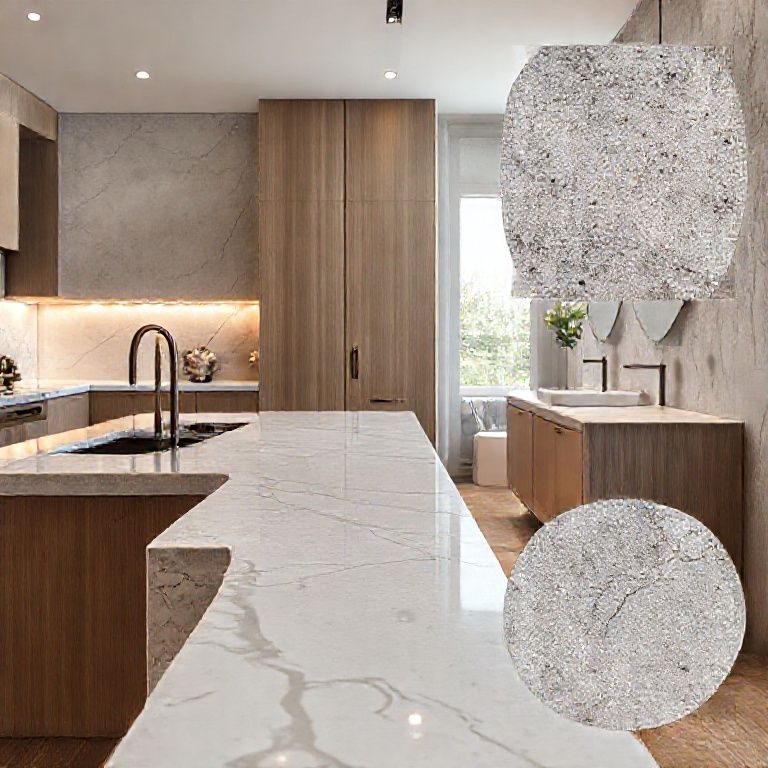
Source: The geographical origin of the marble can also affect its price. Marble sourced from traditional and renowned quarries like Carrara in Italy tends to be more expensive due to its long-standing reputation for quality.
Processing Costs: The additional costs involved in cutting, polishing, and shaping marble into usable forms add to the overall price. Higher-quality finishes and more intricate designs will naturally incur higher costs.
Market Demand: The global demand for marble also influences its pricing. In periods of high demand, prices tend to rise, whereas in periods of lower demand, prices might decrease.
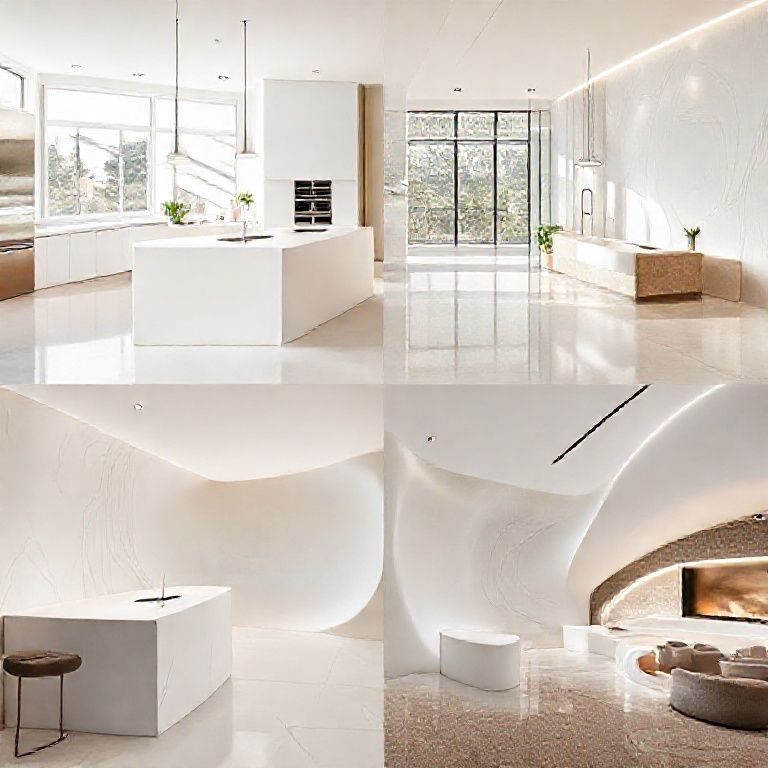
Benefits of Using Marble
Marble isn’t just a material; it’s an experience that offers numerous benefits:
Aesthetic Appeal: Marble’s natural beauty and elegance make it a timeless choice for both interior and exterior design. Its aesthetic appeal can elevate the look of any space, from a modest kitchen to a grand ballroom. Durability: As mentioned earlier, marble is a durable material that can withstand significant wear and tear. This durability translates to a longer lifespan for marble surfaces, reducing the need for frequent replacements. Low Maintenance: Once installed, marble requires minimal maintenance. Regular cleaning with a soft cloth and mild soap is usually sufficient to keep it looking pristine. Versatility: Marble can be used in various applications, including countertops, flooring, wall cladding, and even decorative elements like fountains and sculptures. Its versatility allows for endless design possibilities. Sustainability: Marble is a natural stone that doesn’t require synthetic materials to be produced, making it an environmentally friendly option. Moreover, it has a long lifespan, which reduces the need for constant replacement and thus further minimizes environmental impact.
Conclusion
In conclusion, the allure of marble stone materials lies not just in its beauty but also in its practical benefits and long-lasting quality. While pricing for marble can vary based on several factors, the investment is often justified by the material’s superior aesthetics, durability, and low maintenance. Whether you’re planning to use marble for a high-end kitchen counter or an elegant exterior facade, understanding the pricing and benefits can help you make informed decisions that enhance the beauty and value of your space.
Stay tuned for Part 2, where we will delve deeper into specific use cases, design trends, and expert tips for incorporating marble stone materials into your projects.
Unveiling the Exquisite World of Marble Stone Materials: Pricing Insights and Benefits
In the previous part, we explored the beauty, quality, and pricing insights of marble stone materials. Now, let’s continue our journey into the fascinating world of marble by delving deeper into specific use cases, contemporary design trends, and expert tips for incorporating marble into your projects. This comprehensive guide will help you understand how to maximize the benefits of marble stone materials in both residential and commercial settings.
Specific Use Cases for Marble Stone Materials
Marble’s versatility makes it suitable for a wide range of applications. Here are some of the most common uses:
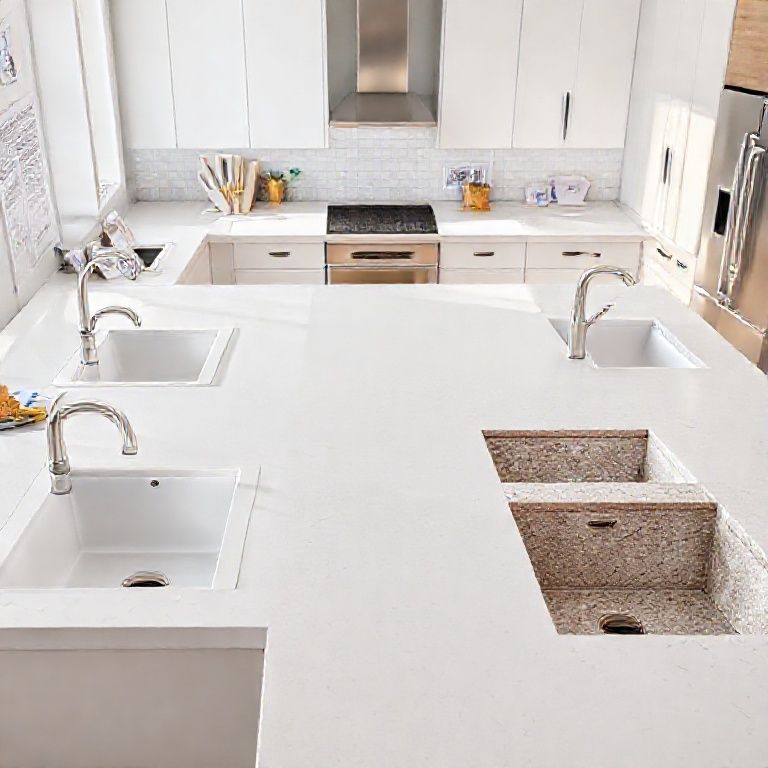
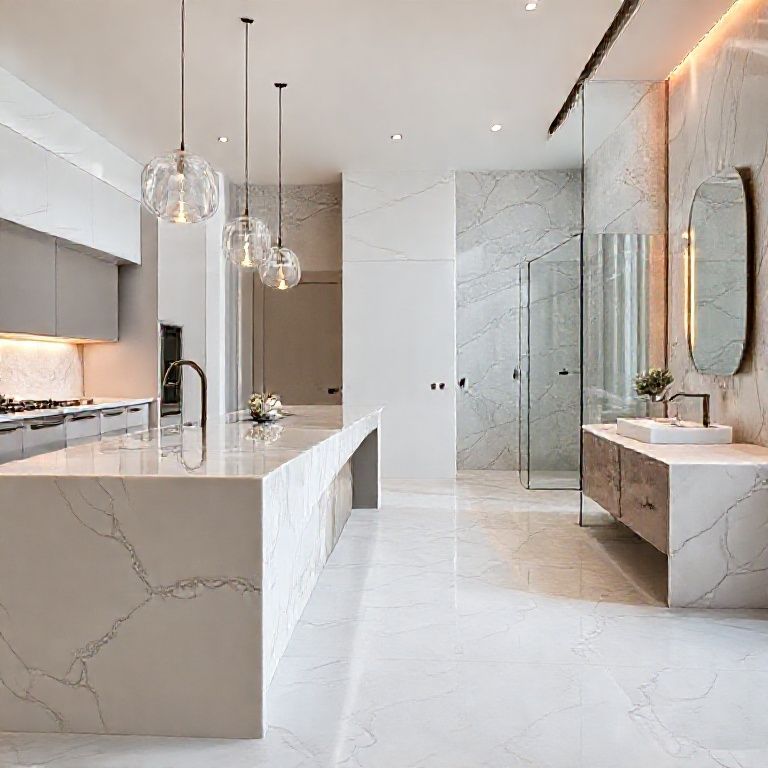
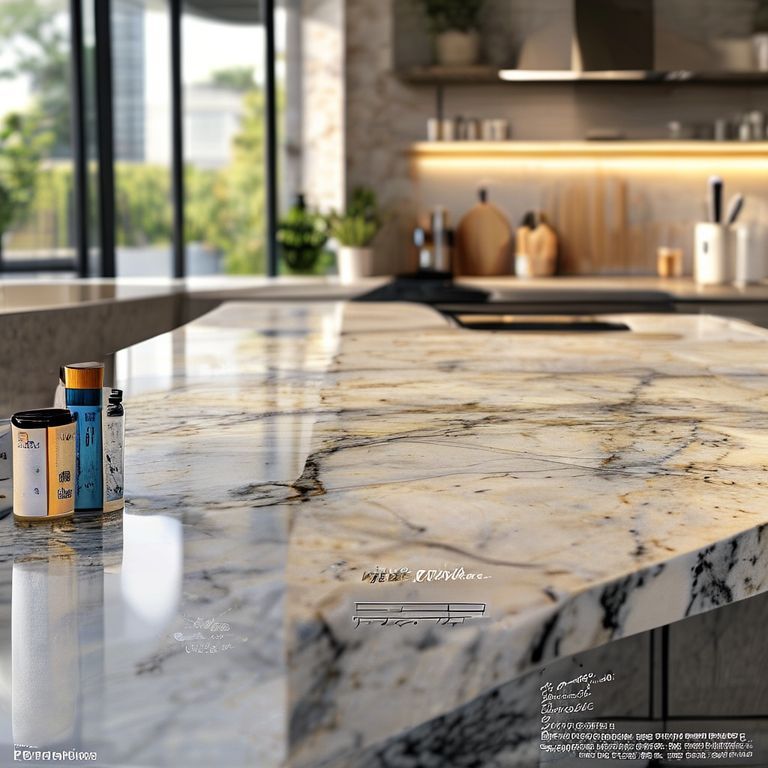
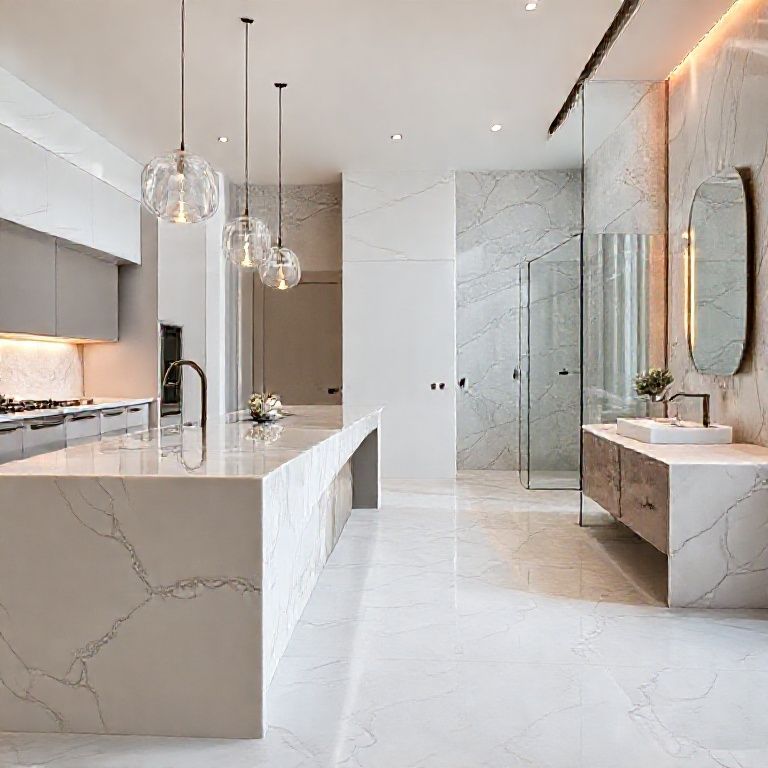
Countertops: Marble countertops are a staple in high-end kitchens and bathrooms. They provide a luxurious feel and are perfect for showcasing the stone’s natural beauty. Popular choices include Calacatta, Travertine, and Bianco. While the initial cost might be higher, the durability and aesthetic appeal often justify the investment.
Flooring: Marble flooring offers a classic and elegant touch to both residential and commercial spaces. High-quality marble tiles can withstand heavy foot traffic and provide a timeless look. Areas like entryways, living rooms, and commercial spaces benefit greatly from marble flooring.
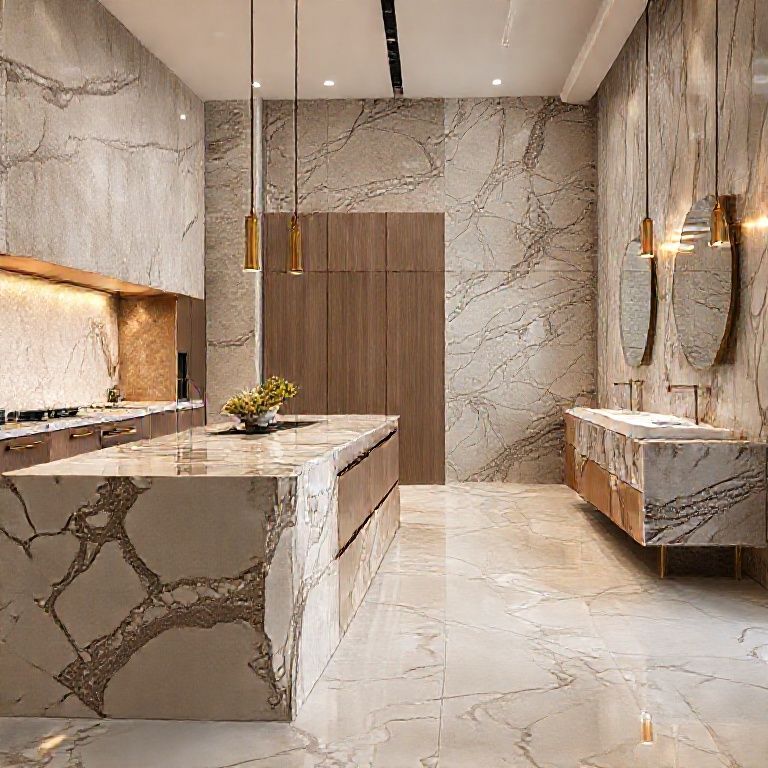
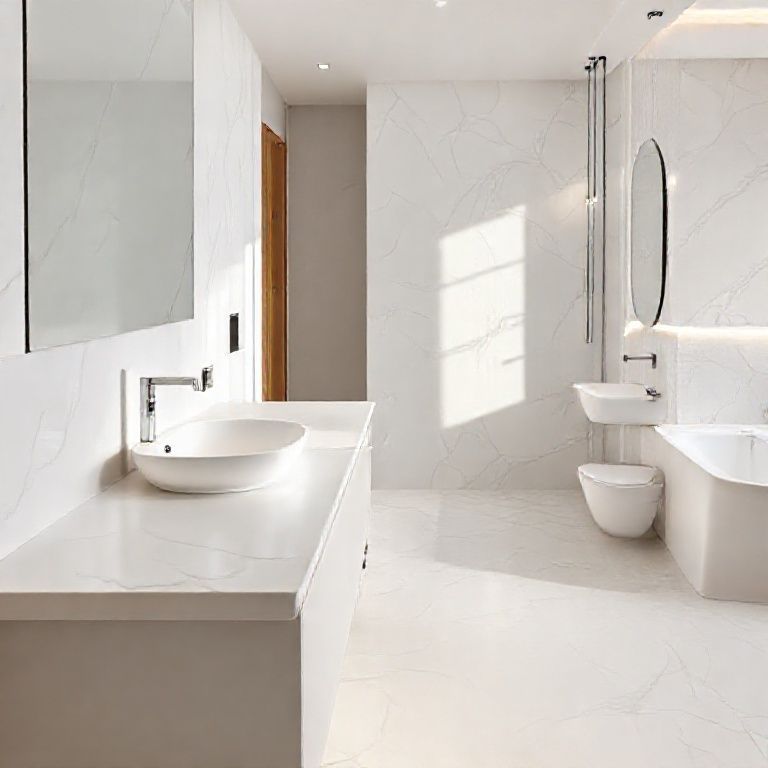
Wall Cladding: Marble wall cladding is a popular choice for adding a touch of luxury to interior and exterior spaces. It can be used in bathrooms, hallways, and even outdoor patios. The natural beauty of marble enhances the visual appeal of walls and adds a sense of grandeur.
Architectural Elements: From columns to fountains and statues, marble’s workability allows it to be used in intricate architectural elements. Its durability and aesthetic appeal make it a favored choice for both new constructions and restoration projects.
Furniture: Marble is also used in furniture such as tables, desks, and benches. Its natural beauty and durability make it an excellent choice for furniture that is meant to last.
Contemporary Design Trends
Marble continues to be a popular choice in contemporary design, and its use is evolving with modern trends:
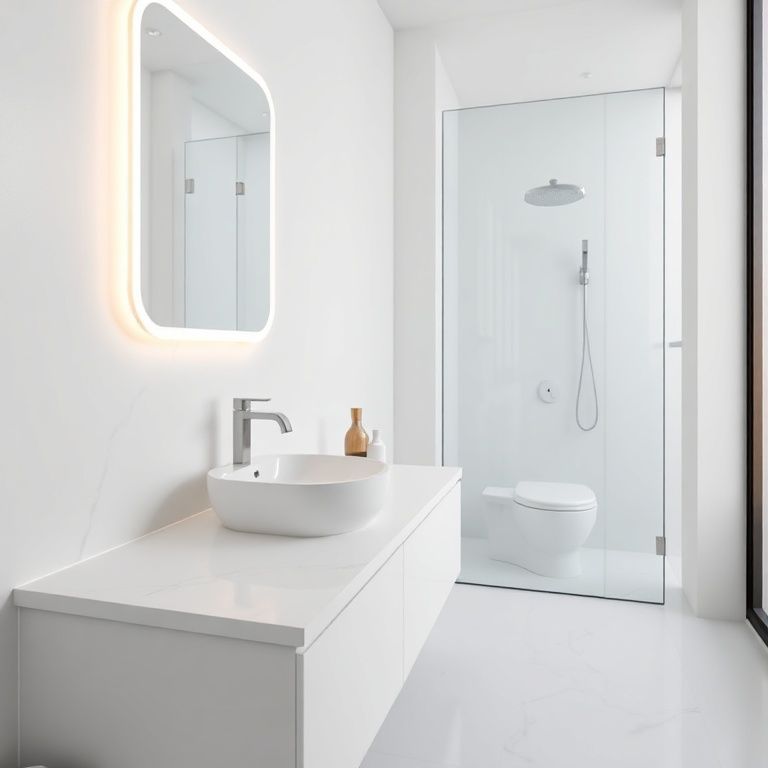
Monochromatic Palettes: Modern design often favors a monochromatic palette. Marble’s range of natural colors makes it an ideal choice for creating stunning monochromatic schemes. From pure whites to deep greys, marble can be used to create cohesive and elegant interiors.
Minimalism: The minimalist design trend emphasizes simplicity and functionality. Marble’s clean lines and smooth surfaces are perfect for minimalist aesthetics. Its ability to be polished to a high sheen adds to the clean, modern look.
Sustainable Design: Sustainability is a growing concern in modern design. Marble’s natural origin and long lifespan align well with sustainable design principles. Additionally, its low maintenance requirements contribute to a more eco-friendly home or office environment.
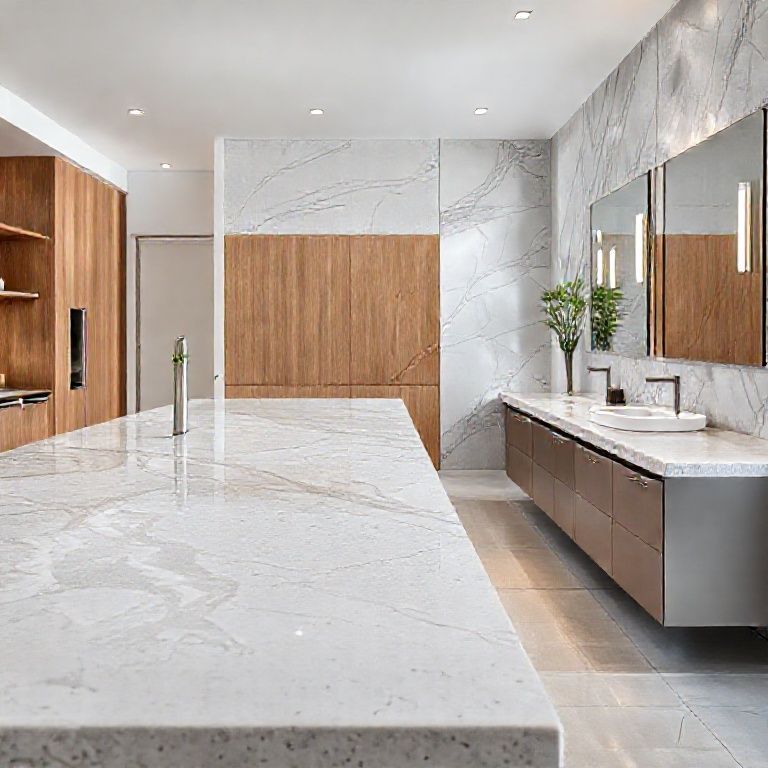
Mixed Materials: Combining marble with other materials like wood, metal, and glass is a popular trend. This combination creates a dynamic and visually interesting space. For instance, marble countertops paired with wooden cabinets offer a striking contrast.
Expert Tips for Incorporating Marble Stone Materials
To get the most out of marble stone materials, here are some expert tips:
Choose the Right Type: Different types of marble have different properties. For example, Carrara marble is known for its pure white color and fine grain, making it ideal for high-end applications. On the other hand, Travertine offers a more rustic look with its unique veining and color variations, which might be more suitable for a rustic or contemporary design.
Consider the Finish: The finish of marble can greatly affect its appearance and durability. Polished marble has a high sheen and is more durable, making it ideal for high-traffic areas. Honed marble has a softer finish and is more suitable for areas where a softer look is desired.
Plan for Maintenance: While marble is low maintenance, it’s important to plan for proper care. Regular cleaning with a soft cloth and mild soap is usually sufficient. Avoid using abrasive cleaners or tools that can scratch the surface.
Work with Experienced Professionals: Marble installation requires expertise. Working with experienced professionals ensures that the marble is cut, shaped, and installed correctly, maximizing its beauty and longevity.
1. 选择合适的大理石类型
经济型大理石:如Travertine,价格相对较低,适合普通家庭和商业用途。 高端大理石:如Carrara大理石,以其纯白色和细腻的纹理著称,适用于高端住宅和豪华商业项目。
2. 安装和维护
专业安装:由于大理石的脆性,建议聘请专业的大理石安装人员。这不仅能确保安装质量,还能延长大理石的使用寿命。 定期清洁:大理石表面容易吸收污渍,建议每隔几个月进行专业清洁,并使用专用的大理石保护剂进行保养。
3. 设计和搭配
与其他材料搭配:大理石与木材、金属、玻璃等材料搭配,可以创造出非常现代和时尚的设计风格。 色彩搭配:大理石的天然色彩丰富,选择与其他家具、墙面颜色协调的大理石,能使整体设计更加和谐。
4. 环保和可持续性
天然材料:大理石是天然石材,不含有害化学物质,对环境和人体健康更为安全。 再生利用:如果有旧的大理石材料,可以考虑进行再生利用,减少浪费,并延长其使用寿命。
5. 特殊用途
浴室和厨房:大理石常用于浴室和厨房台面,因为它耐水、耐刮擦,并且在清洁时表现良好。 室外装饰:大理石也常用于户外装饰,如花园雕塑、喷泉和庭院设计,尽管需要特别注意其耐候性。
6. 市场价格
价格波动:大理石的价格会受到矿石供应、运输成本和市场需求等因素的影响,建议在购买前进行市场调查,了解最新的价格信息。
7. 文化和历史
文化价值:大理石在历史上一直被视为奢华和尊贵的象征,从古罗马的宏伟建筑到现代的高档住宅,大理石始终是建筑和室内设计中的重要材料。