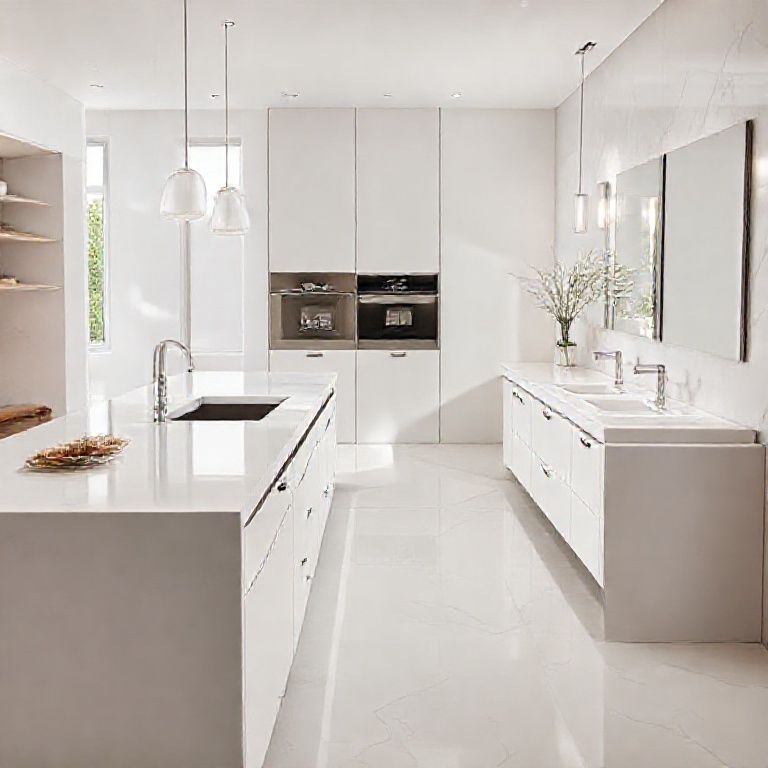
Unveiling the Intricacies of Cracks in Artificial Stone Countertops: Causes, Remedies, and Maintenance
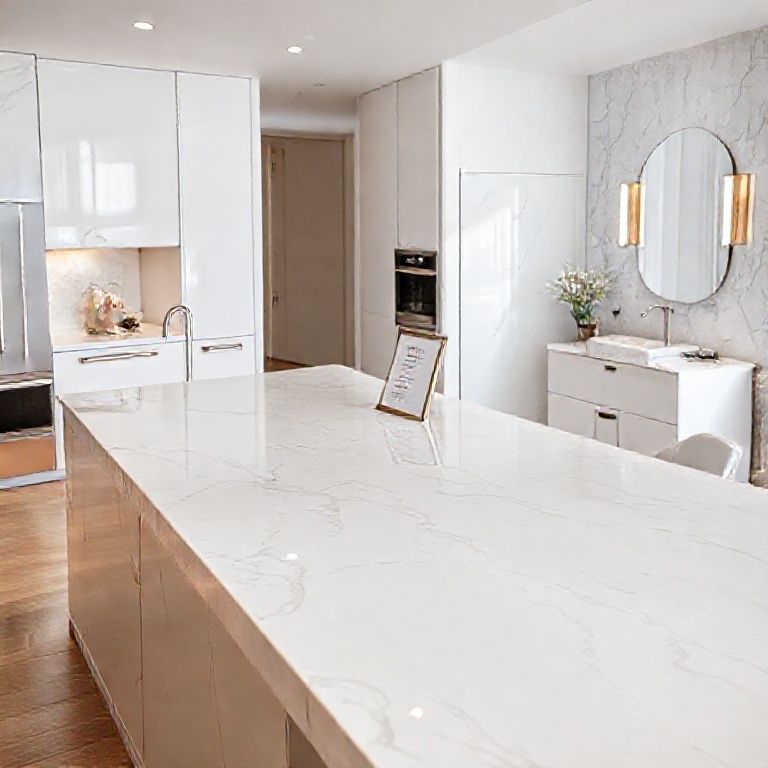
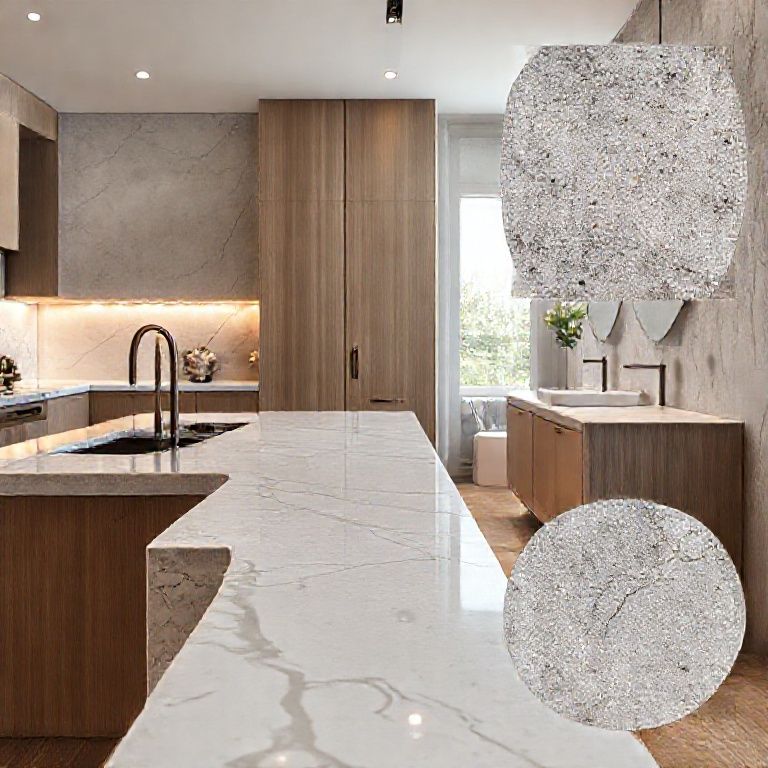
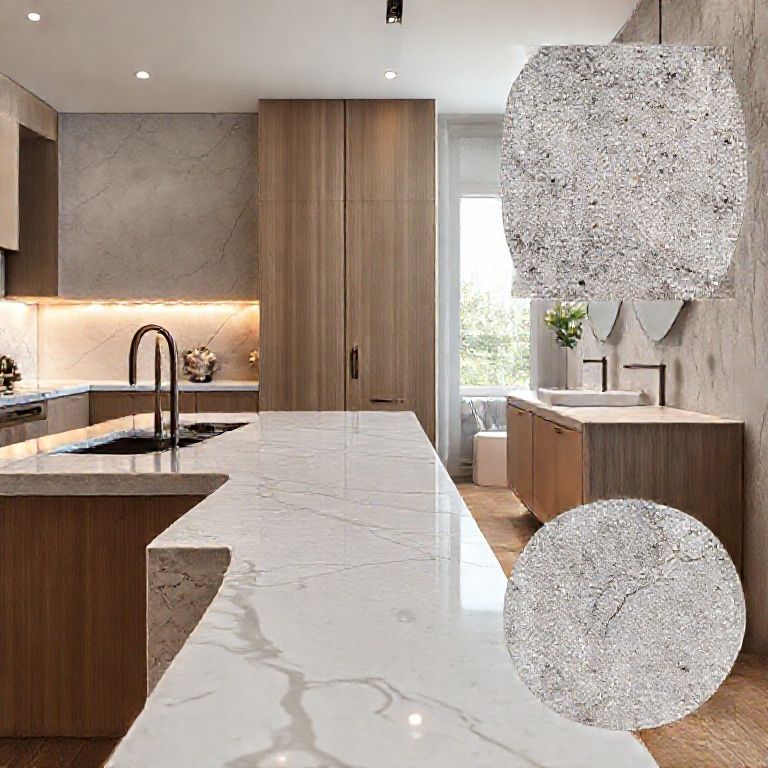
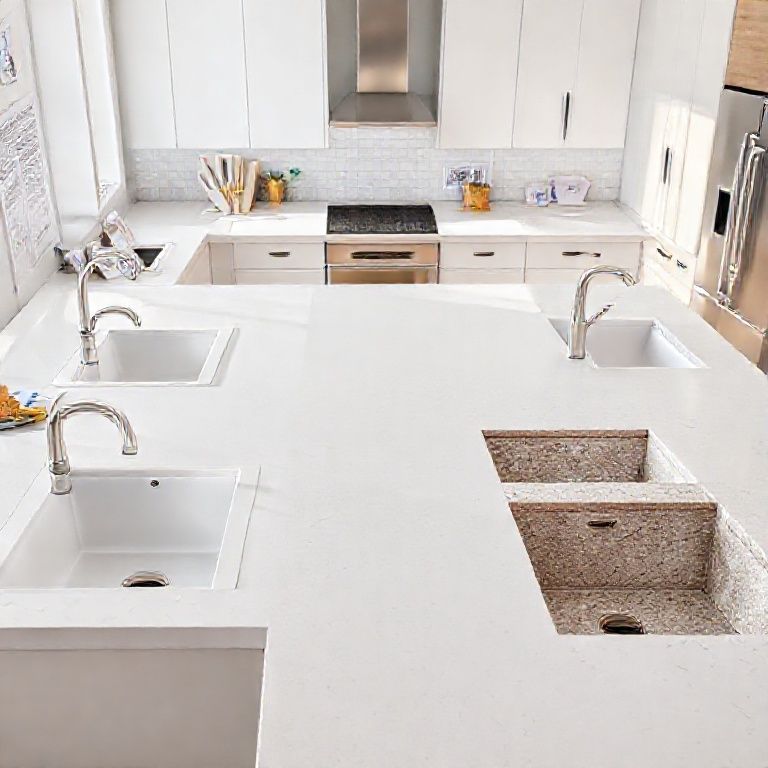
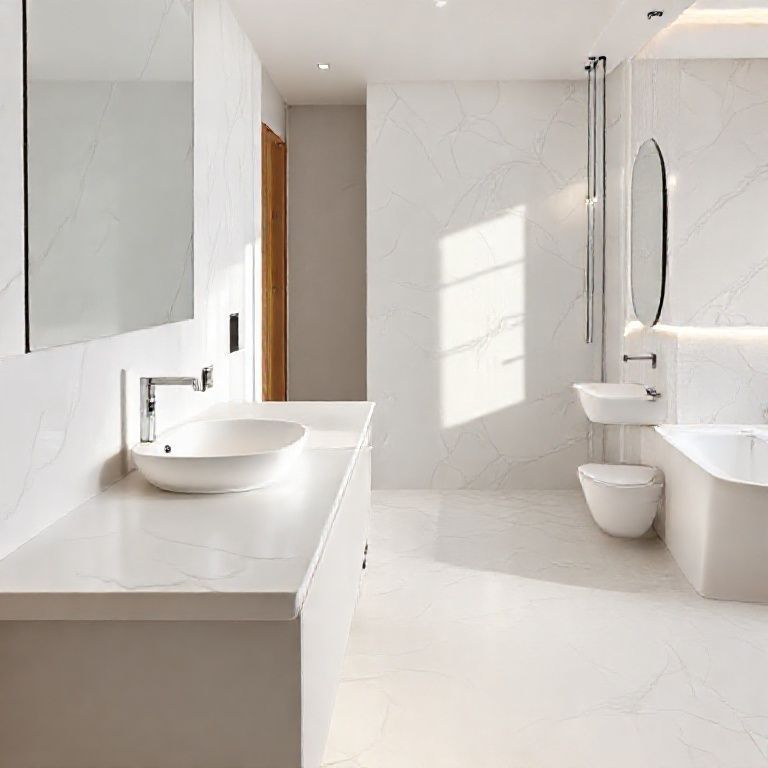
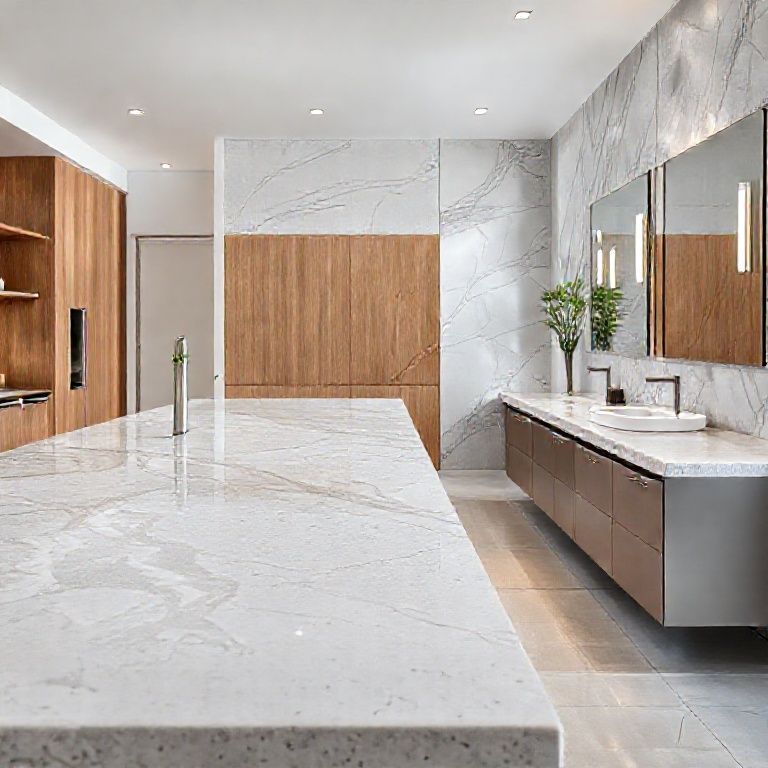
Artificial stone countertops have revolutionized modern kitchen and bathroom designs with their striking appearance and durability. However, even these high-quality materials are not immune to issues such as cracks. Understanding the causes behind “artificial stone countertop cracks” and how to effectively address them is crucial for maintaining the beauty and longevity of these surfaces.
Understanding the Causes
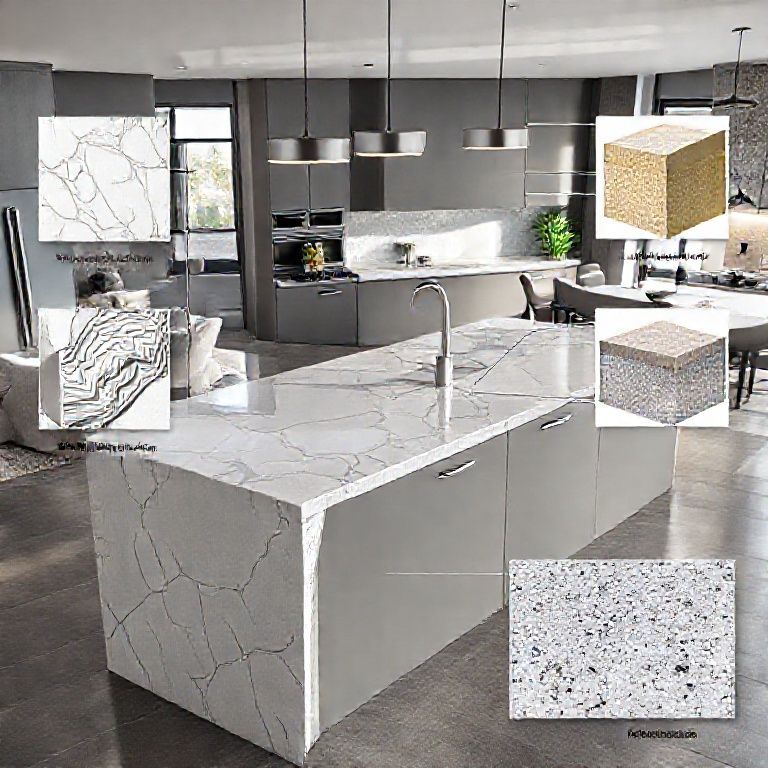
Artificial stone, also known as cultured stone, is a composite material made from natural stone powders and resins. Despite its robustness, it is not invulnerable. Cracks can appear due to several reasons:
Manufacturing Flaws: During the manufacturing process, inconsistencies can lead to internal stress points that manifest as surface cracks. This is more common in lower-grade materials where quality control may be less stringent.
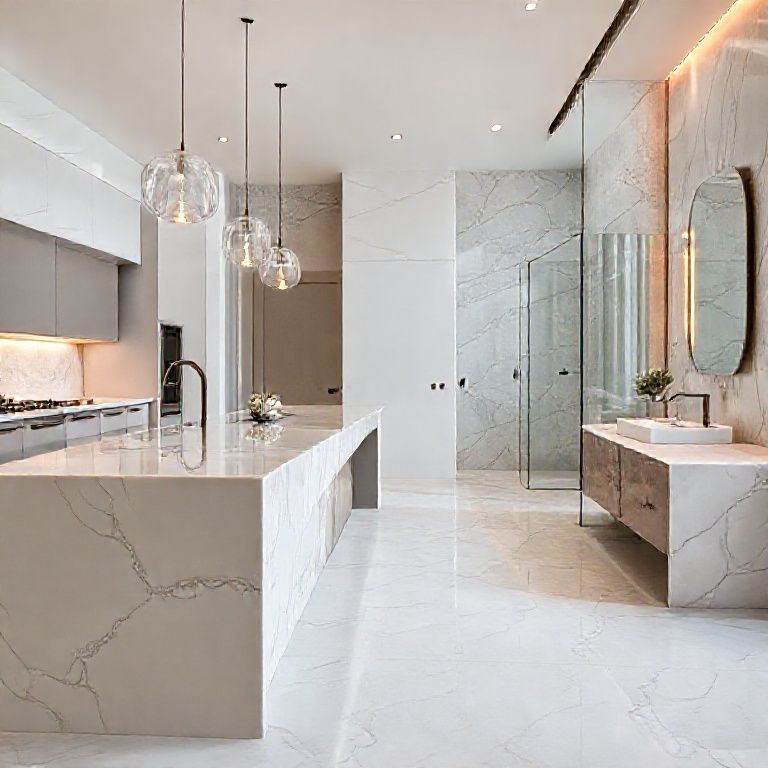
Impact Damage: Any significant impact on the countertop, such as dropping heavy objects, can cause immediate cracking. While artificial stone is tough, it still has its limits.
Thermal Stress: Rapid temperature changes can cause thermal stress. For example, placing a hot pot or pan on a cold surface can cause the stone to crack.
Chemical Exposure: Acidic or alkaline substances can weaken the resin matrix that binds the stone powders together, leading to cracking over time.
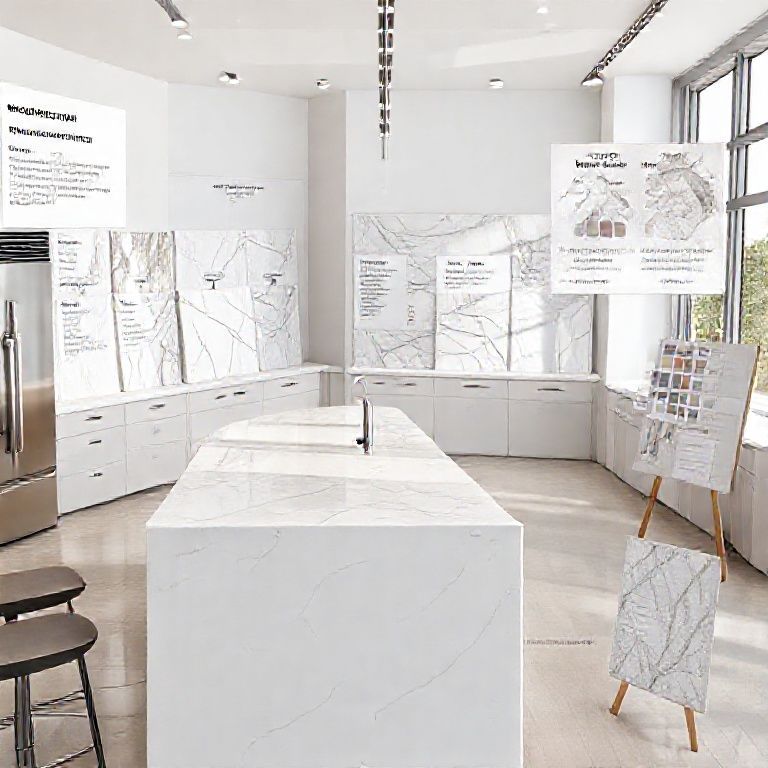
Improper Installation: If the countertop is not installed properly, it may not be adequately supported, leading to stress points that eventually result in cracks.
Identifying Early Signs of Damage
Early detection is key to preventing extensive damage. Here are some signs that indicate potential issues:
Hairline Cracks: Tiny cracks that might appear as minor surface scratches. Discoloration: Changes in color or appearance, often due to chemical exposure. Chipping: Small pieces breaking off the surface, usually due to impact.
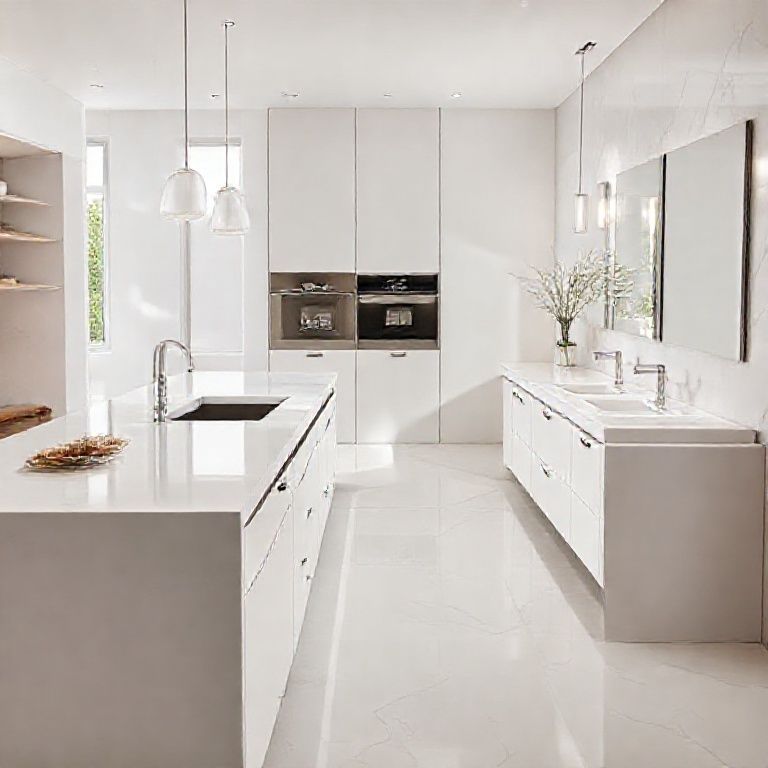
If you notice any of these signs, it’s important to act promptly to prevent further damage.
Effective Remedies
While some cracks might be minor and easily repaired, others might require more extensive intervention. Here’s how to address different levels of damage:
Minor Cracks: For small, hairline cracks, a specialized stone repair epoxy can be used. This type of epoxy is designed to bond seamlessly with the stone’s surface, filling in cracks and restoring the countertop’s appearance.
Moderate Cracks: For cracks that are larger but still confined to a small area, a professional stone repair service might be necessary. Experts can use a high-strength resin to fill and reinforce the affected area, ensuring a long-lasting fix.
Extensive Damage: If the countertop has significant cracks that compromise its structural integrity, it might be best to replace the damaged section. Custom-cut replacement pieces can be bonded into place using specialized adhesives.
Maintenance Tips
Preventative care is the best cure. Here are some tips to help maintain your artificial stone countertops and avoid cracks:
Use Coasters and Placemats: To prevent thermal stress, always use coasters or placemats under hot pots, pans, and glasses.
Avoid Abrasive Cleaners: Harsh chemicals and abrasive scrubbers can damage the surface. Use mild, non-abrasive cleaners and cloths.
Regular Cleaning: Clean your countertops regularly to prevent the buildup of food, grease, and other substances that can weaken the stone.
Proper Installation: Ensure that the countertop is installed correctly with adequate support and that there are no stress points that could lead to cracking.
Protective Coatings: Consider applying a protective sealant to the surface of your countertop. This adds an extra layer of defense against stains, scratches, and thermal stress.
Conclusion
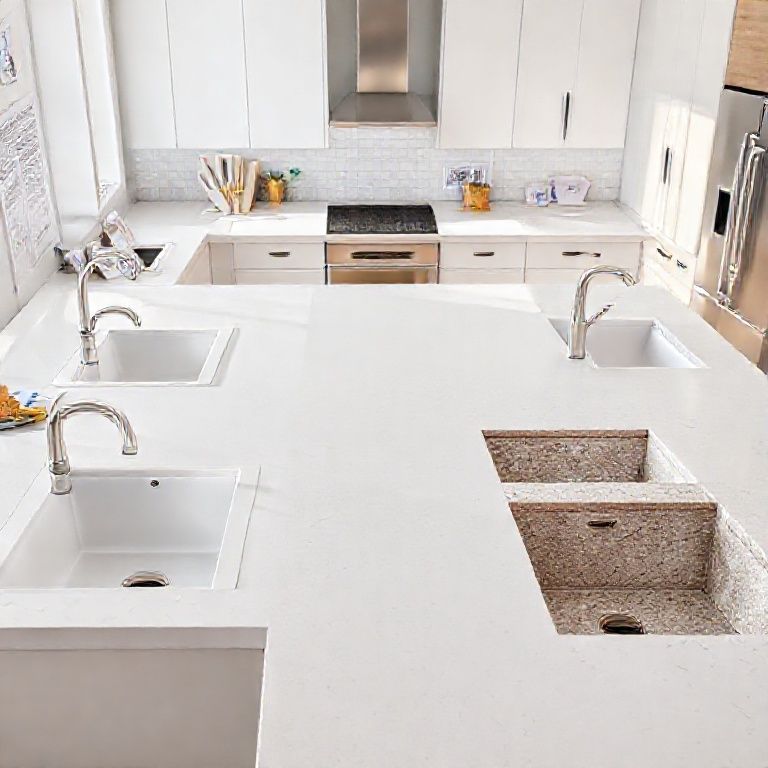
Artificial stone countertops offer a stunning and durable option for kitchen and bathroom surfaces. However, like any material, they are not immune to damage. By understanding the causes of “artificial stone countertop cracks,” implementing effective remedies, and following proper maintenance practices, you can ensure that your artificial stone remains beautiful and enduring for years to come.
Stay tuned for the second part of our comprehensive guide where we will delve deeper into advanced repair techniques and long-term maintenance strategies for your artificial stone countertops.
Unveiling the Intricacies of Cracks in Artificial Stone Countertops: Causes, Remedies, and Maintenance
In the second part of our series on “artificial stone countertop cracks,” we will explore advanced repair techniques and long-term maintenance strategies to ensure that your artificial stone remains pristine and enduring.
Advanced Repair Techniques
While minor repairs can often be done at home, more extensive damage might require professional intervention. Here are some advanced repair techniques:
Resin Injection: For larger cracks, resin injection is a highly effective method. A small hole is drilled into the crack, and a specialized resin is injected to fill the void. The resin hardens and reinforces the cracked area, restoring the countertop’s integrity.
Laser Repair: In cases of severe cracking, laser repair can be an option. The laser precisely melts away the damaged area and fuses the edges together. This method is highly precise but typically requires professional expertise.
Custom Fabrication: For countertops with extensive damage that cannot be repaired, custom fabrication might be the best solution. A new section of countertop can be fabricated to match the existing material and seamlessly bonded into place.
Long-Term Maintenance Strategies
To ensure that your artificial stone countertops remain in top condition, long-term maintenance strategies are essential. Here are some key practices:
Regular Cleaning: Consistent cleaning is crucial to prevent the buildup of substances that can weaken the stone. Use a mild, non-abrasive cleaner and a soft cloth to wipe down the surface regularly. Avoid using harsh chemicals or abrasive scrubbers.
Food and Liquid Management: Be cautious with where you place food and beverages. Use coasters and placemats to protect the surface from thermal stress and spills. Wipe up any spills immediately to prevent stains and damage.
Avoiding Impact: To prevent impact damage, avoid dropping heavy objects on the countertop. If a heavy object does fall, assess the damage immediately and take appropriate action.
Temperature Control: Rapid temperature changes can cause cracks. To avoid this, allow hot items to cool slightly before placing them on the countertop. Use trivets or oven mitts to handle hot pots and pans.
Sealing: Applying a high-quality protective sealant to the surface of your countertop can add an extra layer of defense against stains, scratches, and thermal stress. Follow the manufacturer’s instructions for application and reapplication.
Environmental Considerations
The environment in which your artificial stone countertop is installed can significantly impact its longevity. Here are some considerations:
Humidity: High humidity can lead to mold and mildew growth, which can weaken the stone. Ensure proper ventilation in areas with high humidity.
Sunlight: Prolonged exposure to direct sunlight can cause fading and weakening of the stone. Use curtains or blinds to protect the countertop from intense sunlight.
Chemical Exposure: Avoid placing acidic or alkaline substances directly on the countertop. If spills occur, clean them immediately with a mild, non-abrasive cleaner.
Expert Consultation
For persistent issues or significant damage, consulting with a professional stone repair expert is advisable. Professionals have the tools and expertise to diagnose and address complex problems, ensuring that your countertop is restored to its optimal condition.
Conclusion
Artificial stone countertops are a fantastic choice for those seeking beauty and durability in their kitchen and bathroom designs. However, like any material, they require proper care and attention to avoid the appearance of cracks and other forms of damage. By understanding the causes, employing effective remedies, and adhering to long-term maintenance strategies, you can ensure that your artificial stone countertops remain a stunning focal point in your home for years to come.
For more tips and expert advice on maintaining and repairing your artificial stone countertops, stay tuned for our future articles. Remember, proactive care is the key to longevity and beauty.
By addressing the intricacies of “artificial stone countertop cracks” comprehensively, this guide aims to equip homeowners and professionals alike with the knowledge to maintain and repair these beautiful surfaces effectively.