${part1}
Introduction to Marble: The Epitome of Luxury
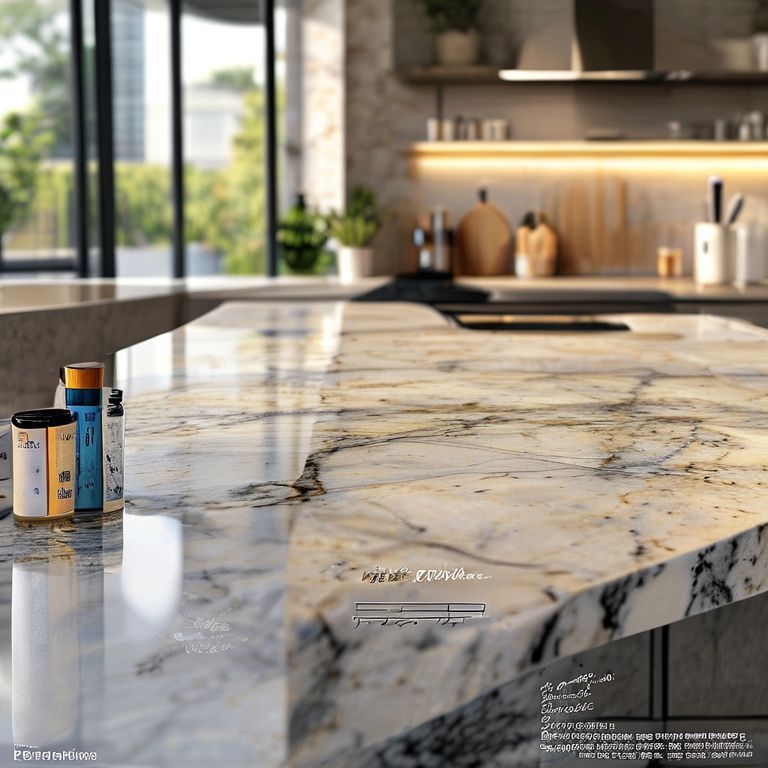
When it comes to luxury and elegance, marble stands unparalleled. This timeless material has been a favorite for centuries, gracing the most exquisite homes and architectural marvels around the world. Its natural beauty, durability, and versatility make it an ideal choice for various applications, from flooring and countertops to wall cladding and decorative elements.
Understanding the Basics: What is Marble?
Marble is a metamorphic rock formed from the transformation of limestone due to high pressure and temperature. What sets marble apart from other stones is its unique veining and color variations, which add a touch of natural beauty and individuality to each piece. Marble is renowned for its smooth, polished surface and its ability to withstand heavy usage, making it a durable choice for high-traffic areas.
Types of Marble: A Spectrum of Choices
Marble comes in a wide array of types, each with its unique characteristics and price points. Some of the most popular types include:
Italian Marble: Known for its high quality and intricate veining, Italian marble is a top choice for luxury applications. Varieties like Carrara and Botticino are particularly prized.
Turkish Marble: Famous for its rich colors and veining, Turkish marble is often used in high-end buildings and public spaces.
Indian Marble: India offers some of the most affordable yet stunning marble varieties, such as Kanchipuram and Jaisalmer.
Brazilian Marble: Renowned for its vibrant colors and patterns, Brazilian marble is often used for both interior and exterior applications.
The Cost Factor: How Much Does Marble Cost Per Square Meter?
The cost of marble per square meter can vary widely based on several factors, including the type of marble, its quality, and the region of origin. Here’s a detailed breakdown:
Italian Marble: Given its premium quality, Italian marble tends to be on the higher end of the price spectrum. For instance, Carrara marble can cost anywhere from $50 to $150 per square meter depending on the finish and application.
Turkish Marble: Turkish marble is known for its stunning aesthetics and is generally priced between $30 to $120 per square meter. Varieties like Diba and Aslansefik are particularly popular.
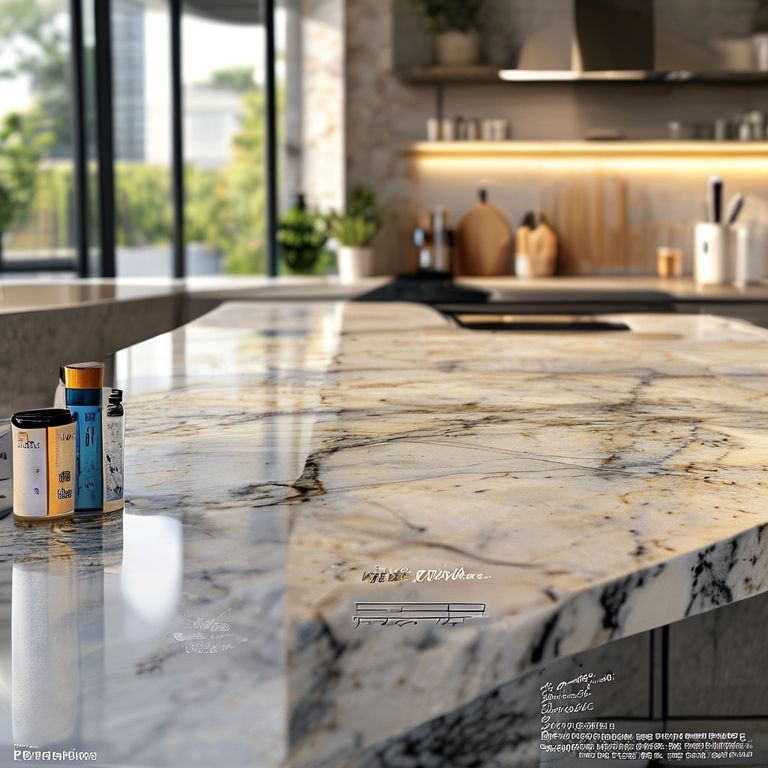
Indian Marble: Indian marble offers a more affordable option, with prices ranging from $10 to $50 per square meter. Kanchipuram and Jaisalmer marbles are among the most sought-after types.
Brazilian Marble: Brazilian marble is prized for its bold colors and patterns. Prices can range from $20 to $100 per square meter, depending on the specific type and finish.
Factors Influencing Marble Pricing
Several factors influence the cost of marble per square meter:
Quality: Higher quality marble with finer veining and less blemishes will naturally cost more.
Finish: Polished, honed, and flamed finishes each come with different costs. Polished marble, which is the most reflective and smooth, typically costs the most.
Transportation Costs: Marble from distant regions can incur higher transportation costs, impacting the final price.
Installation Costs: Professional installation can add to the overall cost. Quality installation ensures that the marble is laid properly, enhancing its longevity and aesthetic appeal.
Applications of Marble: Where and How to Use It
Marble’s versatility makes it suitable for a variety of applications. Here’s a look at where and how marble is often used:
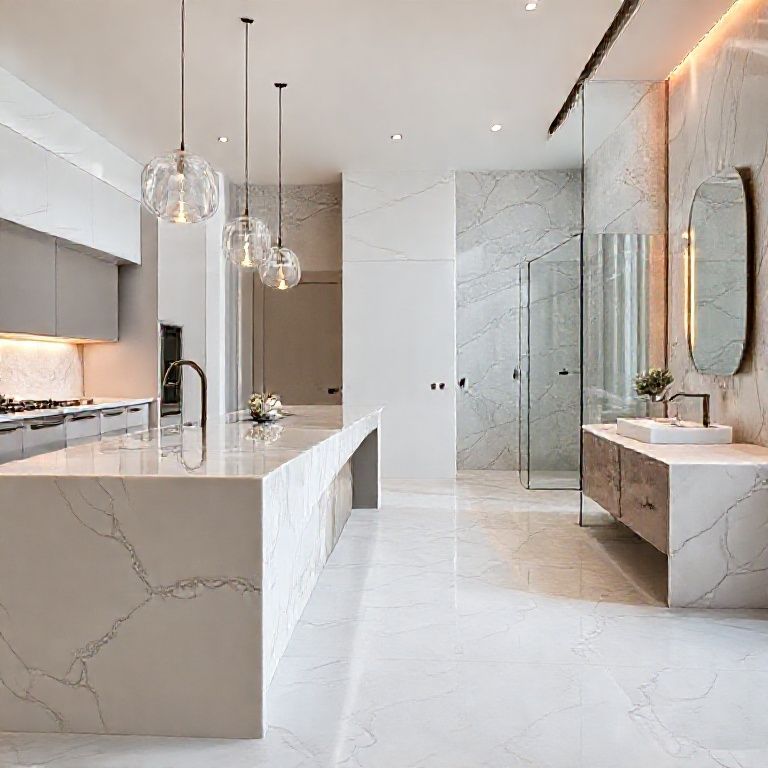
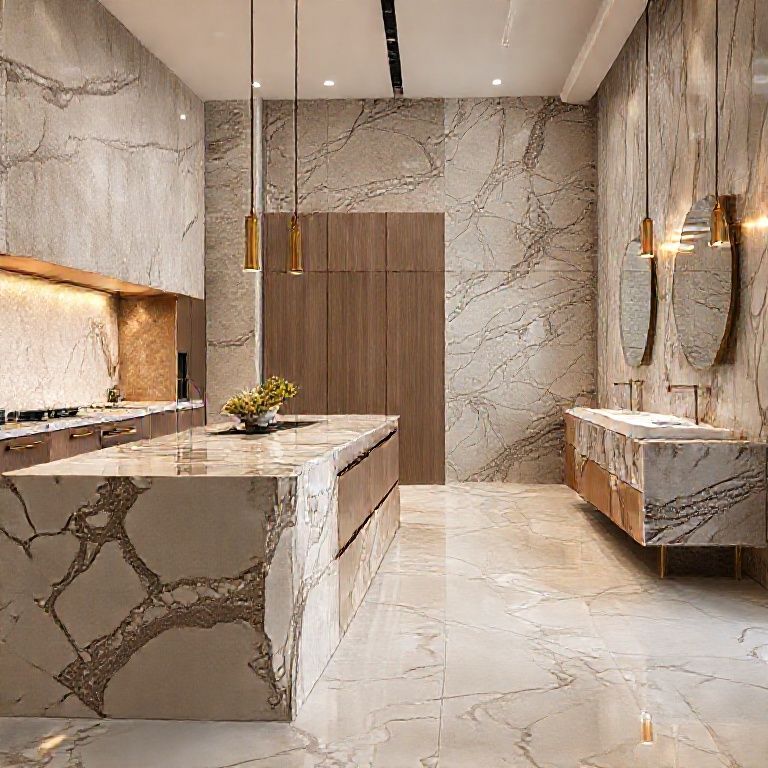
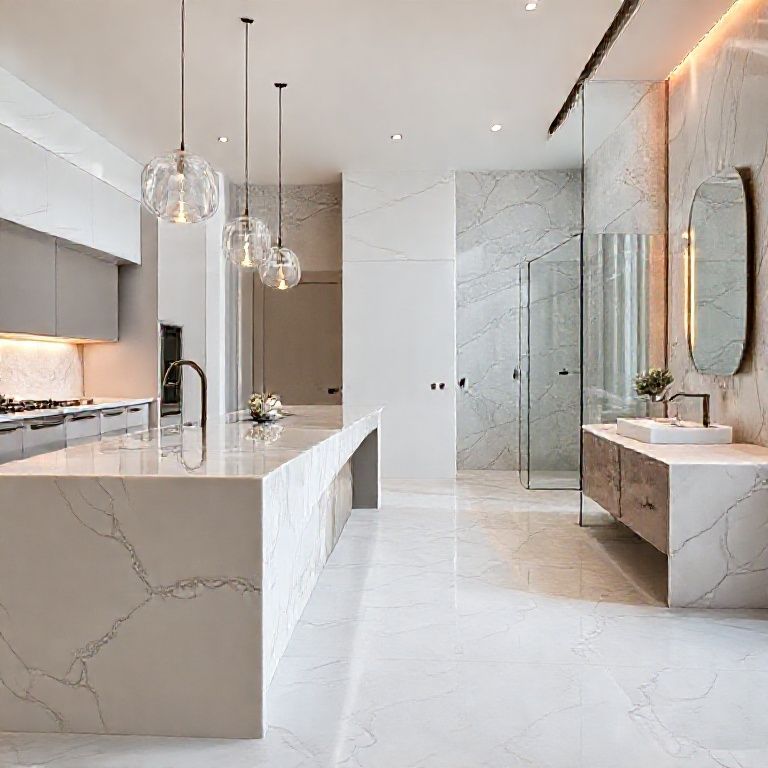
Flooring: Marble is a popular choice for flooring due to its beauty and durability. It can add a touch of luxury to both residential and commercial spaces.
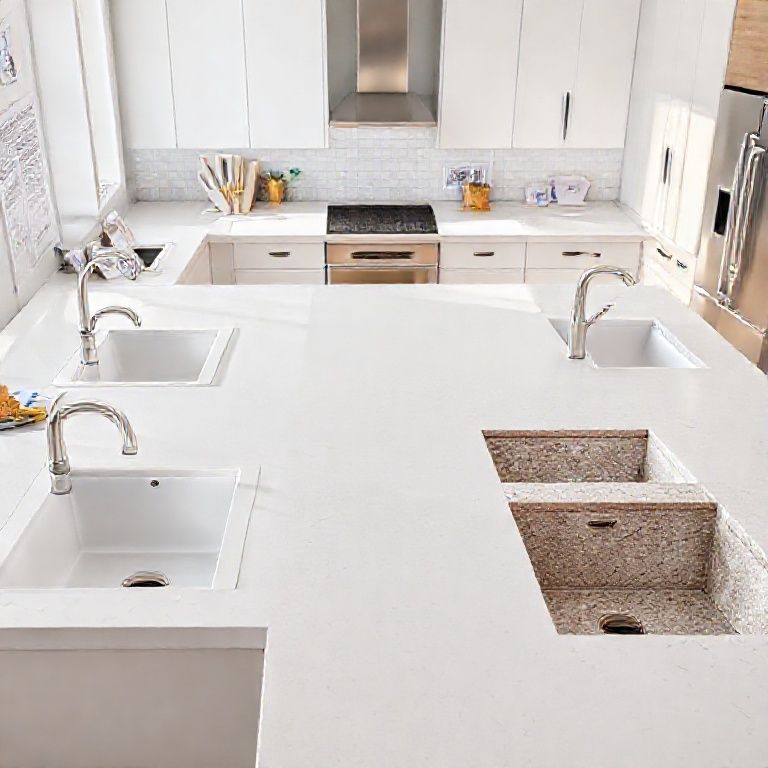
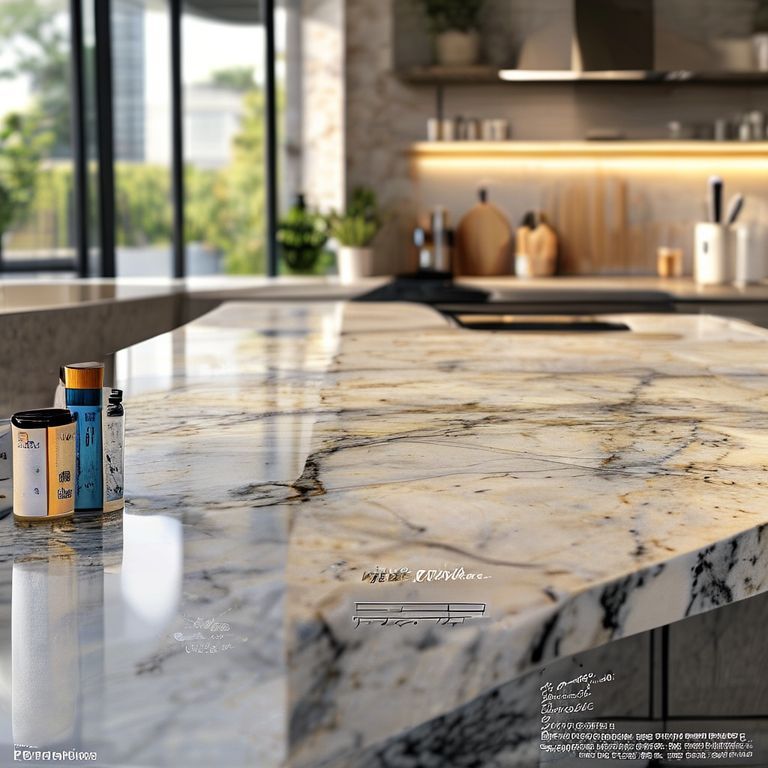
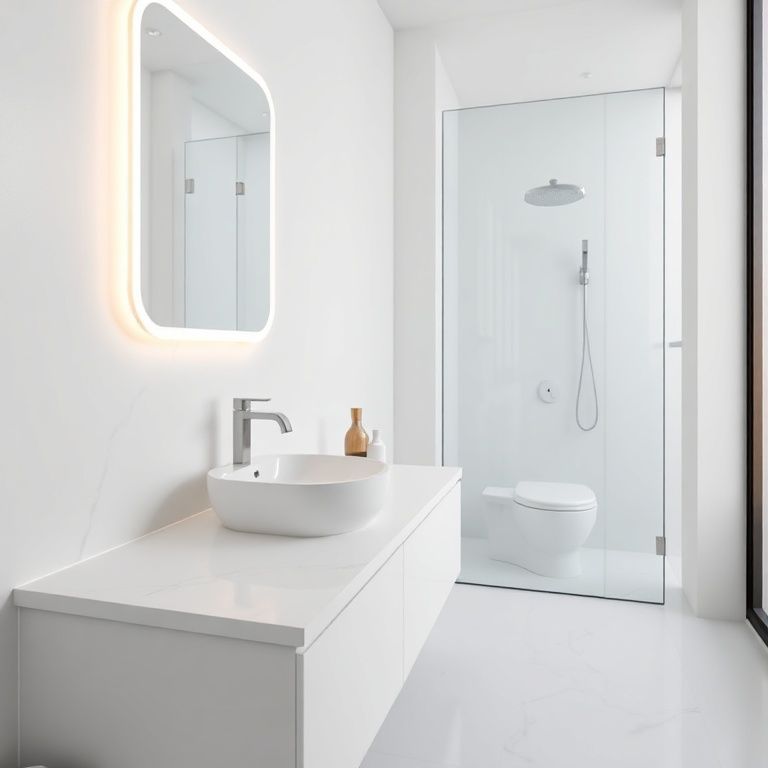
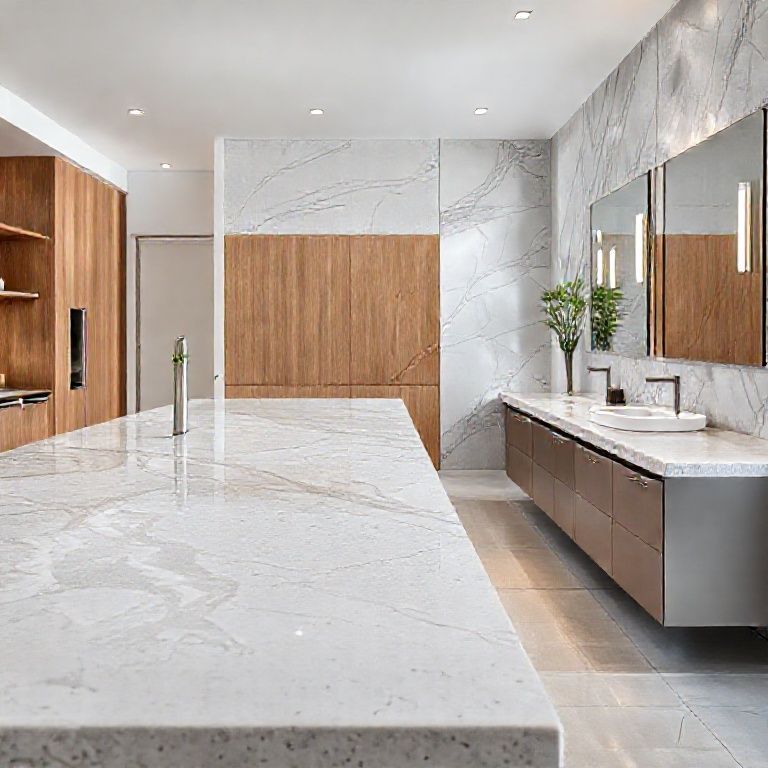
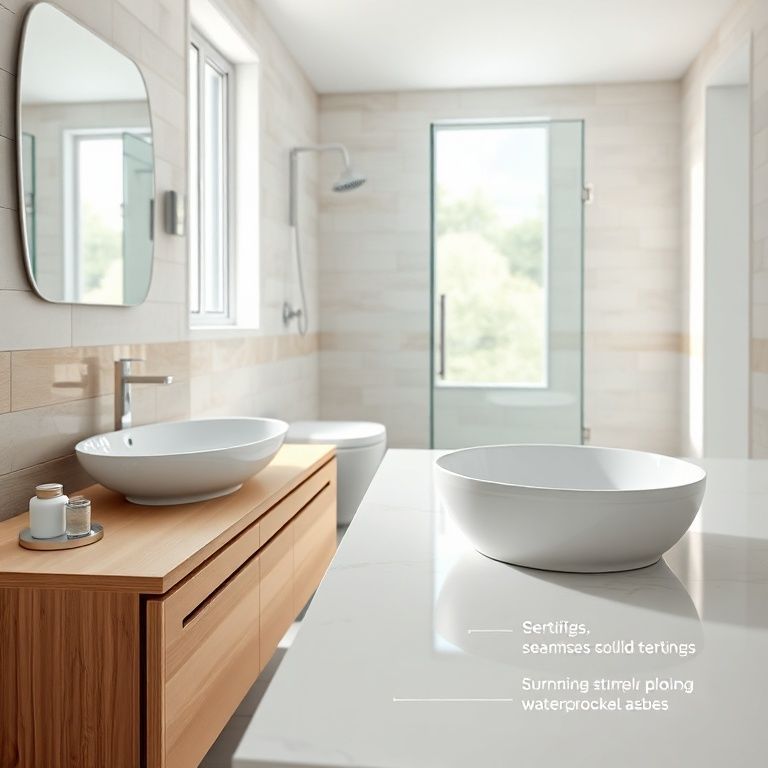
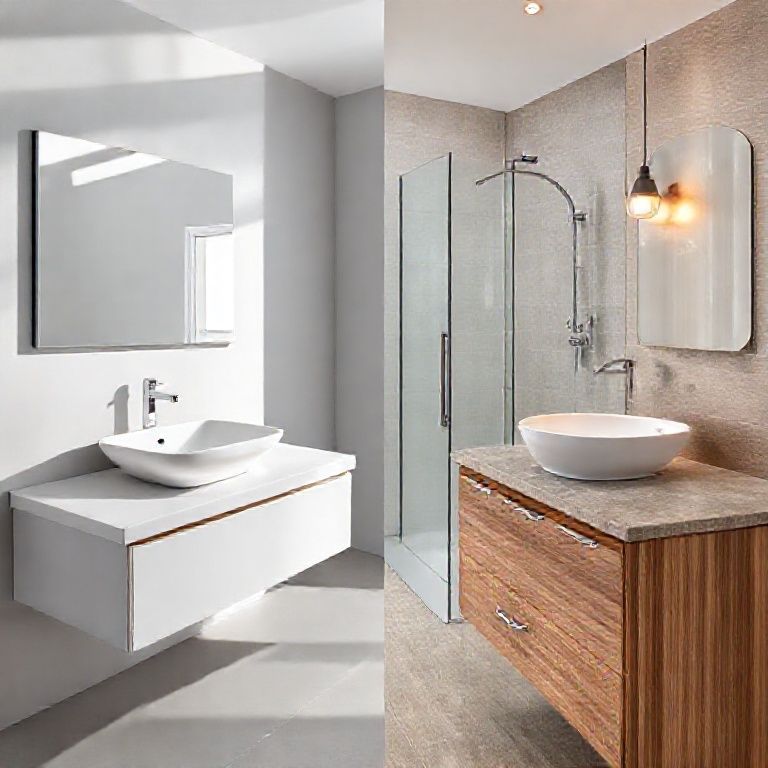
Countertops: Marble countertops are a staple in high-end kitchens and bathrooms. Their natural beauty and durability make them a favorite among homeowners and designers.
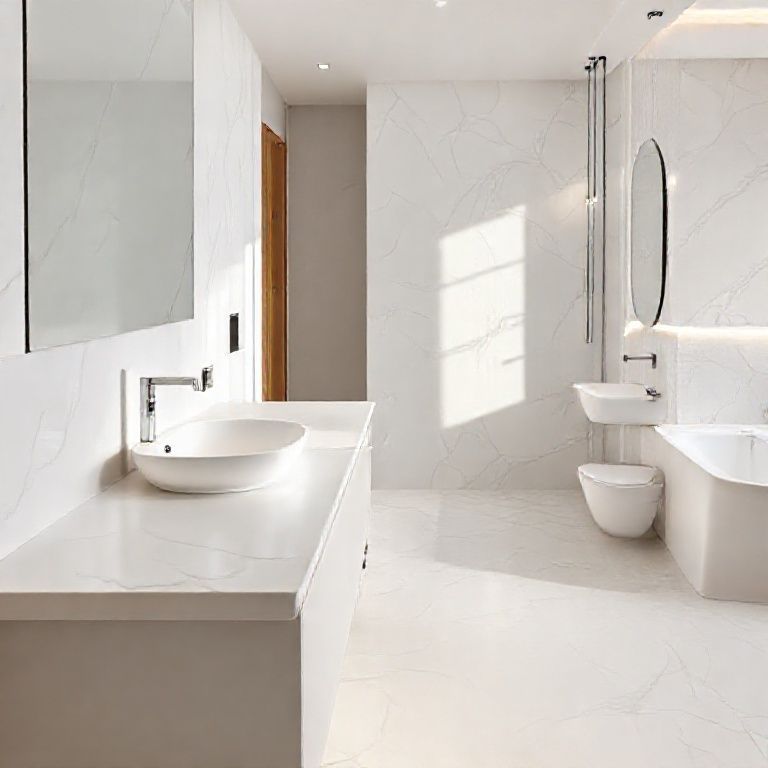
Wall Cladding: Marble is also used for wall cladding to add a sophisticated and elegant touch to interior and exterior walls.
Decorative Elements: Marble is often used in decorative elements such as fireplaces, staircases, and fountains, adding a touch of elegance and grandeur.
The Benefits of Choosing Marble
Choosing marble for your renovation project brings numerous benefits:
Aesthetic Appeal: Marble’s natural beauty and unique veining make it an incredibly attractive choice for any space.
Durability: Marble is known for its durability and resistance to scratches and stains, making it a long-lasting option.
Low Maintenance: While marble requires some care, it is relatively low maintenance compared to other materials. Regular cleaning and sealing can keep it looking pristine.
Versatility: Marble’s versatility allows it to be used in various applications, from flooring and countertops to decorative elements.
Conclusion: Investing in Marble for Timeless Luxury
In conclusion, marble is a timeless choice for those seeking luxury and elegance in their renovation projects. The cost per square meter varies based on several factors, but the benefits of choosing marble far outweigh the initial investment. From its stunning aesthetic appeal to its durability and low maintenance, marble continues to be a favorite among architects, designers, and homeowners alike.
In the next part of our series, we will delve deeper into the maintenance and care of marble, as well as explore some of the latest trends and innovations in marble usage in modern architecture.
${part2}
The Maintenance and Care of Marble: Keeping Its Beauty Intact
When it comes to maintaining the stunning beauty of marble, proper care is essential. While marble is a durable material, it requires some attention to keep its natural elegance and prevent damage. In this part, we will explore the best practices for maintaining and caring for marble to ensure it remains in pristine condition for years to come.
Understanding Marble’s Vulnerability
Marble is composed of calcium carbonate, which makes it somewhat porous and susceptible to staining and etching. This inherent quality means that while marble is tough, it also requires careful handling and maintenance. Here’s what you need to know:
Acidic Stains: Marble can be stained by acidic substances like fruit juices, wine, and vinegar. This is because the acid reacts with the calcium carbonate in the marble, causing etching.
Water Spots: Prolonged exposure to water can cause water spots on marble, which can be difficult to remove and may require professional cleaning.
Heat Damage: Heat from appliances like stoves or hot water can cause marble to crack or warp. It’s important to use trivets or heat-resistant pads when placing hot items on marble surfaces.
Basic Cleaning Tips for Marble
Proper cleaning is essential to maintain the beauty of marble. Here are some basic tips:
Use a Soft Cloth: Always use a soft, non-abrasive cloth to clean marble surfaces. Avoid using paper towels or any other abrasive materials that can scratch the surface.
Mild Cleaners: Use mild, pH-neutral cleaners specifically designed for marble. Avoid harsh chemicals that can etch or stain the marble.
Wipe Immediately: Wipe up spills immediately to prevent stains and etching. Acidic or alkaline spills should be neutralized with water before wiping.
Regular Cleaning: Clean marble surfaces regularly to remove dust and grime. A weekly cleaning with a pH-neutral cleaner is generally sufficient.
Deep Cleaning and Maintenance
For deeper cleaning and maintenance, consider the following steps:
Professional Cleaning: Hire a professional cleaning service periodically to deep clean and polish the marble. This will help remove any ingrained stains and restore the shine.
Sealing: Sealing marble surfaces can help protect them from stains and etching. A good quality, pH-neutral sealant can be applied every 6 to 12 months, depending on the level of exposure and usage.
Regular Inspection: Regularly inspect marble surfaces for any signs of damage, such as etching, water spots, or cracks. Addressing these issues promptly can prevent further damage.
Repairing and Restoring Marble
In case of damage or wear, marble can often be repaired or restored. Here’s how:
Minor Repairs: For minor scratches or chips, a marble repair kit can be used to fill in small imperfections. Follow the manufacturer’s instructions carefully.
Professional Restoration: For more extensive damage, such as large cracks or deep etching, it’s best to hire a professional marble restoration service. They have the expertise and tools to repair and restore marble to its original beauty.
Latest Trends in Marble Usage
Marble continues to evolve and find new applications in modern architecture and interior design. Here are some of the latest trends:
Sustainable Marble: With increasing awareness about sustainability, some marble suppliers are now offering eco-friendly options. This includes using reclaimed marble or sourcing marble from sustainable quarries.
Innovative Designs: Marble is being used in innovative ways to create unique and functional designs. For example, marble tiles are being used for walls, staircases, and1. 多功能设计:现代建筑中,人们越来越注重多功能性,使用大理石可以为空间提供多种可能性。
例如,在厨房设计中,大理石台面不仅美观,还具有良好的耐热性和耐用性,同时也可用于墙面装饰,增加空间的质感和高级感。
个性化定制:随着消费者对个性化和独特性的需求增加,定制化大理石产品越来越受欢迎。设计师可以根据客户的需求和喜好,设计独特的大理石花纹和颜色,使其成为空间的焦点,并展现独特的风格。
环保和可持续性:随着环保意识的增强,越来越多的人关注建筑材料的可持续性。一些大理石供应商提供环保认证的产品,并采用可持续采石技术,减少对环境的影响。这些产品不仅美观,还符合现代环保标准。
科技与大理石的结合:现代科技的进步使得大理石的应用更加广泛。例如,利用纳米技术,可以使大理石表面更加防水和防污,从而延长其使用寿命。智能家居系统可以与大理石材料结合,提供更多的功能和便利性。
文化和历史价值:大理石作为一种古老而又永恒的建筑材料,具有丰富的文化和历史价值。在一些历史建筑的修复和保护项目中,使用原始或相似风格的大理石,可以保持建筑的原貌,传承其文化价值。
艺术与装饰:大理石不仅用于实用功能,还广泛应用于艺术和装饰领域。例如,大理石雕塑、壁画和装饰品,能够为空间增添艺术氛围,提升整体美感。
健康和安全:现代大理石经过精心处理,以确保其安全性和健康性。例如,通过添加特定的抗菌材料,可以防止细菌滋生,从而保障使用者的健康。
智能化协同:未来,大理石可能会与智能化技术更加紧密地结合,如智能家居系统中的互动功能、传感器等,使其在功能和美观之间达到更高的平衡。
通过这些创新和发展,大理石不仅在美学和功能上继续发挥其重要作用,还在环保、健康和智能化等方面不断前进,满足现代社会的多样化需求。