The Intricacies and Cost Factors Behind Engineered Marble
Introduction
Engineered marble has emerged as a top choice for both residential and commercial spaces, blending the timeless elegance of natural marble with the practicality and durability of modern manufacturing. This sophisticated material not only offers an exquisite aesthetic but also provides a range of benefits that make it an attractive option for those looking to upgrade their interior spaces. In this first part, we explore the nuances of engineered marble, the factors that influence its pricing, and why it stands out in the world of luxury materials.

What is Engineered Marble?
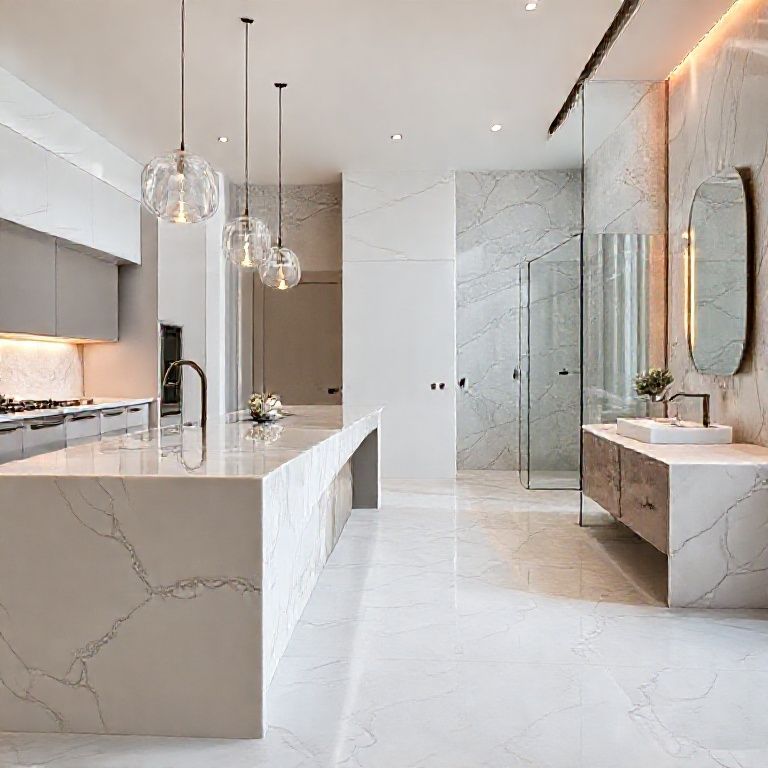
Engineered marble, also known as engineered stone, is a composite material made from a combination of natural stone powder and resin. This process involves pressing the stone powder under high pressure and temperature to create a dense, solid surface. The result is a material that mimics the look of natural marble while offering enhanced durability, water resistance, and ease of maintenance. Unlike natural marble, engineered marble is not prone to staining or etching, making it an ideal choice for high-traffic areas.
Factors Influencing Engineered Marble Pricing
Material Quality
The quality of the natural stone powder used in the engineered marble plays a crucial role in its pricing. Premium grades of stone powder from renowned quarries, such as Italian Carrara or Brazilian Minas Gerais, typically lead to higher-quality and more expensive engineered marble. The finer and more consistent the stone powder, the more intricate and beautiful the patterns will be.
Design Complexity
The design complexity significantly affects the cost of engineered marble. Intricate patterns, colors, and finishes require more advanced manufacturing techniques and skilled labor, thus driving up the price. Custom designs, which often involve unique color blends and textures, are typically more expensive than standard patterns.
Surface Finish
The finish of the engineered marble surface is another critical factor. Polished, honed, and brushed finishes each have their distinct costs. Polished surfaces require additional steps in the manufacturing process and often result in a higher price point compared to brushed or honed finishes.
Thickness and Size
The thickness and size of the engineered marble slabs can also impact the overall cost. Thicker slabs are generally more durable and offer better resistance to wear and tear, but they may also be more expensive due to the increased material and labor required for production.
Labor and Manufacturing Costs
Labor costs, especially in regions with higher living wages, can influence the final price of engineered marble. Additionally, manufacturing costs, including machinery, energy, and overhead, are factored into the pricing structure. Companies that utilize advanced technology and efficient manufacturing processes may offer competitive pricing while maintaining high-quality standards.
Comparing Engineered Marble to Natural Marble
While natural marble boasts a unique beauty that cannot be replicated, engineered marble offers several advantages that make it a compelling alternative:
Durability: Engineered marble is more resistant to water, stains, and scratches, making it easier to maintain and ideal for high-traffic areas. Cost-Effectiveness: While natural marble can be prohibitively expensive, engineered marble provides a luxurious look at a fraction of the cost. Customizability: Engineers can create a wide range of designs and colors that may not be available in natural marble, allowing for greater design flexibility.
Conclusion
Understanding the factors that influence the price of engineered marble helps consumers make informed decisions about their purchasing options. By appreciating the intricacies of this remarkable material, homeowners and designers can leverage its benefits to create stunning, durable, and maintenance-friendly spaces.
Trends Shaping the Future of Engineered Marble
Introduction
The world of engineered marble is ever-evolving, with continuous advancements in technology and design pushing the boundaries of what this versatile material can achieve. In this second part, we delve into the latest trends shaping the future of engineered marble, exploring how these innovations are influencing its pricing and applications across various sectors.
Innovative Designs and Color Trends
Nature-Inspired Patterns
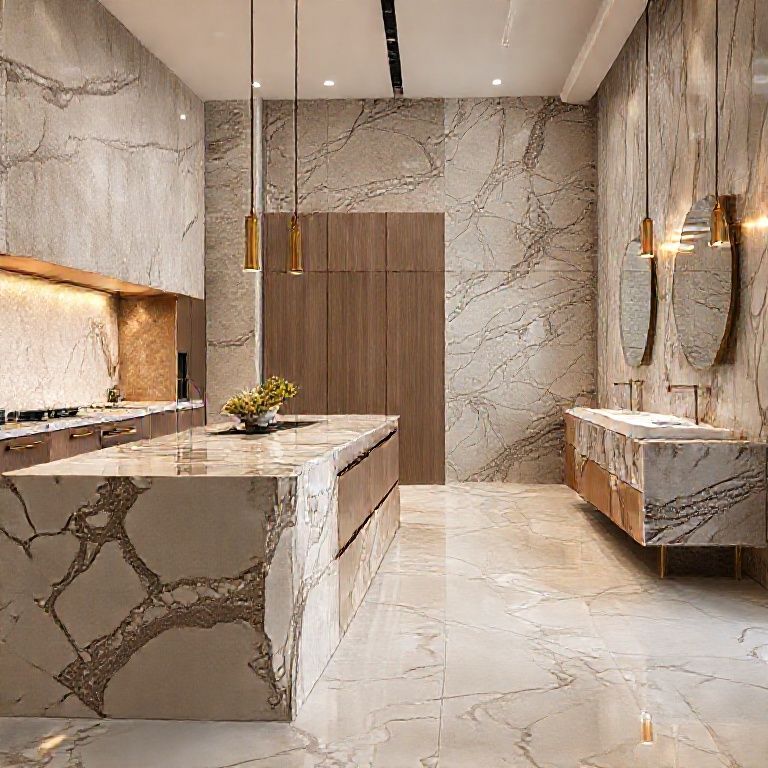
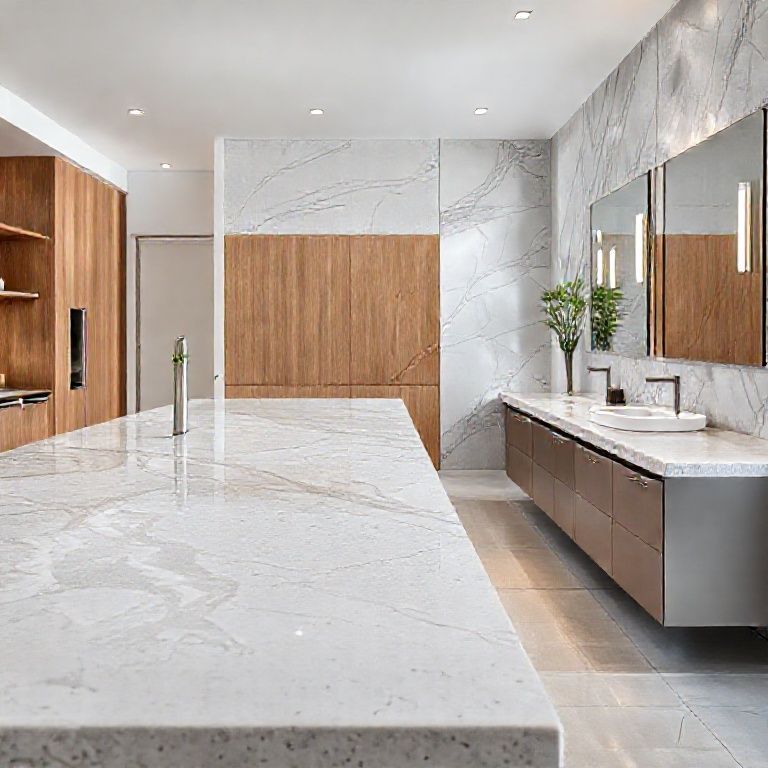
One of the most significant trends in engineered marble is the resurgence of nature-inspired designs. From realistic wood grain to intricate floral patterns, designers are pushing the limits of what can be achieved with engineered marble. These patterns not only mimic the beauty of natural materials but also offer the durability and ease of maintenance that engineered marble is known for.
Sustainable and Eco-Friendly Designs
Sustainability is a growing concern for consumers and businesses alike. Engineered marble manufacturers are responding by developing eco-friendly options that use recycled materials and minimize environmental impact. These sustainable choices are not only good for the planet but also resonate with consumers looking for environmentally responsible products.
Multi-Color Gradients
Multi-color gradients have become increasingly popular, offering a dynamic and visually striking aesthetic. These designs incorporate a spectrum of colors within a single slab, creating a unique and sophisticated look. The use of advanced resin technology allows for seamless transitions and intricate patterns that were previously impossible with natural stone.
Technological Advancements
Precision Manufacturing
Advances in manufacturing technology have led to more precise and consistent engineered marble products. High-pressure and high-temperature processes, combined with state-of-the-art machinery, ensure that each slab meets the highest standards of quality and uniformity. This precision not only enhances the appearance of the marble but also improves its durability and performance.
Customization Capabilities
Modern manufacturing techniques allow for unprecedented levels of customization. Designers can now create bespoke engineered marble pieces tailored to specific project requirements. This flexibility enables architects and interior designers to bring their most imaginative concepts to life, often at competitive prices.
Enhanced Surface Treatments
Innovations in surface treatments have expanded the range of finishes available for engineered marble. From ultra-glossy polishes to matte finishes, the possibilities are vast. These advanced treatments offer new ways to highlight the material’s beauty while providing practical benefits such as increased resistance to scratches and stains.
Market Trends and Applications
Growing Popularity in Residential Spaces
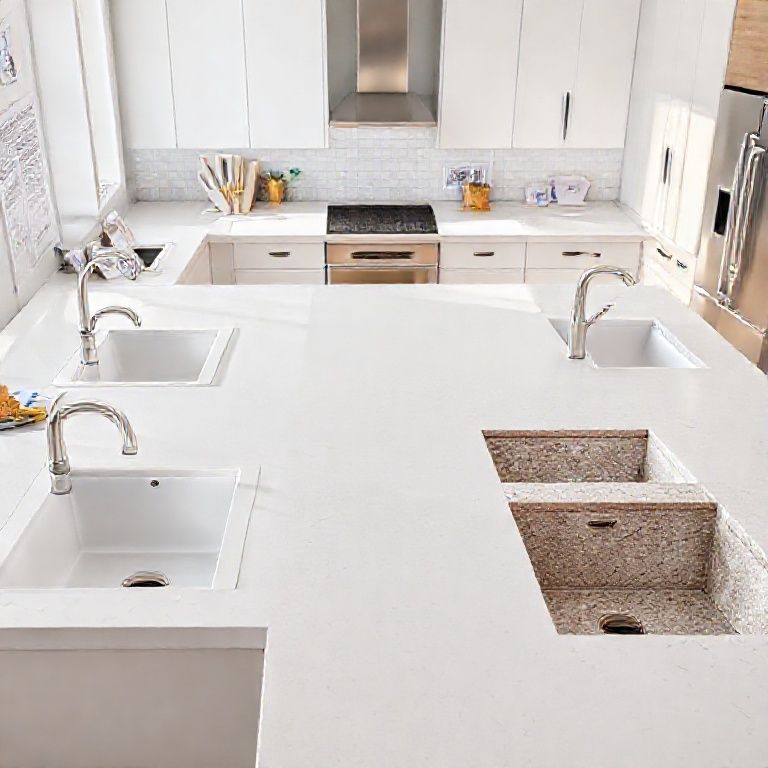
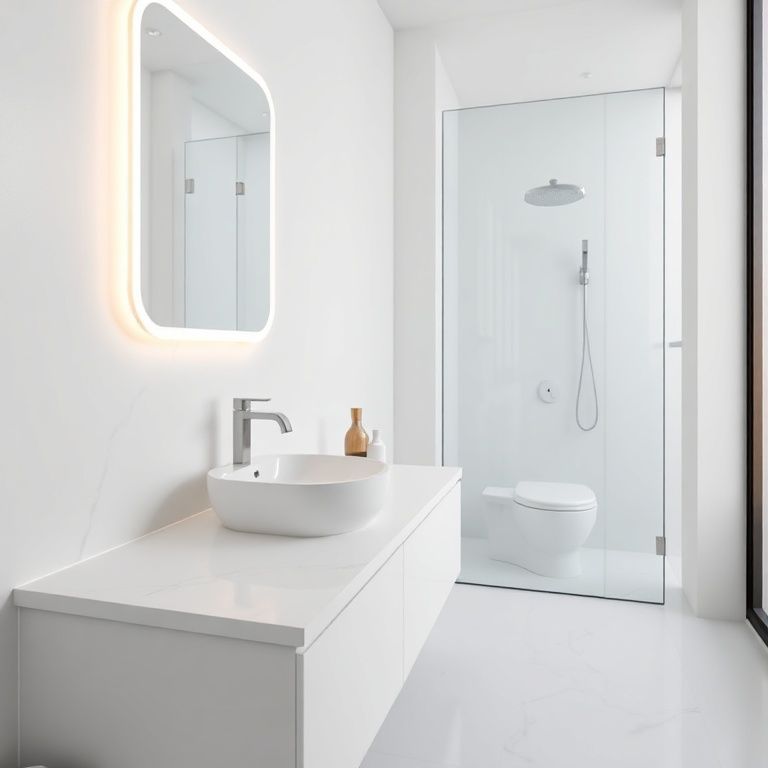
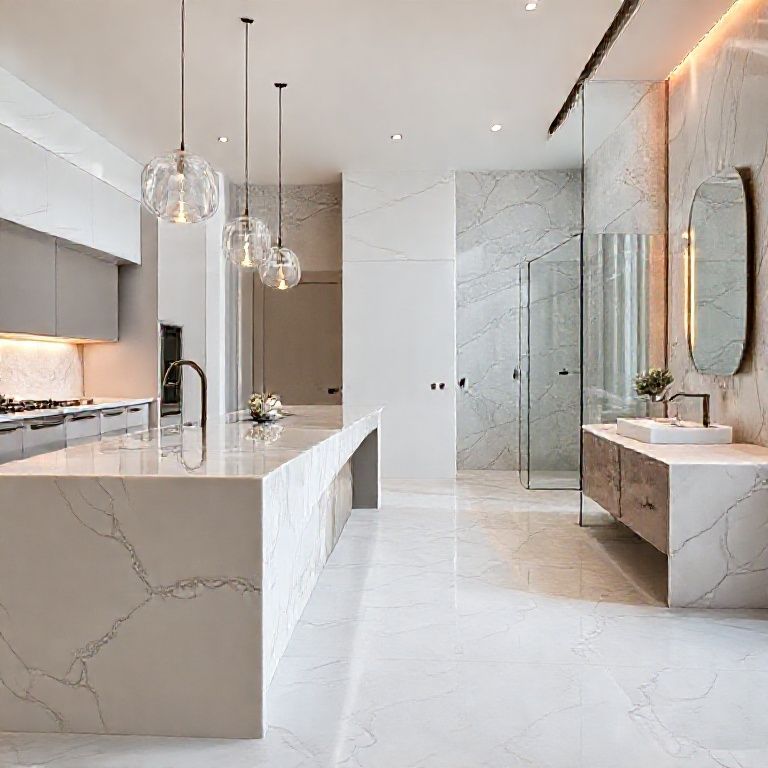
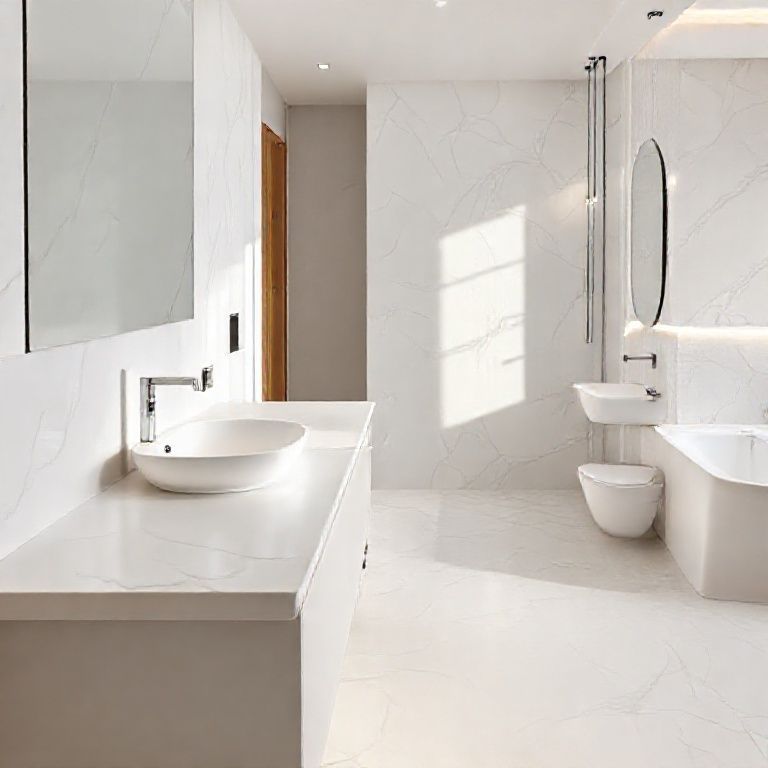
Engineered marble is gaining popularity in residential spaces due to its durability, ease of maintenance, and the wide range of available designs. Homeowners are increasingly opting for engineered marble for countertops, backsplashes, and even flooring, seeking both aesthetic appeal and practical benefits.
Commercial and Institutional Use
The commercial sector, including hotels, restaurants, and office spaces, is increasingly adopting engineered marble for its robust and low-maintenance qualities. The material’s ability to withstand heavy use and its availability in a wide range of colors and patterns make it an ideal choice for high-traffic areas.
Sustainable Building Practices
As the construction industry shifts towards more sustainable practices, engineered marble is playing a significant role. Its durability and low maintenance reduce the need for frequent replacements, contributing to a more sustainable building lifecycle. Additionally, the use of recycled materials in its production aligns with the growing demand for eco-friendly building solutions.
Future Outlook
The future of engineered marble looks promising, with ongoing innovations poised to further enhance its appeal. As technology continues to advance, we can expect even more sophisticated designs, improved sustainability, and greater customization options. The combination of these factors will likely drive the continued growth of engineered marble in both residential and commercial applications.
Conclusion
Engineered marble is a dynamic and versatile material that continues to evolve, driven by innovative design trends and technological advancements. By understanding the factors that influence its pricing and staying abreast of emerging trends, consumers and professionals can make informed choices that enhance the beauty and functionality of their spaces. As this remarkable material continues to shape the landscape of interior design, it promises to remain a top choice for those seeking luxury, durability, and sustainability.
In this comprehensive exploration of engineered marble, we’ve uncovered the intricate factors that influence its pricing and highlighted the exciting trends shaping its future. Whether you’re a homeowner, designer, or industry professional, this guide provides valuable insights into the world of engineered marble, helping you make informed decisions and stay ahead of the curve in this ever-evolving market.