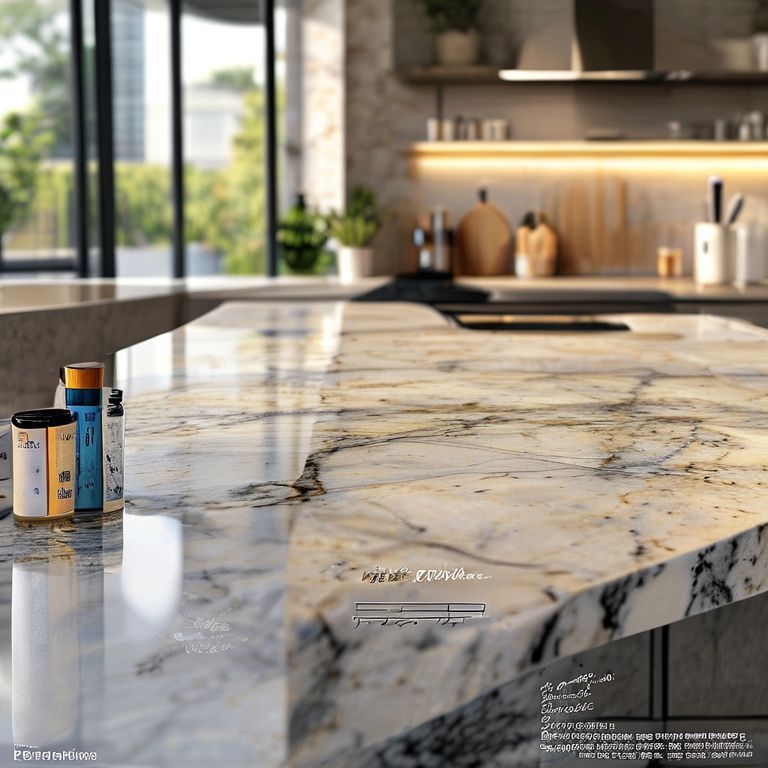
Introduction to Marble Flooring:
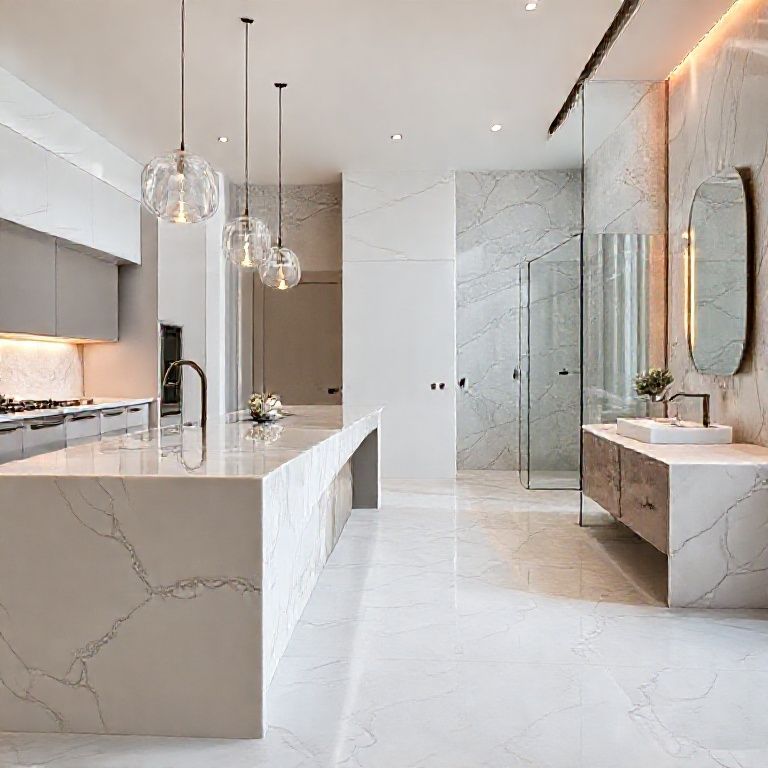
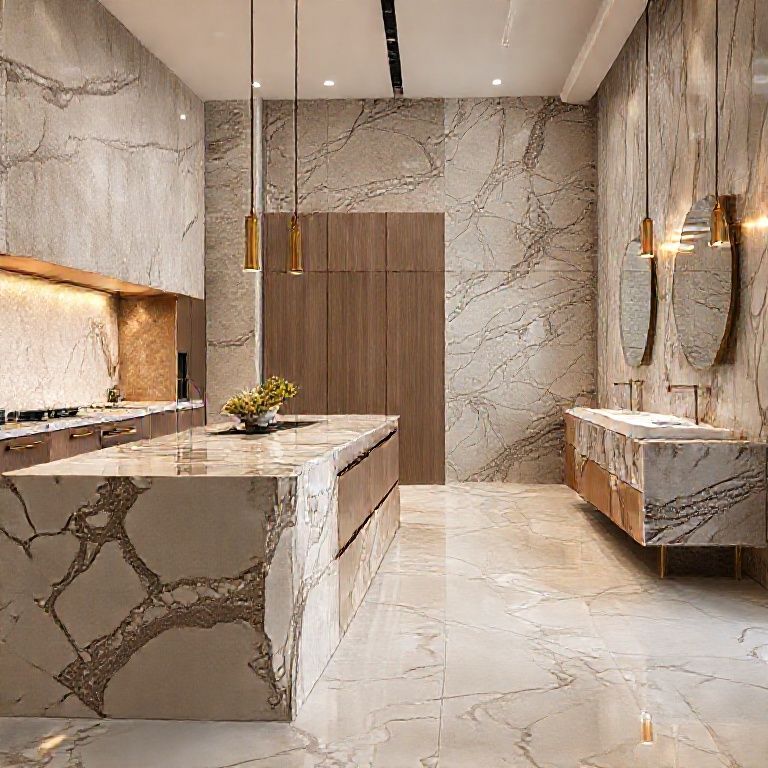
Welcome to the world of luxury and elegance with marble flooring! Marble, known for its timeless beauty and durability, has been a favored choice for centuries. This natural stone, sourced from various parts of the world, brings an unmatched aesthetic to any space it graces. But what exactly makes marble flooring so special? Let’s embark on a journey to understand its allure, benefits, and, importantly, the costs associated with its installation.

The Beauty and Benefits of Marble Flooring:
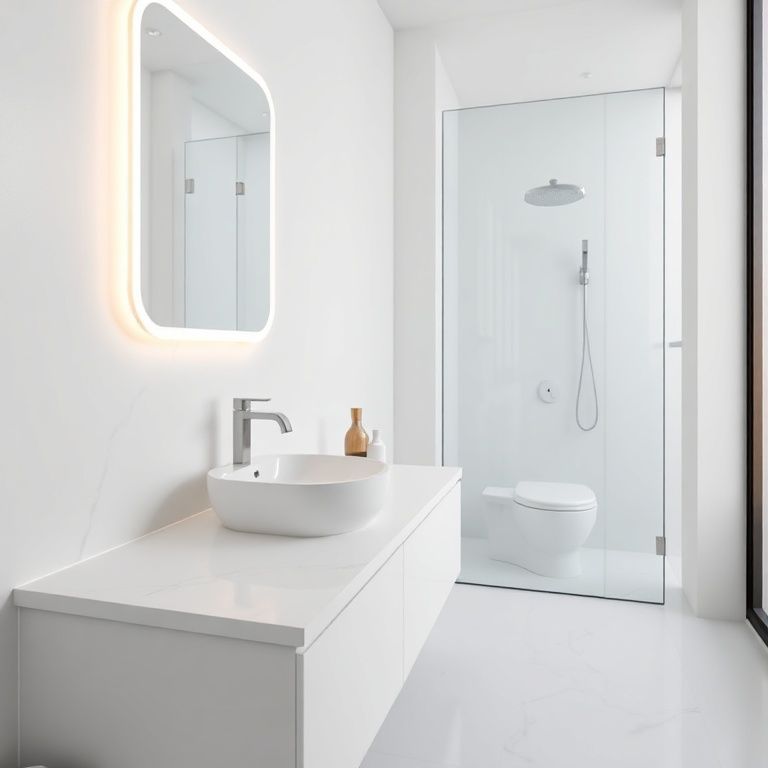
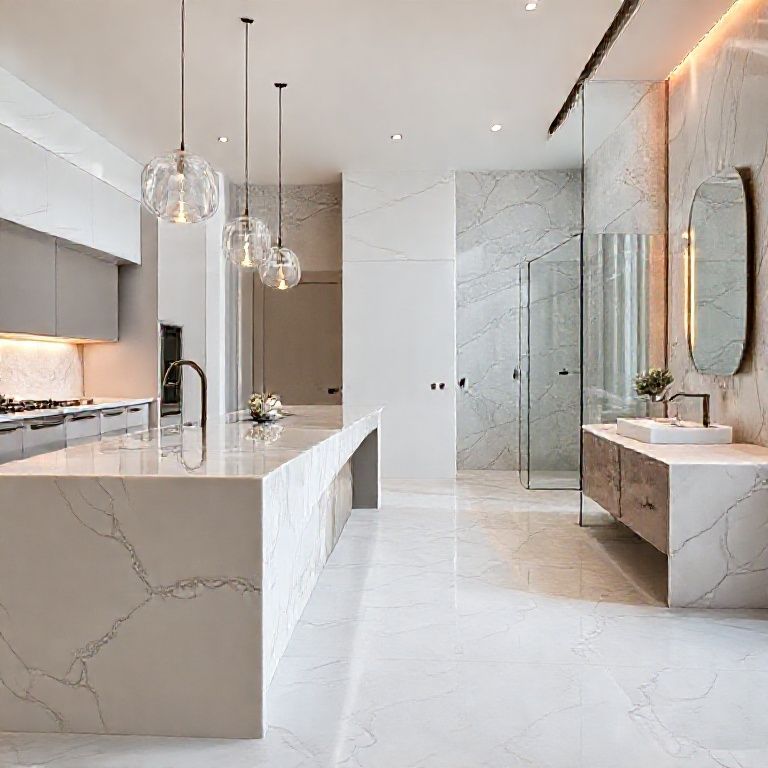
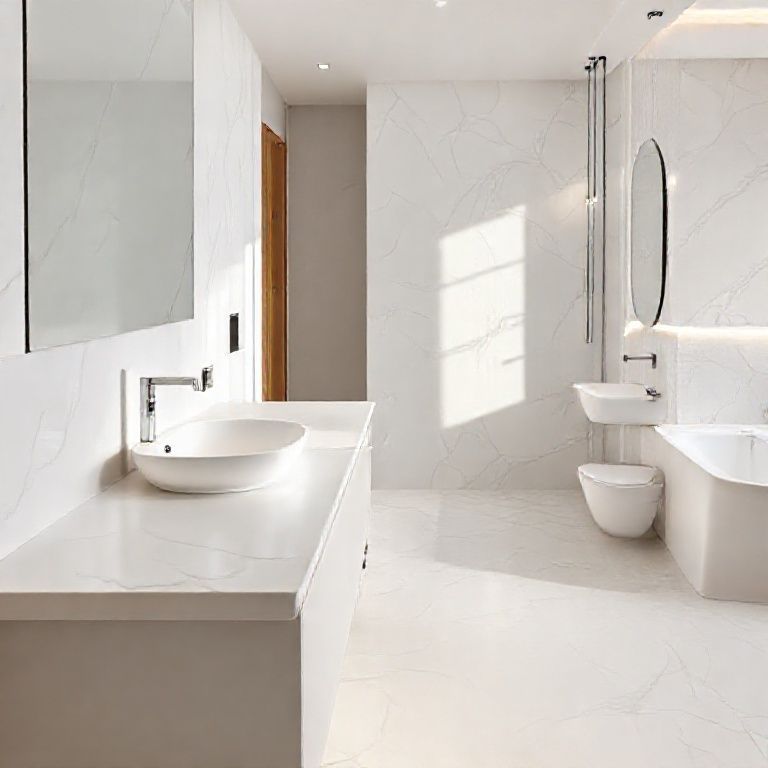
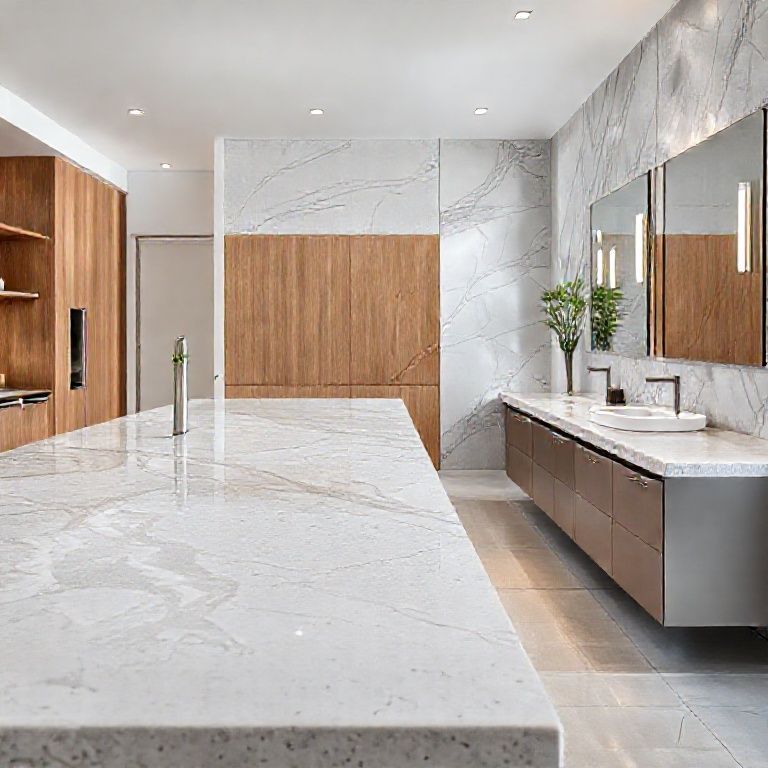
Marble flooring stands out due to its unique beauty, which is both natural and timeless. Each marble slab has its own distinct veining and color patterns, making every installation unique. This natural uniqueness is one of the main reasons why marble flooring is highly sought after.
One of the primary benefits of marble flooring is its durability. Despite its beauty, marble is a hard stone, which means it can withstand heavy foot traffic and wear over time. However, it’s essential to note that marble is a porous material, which requires careful maintenance to prevent stains and damage.
Factors Influencing Marble Floor Installation Costs:
The cost of installing marble flooring can vary significantly based on several factors. Here are the key elements that influence the overall price:
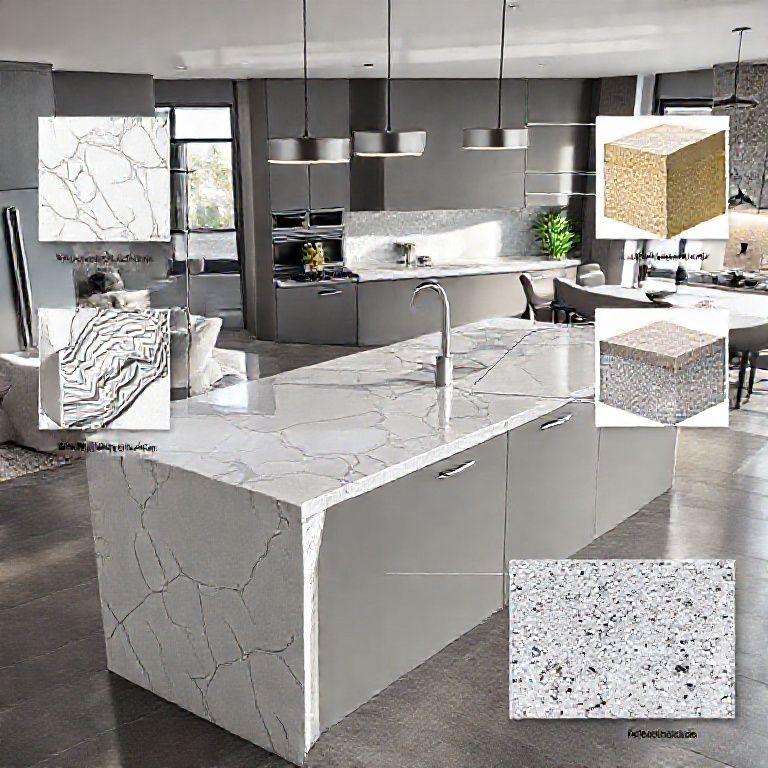
Type of Marble: Marble comes in a variety of types, each with different qualities and price points. Italian marble, for example, is renowned for its fine grain and aesthetic appeal, often commanding a higher price. On the other hand, more affordable options like Mexican or Chinese marble provide excellent quality at a lower cost. Quality of Installation: The expertise of the installer plays a crucial role in the final cost. Professional, skilled installers who can execute the installation with precision will charge more, but the quality of the finished product justifies the additional expense. Labor Costs: Labor costs can vary depending on the complexity of the installation. For instance, intricate patterns or larger installations will require more time and effort, thus increasing the labor costs. Local Market Rates: Prices can fluctuate based on geographical location. Urban areas with a high demand for luxury flooring may have higher installation costs compared to rural areas. Additional Costs: Additional costs may include the cost of any necessary preparation work, such as subfloor preparation, grouting, sealing, and cleaning post-installation.
Cost Breakdown:
Understanding the cost breakdown can help you budget effectively. Here’s a general idea of what you might expect:
Material Costs: This is the bulk of your total cost. Depending on the type and quality of marble, this can range from $10 to $100 per square foot.
Installation Costs: Professional installation adds an additional 10-30% to the material cost. High-quality installations can cost anywhere from $15 to $50 per square foot.
Additional Costs: These might include preparation work, sealing, and cleaning, which can add another 5-15% to the total cost.
Conclusion to
Marble flooring is a luxurious choice that can elevate the aesthetic of any space. While it comes with a price, the benefits of durability, beauty, and timeless elegance make it a worthwhile investment. Understanding the various factors that influence the cost of marble floor installation can help you make an informed decision. In the next part, we will delve deeper into the maintenance and long-term benefits of marble flooring to ensure you get the best value for your investment.
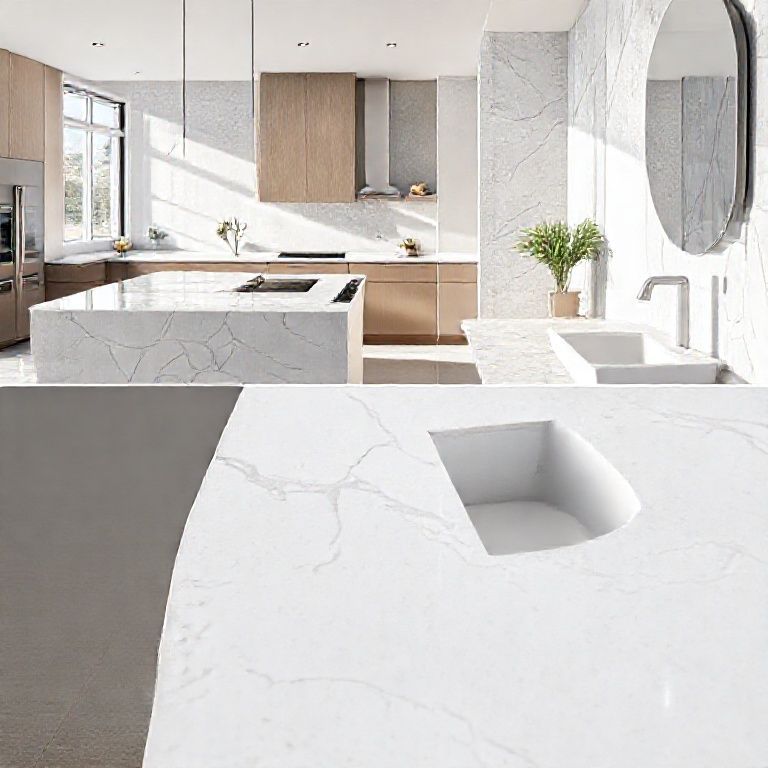
In-Depth Look at Marble Flooring Maintenance and Long-Term Benefits
Maintenance of Marble Flooring:
While marble flooring is renowned for its beauty and durability, it requires proper care to maintain its luster and longevity. Here are some essential tips for marble floor maintenance:
Regular Cleaning: Use a soft, damp cloth and a mild pH-neutral cleaner to wipe the marble floor. Avoid using acidic or abrasive cleaners that can damage the surface. Sealing: Regular sealing of the marble floor can help protect it from stains and spills. It’s recommended to reseal the floor every 6 to 12 months, depending on usage and exposure to spills. Avoiding Damage: Marble is prone to scratches and stains, so it’s best to use protective pads under furniture legs and avoid placing heavy objects directly on the floor. Immediate Cleaning of Spills: Any spills should be cleaned immediately to prevent stains. Use a damp cloth to wipe up liquid spills and apply a cleaner to remove any residue.
Long-Term Benefits of Marble Flooring:
Investing in marble flooring is not just about aesthetics; it also offers several long-term benefits that make it a valuable choice for both residential and commercial spaces.
Value Retention: Marble flooring is a timeless investment that retains its value over time. Homes and buildings with marble flooring often see an increase in property value, making it a smart choice for long-term investment. Low Maintenance: Despite the need for regular maintenance, marble floors are relatively low maintenance compared to other types of flooring. With proper care, marble can last for decades, providing a consistent, elegant look. Versatility: Marble flooring can complement a variety of interior styles, from modern to classic. Its versatility makes it suitable for a wide range of spaces, including living rooms, kitchens, bathrooms, and offices. Health Benefits: Unlike some synthetic flooring materials, marble is a natural stone that does not emit harmful chemicals. This makes it a healthier option for indoor environments, especially in homes with children or pets.
Comparing Marble Flooring to Other Flooring Options:
To help you make a well-informed decision, let’s compare marble flooring to some other popular flooring options:
Marble vs. Granite: While both are natural stones, granite is typically more affordable and less porous than marble. However, granite does not have the same level of veining and color variation as marble, which can make it less visually striking. Marble vs. Hardwood: Hardwood floors are durable and can be refinished multiple times, but they require regular maintenance to prevent scratches and damage. Marble, on the other hand, is more resistant to scratches but requires careful cleaning to avoid stains. Marble vs. Vinyl: Vinyl flooring is a cost-effective option but lacks the elegance and durability of marble. It also does not offer the same level of aesthetic appeal, and it can emit VOCs (volatile organic compounds) over time.
Conclusion to
Marble flooring is a luxurious choice that offers both beauty and durability. While the initial cost might be higher compared to other flooring options, the long-term benefits, including value retention and low maintenance, make it a worthwhile investment. Proper maintenance is key to ensuring that your marble flooring retains its beauty and longevity. By understanding the factors that influence installation costs and the maintenance requirements, you can make an informed decision that suits your needs and budget.
Marble flooring is not just a floor; it’s a statement of elegance and sophistication. Whether for a home renovation or a commercial space upgrade, marble flooring brings a touch of timeless luxury that continues to inspire and impress. So, take the time to explore your options, and experience the transformative power of marble flooring for yourself.