
The world of interior design and architectural marvels is constantly seeking materials that blend aesthetic appeal with unparalleled functionality. For years, we’ve marveled at the seamless, elegant surfaces of kitchens, bathrooms, and commercial spaces. But have you ever paused to wonder how these seemingly monolithic pieces of sculpted material come to life? The answer, my friends, lies in a captivating process known as thermoforming, and when it comes to materials like Corian® and other acrylic-based solid surfaces, it’s nothing short of transformative.

The phrase “可丽耐人造石吸塑机怎么样啊视频” (kělìnài rénzàoshí xīsū jī zěnmeyàng a shìpín) – which roughly translates to “How about Corian solid surface blister machines? Videos?” – hints at a growing curiosity about the technology that brings these beautiful materials to life. It’s a question that opens the door to a realm of innovation, precision, and creative possibility. Forget the rigid limitations of traditional materials; thermoforming allows us to bend, shape, and sculpt solid surfaces into virtually any form imaginable.
At its core, thermoforming, often referred to as vacuum forming or, in the context of solid surfaces, “blistering,” is a manufacturing process where a sheet of plastic is heated to a malleable temperature and then formed around a mold using vacuum pressure. For solid surfaces, primarily composed of acrylic polymers and mineral fillers, this process is particularly effective due to their inherent thermoplastic nature. When heated, these sheets become pliable, allowing them to be stretched and draped over complex shapes, ultimately cooling to retain their new form with remarkable strength and durability.
The “吸塑机” (xīsū jī), or blister machine, is the star of this show. These are specialized pieces of equipment designed to handle the unique requirements of solid surface materials. Unlike thinner plastics, solid surface sheets are substantial, requiring precise temperature control and robust vacuum systems. The machines are engineered to ensure even heating across the entire sheet, preventing scorching or uneven stretching. The vacuum, applied from beneath the mold, expertly pulls the softened material down, conforming it precisely to every curve, contour, and detail.
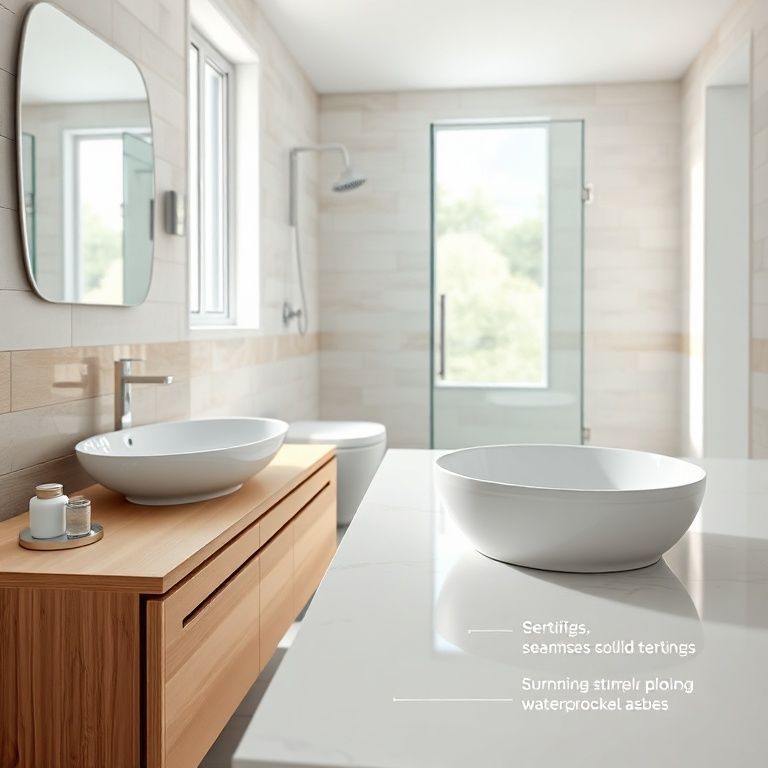
The magic happens in the preparation and execution. First, a mold is meticulously crafted. This mold dictates the final shape of the product, whether it’s a gently curved sink bowl, a flowing waterfall countertop edge, or an intricate architectural panel. These molds can be made from a variety of materials, including wood, MDF, or even metal, depending on the complexity and production volume. The precision of the mold is paramount, as any imperfection will be faithfully replicated in the final solid surface piece.
Once the mold is ready, the solid surface sheet is carefully positioned. The “blister machine” then initiates a heating cycle. This isn’t a quick blast of heat; it’s a carefully calibrated process. Infrared heaters, or sometimes convection ovens integrated into the machine, gradually bring the sheet up to its optimal forming temperature. This temperature is critical – too cool, and the material won’t stretch properly; too hot, and it risks becoming too thin or even degrading. Technicians monitor this process closely, often using infrared thermometers to ensure uniformity.
As the sheet reaches the perfect pliability, the vacuum is engaged. This is where the transformation is most dramatic. The softened sheet is drawn down onto the mold, pressing into every nook and cranny. The vacuum not only shapes the material but also helps to eliminate any trapped air bubbles, ensuring a smooth, dense finish. The cooling process is just as important as the heating; as the material cools, it solidifies, locking in the new shape with structural integrity.
The beauty of thermoforming solid surfaces lies in its ability to create seamless, integrated designs. Think of a kitchen sink that appears to be an organic extension of the countertop, or a reception desk with elegantly curved front panels. These are the hallmarks of thermoformed solid surfaces. Traditional fabrication methods often require visible seams, adhesives, and separate components. Thermoforming, however, allows for the creation of these complex forms from a single piece of material, enhancing both aesthetics and hygiene by minimizing crevices where dirt and bacteria can accumulate.
The versatility extends far beyond kitchens and bathrooms. Architectural elements, such as bespoke wall cladding, decorative ceiling panels, and even illuminated features, can be brought to life through this process. Retail displays, healthcare surfaces, and hospitality furniture all benefit from the ability to create unique, durable, and easily maintained shapes. The “可丽耐人造石吸塑机怎么样啊视频” question, therefore, isn’t just about a machine; it’s about unlocking a new paradigm in material manipulation and design realization. It’s about understanding how raw sheets of material can be coaxed into becoming stunning, functional works of art, driven by the precision and power of advanced thermoforming technology.
Continuing our exploration into the captivating world of solid surface thermoforming, the “可丽耐人造石吸塑机怎么样啊视频” query leads us deeper into the practical advantages and innovative applications that this technology enables. It’s not just about making pretty shapes; it’s about creating solutions that are as robust and practical as they are beautiful. The ability to manipulate materials like Corian® and its counterparts through precise heating and vacuum forming opens up a universe of design possibilities that were once confined to the realm of imagination.
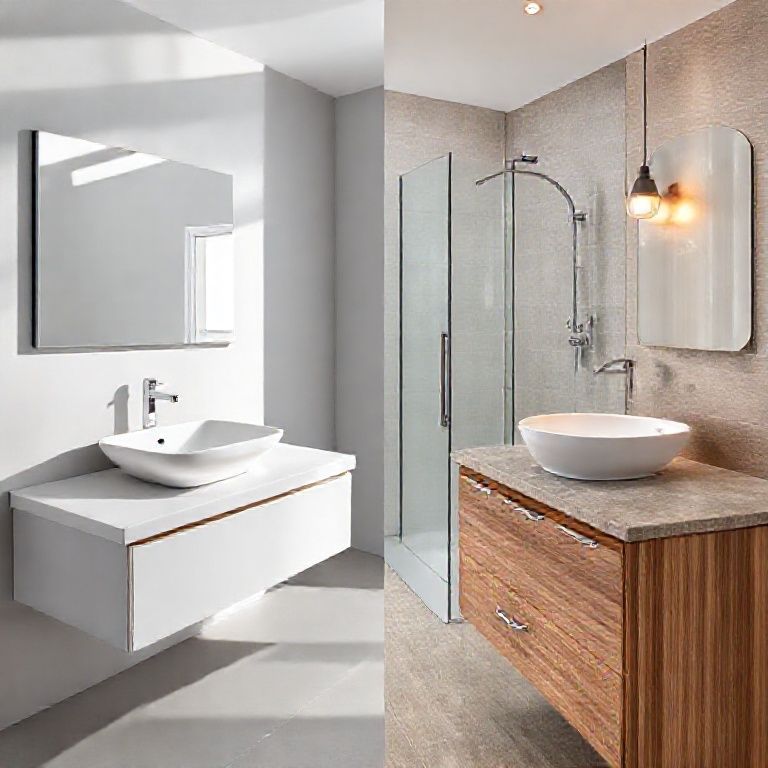
One of the most significant benefits of thermoformed solid surfaces is their inherent durability and longevity. The process itself results in a non-porous, homogeneous material. This means that spills, stains, and even minor scratches can be easily addressed, often with simple sanding and polishing. Unlike laminate or some natural stones, solid surfaces don’t require extensive sealing, making them incredibly low-maintenance. When shaped through thermoforming, these qualities are amplified. A seamlessly integrated sink, for example, eliminates the common failure points of glued-in sinks, such as leaks or gaps. The uniform nature of the material, achieved through controlled heating and vacuum pressure, ensures that the finished product is not only aesthetically pleasing but also structurally sound and incredibly resistant to daily wear and tear.
The design freedom offered by thermoforming is truly revolutionary. Architects and designers are no longer bound by the straight lines and right angles often dictated by traditional fabrication. Curved countertops that flow into backsplashes, dramatic reception desks with organic forms, and custom-shaped seating areas are all achievable. The “blister machine” allows for the creation of complex geometries that can be difficult and expensive to achieve with other methods. Imagine a reception desk that mimics a natural wave, or a retail display that incorporates intricate, flowing elements. These aren’t just theoretical concepts; they are tangible realities made possible by the precise control over heat and vacuum that these machines provide.
Furthermore, the ability to create large, seamless pieces is a game-changer for hygiene-sensitive environments. In hospitals, laboratories, and food service areas, the absence of grout lines and tight seams significantly reduces the potential for bacterial growth. Thermoformed solid surfaces can be molded into integrated coving, where the countertop smoothly transitions into a vertical backsplash, creating a continuous, easy-to-clean surface. This is a crucial advantage that makes solid surfaces an ideal choice for applications where cleanliness is paramount. The “可丽耐人造石吸塑机” is therefore not just a tool for shaping material, but a facilitator of healthier and more hygienic environments.
The process also allows for creative integration of other elements. For instance, lighting can be incorporated seamlessly. Translucent solid surface materials, when heated and formed, can create beautiful illuminated panels or glowing features. The light source can be hidden behind the formed material, casting a soft, ambient glow. This opens up possibilities for unique furniture designs, decorative walls, and even artistic installations. Similarly, different colors and patterns of solid surface can be strategically joined and thermoformed to create intricate, multi-dimensional designs.
The manufacturing process itself, while requiring specialized equipment and expertise, is remarkably efficient for producing complex shapes. Once a mold is created, producing multiple identical pieces is relatively straightforward. This efficiency, combined with the material’s durability and low maintenance, makes thermoformed solid surfaces a cost-effective solution in the long run, despite the initial investment in technology and molds. The “videos” that might accompany the “可丽耐人造石吸塑机怎么样啊” query would likely showcase this efficiency, demonstrating how a flat sheet transforms into a sophisticated form with minimal waste.
Looking at the broader impact, thermoformed solid surfaces are contributing to more sustainable building practices. The durability means less frequent replacement, reducing material consumption over time. Additionally, many solid surface manufacturers are increasingly focused on using recycled content and developing more environmentally friendly production processes. The ability to repair and refinish solid surfaces also extends their lifespan, further contributing to sustainability.
In essence, the “可丽耐人造石吸塑机” represents a pivotal technology in the realm of modern materials. It’s the bridge between raw acrylic stone and the stunning, functional, and often breathtaking forms we see in contemporary design. Whether it’s the ergonomic curve of a laboratory bench, the seamless elegance of a hotel lobby desk, or the practical beauty of a residential kitchen island, the principles of thermoforming are at play, transforming simple sheets into enduring works of functional art. The videos that capture this process are more than just instructional; they are a testament to human ingenuity and the art of material transformation.









