Introduction to Coroplast
In the ever-evolving landscape of construction and design, innovation is the key to unlocking new possibilities. One such revolutionary material that has captured the imagination of professionals and DIY enthusiasts alike is Coroplast, a lightweight, durable, and versatile board material. In this first part of our exploration, we will dive deep into the origins, properties, and diverse applications of Coroplast, revealing why it has become an indispensable asset in various industries.

The Origins and Properties of Coroplast
Coroplast, also known as corrugated plastic board, was first developed in the 1950s and has since become a staple in the construction and design sectors. This material is primarily composed of two layers of high-density polyethylene (HDPE) with a thin layer of aluminum sandwiched in between. This unique composition provides Coroplast with remarkable strength, flexibility, and durability, making it an excellent choice for a wide range of applications.
One of the standout features of Coroplast is its lightweight nature. Despite its robust construction, Coroplast is incredibly easy to handle, which is a significant advantage during transportation and installation. Its resistance to moisture, UV rays, and various chemicals further enhances its longevity and reliability. The material’s ability to withstand extreme temperatures—both hot and cold—makes it versatile for use in various environments.
Versatile Applications of Coroplast
Coroplast’s versatility extends across numerous industries, from construction to marketing, and from interior design to outdoor installations. Let’s explore some of its most common uses:

1. Construction and Roofing
In construction, Coroplast is widely used for roofing and siding due to its weather-resistant properties. It provides an excellent alternative to traditional materials like wood and metal, offering superior durability and lower maintenance. The material’s ability to resist water, wind, and UV damage makes it ideal for long-lasting roofing solutions. Additionally, Coroplast panels are easy to cut and install, making them a practical choice for both large-scale commercial projects and smaller residential builds.
2. Signage and Branding
In the realm of signage and branding, Coroplast shines with its ability to create eye-catching, durable signs. Its bright, reflective surface makes it perfect for outdoor signs, billboards, and vehicle wraps. Coroplast signs are highly visible, even in low light conditions, and can withstand harsh weather conditions without fading or warping. This makes it a preferred choice for businesses looking to make a lasting impression on their audience.
3. Interior Design and Display
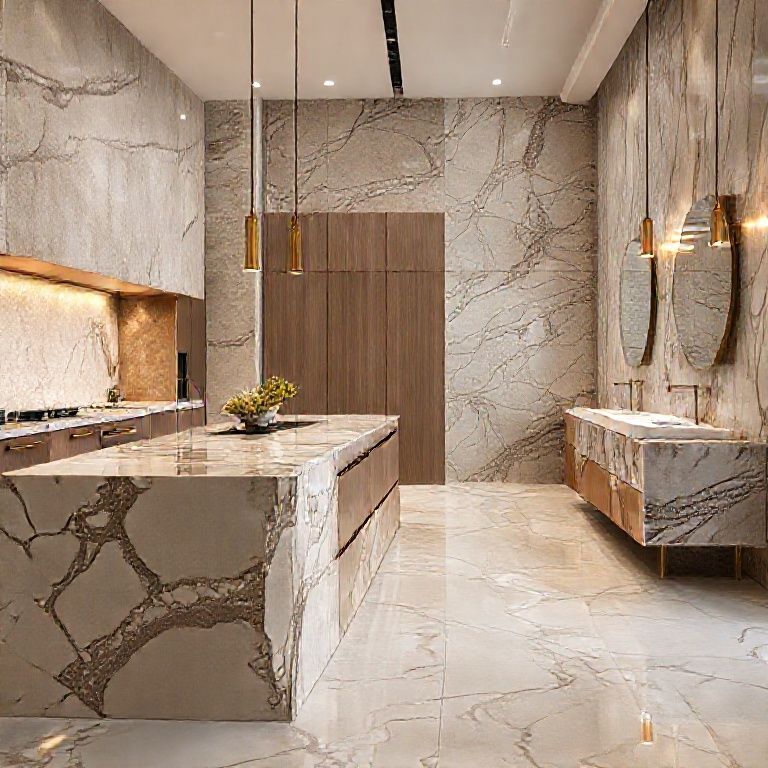
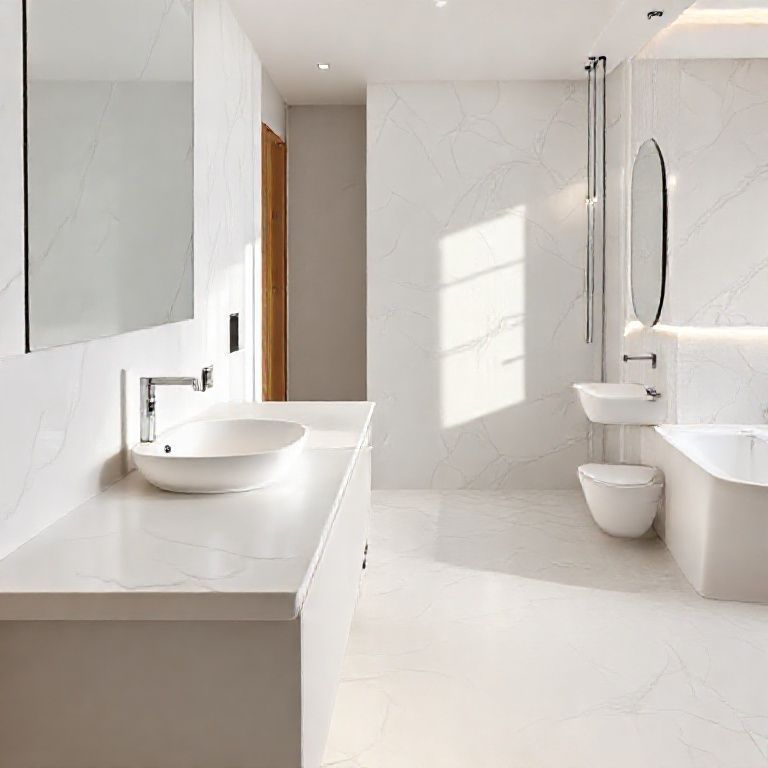
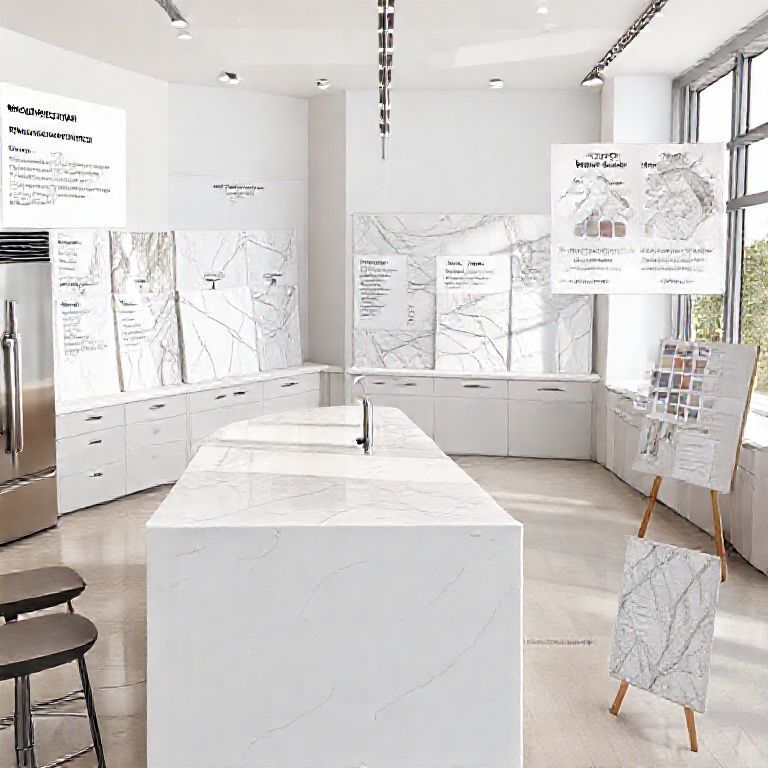
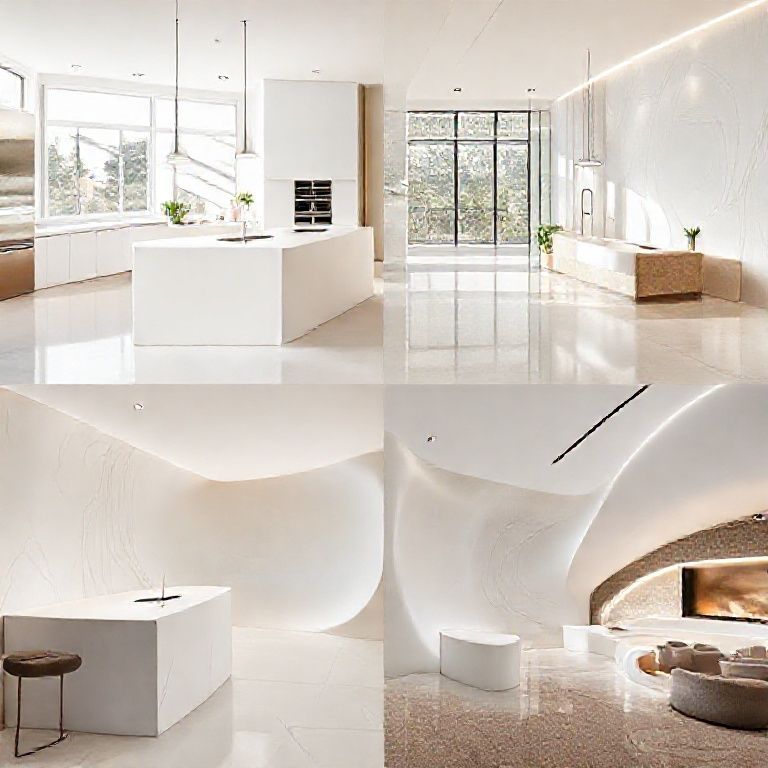
Coroplast is also a popular choice in interior design for creating partitions, display cases, and custom furniture. Its smooth surface allows for intricate designs and detailed finishes, making it ideal for bespoke furniture pieces. In retail, Coroplast is used to create attractive product displays and shelving units that are both functional and aesthetically pleasing. The material’s resistance to moisture and chemicals ensures that displays remain pristine and long-lasting.

4. Event and Exhibition Setup
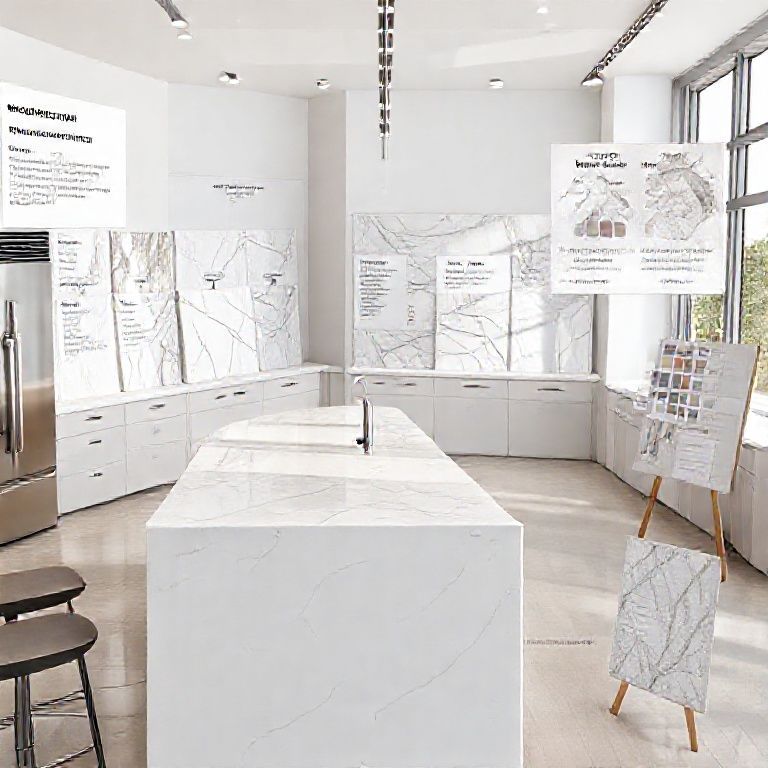
In event and exhibition setup, Coroplast’s flexibility and ease of use make it an excellent choice for creating temporary structures, backdrops, and signage. Its lightweight nature simplifies transportation and setup, while its durability ensures that displays remain intact throughout the event. Whether it’s a trade show booth or a temporary stage, Coroplast provides a reliable and cost-effective solution.
Sustainability and Eco-Friendliness
In today’s environmentally conscious world, sustainability is a crucial consideration. Coroplast stands out in this regard due to its eco-friendly properties. The material is recyclable, and its long lifespan reduces the need for frequent replacements, thereby minimizing waste. Additionally, Coroplast’s resistance to moisture and chemicals means it requires less maintenance, further reducing environmental impact.
Conclusion to Part 1
In conclusion, Coroplast is more than just a construction and design material; it’s a versatile, innovative solution that offers numerous benefits across various sectors. Its lightweight nature, durability, and ease of installation make it a preferred choice for professionals and DIY enthusiasts alike. As we continue to explore the marvels of Coroplast in the next part of this article, we will delve deeper into its specific applications and how it continues to shape the future of construction and design.
Advanced Applications and Future Innovations of Coroplast
Building on the foundation laid in the first part, this second part will explore the advanced applications and future innovations of Coroplast. We will examine how this remarkable material is being used in cutting-edge technologies and emerging industries, highlighting its potential to revolutionize even more sectors in the years to come.
Advanced Construction Techniques
Coroplast has already made significant inroads in traditional construction, but its applications are expanding into more advanced techniques and technologies. Here’s how:
1. Modular Construction
Modular construction is a rapidly growing trend that emphasizes prefabrication and assembly on-site. Coroplast plays a crucial role in this method by providing durable, weather-resistant panels that can be easily assembled into modular units. These units can be transported, stored, and erected with minimal effort, significantly reducing construction time and costs. The material’s resistance to environmental factors ensures that modular buildings remain intact and functional for years to come.
2. Sustainable Building Solutions
In the quest for sustainable building solutions, Coroplast is emerging as a game-changer. Its ability to be recycled and its low maintenance requirements align perfectly with green building practices. Additionally, Coroplast’s use in passive solar buildings—structures designed to capture and retain heat naturally—demonstrates its potential to contribute to energy-efficient and eco-friendly construction. By integrating Coroplast into sustainable building designs, architects and builders can create structures that are not only durable but also environmentally responsible.
Transformative Uses in Design
Beyond construction, Coroplast is making waves in the design world with its transformative uses. Let’s explore some of these innovative applications:
1. Art and Sculpture
Artists and sculptors are increasingly turning to Coroplast for its unique texture and versatility. The material’s smooth surface allows for intricate designs, while its flexibility enables artists to create dynamic, three-dimensional pieces. Coroplast’s durability ensures that these artistic creations can withstand the test of time, making it an ideal medium for both temporary exhibits and long-term installations.
2. Interior Design Innovations
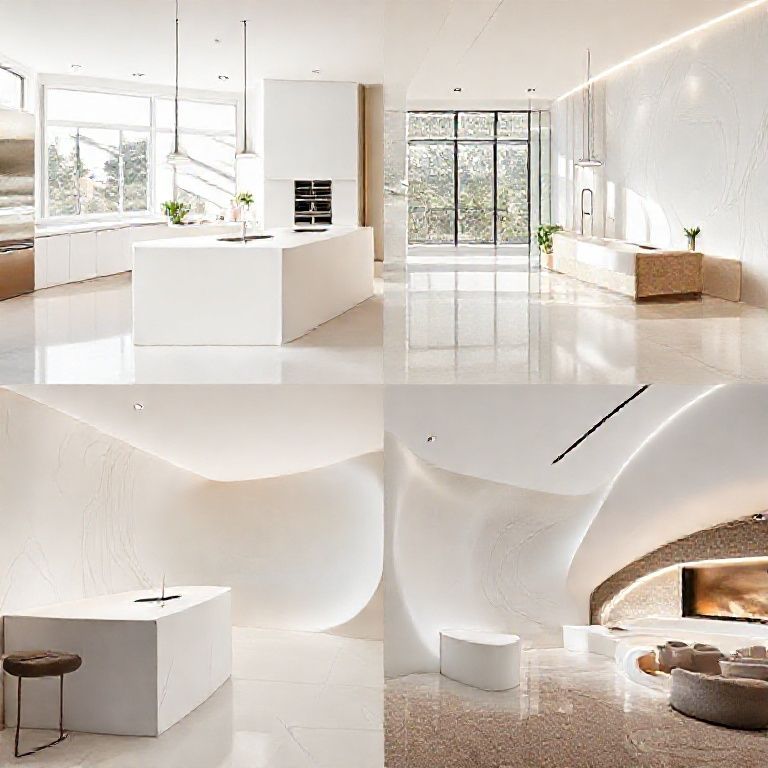
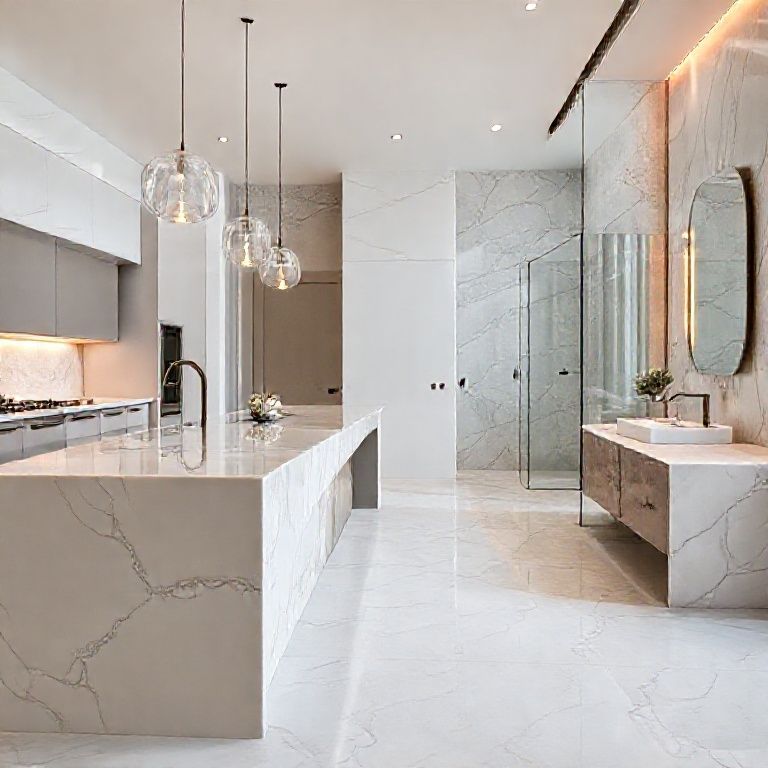
In interior design, Coroplast is being used to create innovative and functional spaces. From custom partitions and shelving to unique furniture pieces, the material’s versatility allows designers to push the boundaries of creativity. Its resistance to moisture and chemicals means that interior designs featuring Coroplast can maintain their appearance and integrity over time, even in high-traffic areas.
3. Interactive Displays
In the world of interactive displays, Coroplast is a favorite for creating engaging and informative exhibits. Its smooth surface makes it ideal for touch screens and interactive panels, while its durability ensures that these displays can withstand frequent use without degrading. Coroplast’s ability to be cut, shaped, and colored in various ways allows designers to create immersive and interactive experiences that captivate audiences.
Emerging Industries and Future Innovations
Coroplast’s versatility is not limited to existing applications; it is also finding its way into emerging industries and future innovations. Here’s a look at some of these exciting developments:
1. Aerospace and Automotive
In the aerospace and automotive industries, Coroplast is being explored for its potential in creating lightweight, durable components. Its resistance to extreme temperatures and chemicals makes it an ideal candidate for use in aircraft and vehicle interiors. Researchers are investigating its use in manufacturing parts that require high strength-to-weight ratios, potentially leading to more efficient and environmentally friendly vehicles.
2. Medical and Healthcare
Coroplast’s hygienic and durable properties are also being leveraged in the medical and healthcare sectors. In hospitals and clinics, the material is used to create sterile, long-lasting surfaces for medical equipment and furniture. Its resistance to bacteria and chemicals ensures that these surfaces remain clean and safe, contributing to better patient care and infection control.
3. Renewable Energy
In the renewable energy sector, Coroplast is being used in the manufacturing of solar panels and wind turbine components. Its lightweight and durable nature makes it an excellent material for components that need to withstand harsh environmental conditions while being easy to transport and assemble. As the demand for renewable energy solutions grows, Coroplast’s role in this industry is likely to expand.
Conclusion to Part 2
In conclusion, the marvels of Coroplast continue to unfold as new applications and innovations emerge across various industries. From advanced construction techniques to transformative design uses and cutting-edge technologies, Coroplast is proving to be a material of the future. Its versatility, sustainability, and eco-friendliness make it a preferred choice for professionals and innovators who seek innovative and responsible solutions. As we move forward, it’s clear that Coroplast will play a pivotal role in shaping the future of construction, design, and beyond.
Final Thoughts
Coroplast is a testament to the power of innovation in the materials industry. Its versatility, durability, and sustainability have made it a favorite among professionals and DIY enthusiasts across numerous sectors. Whether it’s revolutionizing construction techniques, transforming design practices, or paving the way for future technologies, Coroplast continues to be a material that stands继续探索Coroplast的影响力,我们不能忽视其在文化和教育领域的潜力。
随着对环保和可持续发展需求的不断增加,Coroplast作为一种环保友好的材料,正在成为教育和文化活动中的重要组成部分。
教育与培训
在教育和培训领域,Coroplast的应用同样引人注目。它不仅是DIY项目和手工艺课程中的理想材料,还广泛应用于科技实验和模型制作。其易于处理和多样化的外观使其成为教师和学生的首选。例如,在科学课堂上,学生可以使用Coroplast制作模型,从而直观地理解复杂的概念。
这种实践性学习方法不仅提高了学生的动手能力,还增强了他们的创造力和问题解决能力。
Coroplast在文化活动和展览中的应用也日益增多。其轻便性和耐用性使其成为临时结构和展览展示的理想选择。在博物馆、艺术展览和公共活动中,Coroplast可以用来制作展览架、背景墙和信息牌。其优异的反光性和色彩表现力使其成为视觉效果强烈的展示材料。
Coroplast的易于修改和再利用特性,使其在不同活动和展览之间轻松转换,极大地降低了成本。
环保与可持续发展
Coroplast的环保特性在现代社会中显得尤为重要。随着全球对可持续发展的关注度日益增加,Coroplast作为一种可回收材料,正在被越来越多地采用。它不仅减少了对传统木材和金属材料的依赖,还在生产和使用过程中产生的碳足迹较低。在许多地区,Coroplast的生产和回收过程已经实现了循环利用,这不仅减少了对自然资源的消耗,还降低了废弃物对环境的影响。
未来展望
展望未来,Coroplast的潜力依然巨大。随着技术的进步,Coroplast的性能和应用领域将进一步扩展。例如,在建筑领域,研究人员正在探索如何将Coroplast与其他新兴材料结合,以创造出更高效、更环保的建筑解决方案。在文化和教育领域,Coroplast有望继续推动创新和创意,为更多的活动和项目提供支持。
Coroplast作为一种多功能、环保友好的材料,正在以其独特的优势,在各个领域留下深刻的印记。它不仅为我们提供了更多的可能性,也为我们的社会带来了更多的可持续发展机会。在未来,随着对环保和创新需求的持续增长,Coroplast必将在更多的领域展现其无限的潜力。