The Science Behind Natural Marble and Its Radiation Myth
Natural marble is an exquisite material that has been admired for centuries for its timeless beauty and elegance. Derived from the metamorphic transformation of limestone under intense heat and pressure, marble is renowned for its unique patterns, colors, and fine grain structure. It has been a cornerstone in architectural and decorative design, gracing the halls of palaces, churches, and homes around the world. However, there’s a persistent myth that natural marble is radioactive. Let’s unravel this myth by delving into the science behind marble and its radiation.

The Composition of Natural Marble
Marble is composed primarily of the mineral calcite (calcium carbonate), which gives it its characteristic luster and ability to take a high polish. The patterns and colors in marble are due to impurities and variations in the calcite content. Unlike igneous and metamorphic rocks, marble is formed through the process of metamorphism, where limestone is subjected to high pressure and temperature, causing it to recrystallize and transform into marble.
Understanding Radioactivity
Radioactivity refers to the process by which an unstable atomic nucleus loses energy by emitting radiation. This natural phenomenon occurs in certain elements, such as uranium, thorium, and potassium, which are found in varying amounts in many types of rocks. When we talk about radioactivity in the context of natural materials, it’s important to understand that it’s typically associated with trace amounts of radioactive elements in the earth’s crust.
Marble and Radioactivity: The Myth
The belief that marble is inherently radioactive often stems from a misunderstanding of the natural presence of trace elements. While it’s true that some marble contains trace amounts of naturally occurring radioactive materials (NORM), these levels are extremely low and do not pose any significant health risk.
Testing and Standards
The radiation levels in natural marble are rigorously tested and regulated. According to the International Atomic Energy Agency (IAEA) and other regulatory bodies, the radiation levels in natural marble used in construction and decorative purposes are within safe limits. These standards ensure that the material does not emit harmful radiation levels that could pose any health risks to humans.
Comparing Marble to Other Building Materials
To put things into perspective, it’s important to compare the radiation levels in marble to those in other commonly used building materials. For example, granite, another popular natural stone, contains higher levels of naturally occurring radioactive materials. Despite this, granite is widely used in construction and countertops without any reported health issues, further reinforcing the negligible radiation risk posed by marble.
Health and Safety Considerations
The primary concern regarding radiation exposure is prolonged and direct contact with radioactive materials. In the context of natural marble used in flooring, countertops, and decorative items, the exposure is minimal and indirect. The radiation emitted from marble is not significantly different from the natural background radiation that we are all exposed to on a daily basis from the environment, food, and even cosmic rays.
Conclusion of Part 1
In conclusion, while it’s true that natural marble contains trace amounts of naturally occurring radioactive materials, the levels are minimal and do not pose any significant health risks. The myth that marble is radioactive is largely unfounded when examined through a scientific lens. Understanding the composition, formation, and radiation levels of natural marble allows us to appreciate its beauty and utility without fear. In the next part, we will explore more about the environmental impact, sustainability, and practical uses of natural marble.
Environmental and Practical Aspects of Natural Marble
In the previous part, we examined the scientific basis behind natural marble and dispelled the myth surrounding its radioactivity. Now, let’s delve into the environmental and practical aspects of using natural marble. This part will cover the sustainability of marble, its environmental impact, and its practical uses in modern architecture and design.
Sustainability of Natural Marble
When considering the sustainability of natural marble, it’s essential to look at its lifecycle from extraction to its eventual end-of-life disposal. Marble is a non-renewable resource, meaning that once it has been extracted, it cannot be replenished on a human timescale. However, responsible quarrying practices and the longevity of marble products contribute to its sustainability.
Responsible Quarrying Practices
Sustainable quarrying practices are crucial in ensuring that the extraction of marble does not harm the environment. Responsible quarrying involves minimizing the environmental footprint by following strict guidelines and regulations. This includes measures to control dust, manage waste, and restore the land after extraction. Many marble quarries adopt sustainable practices to mitigate the environmental impact and ensure that the process is as eco-friendly as possible.
Longevity and Durability
One of the key advantages of natural marble is its durability and longevity. When properly maintained, marble can last for centuries, making it a highly sustainable material in the long run. Its resistance to wear and tear, coupled with its natural beauty, means that marble products can withstand the test of time without significant degradation. This longevity reduces the need for frequent replacements and contributes to its overall sustainability.
Environmental Impact
The environmental impact of natural marble primarily concerns the extraction process. However, the impact can be minimized through responsible quarrying practices. Once extracted, marble’s environmental footprint remains relatively low compared to many other building materials. The extraction process, though impactful, is a one-time event, while the use of marble over its long lifespan contributes minimally to environmental degradation.
Comparing Marble to Other Materials
When comparing the environmental impact of marble to other building materials, it’s important to consider the entire lifecycle. For instance, synthetic materials often require more energy-intensive manufacturing processes and can have a higher environmental impact during production. In contrast, natural marble’s extraction process, while significant, is balanced by its durability and longevity.
Practical Uses of Natural Marble
Natural marble is a versatile material that finds applications in various sectors of architecture, design, and construction. Its practical uses span from residential homes to commercial buildings, public spaces, and beyond.
Residential Applications
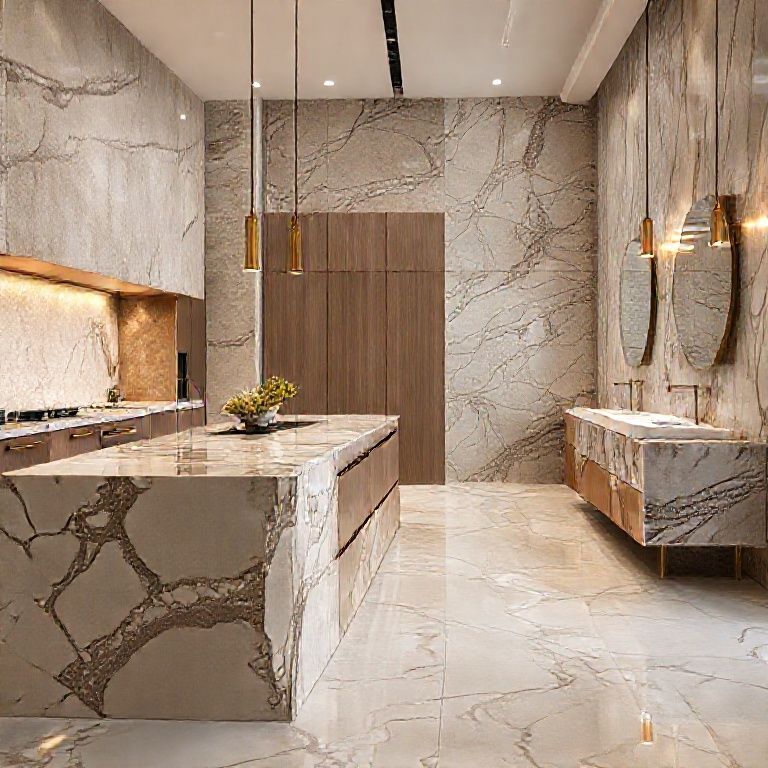
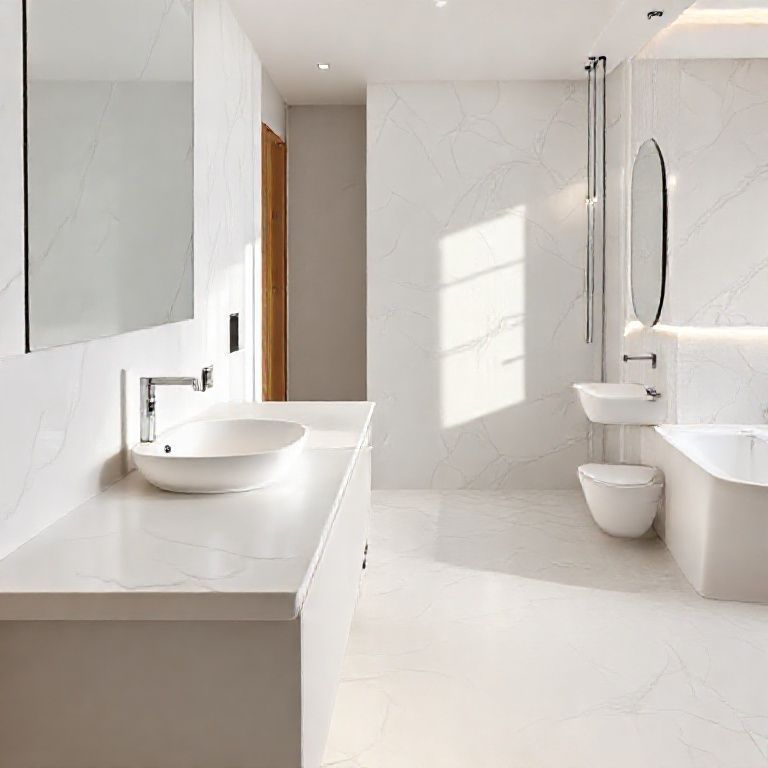
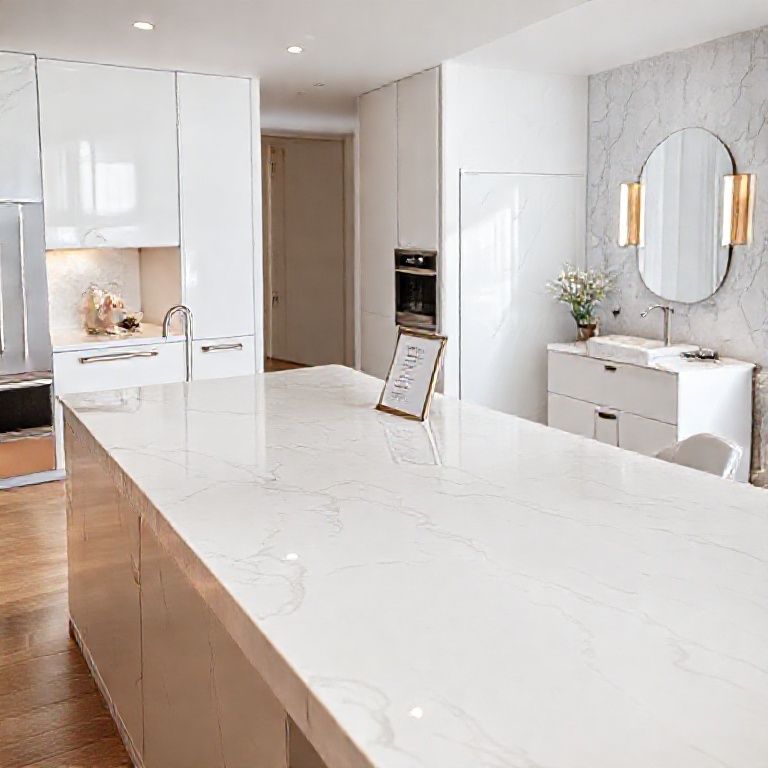
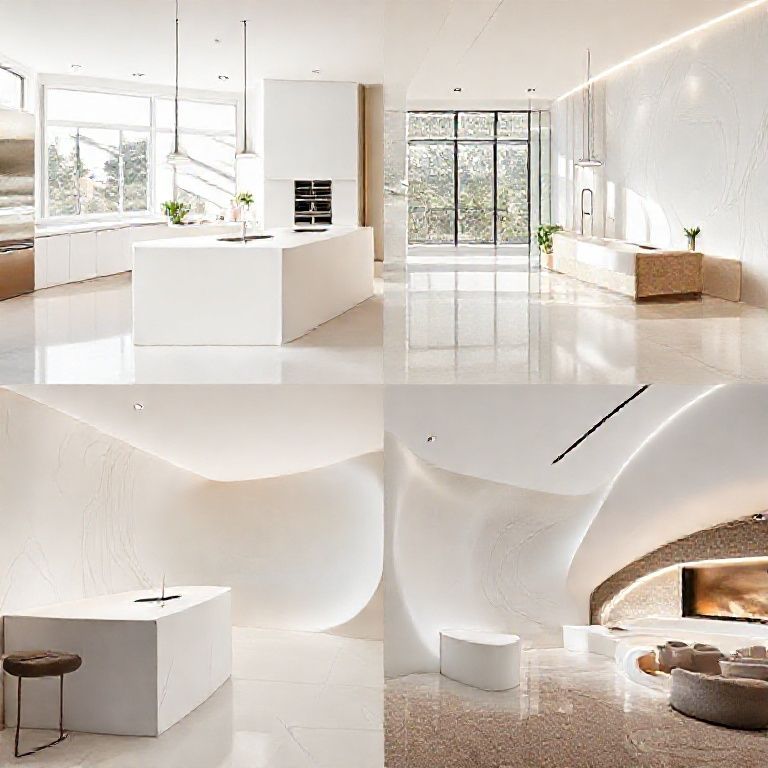
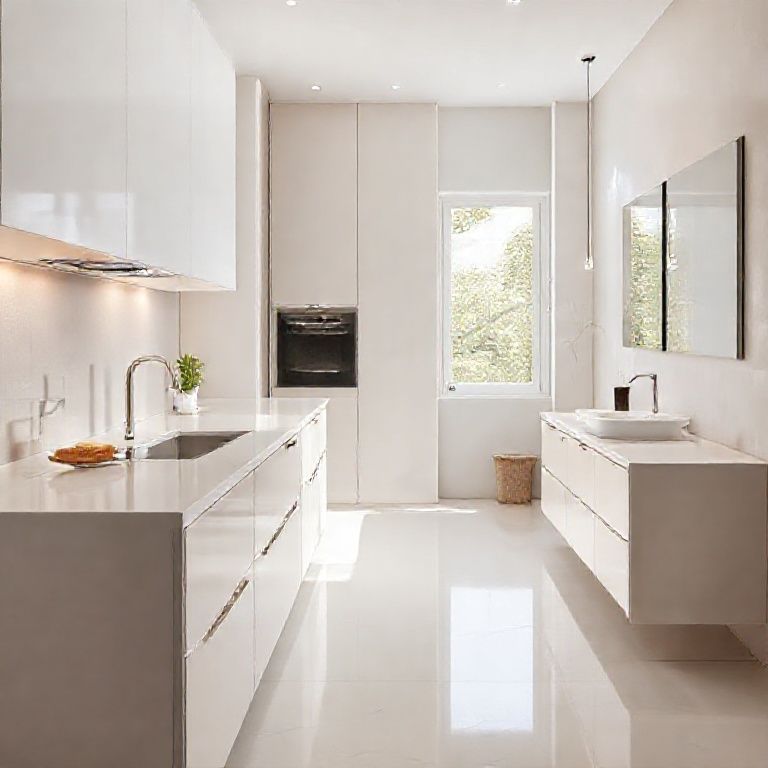
In residential settings, marble is often used for countertops, kitchen backsplashes, and bathroom vanities. Its aesthetic appeal, coupled with its durability, makes it an excellent choice for high-traffic areas. Marble’s natural beauty and ability to take a high polish also make it ideal for flooring and wall cladding in homes.
Commercial and Public Buildings
In commercial and public buildings, marble is a popular choice for its timeless elegance and durability. It is used extensively in offices, hotels, restaurants, and public spaces such as airports and museums. Marble’s ability to withstand heavy foot traffic and its aesthetic appeal make it a preferred material for these environments.
Architectural Design
Marble’s versatility extends to architectural design, where it is used in both interior and exterior applications. From classical to modern designs, marble’s unique patterns and colors add a touch of sophistication and grandeur. It is often used in columns, facades, and decorative elements, enhancing the architectural integrity and visual appeal of buildings.
Health and Safety Considerations
While the radioactivity concerns have been addressed, it’s also important to consider other health and safety aspects when using natural marble. Proper maintenance and cleaning are crucial to ensure that marble remains in optimal condition and to prevent the growth of mold and bacteria. Regular sealing and maintenance can help maintain the integrity and longevity of marble surfaces.
Conclusion of Part 2
In conclusion, the environmental and practical aspects of natural marble highlight its sustainability and versatility. While the extraction process has an environmental impact, responsible quarrying practices and the durability of marble contribute to its sustainability. The practical uses of marble in various settings underscore its enduring appeal and functionality. Understanding these aspects allows us to appreciate natural marble not only for its beauty but also for its practicality and environmental considerations. Natural marble remains a timeless and enduring choice for architects, designers, and homeowners alike.