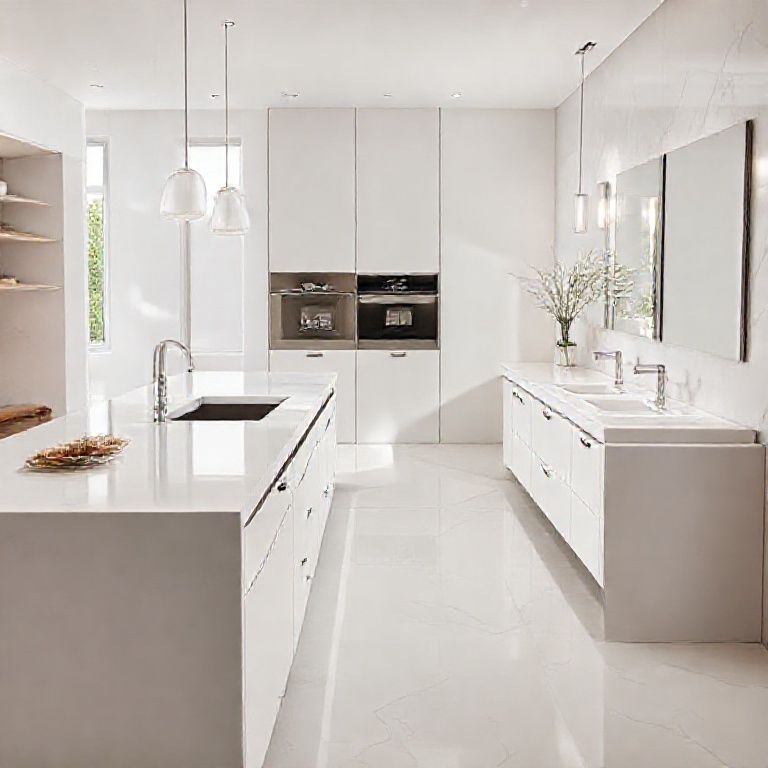
Is Quartz the Same as Marble? Unveiling the Mysteries of Stone Materials
When it comes to selecting natural stone for your home or office, understanding the intricacies of different types of stone can make all the difference. Two of the most popular materials that often spark curiosity and confusion are quartz and marble. While both are celebrated for their beauty and durability, they are fundamentally different in nature, origin, and application. In this first part of our exploration, we will delve into the core characteristics of quartz and marble, examining their unique attributes, origins, and the common misconceptions that blur the lines between them.
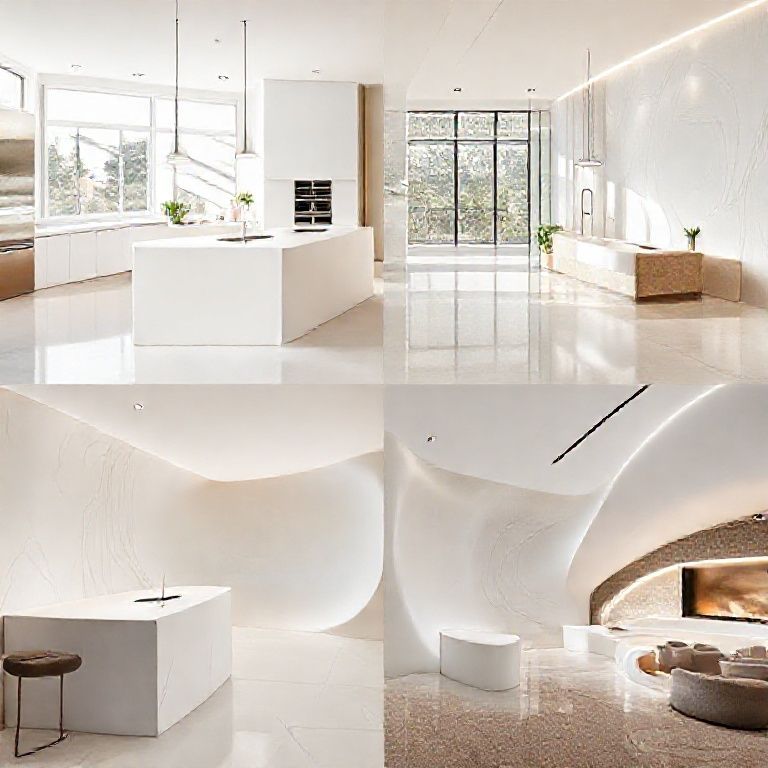
Understanding Quartz
Quartz, often referred to as the “king of countertop materials,” is a synthetic stone that has revolutionized the industry in recent years. Despite its name, quartz is not a natural stone but a man-made composite made from the same materials found in granite, with the addition of acrylic resins and pigments. This combination creates a durable, low-maintenance surface that mimics the look of natural stone while offering unparalleled strength and flexibility.
Key Characteristics of Quartz:
Durability: Quartz is incredibly tough, with a Mohs hardness rating of 7, which makes it highly resistant to scratches, stains, and heat. Design Flexibility: Available in an extensive range of colors and textures, quartz allows for virtually limitless design possibilities. Whether you want a sleek, modern look or a rustic, natural aesthetic, quartz can be customized to fit your vision. Low Maintenance: Unlike natural stone, quartz does not require sealing or regular maintenance. It is also impervious to water, making it an ideal choice for high-traffic areas like kitchens and bathrooms. Affordability: Given its synthetic nature, quartz is generally more affordable than many natural stones, offering high-quality aesthetics at a fraction of the cost.
The Origin of Marble
In contrast, marble is a true natural stone that has been admired for centuries. It is formed from the metamorphism of limestone, a process that occurs over millions of years under high pressure and temperature. Marble’s beauty lies in its unique veining and coloration, which can vary widely depending on its geographical origin.
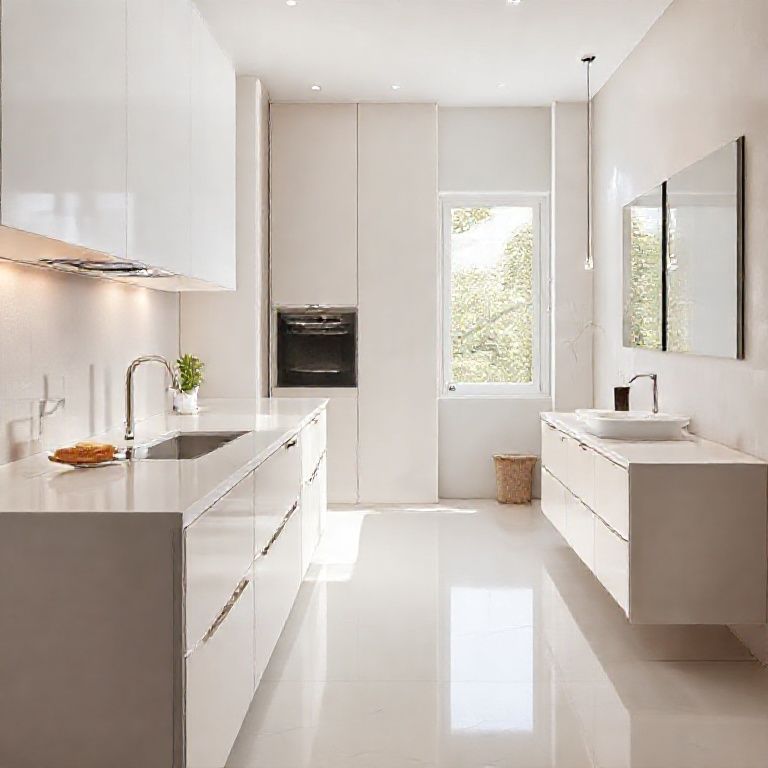
Key Characteristics of Marble:
Natural Beauty: Marble is celebrated for its exquisite, often intricate patterns and colors. Each piece of marble is unique, offering a one-of-a-kind aesthetic that is prized in high-end design and architecture. Durability: While marble is a beautiful and luxurious stone, it is also relatively soft with a Mohs hardness rating of 3-4. This makes it susceptible to scratches, dents, and staining, requiring regular sealing and maintenance to preserve its appearance. Aesthetic Versatility: Marble’s natural veining and color variations make it an incredibly versatile material, suitable for a wide range of applications from countertops to flooring, statues, and architectural elements. Cost: Due to its natural origin and the labor-intensive process of quarrying and finishing, marble can be significantly more expensive than synthetic alternatives.
Common Misconceptions
One of the biggest misconceptions surrounding quartz and marble is that they are interchangeable. While both are used in interior design and architecture, they serve different purposes and come with distinct advantages and limitations. Here are some common misconceptions:
Durability Misconception: Many people mistakenly believe that marble is more durable than quartz because it is a natural stone. However, the hardness of marble makes it less durable than quartz, which is engineered for maximum strength.
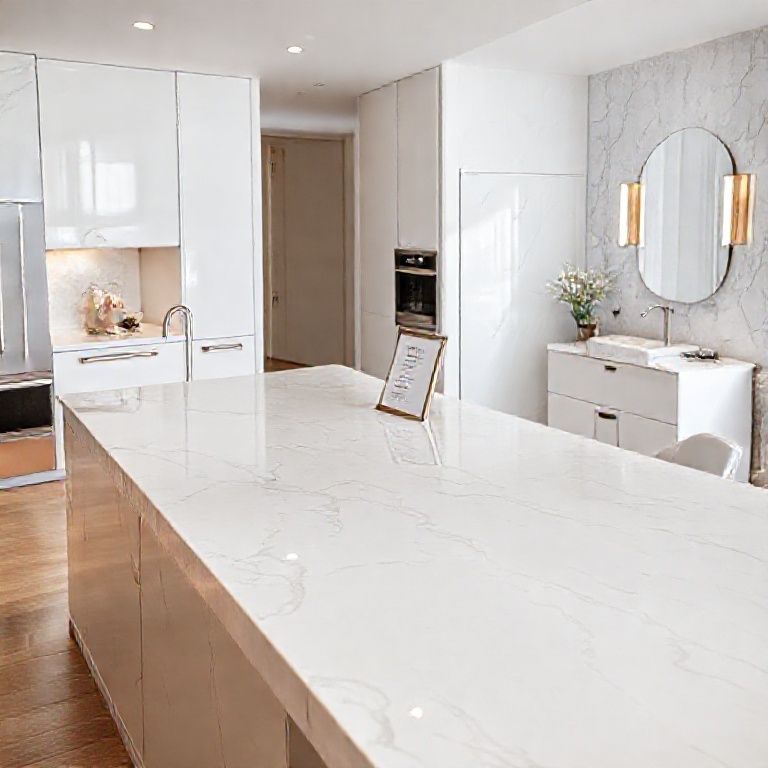
Maintenance Misconception: There is a false belief that quartz requires more maintenance than marble. In reality, quartz is low-maintenance due to its non-porous nature, whereas marble requires regular sealing to protect against stains.
Aesthetic Misconception: Some assume that quartz cannot match the natural beauty of marble. However, quartz’s design flexibility allows it to mimic marble’s look closely, if not perfectly, and can even surpass it in certain aspects of aesthetic versatility.
Conclusion of
In summary, quartz and marble are two distinct materials with unique characteristics and uses. Quartz, a synthetic stone, offers unmatched durability, design flexibility, and low maintenance, making it a popular choice for modern interiors. Marble, a natural stone, is renowned for its unique beauty and versatility but requires more care and maintenance. Understanding these differences is crucial for making informed decisions about your stone choices. In the next part of our exploration, we will delve deeper into the specific applications of these stones and how to choose the right one for your needs.
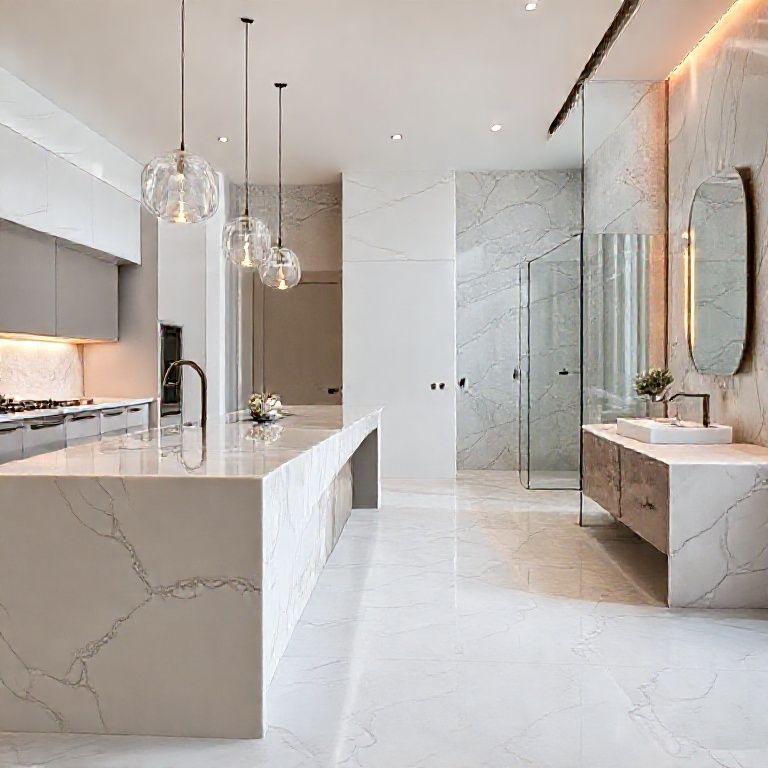
Is Quartz the Same as Marble? Practical Applications and Choosing the Right Stone
Having explored the fundamental differences between quartz and marble in Part 1, we now turn our attention to their practical applications and the factors to consider when choosing the right stone for your specific needs. Whether you’re designing a high-end luxury home or a modern, functional office space, the right stone choice can enhance both the aesthetic appeal and functionality of your project. In this part, we will delve into the specific uses of quartz and marble, highlighting their unique strengths and helping you make an informed decision.
Applications of Quartz
Quartz’s combination of durability, design flexibility, and low maintenance makes it an ideal choice for a wide range of applications. Here are some of the most common uses of quartz:
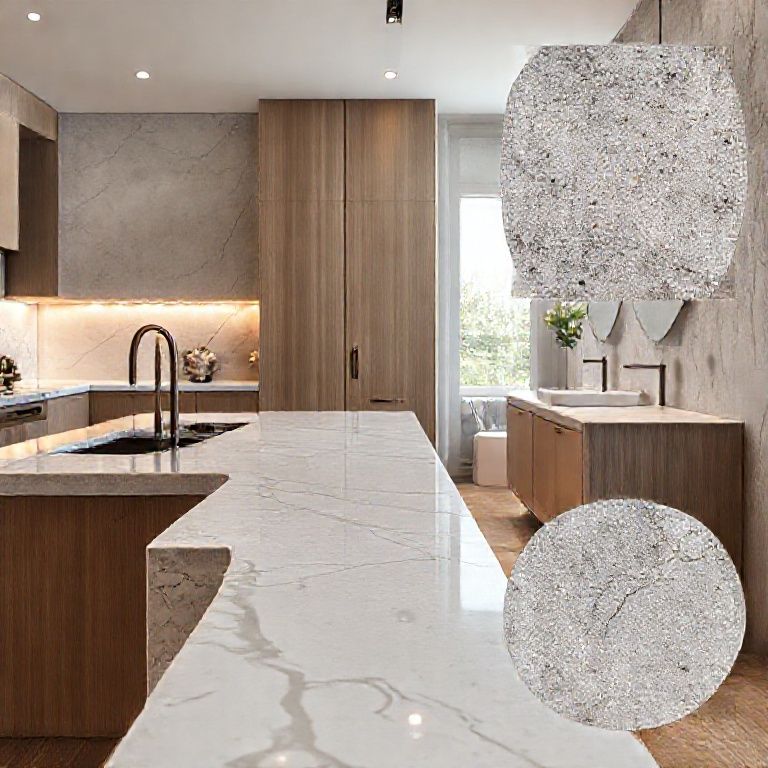
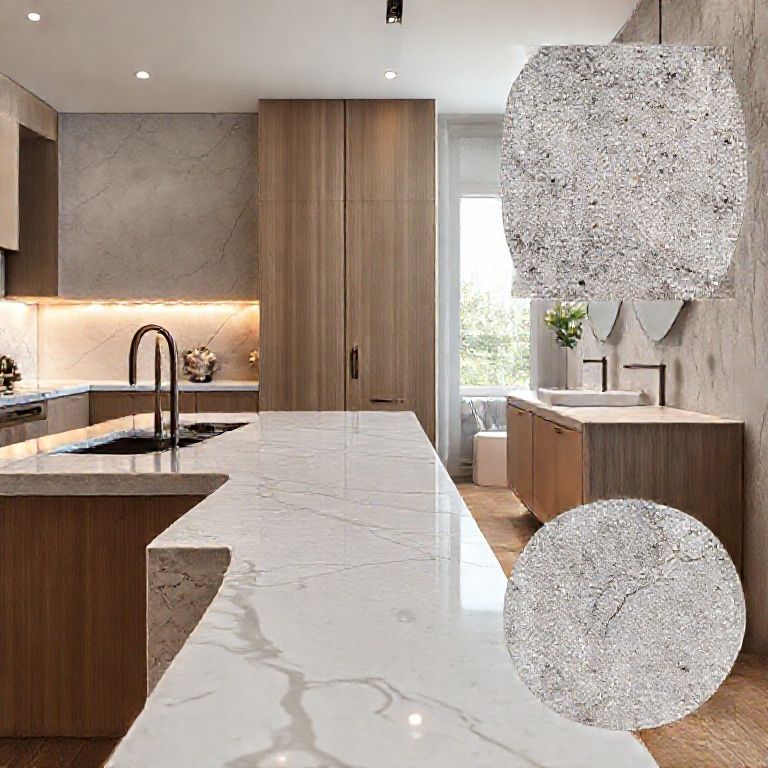
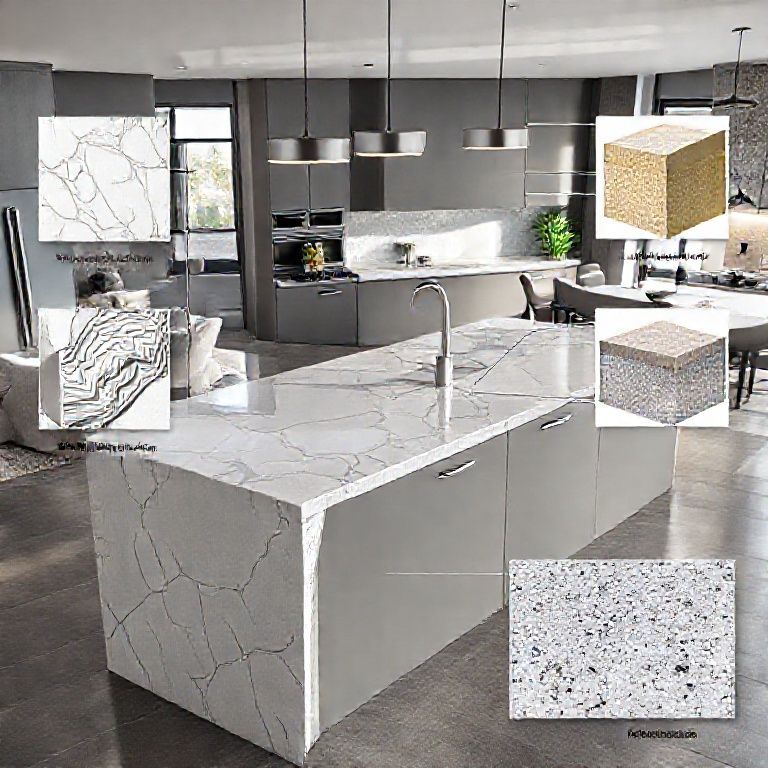
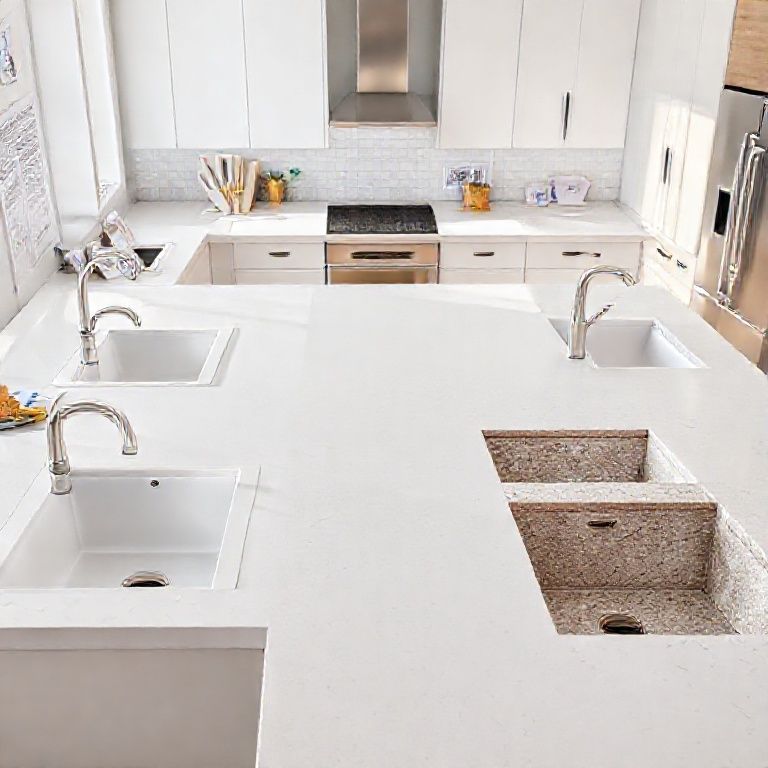
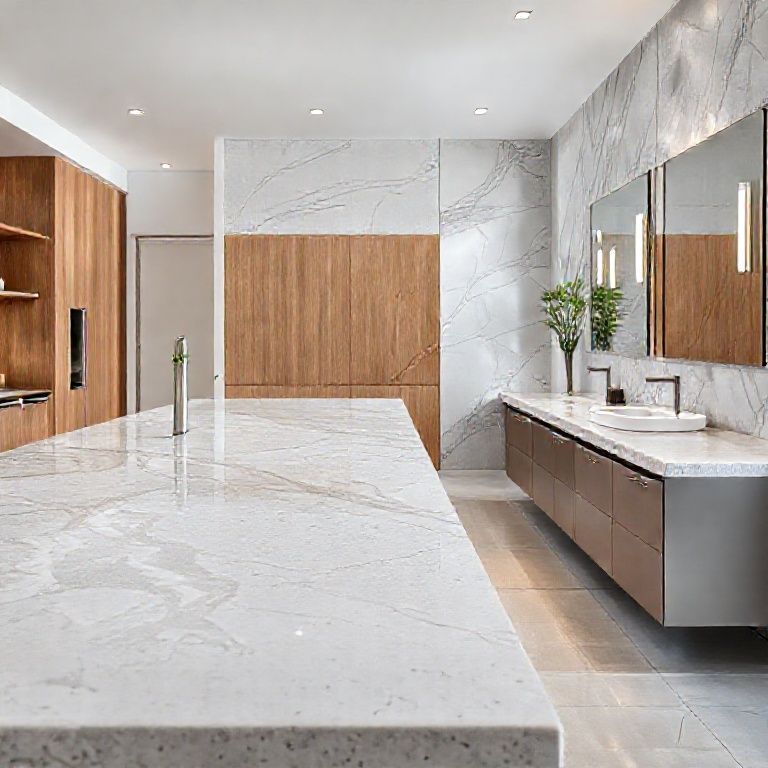
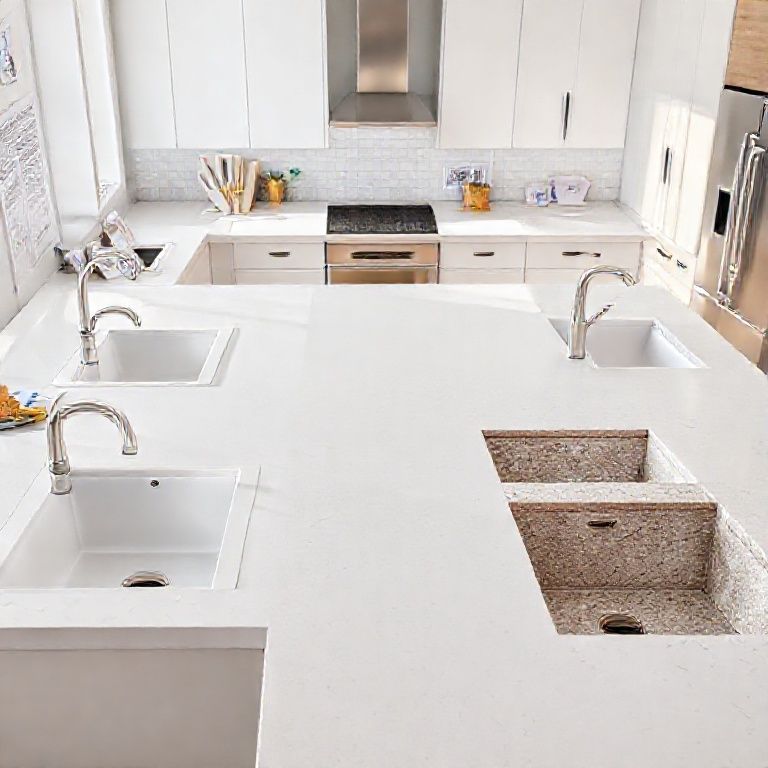
1. Kitchen Countertops: Quartz’s resistance to heat, stains, and scratches makes it a top choice for kitchen countertops. Its ability to mimic the look of natural stone, including marble, while offering superior durability and maintenance-free care, makes it highly popular among homeowners and designers.
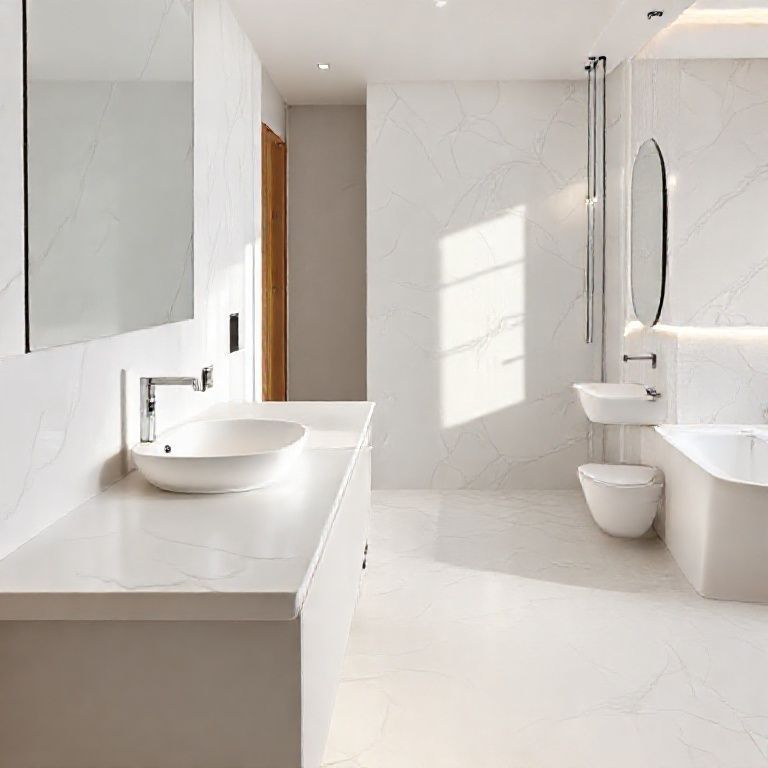
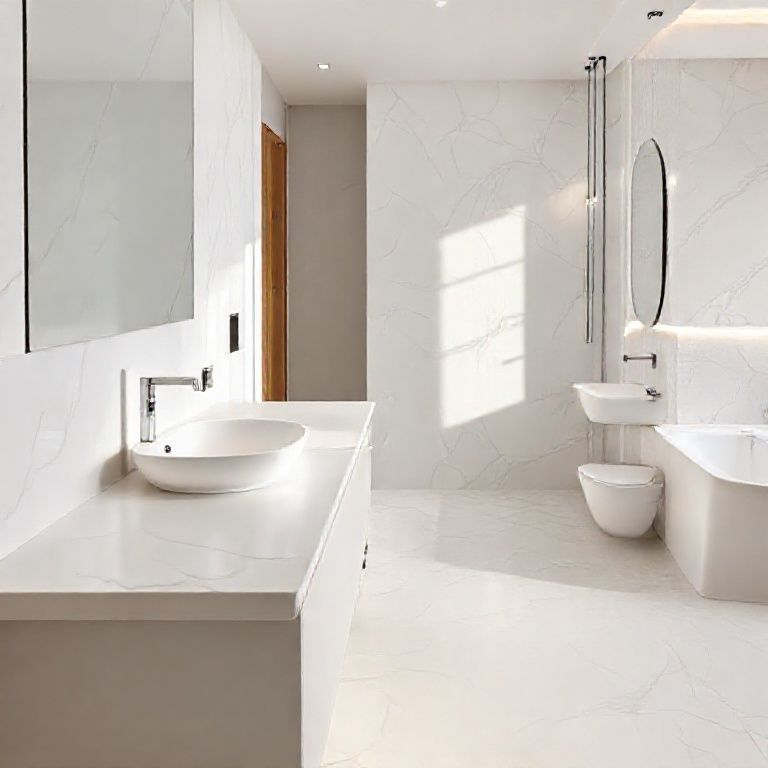
2. Bathroom Vanities: Quartz’s water resistance and low maintenance are particularly beneficial in bathroom vanities. It provides a sleek, modern look that is easy to clean and maintain, ensuring that your bathroom remains pristine over time.
3. Outdoor Applications: While quartz is primarily used indoors, it can also be found in outdoor applications like garden paths and patio designs. Its durability and resistance to weathering make it a durable choice for outdoor spaces.
4. Furniture: Quartz is used to create beautiful furniture pieces such as dining tables, coffee tables, and side tables. Its design flexibility allows for intricate designs and custom shapes, making it a versatile material for furniture makers.
5. Interior Design: Beyond countertops and furniture, quartz is used in various interior design elements such as wall cladding, backsplashes, and even decorative panels. Its versatility and customizable appearance make it a favorite in modern design.
Applications of Marble
Marble’s natural beauty and versatility make it a sought-after material for various applications. Here’s a closer look at where marble shines:
1. Interior Design: Marble’s unique veining and coloration make it a stunning choice for interior design. It is often used in flooring, wall cladding, and decorative elements to add a touch of elegance and luxury to any space.
2. Architectural Elements: Marble has a long history of use in architecture, from ancient temples to modern buildings. Its timeless beauty and durability make it a popular choice for columns, statues, and architectural facades.
3. Kitchen Countertops: While marble is less durable than quartz, it remains a popular choice for kitchen countertops due to its aesthetic appeal. However, marble countertops require regular sealing and maintenance to protect against stains and scratches.
4. Bathrooms: Marble is frequently used in bathroom vanities, sinks, and showers. Its classic beauty and luxurious feel are perfect for creating an elegant and timeless bathroom.
5. Outdoor Applications: Marble’s durability and resistance to weathering make it suitable for outdoor applications such as garden paths, patios, and outdoor sculptures. Its natural beauty complements outdoor spaces beautifully.
Choosing the Right Stone: Factors to Consider
Selecting the right stone for your project involves considering several factors, including durability, maintenance, aesthetic preferences, and budget. Here are some key considerations to help you make an informed decision:
1. Durability: Evaluate how durable the stone needs to be based on its intended use. Quartz’s superior hardness and resistance to scratches, stains, and heat make it ideal for high-traffic areas like kitchens and bathrooms. Marble, while beautiful, requires more maintenance and is less durable.
2. Maintenance: Consider the level of maintenance the stone will require. Quartz’s low-maintenance nature is a significant advantage, especially in high-traffic areas where cleaning and upkeep can be time-consuming. Marble requires regular sealing to maintain its appearance and protect against stains.
3. Aesthetic Preferences: Think about the aesthetic you are aiming to achieve. Quartz’s design flexibility allows it to mimic the look of marble and other natural stones closely, if not perfectly. Marble’s unique veining and coloration offer a one-of-a-kind beauty that is prized in high-end design and architecture.
4. Budget: Consider your budget and the cost implications of each stone. Quartz is generally more affordable than marble, making它是一个相对经济的选择。
不同品牌和质量的大理石可能会有很大的价格差异,特别是对于高端设计和建筑项目。
5. 环境影响: 考虑石材的环境影响。大理石的开采和加工可能对当地生态系统造成影响,而石英石由于其合成性质,其生产过程可能更加环保,但需要考虑材料运输和制造过程中的碳排放。
6. 安装和维护: 了解石材的安装和维护要求。石英石通常比大理石更容易安装,并且由于其低维护特性,可以减少长期的维护成本和麻烦。
7. 文化和历史价值: 有时,大理石因其文化和历史价值而被选择,特别是在传统建筑和高端设计中。这种选择往往基于对材料的情感和历史联系,而不仅仅是其物理特性。
通过综合考虑这些因素,你可以更好地决定在你的项目中是否使用石英石还是大理石。每种材料都有其独特的优势和适用场景,选择最佳的材料需要根据具体的项目需求和个人偏好来确定。