Understanding the Composition and Susceptibility of Artificial Stone Countertops
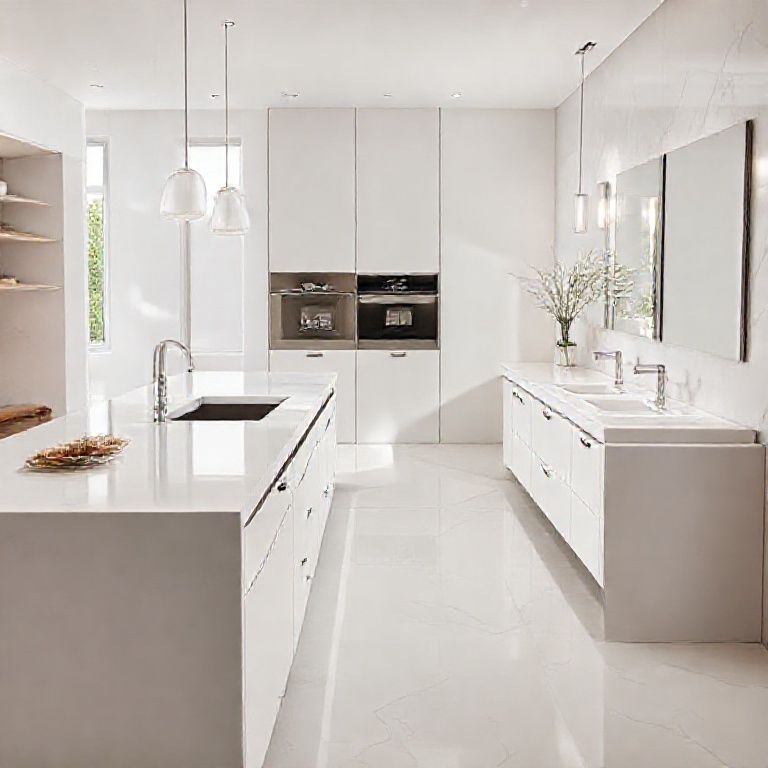
Artificial stone countertops have become increasingly popular due to their durability, aesthetic appeal, and low maintenance requirements. Made from a combination of minerals, resins, and pigments, these countertops mimic the look of natural stone while offering superior resistance to scratches, chips, and staining. However, despite their many advantages, artificial stone can still become a breeding ground for mold if not properly cared for.
The Composition of Artificial Stone Countertops
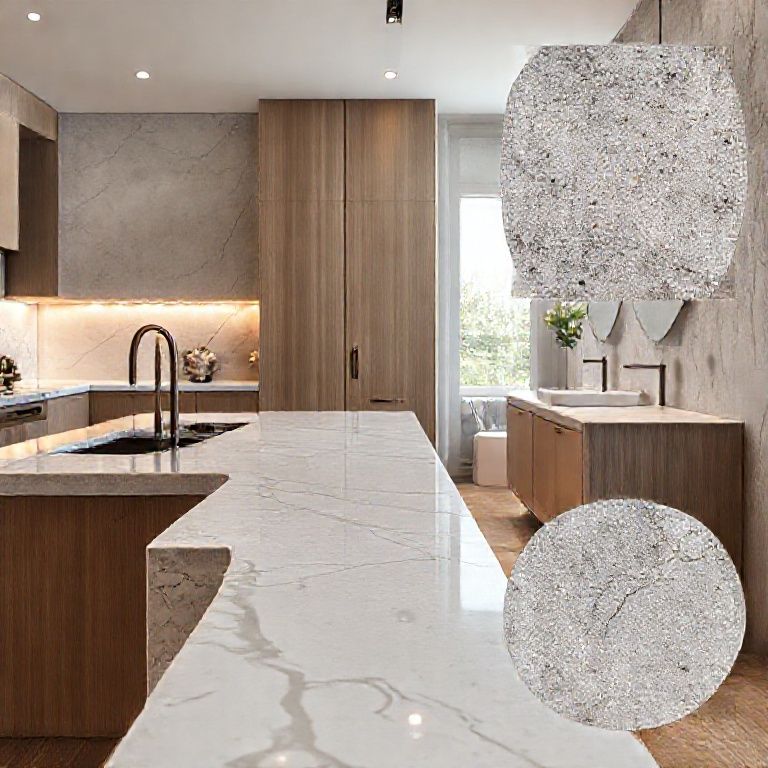
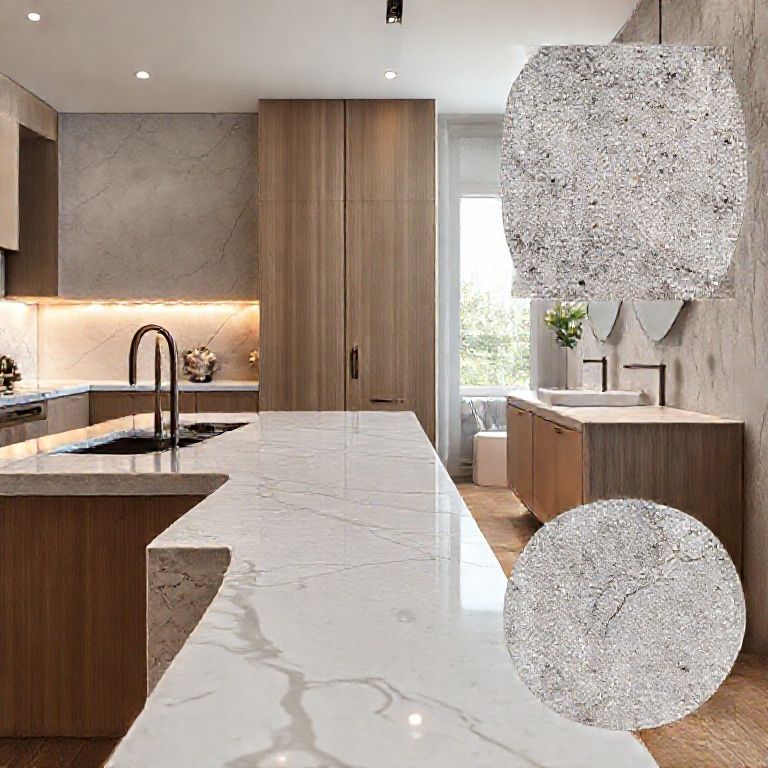
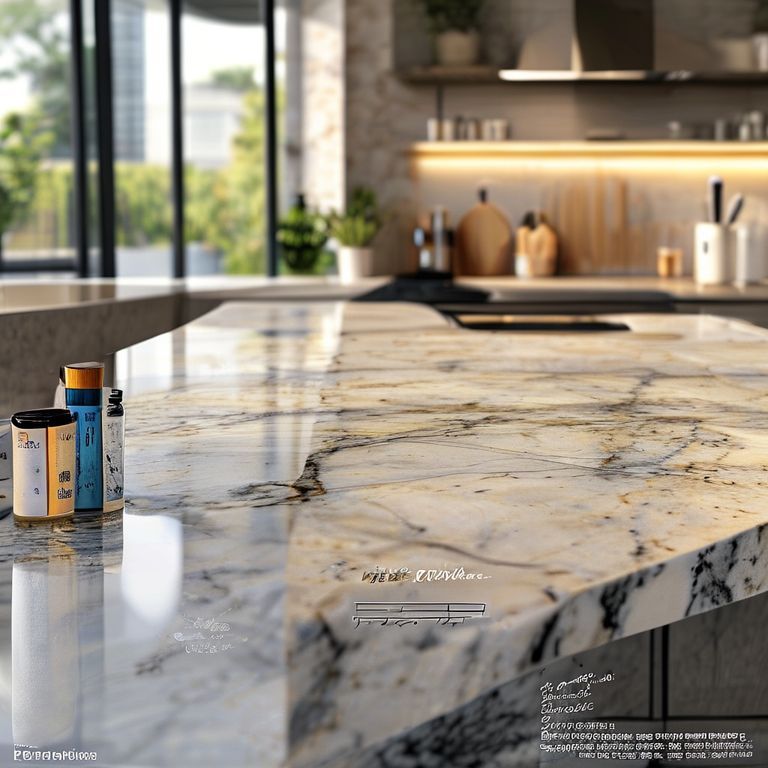
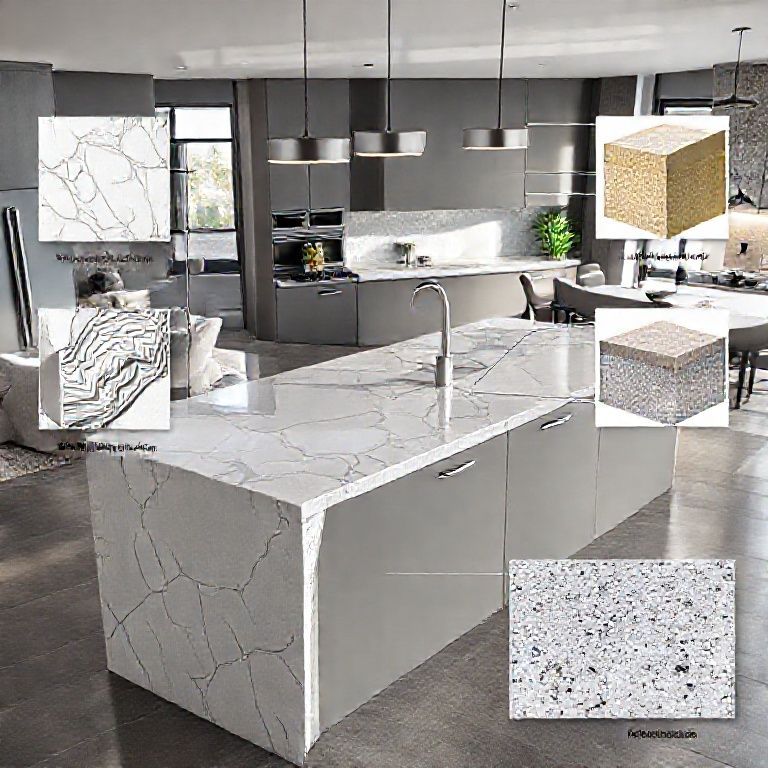
Artificial stone, also known as cultured stone, is crafted by mixing natural stone dust with resins and other additives. This mixture is then molded into various shapes and sizes to create countertops, sinks, and other surfaces. The result is a material that closely resembles marble, granite, or other natural stones but is far more resilient to everyday wear and tear.
Key components include:
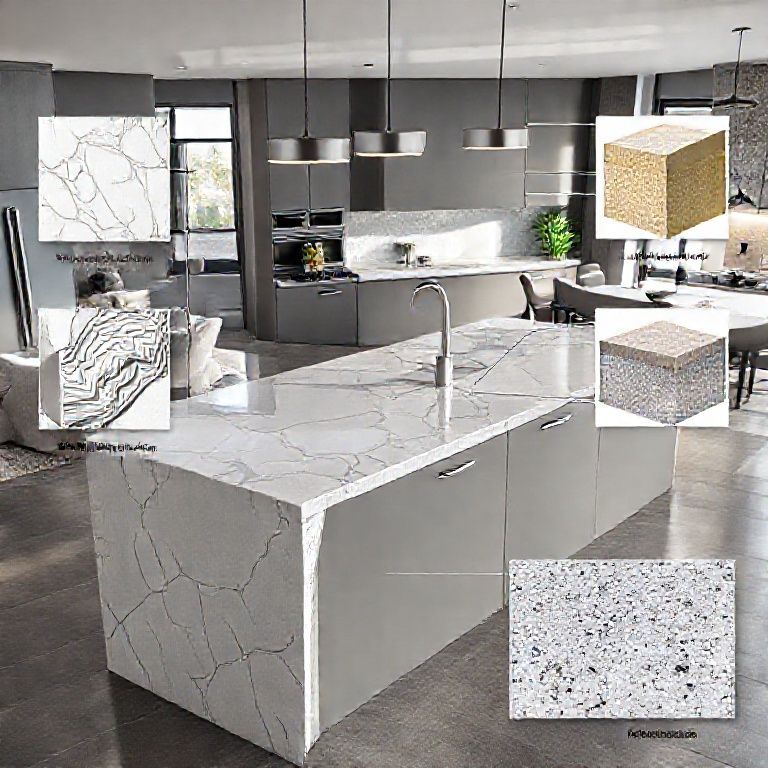
Mineral Aggregates: Provide the stone with its strength and durability. Resins: Act as a binding agent, holding the mineral aggregates together. Pigments: Give the artificial stone its distinctive color and appearance.
While the resin matrix is designed to repel water, small imperfections and microscopic pores can still allow moisture to seep in, especially when exposed to persistent stains.
Why Stains Lead to Mold Growth
When liquids like coffee, juice, or oil are spilled on an artificial stone countertop, the liquid can seep into the microscopic pores in the stone’s surface. Over time, these trapped liquids can create an ideal environment for mold spores to thrive.
Mold growth is primarily fueled by three elements: moisture, organic matter, and a suitable temperature. Here’s how these factors come into play:
Moisture: When spills penetrate the stone’s surface, they introduce water, which is essential for mold spores to germinate and grow. Organic Matter: Many stains contain organic compounds such as sugars, oils, and proteins. These substances serve as food for mold, allowing it to proliferate. Temperature: Warm and humid environments are particularly conducive to mold growth. Bathrooms and kitchens often meet these conditions due to regular steam, heat, and humidity.
Preventive Measures
To prevent mold growth on artificial stone countertops, it’s crucial to address spills promptly and maintain proper cleaning routines.
Immediate Cleanup: Wipe up spills immediately with a dry cloth to prevent liquids from seeping into the stone’s surface. Regular Cleaning: Use a mild soap and water solution to clean the surface regularly. Avoid using harsh chemicals that can damage the stone’s finish. Drying: After cleaning, ensure the countertop is thoroughly dried to eliminate any remaining moisture that could encourage mold growth.
By understanding the composition and potential vulnerabilities of artificial stone countertops, homeowners can take proactive steps to maintain the beauty and health of their kitchen or bathroom spaces.
Advanced Strategies to Combat and Prevent Mold on Artificial Stone Countertops
Having established the foundational understanding of why stains on artificial stone countertops can lead to mold growth, it’s time to explore more advanced strategies for effectively combating and preventing mold. These methods will help ensure your countertops remain pristine and safe for years to come.
Advanced Cleaning Techniques
While regular cleaning with mild soap and water is essential, there are more specialized cleaning techniques that can help maintain the integrity of your artificial stone surface.
Powder-Based Cleaners: Powder-based cleaners are particularly effective because they don’t leave a residue and can deeply penetrate the stone’s surface to remove stubborn stains and prevent mold growth. Specialized Stone Cleaners: Products specifically designed for artificial stone countertops can provide deep cleaning and protection against mold spores. Look for cleaners that contain natural antimicrobial agents.
Maintaining a Mold-Free Environment
Creating a mold-free environment around your artificial stone countertops involves more than just cleaning. It requires addressing the underlying conditions that promote mold growth.
Humidity Control: Use dehumidifiers in bathrooms and kitchens to maintain low humidity levels. High humidity is a primary contributor to mold growth, so keeping the air dry can significantly reduce the risk. Ventilation: Proper ventilation is crucial. Install exhaust fans in kitchens and bathrooms to remove moisture-laden air. Ensure windows can be opened to allow fresh air circulation.
Preventative Treatments
Applying preventative treatments to your artificial stone countertops can provide an extra layer of protection against mold.
Sealants: While some sealants are available for artificial stone, it’s important to choose products that are specifically formulated for this type of surface. These sealants can create a protective barrier that prevents moisture and stains from penetrating the stone. Antimicrobial Coatings: Antimicrobial coatings can be applied to the surface of the stone to inhibit the growth of mold and bacteria. These coatings often contain natural ingredients that are safe for use in food preparation areas.
Addressing Existing Mold
If mold has already developed on your artificial stone countertop, it’s important to address it promptly to prevent further spread and damage.
Isolate the Area: To prevent mold spores from spreading, isolate the affected area. Use plastic sheeting or other barriers to contain the mold. Clean with Anti-Mold Solutions: Use a commercial anti-mold cleaner specifically designed for stone surfaces. Follow the manufacturer’s instructions carefully to ensure effective cleaning without damaging the stone. Disinfect and Dry: After cleaning, thoroughly disinfect the area with a solution of vinegar and water, then dry it completely to prevent mold spores from regrowing.
Professional Help
In some cases, mold growth may be extensive or persistent despite your best efforts. In such scenarios, it’s wise to seek professional help. Professional cleaning services have the expertise and equipment to safely and effectively remove mold from artificial stone countertops.
Conclusion
Artificial stone countertops offer numerous benefits, but they require careful maintenance to prevent mold growth. By understanding the reasons why stains can lead to mold and employing advanced cleaning and preventative strategies, you can keep your countertops looking beautiful and safe for years to come. Regular maintenance, proper cleaning techniques, and a mold-free environment are key to enjoying the durability and elegance of your artificial stone surfaces.
By taking these measures, you can ensure that your artificial stone countertops remain a healthy and attractive part of your home.