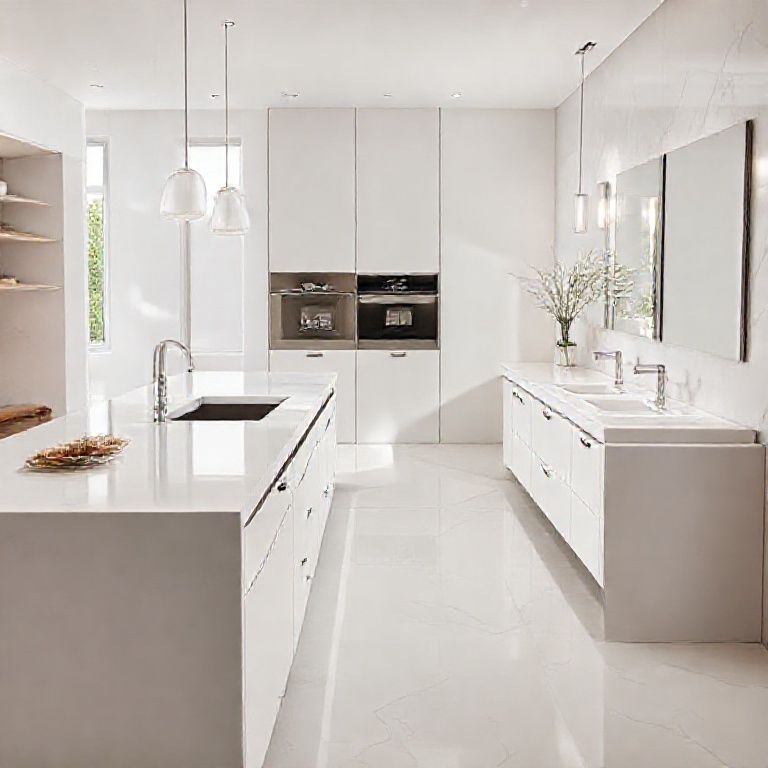
The Basics of Quartz and Marble Countertops
In the ever-evolving world of home renovation and design, choosing the right countertop material is paramount. Among the myriad options available, quartz and marble often stand out. Many homeowners, however, find themselves perplexed by the similarities and differences between these two materials. Is quartz countertop really marble? Let’s embark on a detailed exploration to unravel the mystery.
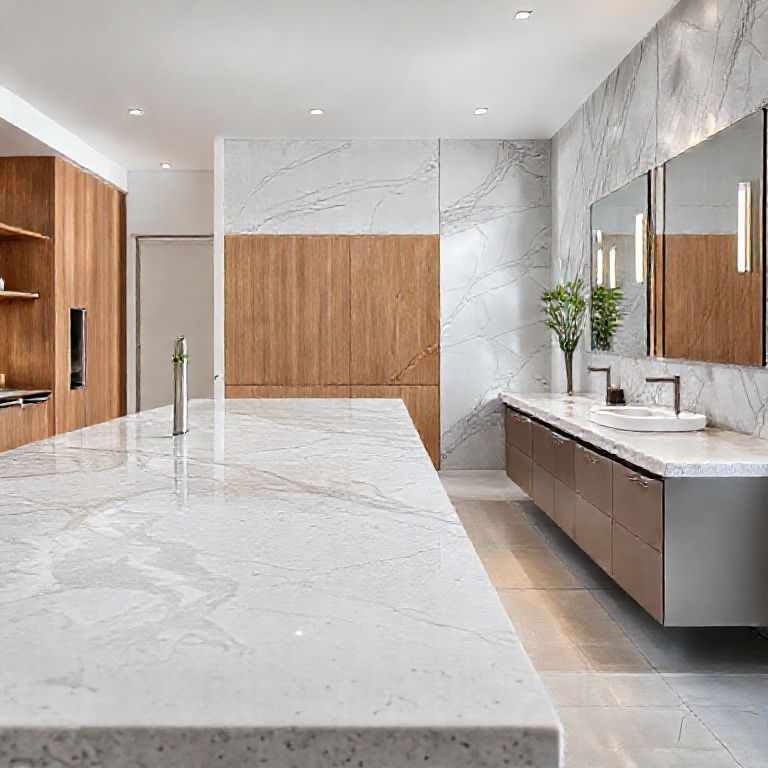
Understanding Quartz Countertops
Quartz, a popular choice in contemporary home design, is a composite material made from 93% pure quartz crystals bonded together with resin. This unique composition provides a robust and durable surface that is not only resistant to scratches, stains, and heat but also incredibly versatile in terms of design.
Quartz countertops are created by a proprietary process developed by the company Silestone. This process involves mixing natural quartz with resin and other binding materials, followed by an intense heating process to fuse the components together. The result is a solid surface that is smooth, seamless, and virtually indestructible.
The Allure of Marble Countertops
Marble, on the other hand, is a natural stone that has been revered for centuries for its timeless beauty and elegance. Marble is formed from limestone, dolomite, or other carbonate rocks that have been subjected to high pressure and temperature over millions of years. This process creates a unique and beautiful stone with a rich history and a variety of colors and patterns.
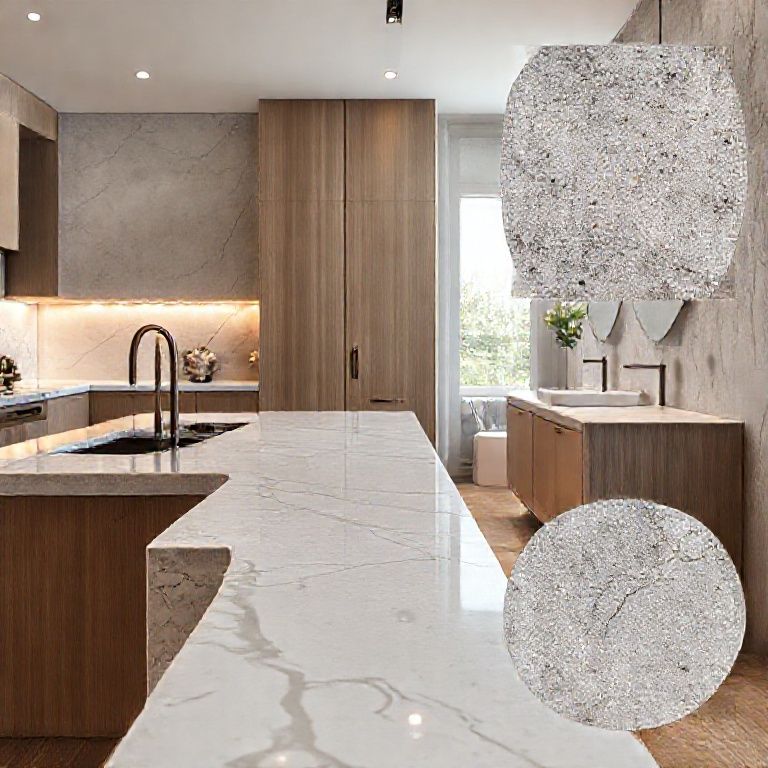
Marble’s beauty lies in its natural veining and color variations, which make each piece unique. However, this natural characteristic also means that marble countertops require regular maintenance, including sealing to protect against stains and careful handling to avoid scratches and chips.
Comparing Quartz and Marble
When comparing quartz and marble, several factors come into play:
Durability
Quartz is renowned for its durability. The high percentage of quartz crystals in its composition makes it incredibly resistant to scratches, stains, and heat. This means that quartz countertops can withstand the daily wear and tear of kitchen and bathroom use without showing signs of damage. In contrast, marble, being a natural stone, can be prone to scratches, dents, and staining, especially if not properly maintained.
Maintenance
One of the major differences between quartz and marble is their maintenance requirements. Quartz countertops are low-maintenance. They do not require sealing like natural stone does, and they are not affected by acidic substances such as wine, coffee, or citrus juices. On the other hand, marble requires regular sealing to maintain its beauty and protect it from stains. Additionally, marble needs to be wiped with a soft cloth and a pH-neutral cleaner to prevent etching and discoloration.
Aesthetic Appeal
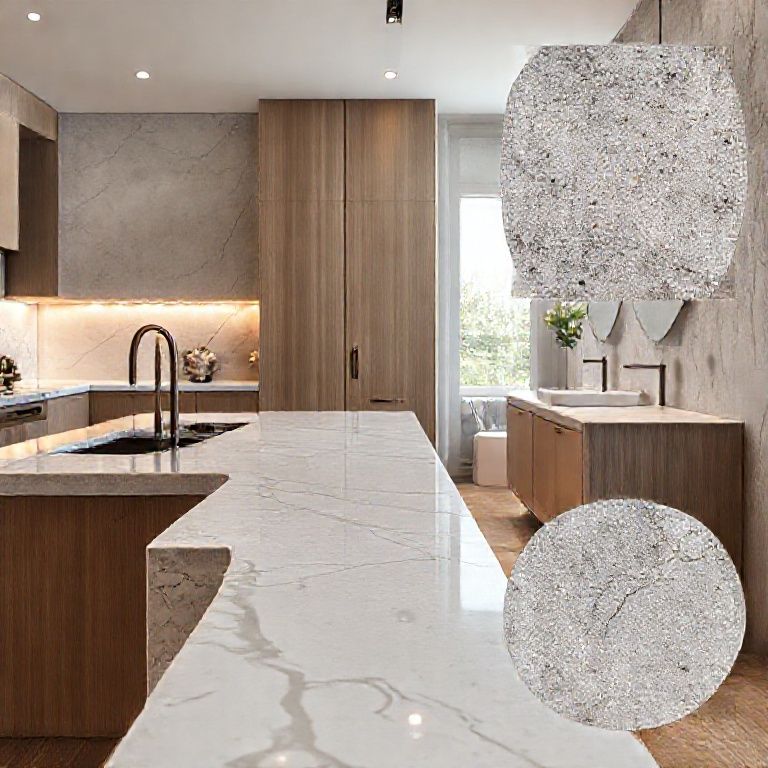
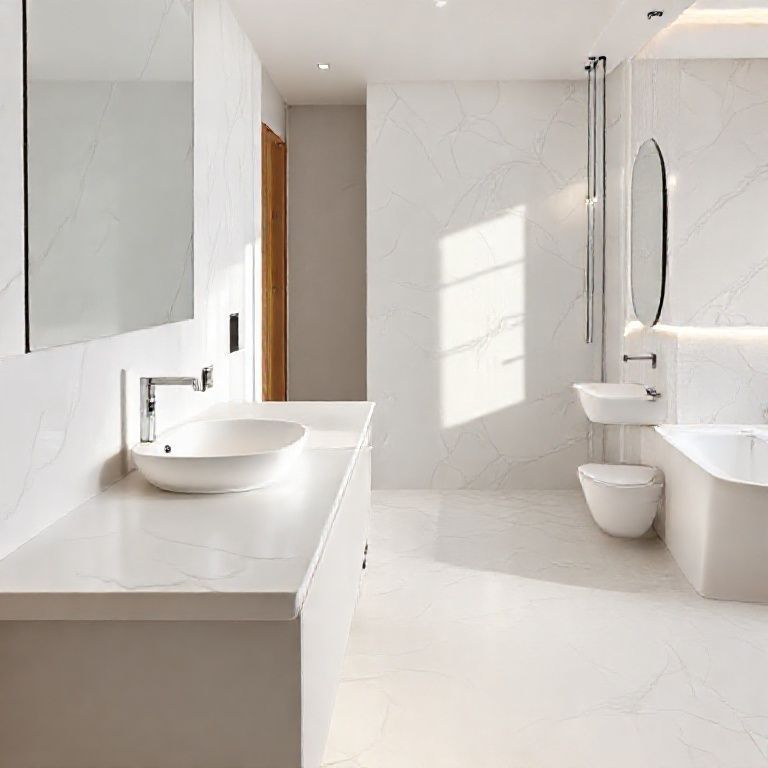
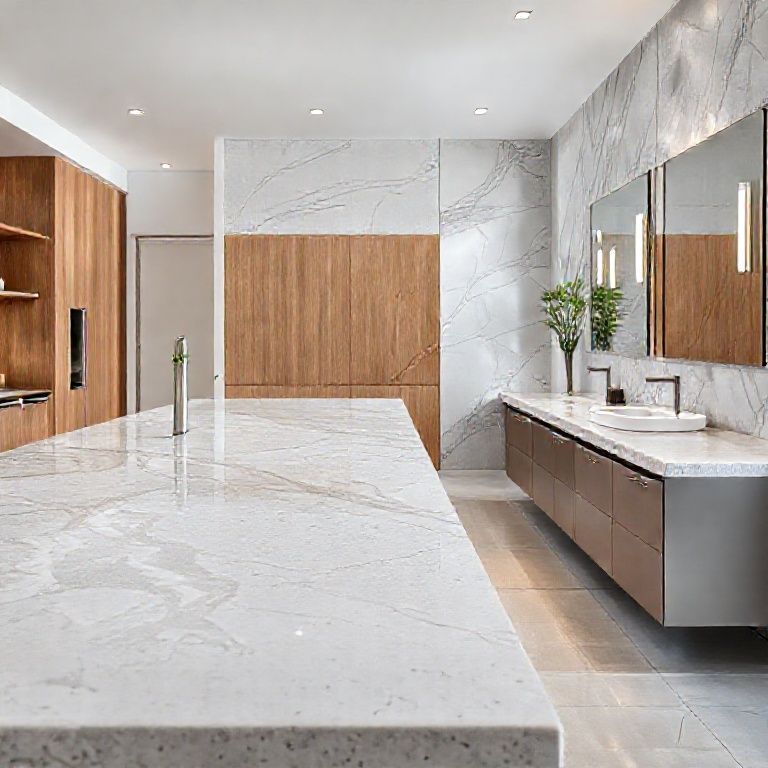
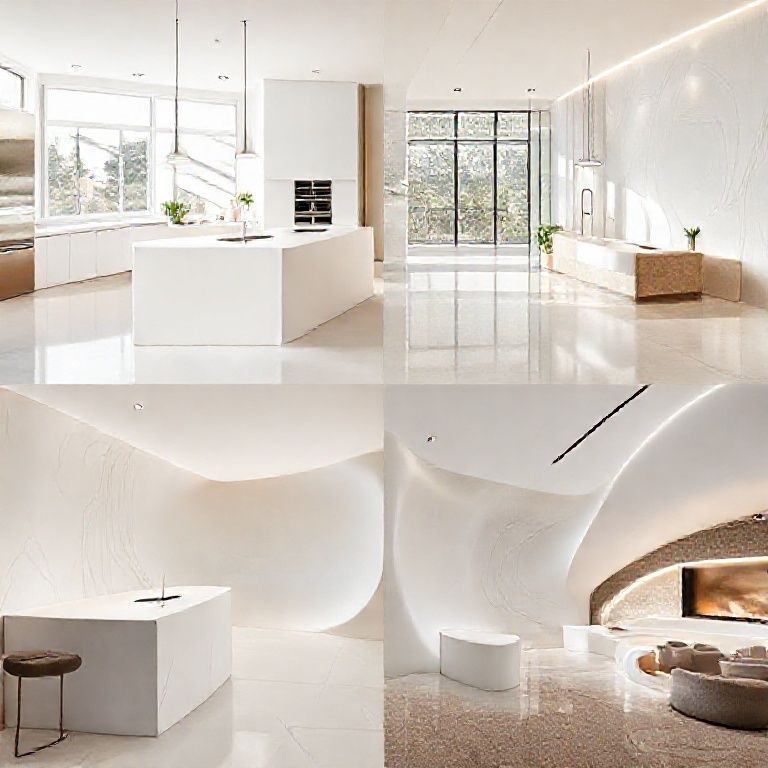
Both quartz and marble offer stunning aesthetic appeal, but in different ways. Quartz countertops come in a wide range of colors and patterns, allowing for a high degree of customization to match any design style. While quartz can mimic the look of marble to a certain extent, it lacks the unique veining and color variations found in natural stone. Marble, with its natural beauty, offers a one-of-a-kind look that is truly unparalleled in its authenticity and elegance.
Cost
The cost of quartz and marble can vary widely depending on the specific type and quality of the material. Generally, quartz tends to be more affordable than high-end marble varieties. However, the cost can escalate for marble that features rare colors or intricate veining patterns. When considering budget, it’s essential to factor in maintenance costs, as marble may require more frequent sealing over time.
Environmental Impact
Both quartz and marble have their environmental considerations. Quartz, being a manufactured product, involves the use of resin and other binding agents, which can have environmental implications. Marble, as a natural stone, has a more direct environmental footprint due to the quarrying process. However, responsible quarrying practices can mitigate some of these impacts.
Conclusion of Part 1
In conclusion, while quartz and marble both offer remarkable beauty and functionality, they are fundamentally different materials. Quartz, with its composite nature, provides a durable, low-maintenance option that can closely mimic the look of marble. Marble, as a natural stone, offers a unique, timeless aesthetic that comes with higher maintenance and cost considerations. Understanding these differences will help you make an informed decision when selecting the perfect countertop for your home.
The Nuances of Quartz vs. Marble
As we continue our detailed comparison of quartz and marble countertops, we will delve deeper into the nuances that set these two materials apart. Understanding these subtle differences will help you make a well-informed decision when choosing the perfect countertop for your kitchen or bathroom.
Detailed Composition and Manufacturing
Quartz Countertops
Quartz is a composite material primarily made from 93% natural quartz crystals. The remaining 7% consists of resins and other bonding agents that hold the quartz particles together. The manufacturing process involves mixing these components and then heating them at high temperatures to fuse the particles into a solid, seamless surface. This results in a material that is not only incredibly strong but also offers a vast array of colors and patterns.
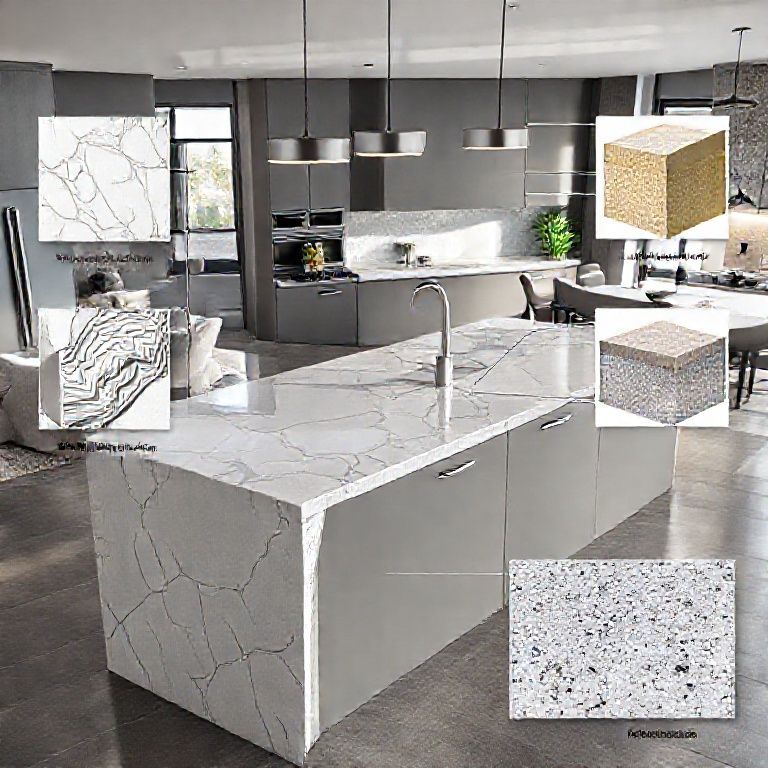
The versatility of quartz lies in its ability to be molded into various shapes and designs. This makes it possible to create custom countertops that can closely resemble natural stone, including marble. The surface of quartz countertops can be polished to achieve a smooth, glass-like finish that adds to its aesthetic appeal.
Marble Countertops
Marble, in contrast, is a natural stone formed through geological processes. It is primarily composed of calcite or dolomite, which are subjected to high pressure and temperature over millions of years. This process results in the unique veining and color variations that make each piece of marble one-of-a-kind.
Marble’s natural composition gives it a distinctive beauty that cannot be replicated. However, this also means that marble is less durable than quartz. It can be prone to scratches, dents, and staining, especially if exposed to acidic substances. Therefore, marble countertops often require regular sealing and careful handling to maintain their appearance.
Durability and Performance
Scratch and Stain Resistance
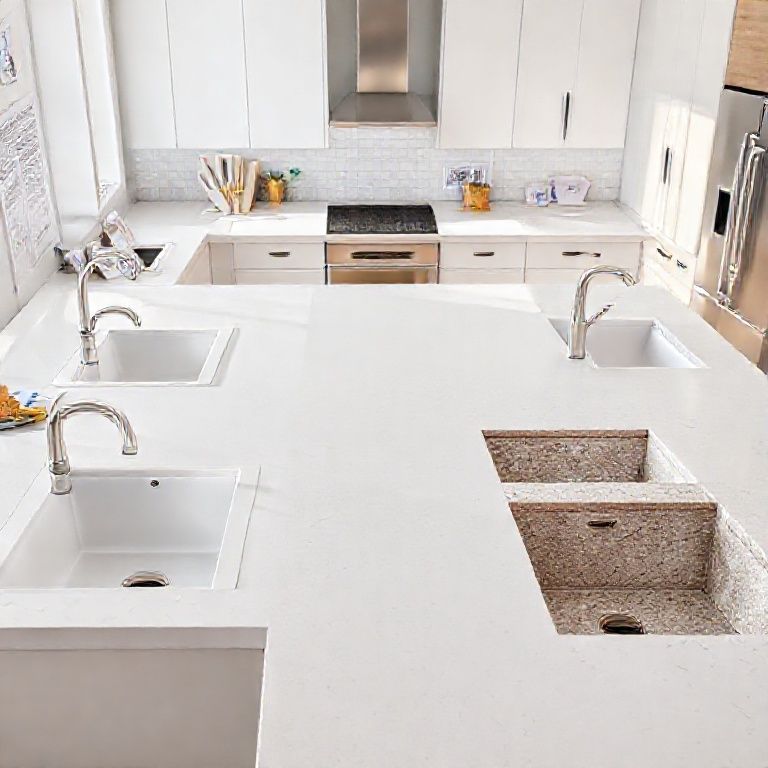
Quartz countertops are highly resistant to scratches, stains, and heat. The high percentage of quartz crystals in its composition makes it extremely durable, and its surface is smooth and non-porous, which means it does not absorb liquids or stains. This makes cleaning quartz countertops incredibly easy, as spills can be wiped away without leaving any residue.
Marble, however, is not as resistant to scratches and stains. While it offers a beautiful, natural aesthetic, its porous nature means that it can be easily stained by acidic or alkaline substances. This requires regular sealing to protect the surface and regular maintenance to keep it looking its best.
Water Resistance
Quartz is highly water-resistant, making it an excellent choice for kitchen and bathroom countertops where moisture is a constant factor. Its non-porous surface ensures that water does not penetrate the material, reducing the risk of water damage.
Marble, on the other hand, is porous and can absorb water, which can lead to water stains and even damage over time. This is why it is essential to regularly clean and maintain marble countertops to prevent water damage.
Heat Resistance
Both quartz and marble offer excellent heat resistance, but in different ways. Quartz’s solid surface can withstand high temperatures without cracking or warping, making it ideal for places where hot pots and pans are frequently used. Its heat resistance is consistent and reliable.
Marble also has good heat resistance, but it can be affected by extremely high temperatures. Prolonged exposure to very hot objects can cause marble to crack or become damaged. Therefore, it is advisable to use trivets or pot holders when placing hot items on marble countertops.
Maintenance and Care
Cleaning Quartz Countertops
Cleaning quartz countertops is straightforward and requires minimal effort. A mild soap and warm water are usually sufficient to keep the surface clean and pristine. It is important to avoid using acidic or abrasive cleaners, as these can damage the surface.
Cleaning Marble Countertops
Maintaining marble countertops requires more effort due to its porous nature. Regular cleaning with a pH-neutral cleaner and a soft cloth is essential to prevent etching and discoloration. Additionally, marble countertops need to be sealed regularly to protect against stains. The frequency of sealing depends on the level of exposure to spills and acidic substances, but it is generally recommended to reseal every 12 to 24 months.
Replacing Damaged Parts
In the event of damage, quartz countertops offer an advantage in terms of repair. Since quartz is a solid surface, damaged areas can often be repaired by simply replacing the affected section. This makes it easier to maintain the integrity and appearance of the countertop.
Marble, being a natural stone, does not offer the same ease of repair. If a继续讨论,对于石英石台面(quartz countertop)和大理石台面(marble countertop)的比较,我们还可以从几个方面深入探讨,以便帮助你更全面地理解这两种台面材料的特点和适用场景。
设计和风格
石英石台面
石英石台面因其高度定制化的设计能力而备受推崇。由于其可在生产过程中添加各种颜色和图案,石英石可以模拟各种材料的外观,包括但不限于大理石、花岗岩和木材。这使得石英石台面非常适合于现代和时尚的设计风格,能够满足不同消费者的个性化需求。
大理石台面
大理石以其天然的、独特的花纹和颜色而闻名。大理石台面通常给人一种高端和经典的感觉,适合于传统和奢华的设计风格。不同的大理石品种会展现出不同的色调和纹理,这为设计师提供了丰富的创作空间。
价格和预算
石英石台面
石英石台面的价格较为亲民,这使其成为预算有限但仍希望拥有高品质台面的消费者的理想选择。虽然石英石的价格范围广泛,但总体上它的性价比比大理石要高。
大理石台面
大理石台面的价格通常较高,特别是那些具有稀有和复杂纹理的品种。高端大理石如白色卡拉拉大理石和红色巴罗斯大理石的价格可能非常昂贵。大理石的高端定位也反映在其美观和质感上,给人一种无可替代的奢华感。
安装和施工
石英石台面
石英石台面由于其坚固和光滑的表面,安装相对简单。由于其密度高,它不需要特别的施工技巧。石英石台面还可以直接粘贴在现有的台面或地板上,而不需要特殊的预处理。
大理石台面
大理石台面的安装需要更多的技术和经验,特别是在切割和铺设时。大理石的脆性使得切割和安装过程中需要更多的小心和精确。大理石台面通常需要与橱柜或其他基础结构进行特殊的连接和处理,以确保其稳定性和美观性。
环保和可持续性
石英石台面
石英石台面是一种环保的选择,因为它是由天然石英和树脂等可再生材料制成的。生产过程中的排放量相对较低,且其耐用性意味着更少的更换和废弃,从而减少了环境负担。
大理石台面
大理石是一种天然石材,其开采和加工过程可能对环境产生较大影响。虽然大理石本身不会对环境造成直接污染,但其开采和运输可能带来环境负担。大理石台面的使用寿命虽然长,但其维护需求较高,可能导致更多的资源消耗。
结论
在选择石英石台面和大理石台面时,需要综合考虑多个因素,包括耐用性、维护成本、美观性、设计灵活性、预算以及环保要求。石英石台面以其耐用、低维护和高设计灵活性受到广泛欢迎,特别适合现代家庭和小预算。大理石台面则因其天然美观和高端感受到许多人的青睐,但其高成本和维护要求可能会成为一些消费者的障碍。
无论你选择哪一种台面材料,都应根据你的具体需求和环境来做出最佳选择。