Unveiling the Mystery: Is There Formaldehyde in Synthetic Marble?
In the contemporary world, where aesthetics and functionality are paramount, synthetic marble has emerged as a popular choice for both residential and commercial spaces. Known for its durability, aesthetic appeal, and cost-effectiveness, synthetic marble is often considered a worthy alternative to natural stone. However, one of the lingering questions that often arises is whether synthetic marble contains formaldehyde. This article aims to provide a thorough understanding of synthetic marble and address the concerns surrounding its composition.

What is Synthetic Marble?
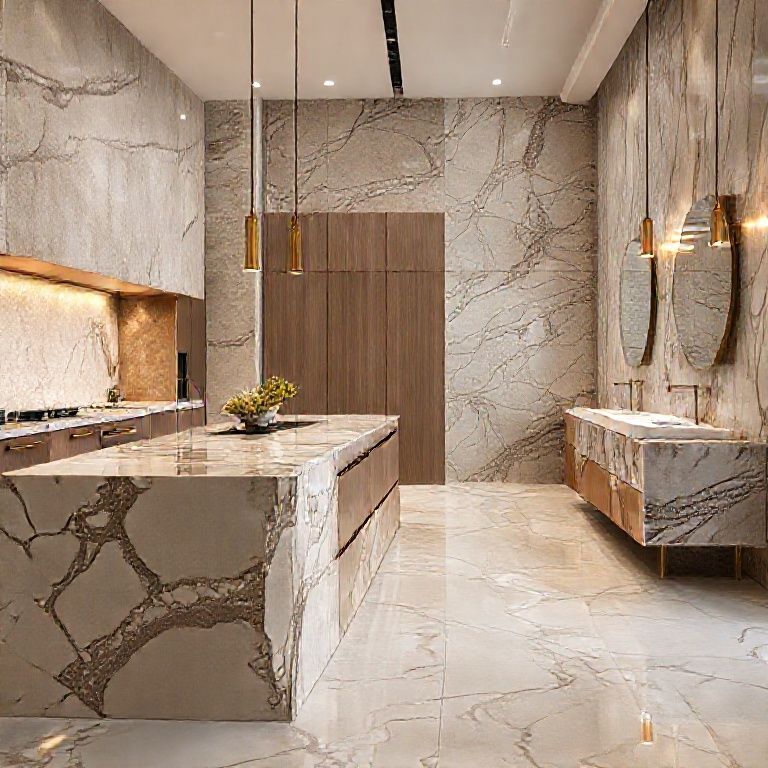
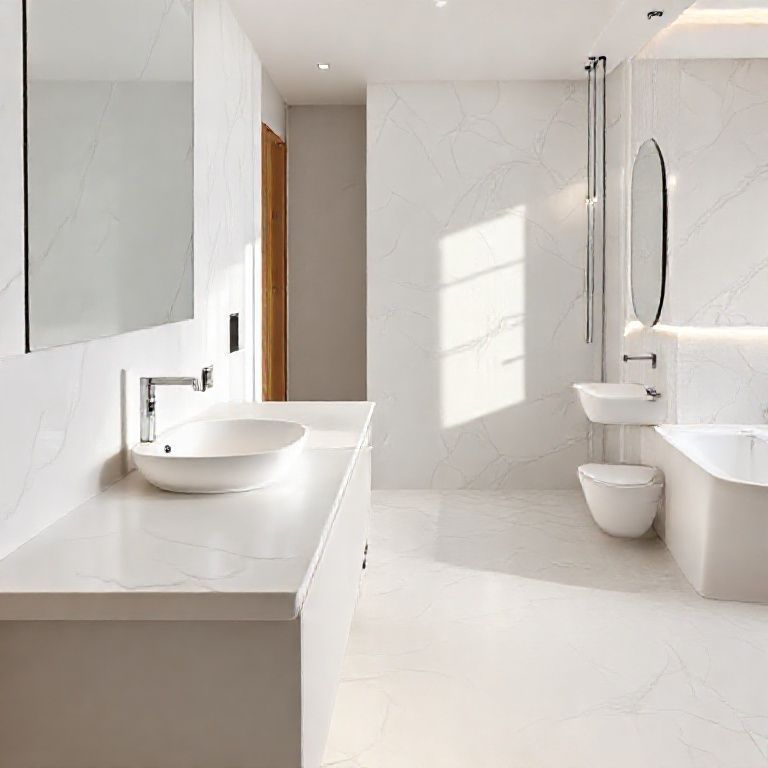
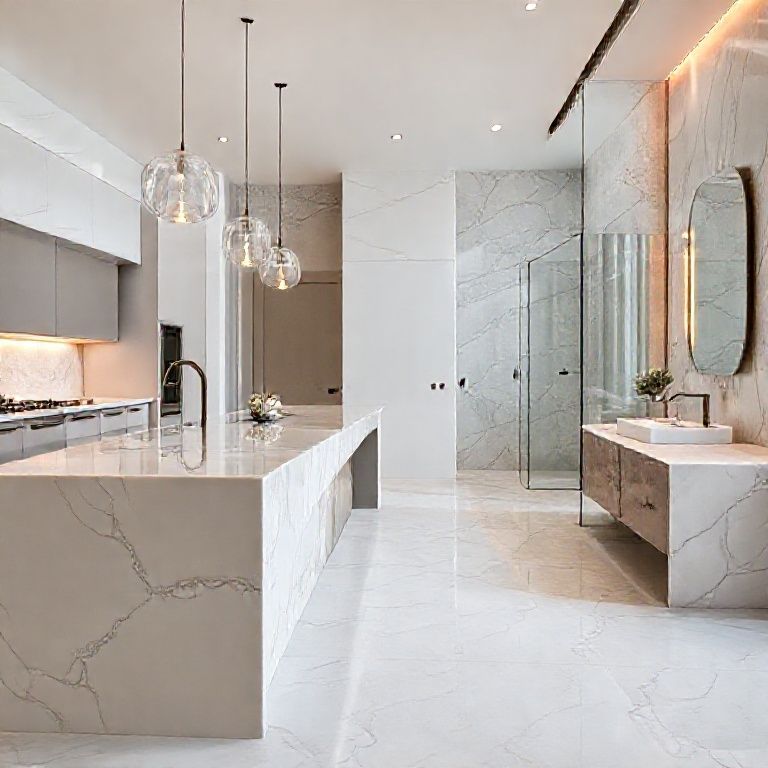
Synthetic marble, also known as cultured stone, is a composite material that combines limestone, marble chips, and resins to create a durable and aesthetically pleasing surface. The process of creating synthetic marble involves mixing crushed stone with a polymer resin, which binds the stone particles together. This mixture is then poured into a mold and allowed to cure, resulting in a solid, monolithic slab that mimics the look of natural marble.
One of the key advantages of synthetic marble is its versatility. It can be crafted to resemble a wide range of natural stone finishes, including granite, travertine, and onyx, offering designers and homeowners a broad spectrum of design possibilities. Additionally, synthetic marble is resistant to stains, scratches, and thermal damage, making it a practical choice for high-traffic areas.
The Formaldehyde Concern
Formaldehyde is a colorless, flammable gas with a pungent odor. It is widely used in various industrial applications, including the production of resins, textiles, and building materials. The primary concern with formaldehyde is its potential health risks. It is classified as a carcinogen by several health organizations, including the International Agency for Research on Cancer (IARC) and the Environmental Protection Agency (EPA). Due to these health risks, there is significant concern regarding the presence of formaldehyde in building materials, including synthetic marble.

However, it is essential to understand that synthetic marble is not inherently formaldehyde-laden. The term “formaldehyde” is often mistakenly associated with synthetic marble due to the use of resins in its production. The resins used in synthetic marble are typically polyester or acrylic-based, which do not release formaldehyde during the curing process. Instead, they bind the stone particles together, creating a solid, monolithic surface.
Myths vs. Reality
One of the prevailing myths is that synthetic marble contains formaldehyde because it is a “man-made” material. However, this assumption overlooks the meticulous process involved in its creation. The resins used in synthetic marble are carefully selected to ensure that they do not release harmful chemicals, including formaldehyde, once the product has been cured.
Moreover, formaldehyde is not a component of the raw materials used in synthetic marble production. It is possible for synthetic marble to contain trace amounts of volatile organic compounds (VOCs) if the resin or other materials used in its production are not properly processed. However, reputable manufacturers adhere to strict quality control measures to minimize the presence of VOCs, including formaldehyde, in their final products.

Safety Standards and Certifications
To address concerns about material safety, manufacturers of synthetic marble often obtain various certifications and adhere to stringent safety standards. For instance, synthetic marble products may comply with the American National Standards Institute (ANSI) and the International Organization for Standardization (ISO) guidelines. These standards ensure that the materials used are safe for indoor environments and do not pose significant health risks.
Additionally, synthetic marble manufacturers often conduct independent testing to verify that their products meet safety standards. These tests typically include assessments for formaldehyde release, VOC content, and overall chemical safety. By obtaining such certifications and conducting thorough testing, manufacturers provide assurance to consumers that their products are safe and non-toxic.
Alternatives to Synthetic Marble
For those who remain concerned about the potential presence of formaldehyde or other chemicals in synthetic marble, there are alternative materials that offer similar aesthetic and functional benefits without the associated risks. Natural stone alternatives, such as granite, quartz, and travertine, are inherently non-toxic and do not contain formaldehyde. These materials are naturally occurring and have been used for centuries in construction and interior design.
Another alternative is solid surface materials like Corian or Silestone, which are made from acrylic or quartz, respectively. These materials do not contain formaldehyde and offer a wide range of design options. They are also durable, easy to maintain, and resistant to stains and scratches.
Conclusion
In conclusion, synthetic marble is not inherently formaldehyde-containing due to its unique manufacturing process that utilizes resins that do not release formaldehyde once cured. The misconception that synthetic marble contains formaldehyde often stems from a misunderstanding of the materials and processes involved in its production. By choosing synthetic marble from reputable manufacturers who adhere to safety standards and certifications, consumers can enjoy the beauty and durability of this material without concerns about chemical exposure.
In the next part of this article, we will delve deeper into the environmental impact of synthetic marble, compare its sustainability with natural stone alternatives, and explore innovative developments in non-toxic material options.
Stay tuned for Part 2 where we continue our exploration of synthetic marble and its place in modern design!