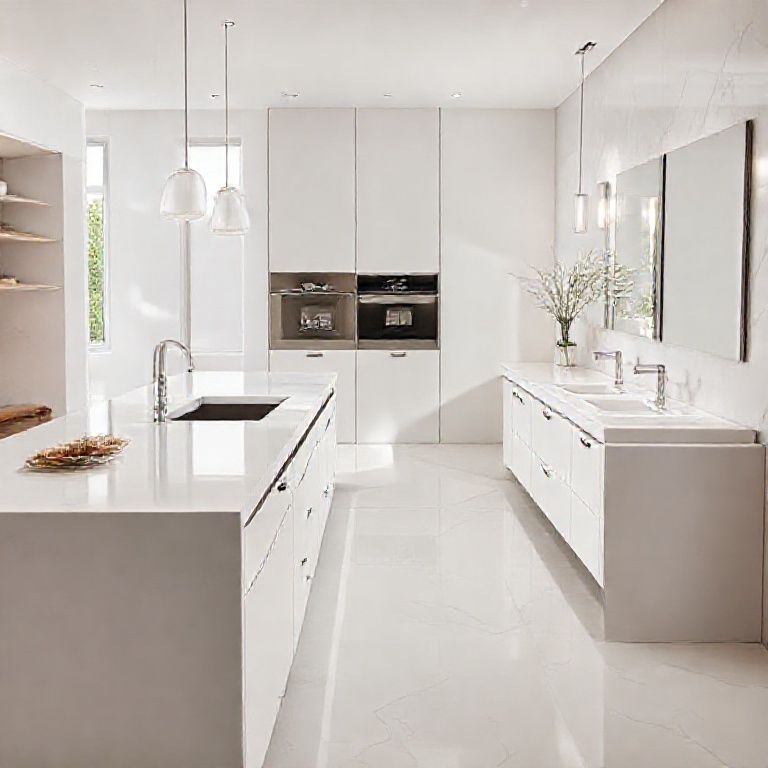
Unveiling the Potential Drawbacks of Synthetic Stone Countertops: An In-Depth Exploration
When it comes to kitchen and bathroom countertops, synthetic stone has gained immense popularity due to its aesthetic appeal and durability. However, like any material, synthetic stone countertops come with their own set of drawbacks that need to be considered before making a decision. This article will explore these nuances in detail, helping you to weigh the pros and cons effectively.
Material Limitations
1. Composition and Consistency
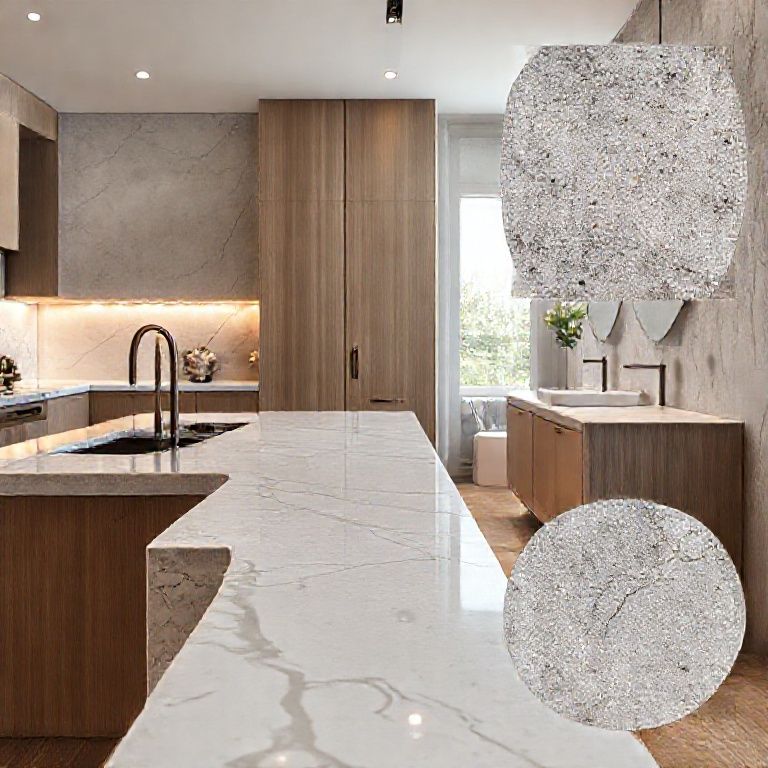
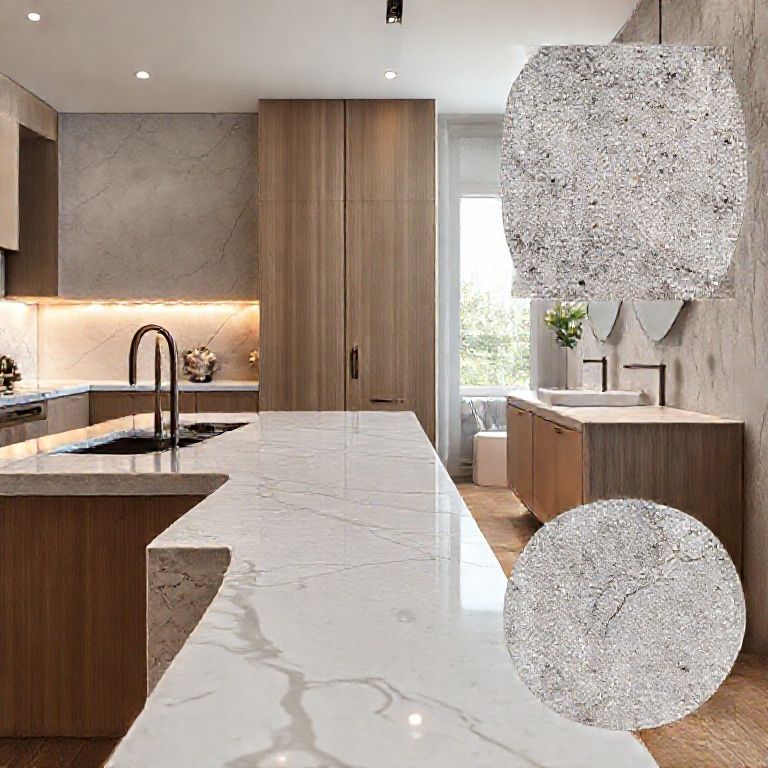
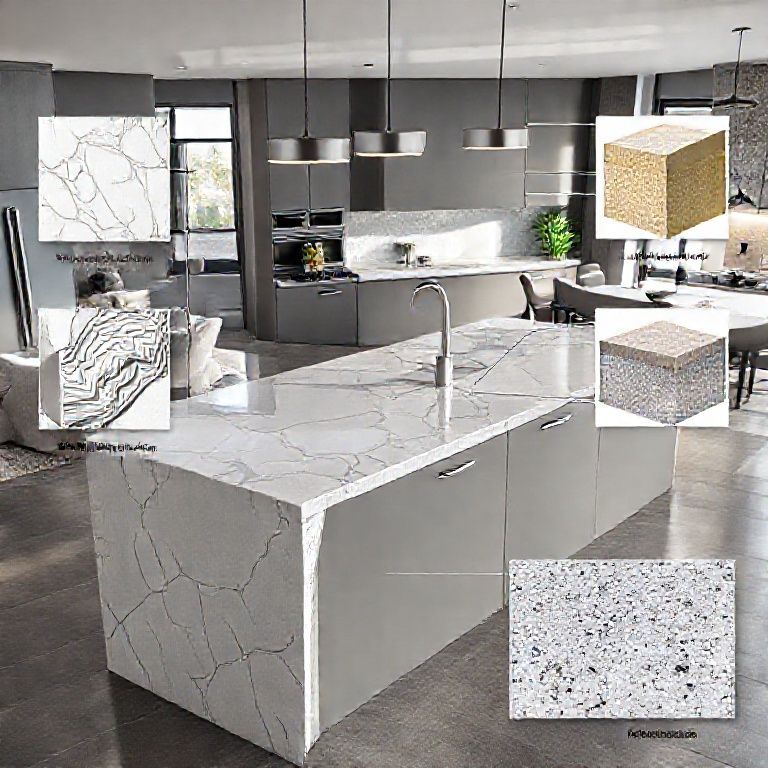
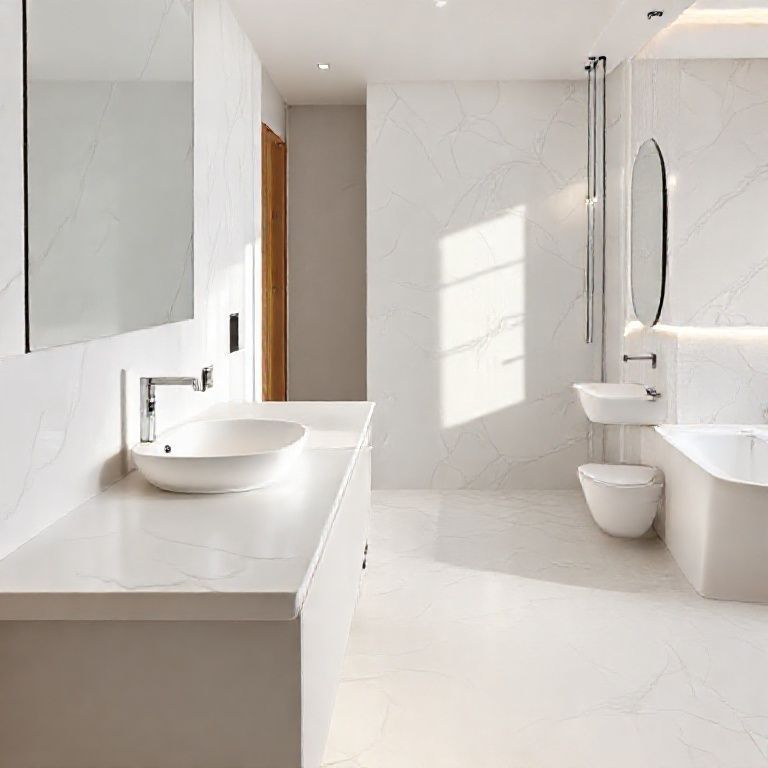
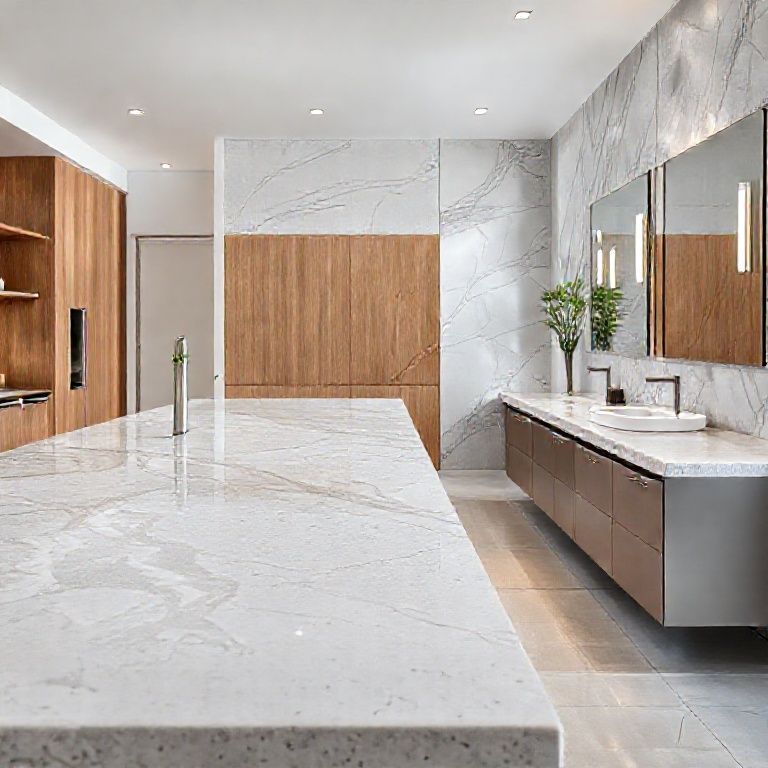
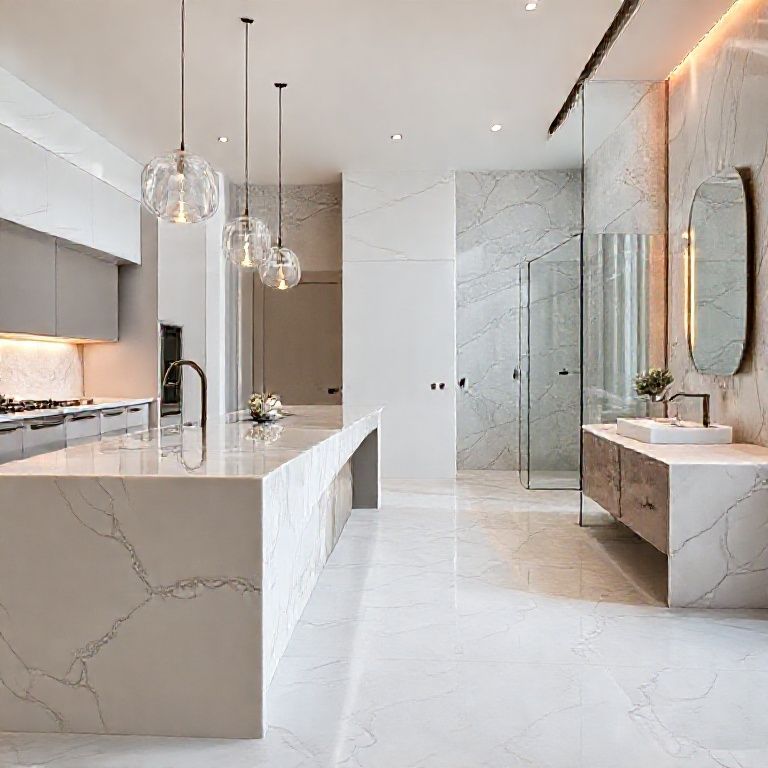
Synthetic stone is a composite material typically made from natural stone powder (like quartz, granite, or marble), resin, and pigments. While this blend gives synthetic stone a stone-like appearance, it also introduces certain limitations. Unlike natural stone, synthetic stone lacks the same natural variability, which means it can’t match the unique veining and colors found in natural stone. This uniformity can sometimes feel less authentic to those who appreciate the natural beauty of stone.
2. Weight and Installation
Another notable limitation is the weight of synthetic stone countertops. Being heavier than many other countertop materials, they require robust support structures. This can pose challenges during installation, particularly in older homes with existing cabinetry that may not be designed to support the additional weight. Specialized installation techniques and sometimes additional support may be needed, which can add to the overall cost.
Durability Issues
1. Abrasion Resistance
While synthetic stone is designed to mimic the durability of natural stone, it is not indestructible. It can be prone to scratching and abrasion, especially if exposed to harsh chemicals or abrasive cleaning tools. Unlike natural stone, which can often be resurfaced, synthetic stone might not hold up as well to repeated scratching, leading to permanent damage.
2. Heat Sensitivity
Heat resistance is another area where synthetic stone falls short. Although synthetic stone can withstand high temperatures better than many other materials, prolonged exposure to extreme heat can cause it to crack or warp. This makes it less suitable for areas where hot pots and pans are frequently placed without protective pads. The heat sensitivity can also affect the adhesive properties, leading to potential detachment over time.
Maintenance Concerns
1. Cleaning and Staining
Maintaining synthetic stone countertops requires a careful approach. Regular cleaning is essential to keep them looking their best, but this can be more complicated than it seems. Using harsh chemicals or improper cleaning methods can lead to staining and dulling of the surface. Unlike natural stone, which can often be re-sealed to restore its shine, synthetic stone might require more frequent touch-ups to maintain its appearance.
2. Repair and Replacement
When it comes to repairs, synthetic stone countertops offer limited options. Small chips or scratches might be repairable with specialized products, but extensive damage often necessitates complete replacement. This can be inconvenient and costly, as finding an exact match for synthetic stone can be challenging. Unlike natural stone, which can often be cut and shaped to fit specific needs, synthetic stone might require a complete new installation, which adds to the hassle and expense.
Environmental and Aesthetic Considerations
1. Environmental Impact
The production of synthetic stone involves a significant amount of energy and chemical use. The resin and stone powder used in its manufacture are not as environmentally friendly as some other materials. Additionally, the transportation of synthetic stone from manufacturing plants to installation sites adds to its carbon footprint. For those who prioritize eco-friendly materials, this aspect of synthetic stone countertops might be a significant drawback.
2. Aesthetic Limitations
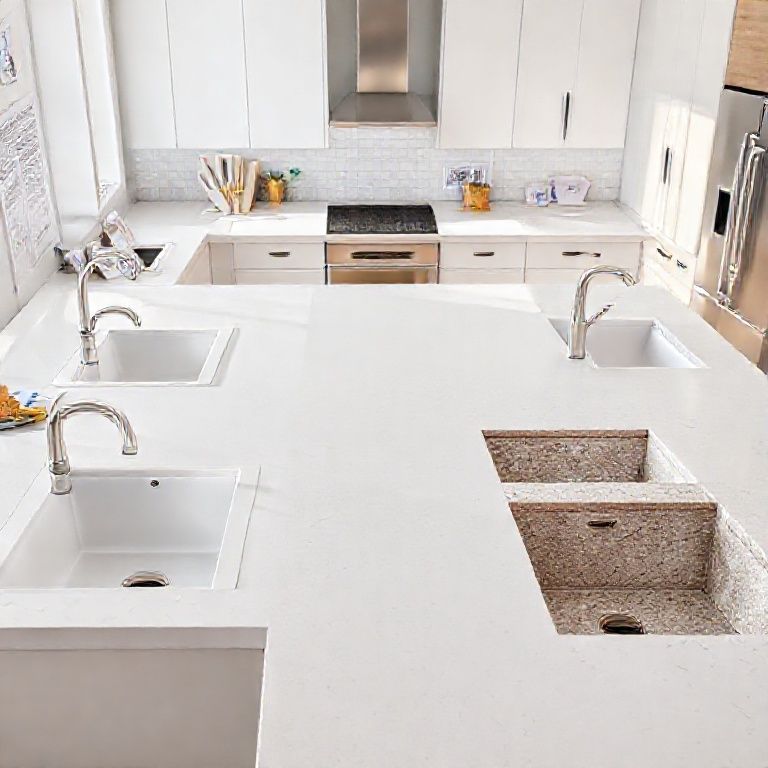
While synthetic stone can replicate the look of natural stone, it often falls short in terms of texture and authenticity. The polished, uniform surface of synthetic stone can sometimes feel less natural and more artificial compared to the organic, varied surface of natural stone. This can be a deciding factor for those who prefer the unique beauty of natural stone finishes.
Cost Implications
1. Initial Cost vs. Long-Term Maintenance
The initial cost of synthetic stone countertops is often competitive with other materials, but long-term maintenance can add up. Frequent cleaning, potential repairs, and the need for specialized products can lead to higher ongoing costs. Additionally, if synthetic stone needs to be replaced due to damage, the cost of a new countertop can be significant, potentially exceeding the initial investment.
2. Value Depreciation
Another cost consideration is the depreciation of value. Because synthetic stone can show signs of wear and damage more visibly than some other materials, it might depreciate faster over time. This could impact the resale value of a home, particularly if the synthetic stone is in a prominent area like the kitchen or bathroom.
Conclusion
While synthetic stone countertops offer many benefits, it’s crucial to weigh these against their potential drawbacks. From material limitations and durability issues to maintenance concerns and cost implications, there are several factors to consider. Understanding these nuances can help you make a more informed decision, ensuring that your choice aligns with both your aesthetic preferences and practical needs.
In the next part of this article, we will delve deeper into specific scenarios where synthetic stone might not be the best choice, and we’ll explore alternative materials that could better suit your needs. Stay tuned for more insights!
Unveiling the Potential Drawbacks of Synthetic Stone Countertops: An In-Depth Exploration
In the previous part of this article, we explored several critical aspects of synthetic stone countertops, including material limitations, durability issues, and maintenance concerns. Now, we will delve deeper into specific scenarios where synthetic stone might not be the best choice and explore alternative materials that could better suit your needs.
Specific Scenarios Where Synthetic Stone Might Not Be Ideal
1. High-Traffic Kitchens
In kitchens that experience a high volume of cooking and food preparation, synthetic stone might not be the best choice. The heat sensitivity of synthetic stone can be problematic, as pots, pans, and baking trays often get hot and are frequently moved around. This can lead to heat damage, causing the surface to crack or warp over time. In such high-traffic areas, materials like stainless steel or granite might offer better durability and resistance to heat.
2. Areas with Frequent Spills and Stains
Synthetic stone countertops can be prone to staining, especially if they are not cleaned properly. In areas where spills are frequent, such as near the sink or stove, synthetic stone might not hold up as well as other materials like quartz or solid surface composites. These alternatives can offer more stain resistance and easier maintenance, making them ideal for busy kitchens and bathrooms.
3. Budget-Constrained Projects
While synthetic stone is often priced competitively, the long-term maintenance costs and potential for damage can add up over time. In budget-constrained projects, you might find that alternative materials like laminate or solid surface composites offer a more cost-effective solution in the long run. These materials can provide a durable, low-maintenance surface that is easier to clean and less prone to staining.
Alternative Materials to Synthetic Stone
1. Granite
Granite is a popular choice for countertops due to its natural beauty, durability, and resistance to heat and stains. Unlike synthetic stone, granite is a natural material that offers unique veining and colors, providing a more authentic look. While it requires sealing to maintain its protective finish, granite is generally low-maintenance and can withstand high temperatures, making it ideal for high-traffic areas.
2. Quartz
Quartz countertops are known for their durability, scratch resistance, and low maintenance requirements. Made from 93% quartz and 7% bonding agent, quartz offers a sleek, modern look with a variety of colors and patterns. Unlike synthetic stone, quartz does not require sealing and is highly resistant to stains and heat. It is an excellent choice for kitchens and bathrooms where durability and low upkeep are priorities.
3. Solid Surface Composites
4. Stainless Steel
Stainless steel countertops are highly durable, easy to clean, and resistant to stains and heat. They offer a sleek, modern look and can be polished to a high shine. Stainless steel is particularly suitable for high-traffic kitchen areas where frequent use and maintenance are expected. However, it may require regular maintenance to prevent water spots and fingerprints.
5. Marble
Marble is a natural stone known for its luxurious appearance and timeless elegance. Its unique veining and colors make each piece one-of-a-kind. Marble is highly durable and scratch-resistant but does require sealing to protect against stains and regular maintenance to prevent water spots and etching. It is best suited for areas where spills are infrequent, such as dining islands or bar tops.
Maintenance and Care
Regular Cleaning
Regardless of the material chosen, regular cleaning is essential to maintain the appearance and longevity of your countertops. Here are some general tips for maintaining different materials:
Synthetic Stone: Use a mild soap and water solution to clean synthetic stone surfaces. Avoid abrasive cleaners or sponges that can scratch the surface.
Granite: Wipe with a soft, dry cloth to remove dust and debris. Use a granite-specific sealer every 6-12 months to maintain its protective finish.
Quartz: Quartz countertops are virtually maintenance-free. Simply wipe with a damp cloth and mild soap solution. Avoid using acidic cleaners.
Stainless Steel: Clean with a mild detergent and warm water. For tough spots, use a stainless steel cleaner. Dry immediately to prevent water spots.
Marble: Clean with a mild soap and water solution. Avoid using acidic or abrasive cleaners that can etch the surface. Use a marble-specific sealer to protect against stains.
Repair and Replacement
In cases where damage does occur, the ability to repair or replace the countertop is crucial:
Synthetic Stone: Small chips and scratches can often be repaired with a synthetic stone repair kit. For more extensive damage, replacement may be necessary.
Granite: Chips and scratches can be polished out with granite-specific polishing compounds. However, significant damage might require full replacement.
Quartz: Quartz is highly resistant to scratches and chips, but if damage does occur, it may require full replacement due to the material’s uniform nature.
Stainless Steel: Scratches and minor dents can often be polished out. For more severe damage, replacement might be necessary.
Marble: Chips and cracks can sometimes be repaired using marble restoration techniques, but extensive damage often necessitates full replacement.
Conclusion
When choosing a countertop material, it’s essential to consider both the aesthetic appeal and practical aspects such as durability, maintenance, and cost. While synthetic stone offers a cost-effective and versatile option, it does come with certain drawbacks that might not suit every scenario. Granite, quartz, stainless steel, and marble each bring their unique benefits and challenges.
By carefully evaluating your specific needs and usage patterns, you can make an informed decision that best suits your kitchen or bathroom design and functional requirements. Whether you prioritize aesthetics, durability, or low maintenance, there’s a material out there that can meet your expectations.
If you have any more questions or need further details, feel free to ask!