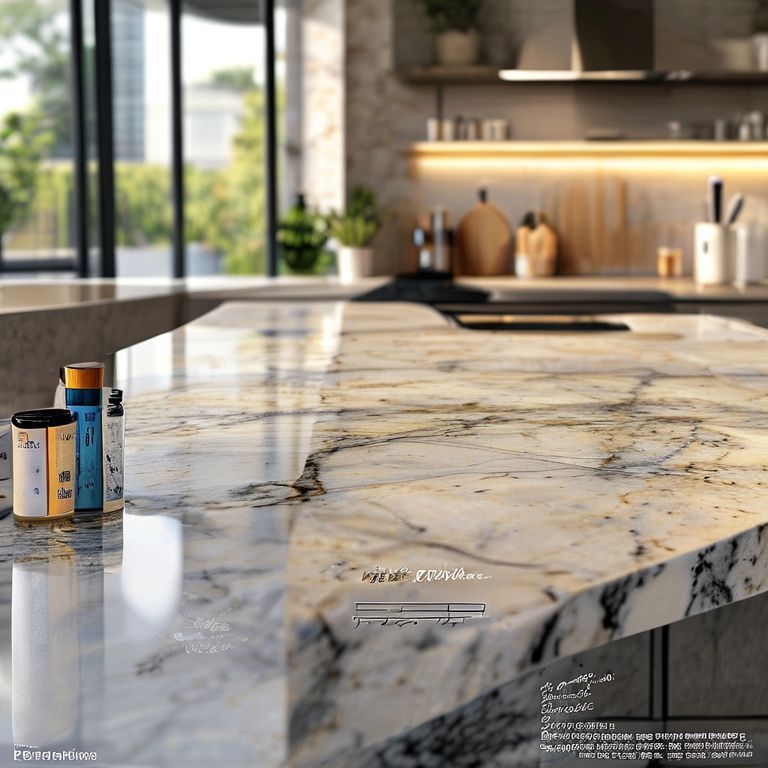
Curious about the cost and elegance of marble per square meter? This article breaks down everything you need to know about marble pricing, its varieties, and the factors that influence its cost. Whether you’re planning a renovation or designing a new space, understanding the value and beauty of marble can elevate your project.

marble cost per square meter, marble pricing, marble varieties, marble cost factors, marble beauty, marble tiles, marble slabs, marble installation, marble maintenance, marble trends
Understanding Marble and Its Cost Per Square Meter
Unveiling the Price and Beauty of Marble: How Much Does Marble Cost Per Square Meter?
When it comes to luxury flooring and decorative materials, marble stands out as a timeless classic. Its exquisite beauty and durability have made it a favorite among architects, designers, and homeowners alike. But how much does marble cost per square meter? Let’s dive into the details and uncover the factors that influence marble pricing.
The Allure of Marble
Marble is a metamorphic rock formed from limestone subjected to intense heat and pressure over millions of years. This natural process results in a stunning array of colors, patterns, and textures that make marble highly desirable for both interior and exterior applications. From kitchen countertops and bathroom tiles to elegant flooring and grand architectural features, marble’s versatility knows no bounds.
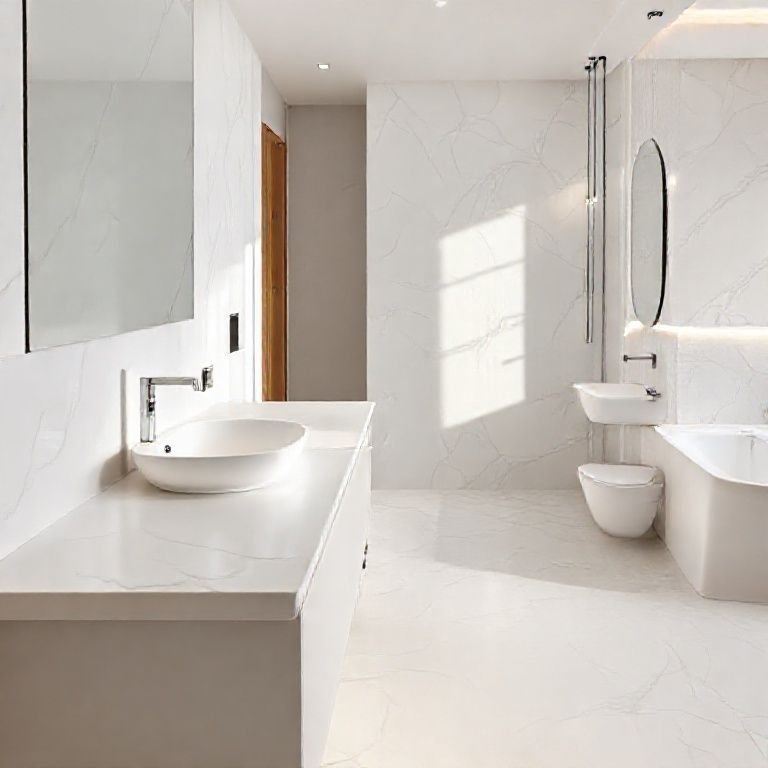
Varieties of Marble
The world of marble is vast and diverse, with numerous varieties each boasting unique characteristics. Some of the most popular types include:
Italian Marble: Known for its rich colors and intricate patterns, Italian marble like Carrara is highly sought after. It’s often used in high-end projects due to its aesthetic appeal and durability.
Turkish Marble: Turkey is renowned for its marble production, offering a wide range of colors and finishes. Marbles like White Carrara and Black Ankara are particularly popular.
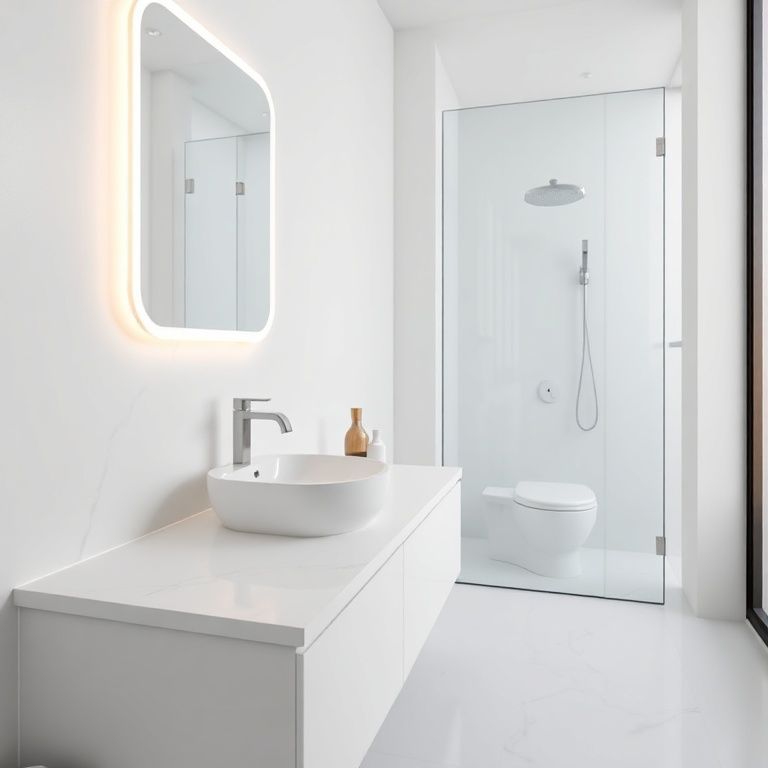
Indian Marble: India produces a variety of marble, including popular options like Pink Rudraksha and Grey Rudraksha. These marbles are known for their vibrant colors and affordability.
French Marble: French marble, particularly from the region of Languedoc, is celebrated for its unique patterns and soft hues. It’s often used in high-end residential and commercial projects.
Egyptian Marble: Famous for its historical significance, Egyptian marble like Cleopatra’s Needle is used in both modern and ancient architectural designs.
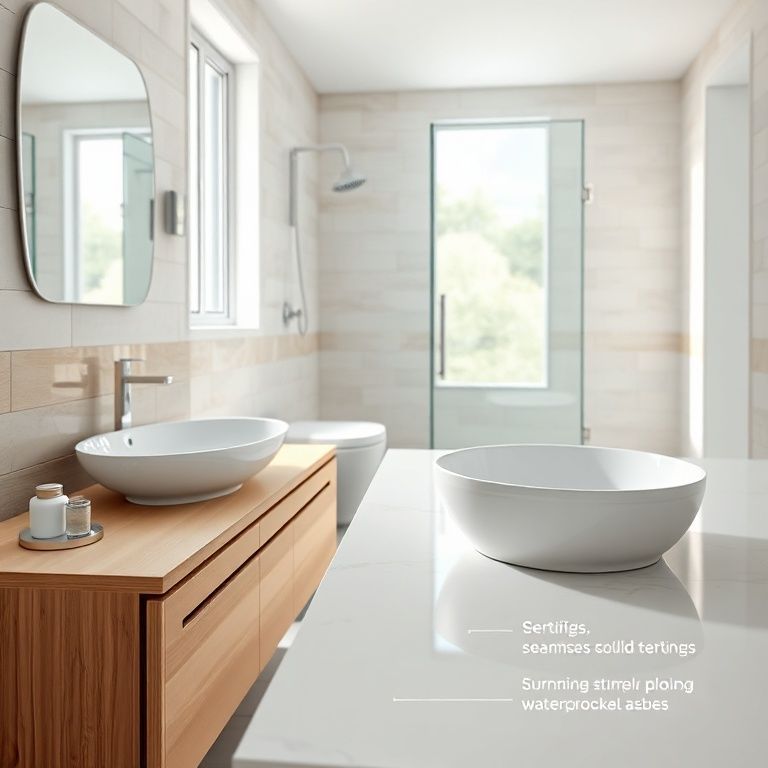
Cost Factors Influencing Marble Pricing
The cost of marble per square meter can vary significantly based on several factors:
Type and Quality: Different types of marble have distinct qualities. Higher-grade marble with finer patterns and less discoloration will naturally cost more than lower-grade marble.
Color and Pattern: Unique and rare colors or patterns can command higher prices. Marbles with striking veining and unique color blends are often more expensive.
Thickness and Size: Thicker marble slabs or larger pieces generally cost more due to the additional material and effort required for cutting and transportation.
Source and Origin: Marble from established and reputable sources like Italy or Turkey tends to be pricier compared to less well-known regions.
Processing and Finishing: The level of processing and finishing, including polishing and sealing, can affect the cost. Higher-end finishes typically increase the price.
Labor Costs: The cost of labor for cutting, installing, and maintaining marble can significantly impact the overall expense. Specialized skills and techniques for intricate designs or large installations will add to the price.
Market Demand: The demand for specific types of marble can influence prices. During high demand periods, prices may rise due to supply constraints.
Installation and Maintenance
The beauty of marble is undeniable, but it also requires careful installation and maintenance to preserve its elegance over time. Proper installation involves precise cutting, fitting, and sealing to prevent issues like water damage and staining. Professional installation can ensure a flawless finish and longevity of the marble.
Maintaining marble is equally important. Regular cleaning with pH-neutral cleaners and occasional sealing can protect its surface from stains and discoloration. It’s crucial to avoid using acidic or abrasive cleaners that can damage the marble’s surface.
Conclusion
Understanding the cost of marble per square meter involves considering a range of factors, from its type and quality to the source and processing involved. Marble’s timeless beauty and versatility make it a valuable choice for many projects, but it’s essential to plan carefully and budget accordingly. Whether you’re designing a luxurious home or a high-end commercial space, investing in marble can add unparalleled elegance and durability.
Stay tuned for part two, where we will delve deeper into the trends in marble usage, eco-friendly options, and innovative uses in modern architecture.
Trends, Eco-Friendly Options, and Innovative Uses of Marble
Unveiling the Price and Beauty of Marble: How Much Does Marble Cost Per Square Meter?
In the previous part, we explored the allure of marble, its varieties, and the factors influencing its cost per square meter. Now, let’s delve deeper into the trends, eco-friendly options, and innovative uses of marble that are shaping the future of interior and exterior design.
Current Trends in Marble Usage
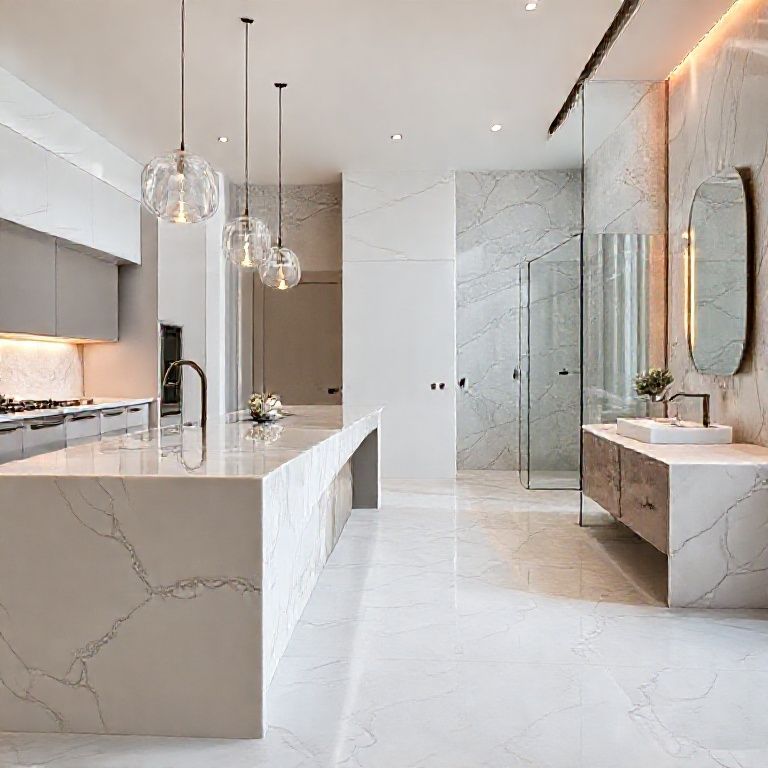
Minimalism and Clean Lines: Modern minimalist design trends favor clean lines and uncluttered spaces. Marble, with its natural elegance and neutral tones, fits perfectly into this aesthetic. Its versatility allows for seamless integration into various design elements, from sleek countertops to understated flooring.
Sustainability and Eco-Friendly Choices: As sustainability becomes a priority, eco-friendly options in marble usage are gaining traction. Manufacturers are exploring recycled marble and sustainable sourcing practices to reduce environmental impact. This trend not only appeals to environmentally conscious consumers but also ensures a more responsible use of resources.
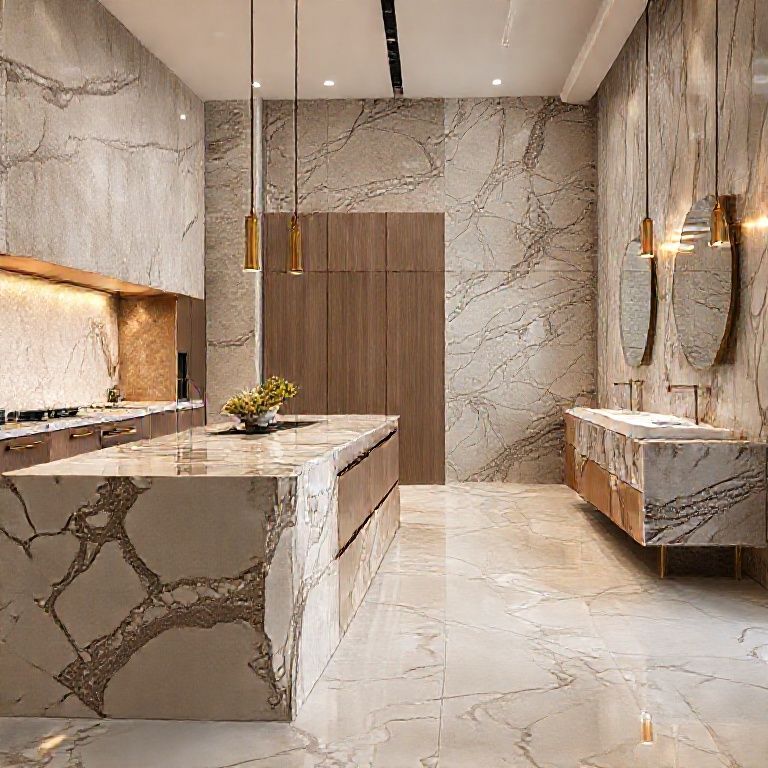
Bold and Unique Patterns: While classic marble remains popular, bold and unique patterns are making a statement. Marbles with striking veining, vibrant colors, and unusual patterns are being used in innovative ways to create focal points in both residential and commercial spaces.
Multi-functional Spaces: With the rise of multi-functional living spaces, marble’s versatility is more in demand than ever. From kitchens to bathrooms and outdoor patios, marble’s durability and aesthetic appeal make it an ideal choice for spaces that undergo frequent use and varied activities.
Custom and Designer Pieces: Custom and designer marble pieces are becoming increasingly popular. Tailored designs that incorporate unique patterns and colors can create bespoke features that add character and exclusivity to any space.
Eco-Friendly Options in Marble
Recycled Marble: Recycled marble is an innovative solution that combines sustainability with style. By using marble waste from construction and renovation projects, manufacturers can create new products that reduce waste and lower environmental impact.
Sustainable Sourcing: Ethical and sustainable sourcing of marble involves working with suppliers who adhere to responsible mining practices. This ensures that the marble is sourced in a manner that minimizes environmental damage and supports fair labor practices.
Low-VOC Products: To address environmental concerns, many manufacturers now offer low-VOC (volatile organic compounds) products. These eco-friendly options reduce harmful emissions during installation and use, making marble a safer choice for both the environment and occupants.
Green Certifications: Some marble products come with green certifications, indicating that they meet specific sustainability criteria. These certifications can guide consumers towards environmentally responsible choices without compromising on quality.
Innovative Uses of Marble
Architecture and Monuments: Marble has long been used in architecture and monumental designs, from classical temples to modern skyscrapers. Its durability and aesthetic appeal make it a preferred choice for building facades, sculptures, and public monuments.
Art Installations: Beyond traditional uses, marble is increasingly being employed in art installations and sculptures. Artists are exploring new ways to use marble, creating stunning pieces that blend natural beauty with creative innovation.
Indoor and Outdoor Furniture: Marble’s robust nature makes it an excellent material for furniture. From dining tables to benches and even garden furniture, marble’s unique look and durability are ideal for both indoor and outdoor settings.
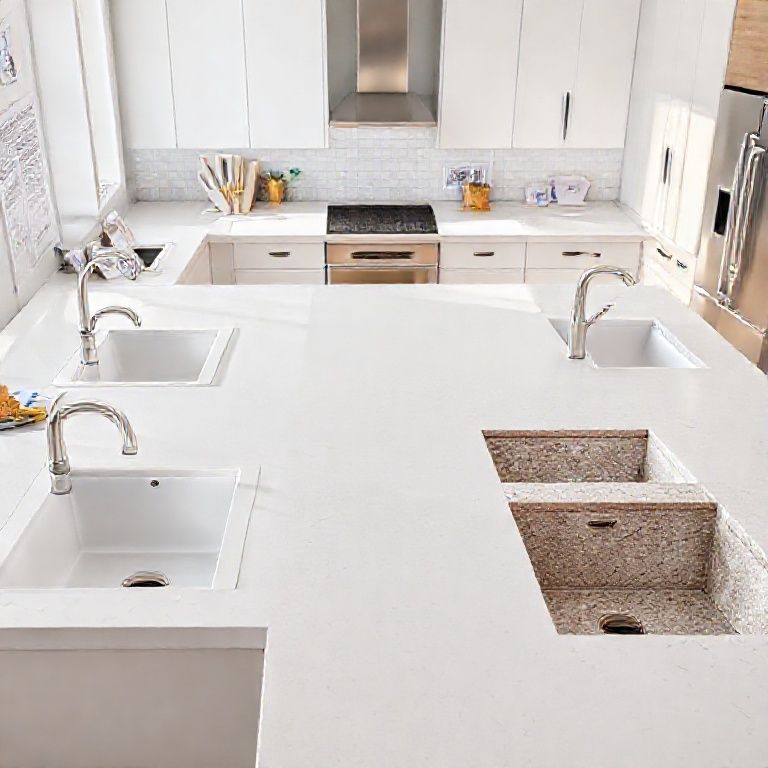
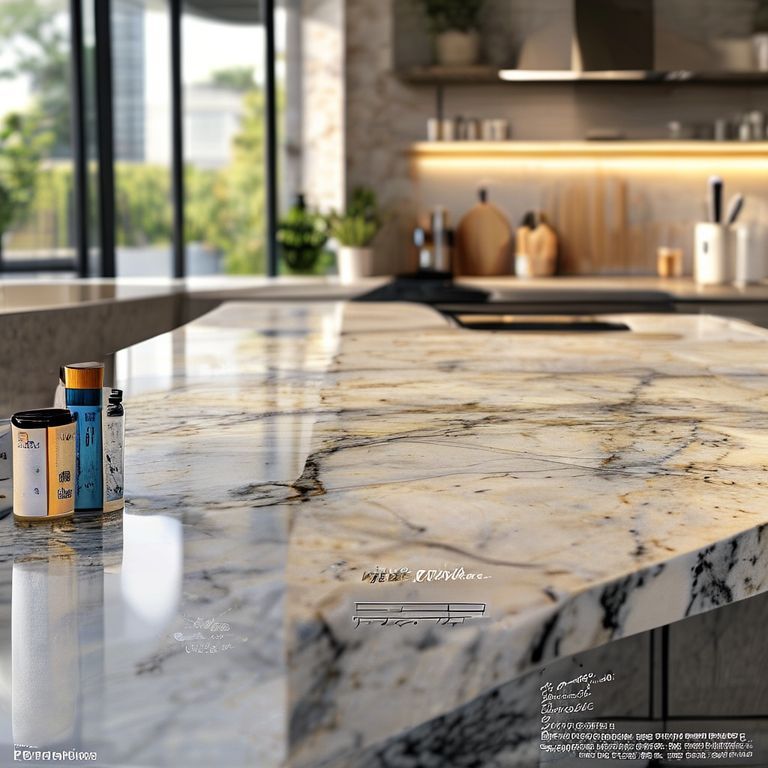
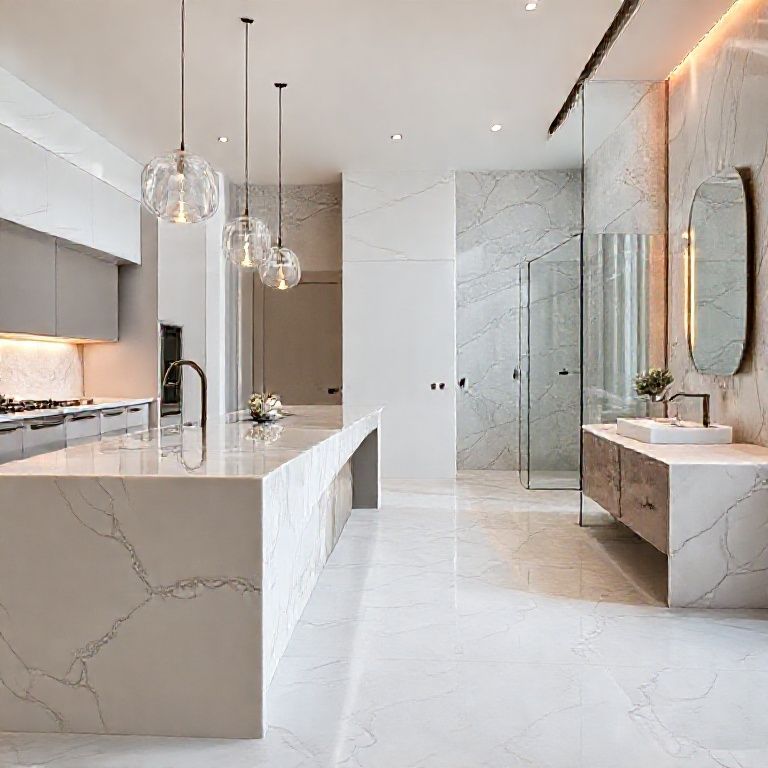
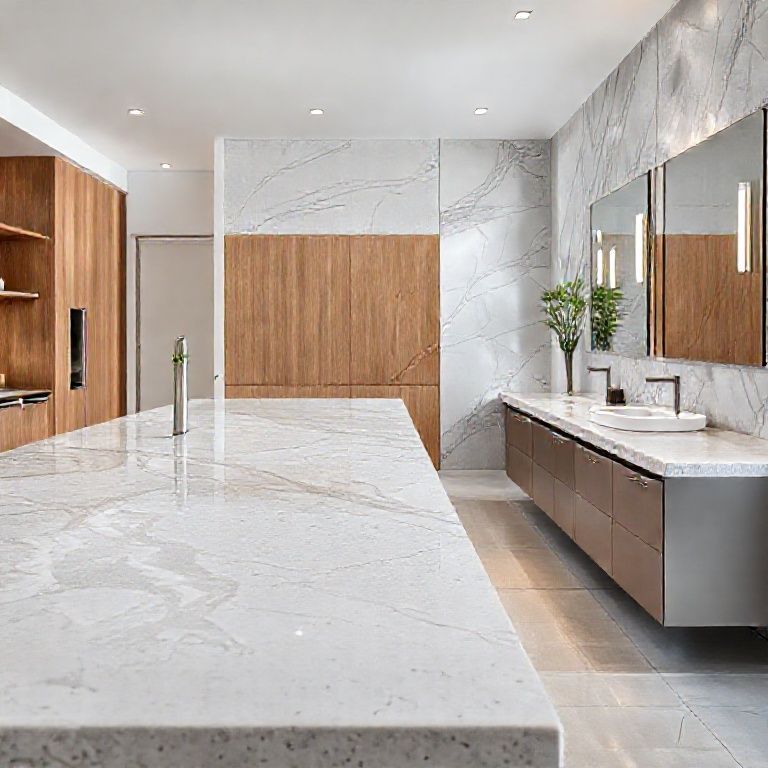
Custom Kitchen Countertops: In the realm of home design, marble countertops remain a favorite. Their timeless beauty and versatility allow for endless customization, from classic white to exotic colors. Innovations in marble technology have also made it easier to create custom shapes and designs.
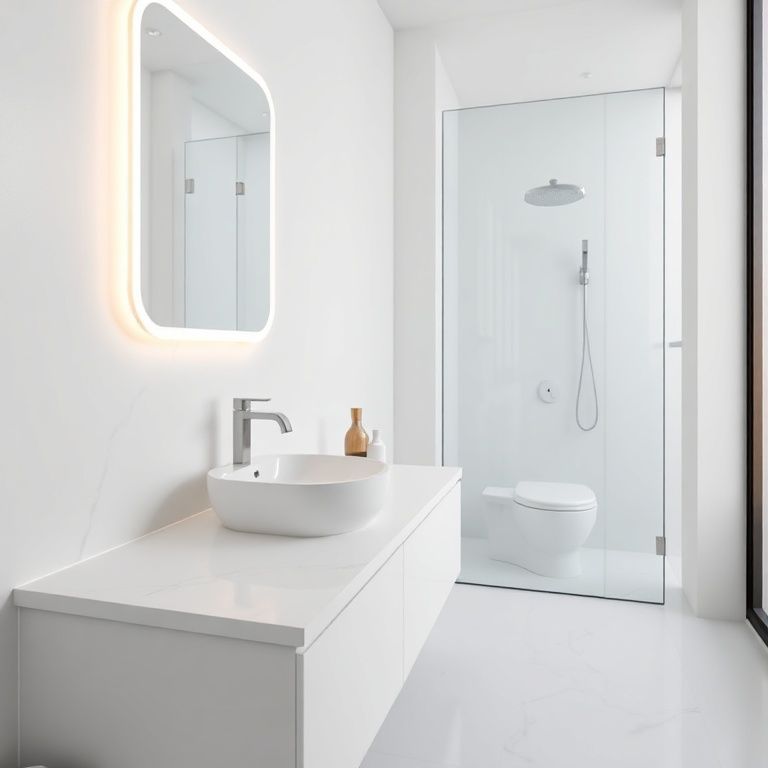
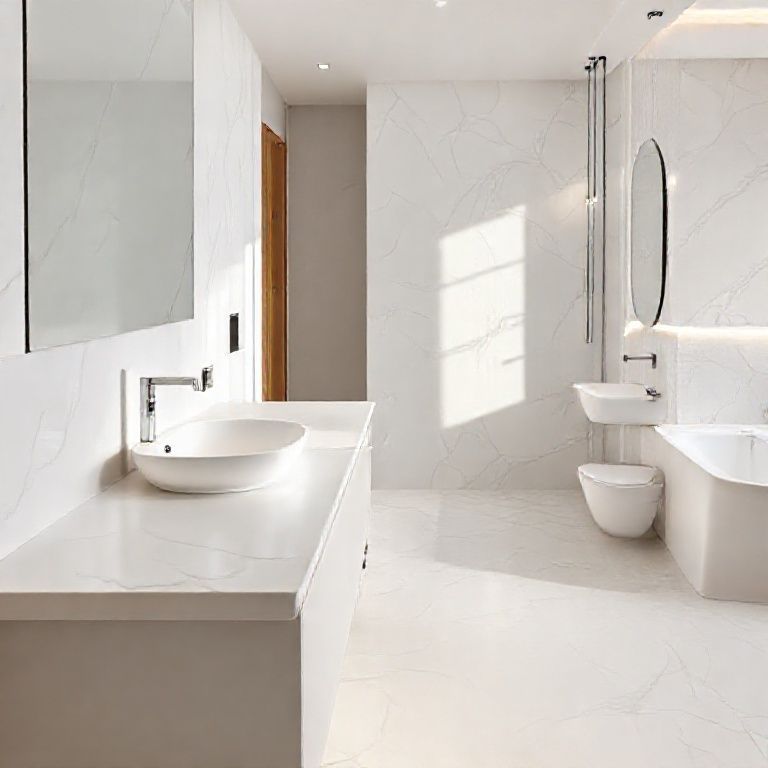
Bathroom and Spa Areas: Marble’s natural beauty and resistance to water make it perfect for bathrooms and spa areas. From shower walls to bathtubs and flooring, marble’s elegant look enhances the overall ambiance of these spaces.
Decorative Elements: Marble is often used as a decorative element in various settings. From fireplace surrounds to wall cladding and decorative panels, marble adds a touch of luxury and sophistication to any space.
Conclusion
The world of marble is as dynamic and diverse as ever, with trends, eco-friendly options, and innovative uses continuously shaping its future. From minimalist designs to bold, unique patterns, marble’s versatility ensures that it remains a preferred choice for many applications. As sustainability becomes more important, eco-friendly practices in marble production are gaining momentum, offering consumers responsible choices without compromising on quality.
Investing in marble can elevate any space with its timeless beauty and durability. Whether for a luxurious home, a commercial project, or innovative architectural design, marble continues to be a material of choice for its enduring elegance and functionality.
让我们深入探讨一下如何在实际项目中更好地利用大理石,以及如何最大限度地发挥其优点,同时控制成本。
如何在实际项目中更好地利用大理石
项目规划和设计 细致的设计图纸:在项目初期,详细的设计图纸和规划能帮助确保大理石的使用达到最佳效果。特别是在涉及复杂几何形状或者特殊设计的项目中,提前规划非常重要。 与设计师合作:专业设计师能够提供最佳的设计方案,使大理石的美感最大化,同时也能避免不必要的浪费。
选择合适的大理石类型 根据用途选择:不同的大理石类型适用于不同的用途。例如,对于高频使用的区域如厨房和浴室,选择耐磨、耐污的大理石非常重要。而对于装饰性较强的区域,可以选择颜色和纹理更为独特的大理石。 预算考虑:虽然高档大理石如卡拉拉和白色卡拉拉通常更为壮观,但如果预算有限,可以选择性价比更高的大理石,同时通过设计手法提升其美观度。
安装和维护 专业安装:大理石的安装需要专业技术,错误的安装可能会导致长期的问题,如缝隙、漏水等。因此,聘请经验丰富的工匠或公司进行安装非常重要。 定期维护:大理石虽然耐用,但需要定期保养。使用pH中性的清洁剂进行清洁,并定期进行封闭处理,可以延长其使用寿命。
如何控制大理石的成本
优化采购 批量采购:如果项目规模允许,可以考虑批量采购,这通常能获得更优惠的价格。 提前采购:大理石的价格有时会因为供需关系而波动,提前采购能够避免价格上涨的风险。 减少浪费 精确测量:在安装前进行精确的测量和切割,以减少材料浪费。 废料利用:将剩余的大理石块用于其他需要,如小型装饰物或庭院装饰,从而进一步降低成本。
定期谈判 与供应商保持联系:经常与供应商保持联系,了解最新的市场价格和促销活动,可以在需要时进行调整。 二手和回收 二手市场:考虑从二手市场购买大理石,可能会找到性价比更高的选项。 回收利用:在旧建筑拆除时,可以回收使用大理石,这不仅环保,还能节省成本。
未来展望
大理石作为一种传统且经典的建筑和装饰材料,未来将继续在各个领域中发挥重要作用。随着科技的进步,新型大理石材料的研发可能会带来更多的选择,如具有更高耐用性和更多色彩选择的大理石。
随着环保意识的增强,大理石的可持续性和环保性也将成为未来研究的重要方向。例如,通过再生技术,将工业废料转化为高品质的大理石,这不仅有助于资源的循环利用,还能减少环境负担。
无论是在住宅装饰、商业建筑,还是在公共设施中,大理石都将继续以其独特的美感和耐用性吸引众多设计师和建筑师的青睐。希望这篇文章能为您在使用大理石方面提供一些有用的建议。如果您有任何具体的问题或需要进一步的帮助,请随时告知。