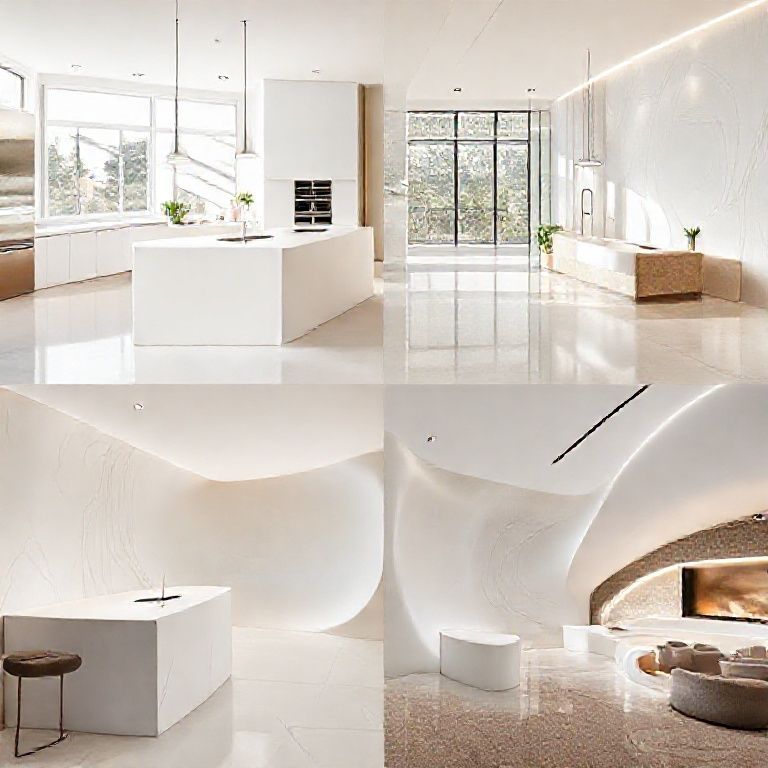
Unveiling the Price of Marble per Kilogram: An Exquisite Exploration
Marble, a timeless and elegant material, has been the cornerstone of architectural and artistic marvels for centuries. From grand palaces to intricate sculptures, marble’s unique beauty and versatility have captivated human imagination. But as the demand for this exquisite material continues to grow, so does the curiosity about its cost. Today, we embark on an intricate journey to understand the price of marble per kilogram and the factors that shape this figure.

The Essence of Marble: More Than Just a Stone
Marble is a metamorphic rock formed from the transformation of limestone due to intense heat and pressure. This metamorphosis endows marble with its distinct beauty, characterized by stunning patterns and a smooth, lustrous finish. The quality of marble varies significantly based on its geological origin, resulting in a wide array of colors, textures, and patterns.
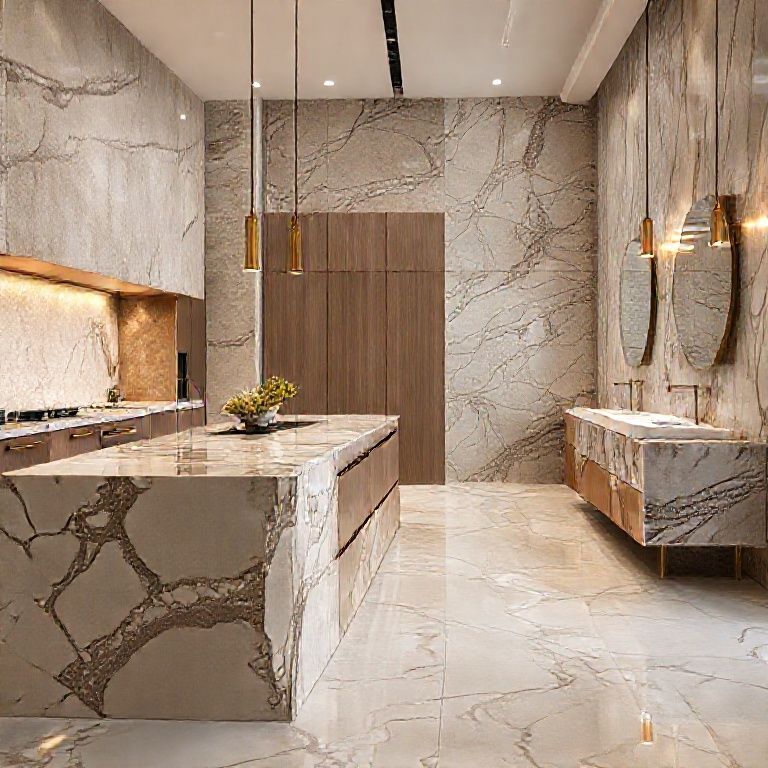
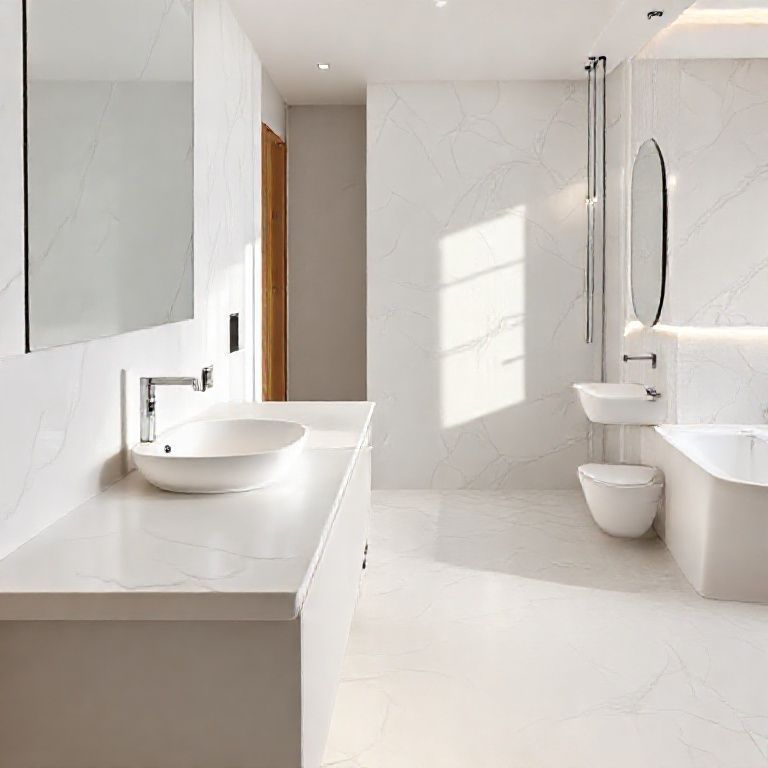
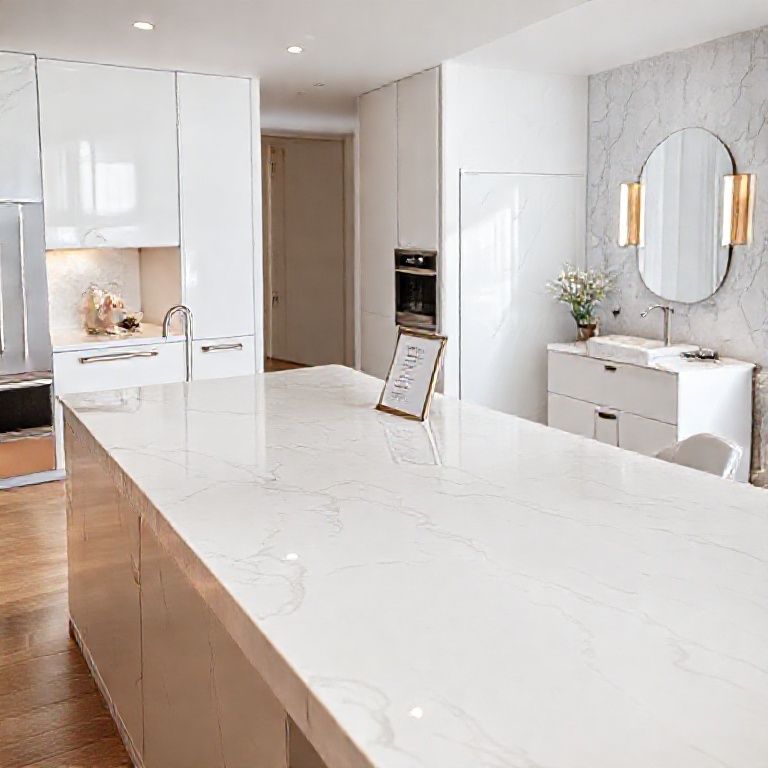
Marble’s allure lies not only in its aesthetic appeal but also in its durability and versatility. It is a preferred choice for various applications, including flooring, countertops, wall cladding, and intricate sculptures. The timeless elegance of marble makes it a sought-after material in both residential and commercial settings.
Understanding Marble Pricing: The Core Elements
When it comes to determining the price of marble per kilogram, several key factors come into play. These factors influence the overall cost and make each piece of marble unique in its own right.
1. Geological Origin
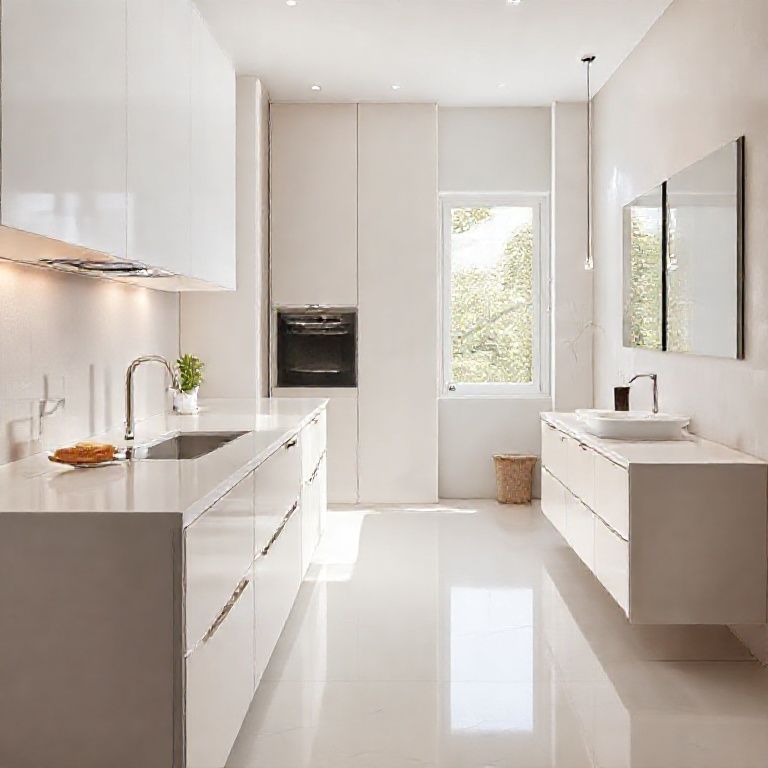
The geological origin of marble plays a pivotal role in determining its quality and price. Marble sourced from renowned regions like Carrara in Italy, or the quarries of Greece and Turkey, tends to be more expensive due to their historical significance and superior quality. These regions have been producing marble for centuries, and their stones often feature intricate patterns and rich colors.
2. Color and Pattern
Marble’s color and pattern are critical determinants of its value. Stones with rare and unique colors or intricate veining patterns are more valuable. Marble with a uniform and rich color is often preferred for high-end projects, while more subdued and varied patterns may be chosen for a broader range of applications.
3. Purity and Consistency
The purity and consistency of marble are essential in assessing its quality. Marble with fewer impurities and more consistent grain is generally more desirable. High-quality marble undergoes rigorous testing to ensure its durability and aesthetic appeal, which directly influences its price.
4. Processing and Finishing
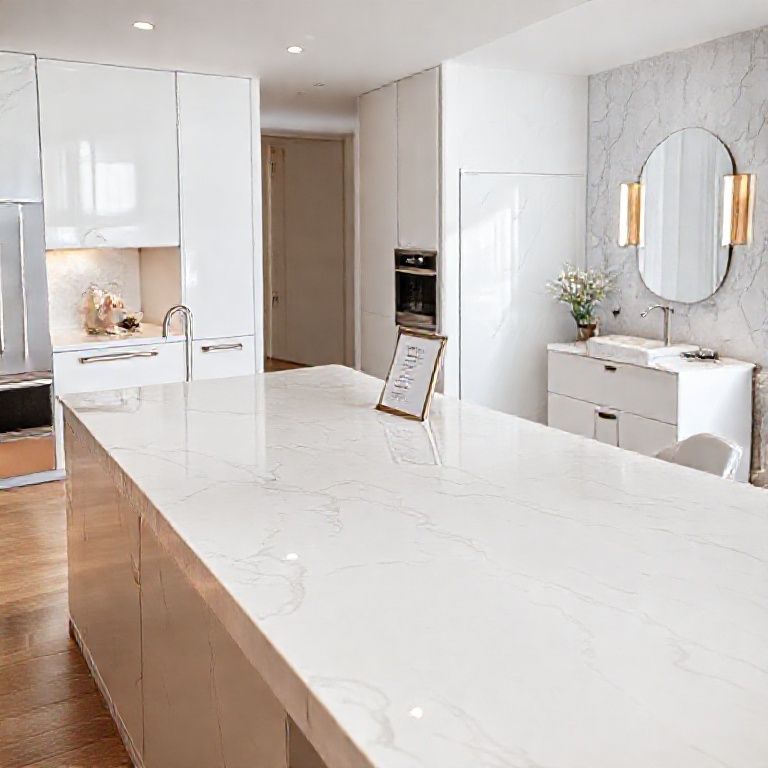
The process of cutting, polishing, and finishing marble also impacts its cost. Marble that requires intricate cutting and detailed finishing to achieve the desired aesthetic is naturally more expensive. Additionally, the choice of finishing techniques, such as high-gloss or matte finishes, can affect the overall price.
5. Market Demand and Supply
Like any other commodity, the price of marble per kilogram is influenced by market demand and supply dynamics. Areas with high demand for marble, such as luxury real estate markets or regions experiencing significant construction booms, may see higher prices. Conversely, regions with abundant supply and lower demand might offer more competitive pricing.
6. Transportation Costs
The geographical location of the marble quarry significantly affects transportation costs. Marble that needs to be shipped long distances incurs higher costs due to fuel, handling, and logistics expenses. This additional cost is often reflected in the final price per kilogram.
Marble in Modern Architecture: Trends and Applications
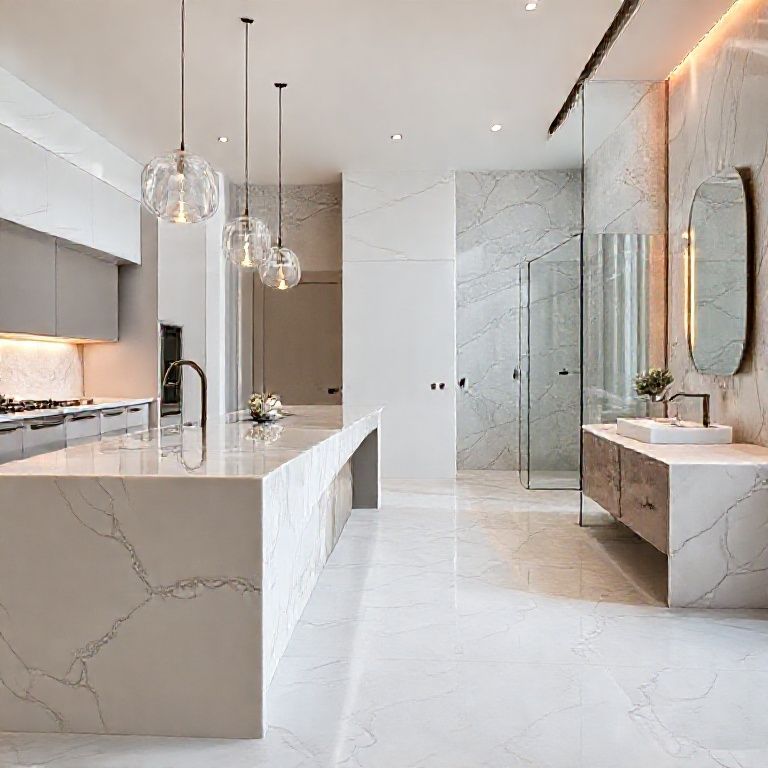
In contemporary architecture, marble continues to be a favored material due to its timeless beauty and versatility. Architects and designers are exploring innovative ways to incorporate marble into modern designs, pushing the boundaries of its traditional uses.
1. Sustainable Practices
In recent years, there has been a growing emphasis on sustainability in the construction industry. Marble producers are adopting eco-friendly practices to reduce their environmental footprint. This includes using less water in the cutting and polishing processes, implementing waste management systems, and sourcing marble from sustainable quarries.
2. Innovative Design
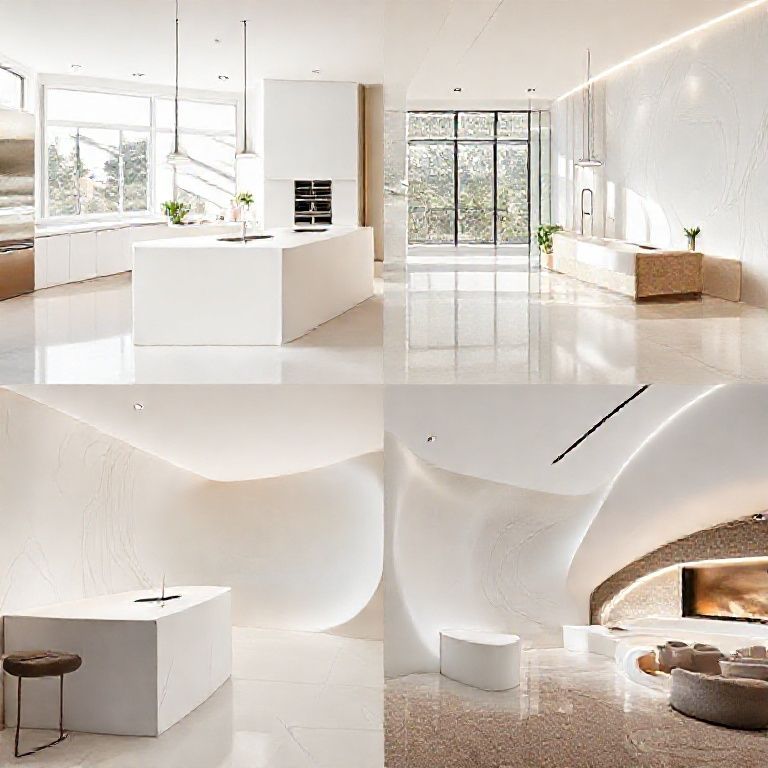
Marble’s versatility allows it to be used in a wide range of innovative design applications. From sleek, minimalist interiors to elaborate, ornate exteriors, marble can be tailored to meet diverse aesthetic needs. Architects are experimenting with marble’s unique properties to create stunning architectural features, such as curved walls, intricate facades, and dynamic sculptures.
3. Customization
The demand for customized marble solutions has been on the rise. Clients often seek unique marble pieces that reflect their personal style and preferences. Marble craftsmen and designers are leveraging advanced technology to create custom-cut pieces, bespoke sculptures, and intricate mosaics, ensuring that each piece of marble tells a unique story.
The Economic Value of Marble: Investment and Returns
Investing in marble is not just about its immediate aesthetic appeal; it also offers long-term economic benefits. High-quality marble is a durable and long-lasting material, which means it requires less maintenance and replacement over time. This durability translates into significant cost savings for homeowners and businesses.
1. Longevity and Durability
Marble’s durability makes it a highly reliable choice for various applications. Unlike other materials that may require frequent replacement or maintenance, marble can last for decades with minimal upkeep. This longevity ensures that the initial investment in marble yields long-term returns.
2. Aesthetic Appreciation
Marble’s timeless elegance enhances the aesthetic value of any space. As a result, homes and buildings adorned with marble often appreciate in value over time. This appreciation can be particularly significant in luxury real estate markets, where marble is a hallmark of high-end design.
3. Maintenance and Care
While marble is durable, it does require proper maintenance to maintain its beauty and longevity. Regular cleaning and sealing can prevent stains and scratches, ensuring that the marble retains its luster and structural integrity. Although this adds a small ongoing cost, it is a small price to pay for the enduring beauty of marble.
The Price of Marble per Kilogram: A Detailed Analysis
As we delve deeper into the price of marble per kilogram, it is essential to understand the various elements that contribute to its cost. This comprehensive analysis will provide you with a clear picture of the factors that influence marble pricing, allowing you to make informed decisions when selecting this exquisite material for your projects.
1. Geological Origin: A Global Perspective
The geological origin of marble is one of the most significant factors in determining its price per kilogram. Different regions around the world are renowned for producing marble of varying qualities, each with its unique characteristics.
Carrara, Italy: Often regarded as the epitome of marble, Carrara marble is known for its fine-grained texture and rich color palette, ranging from pure white to deep gray. The marble from this region is highly sought after for high-end applications, such as sculptures, fountains, and architectural features. The price of Carrara marble per kilogram can range from $10 to $50, depending on the specific variety and quality.
Greece: Greek marble, particularly from the island of Paros, is celebrated for its unique patterns and vibrant colors. The marble from this region is often used in both interior and exterior applications. The price of Greek marble per kilogram typically ranges from $5 to $25, depending on the type and finish.
Turkey: Turkish marble, especially from the cities of Antalya and Konya, offers a diverse range of colors and patterns. This marble is favored for its durability and aesthetic appeal. The price of Turkish marble per kilogram usually falls between $3 and $20, making it a popular choice for both residential and commercial projects.
India: Indian marble, particularly from the regions of Jaipur and Ratnagiri, is known for its intricate patterns and vibrant colors. This marble is often used in flooring, countertops, and decorative elements. The price of Indian marble per kilogram ranges from $2 to $15, providing an affordable option for various applications.
2. Color and Pattern: The Elegance of Diversity
The color and pattern of marble are crucial in determining its value. Marble with unique and rare colors or intricate veining patterns is generally more expensive. Here’s a closer look at how these factors influence the price per kilogram.
White Marble: White marble is highly prized for its purity and classic elegance. Marbles with a uniform white color, such as Carrara, tend to be more expensive due to their consistency and timeless appeal. The price of white marble per kilogram can range from $5 to $30, depending on the quality and origin.
Colored Marble: Marbles with vibrant and unique colors, such as pink, green, or blue, are often more valuable. The rarity and beauty of these colors make them highly sought after. The price of colored marble per kilogram can range from $10 to $50, depending on the specific variety and pattern.
Patterned Marble: Marbles with intricate and unique patterns are often used for high-end projects. The complexity and beauty of these patterns drive up the price. The price of patterned marble per kilogram can range from $15 to $60, depending on the intricacy and rarity of the pattern.
3. Purity和一致性:
Purity and Consistency:
纯度和一致性:
纯度和一致性是评估大理石价格的重要因素之一。高质量的大理石应该具有较少的杂质和更一致的粒状。高纯度和一致性的大理石在耐久性和美观性方面都表现出色。这意味着它们更能经受住日常磨损和维护,同时保持一致的外观和质感。
高纯度和一致性的大理石通常更昂贵,因为它们在开采、切割和完成过程中需要更多的精细工艺和控制。这些特点使得大理石在高端项目中成为首选。
4. 加工和表面处理:
Processing and Finishing:
加工和表面处理对大理石的成本也有显著影响。大理石的切割、打磨和抛光等步骤需要高度的技术和技巧。复杂的切割和精细的表面处理会增加成本。
例如,要制作出精美的雕塑或者大型的地板,需要进行复杂的切割和多次打磨。这些额外的步骤会导致每公斤的价格上升。不同的表面处理方法,如高光抛光、磨砂处理或特殊的防水涂层,也会影响最终的价格。
5. 市场需求和供应:
Market Demand and Supply:
大理石的价格还受市场需求和供应的影响。在需求量大且供应有限的地区,大理石的价格可能会上涨。例如,在全球高端建筑和装饰市场,大理石的需求量大,而供应相对有限,这就导致了其价格的提升。
反之,在供应量大于需求的地区,大理石的价格可能会下降。这种市场供需关系在全球范围内波动,因此大理石的价格也会随之变化。
6. 运输成本:
Transportation Costs:
大理石的采石场地点也直接影响其运输成本。如果大理石需要从远距离运输,这将增加燃料费用、人工成本和其他物流费用。这些额外的运输成本通常会反映在每公斤的价格中。
例如,从意大利运到北美市场的大理石,其运输成本通常比在意大利国内销售的大理石更高。这种额外的成本会增加最终的价格,使得在某些市场中,大理石的价格更高。
总结
Summary:
大理石的每公斤价格是一个复杂而多变的指标,受到多种因素的影响。从其地质起源、颜色和图案到纯度、一致性、加工和表面处理,再到市场需求和供应、运输成本,每一个因素都在决定最终的价格。
了解这些因素,可以帮助你在选择大理石时做出更明智的决策,确保你的项目既满足美学需求,又符合预算要求。
无论你是建筑设计师、建筑商还是普通消费者,这些知识都能为你提供有价值的洞察,帮助你在大理石市场中做出最佳选择。
希望这篇文章对你有所帮助,如果你有任何问题或需要进一步的信息,请随时联系。