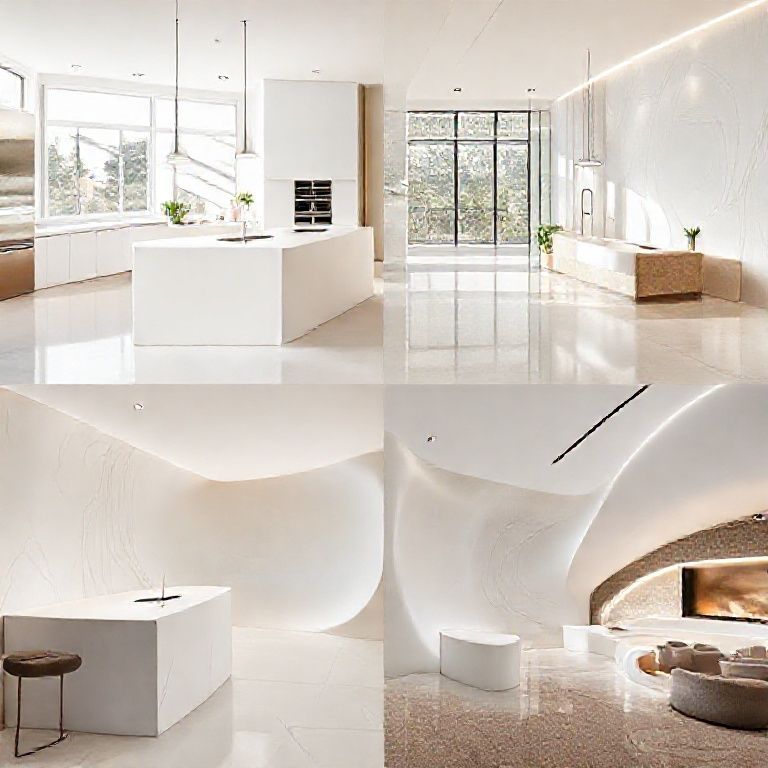
The Advantages of Artificial Marble
Introduction: Artificial marble has emerged as a revolutionary material in both residential and commercial spaces, offering a blend of beauty, durability, and versatility. As a composite material made primarily from limestone, quartz, and other natural minerals, artificial marble mimics the elegance of natural stone while providing additional benefits. This first part delves into the numerous advantages of artificial marble, ranging from its aesthetic appeal to its practical functionalities.

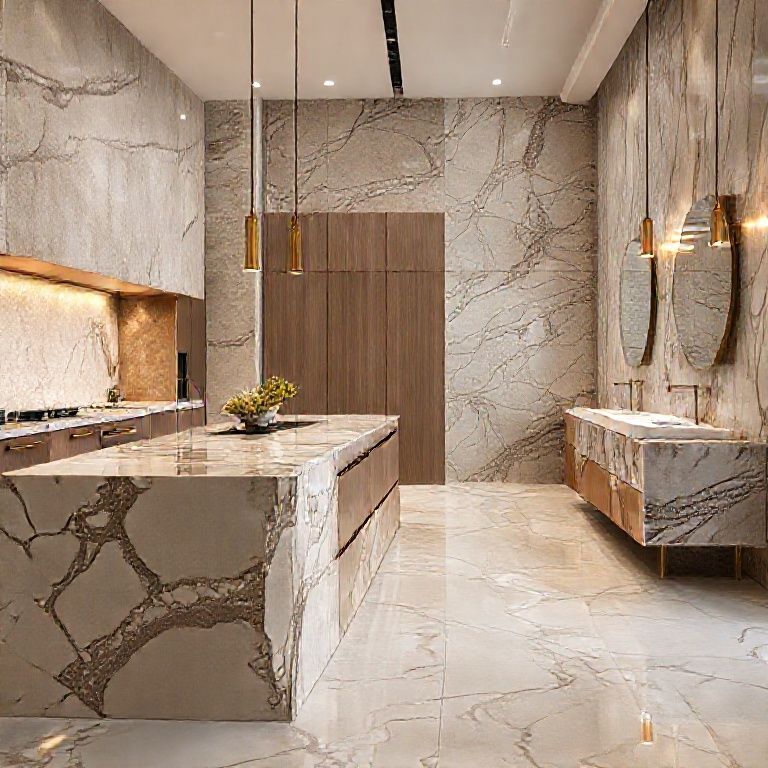
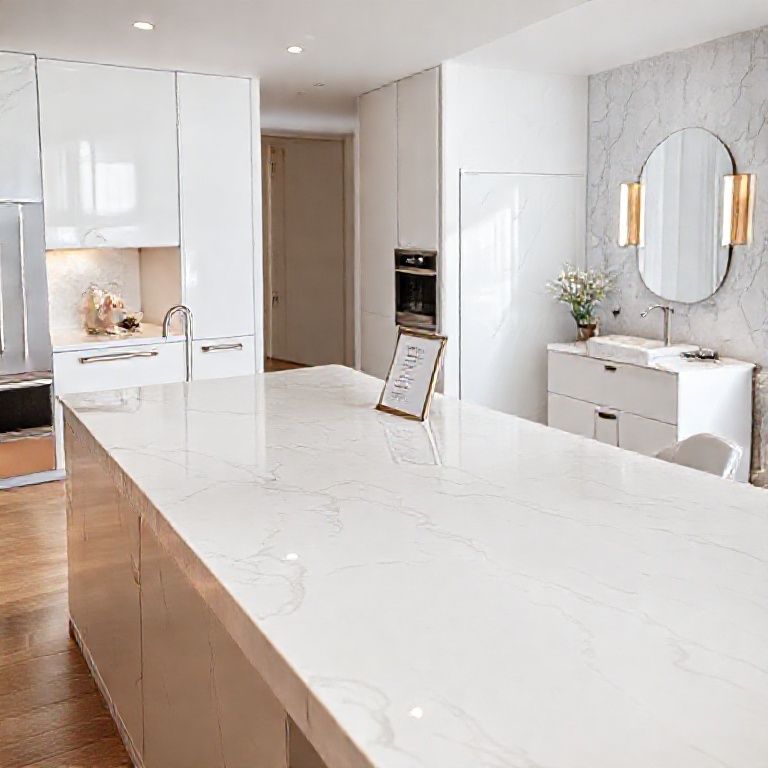
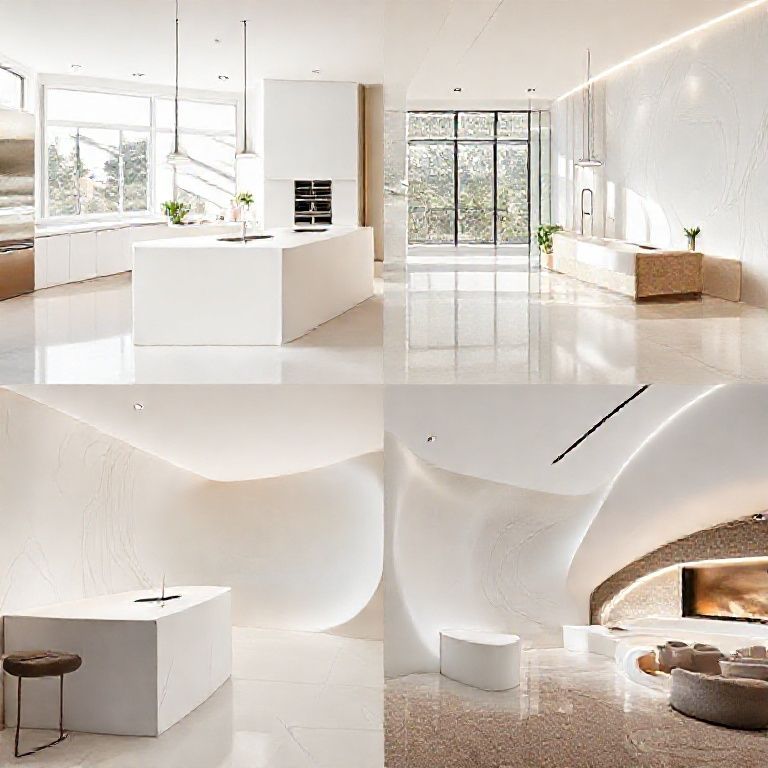
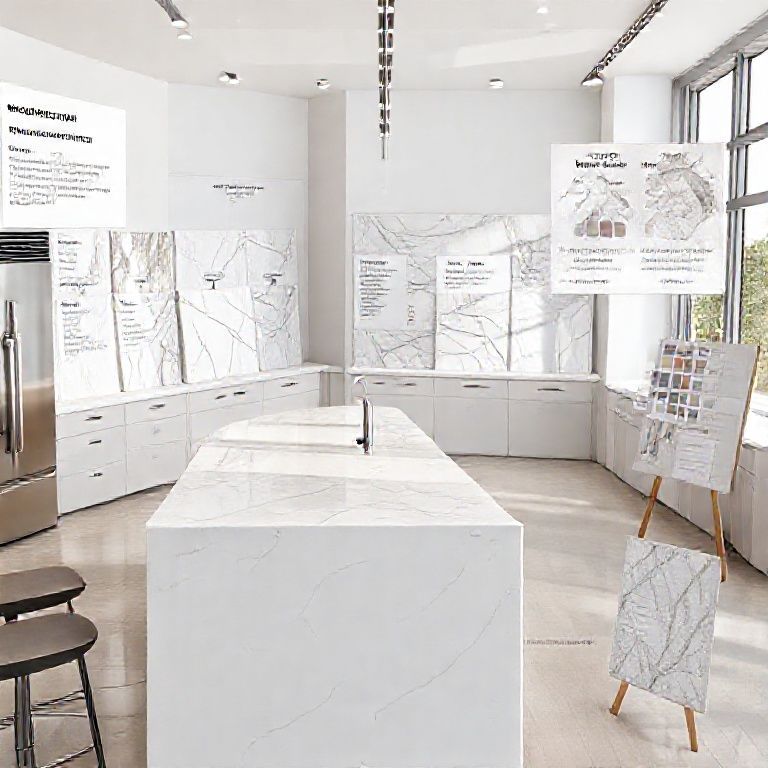
1. Aesthetic Appeal: Artificial marble is renowned for its stunning visual appeal, closely resembling the classic beauty of natural marble. The intricate veining and unique patterns in artificial marble can create a luxurious, elegant ambiance in any space. It offers a variety of colors and finishes, allowing designers and homeowners to select options that perfectly match their desired aesthetic. Whether you’re looking for a timeless white, a rich black, or a vibrant hue, artificial marble provides a versatile palette that can enhance the beauty of any interior or exterior space.
2. Durability and Strength: One of the standout benefits of artificial marble is its remarkable durability. Unlike natural marble, which can be susceptible to scratches, chips, and etchings, artificial marble is engineered to withstand these challenges. It boasts a high level of hardness, making it an excellent choice for high-traffic areas where wear and tear are a concern. Additionally, artificial marble is less likely to absorb stains and liquids, reducing the need for frequent cleaning and maintenance.
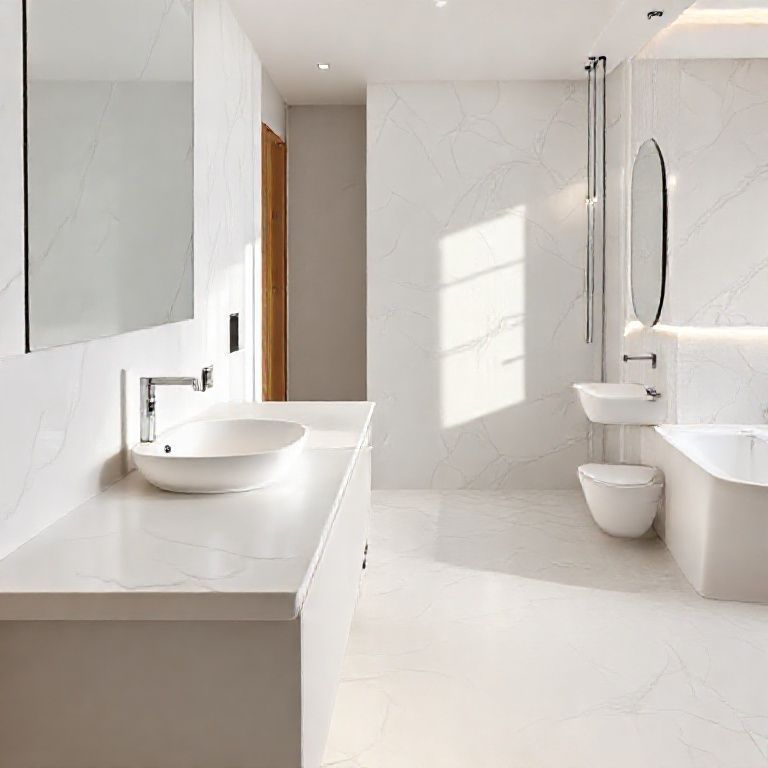
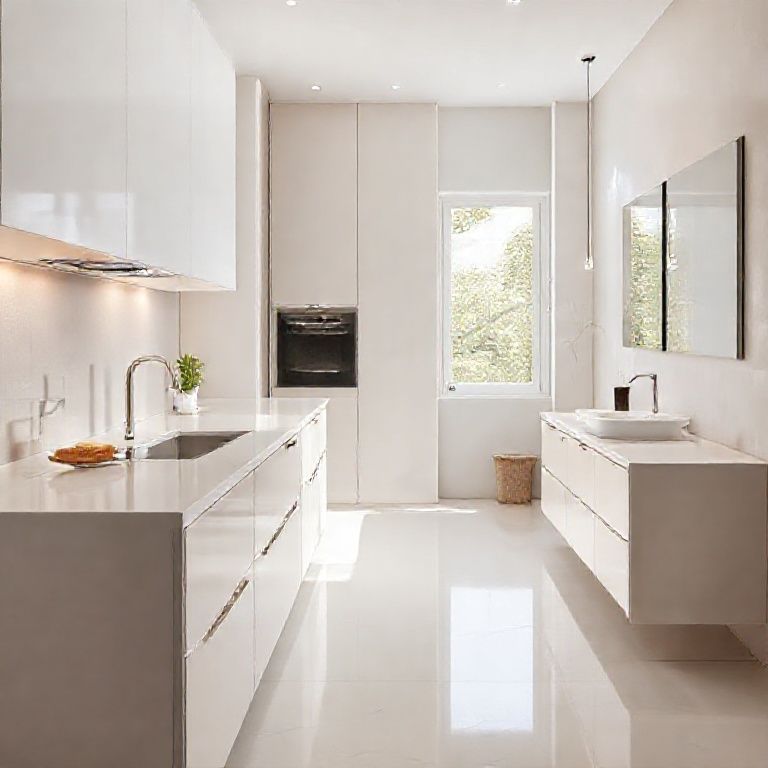
3. Water Resistance: Artificial marble is inherently water-resistant, making it an ideal choice for areas exposed to moisture. Whether it’s kitchen countertops, bathroom vanities, or outdoor features, artificial marble can handle water exposure without the risk of warping, discoloration, or mold growth. This feature is particularly advantageous in environments where water is a frequent presence, ensuring longevity and maintaining the material’s pristine appearance.
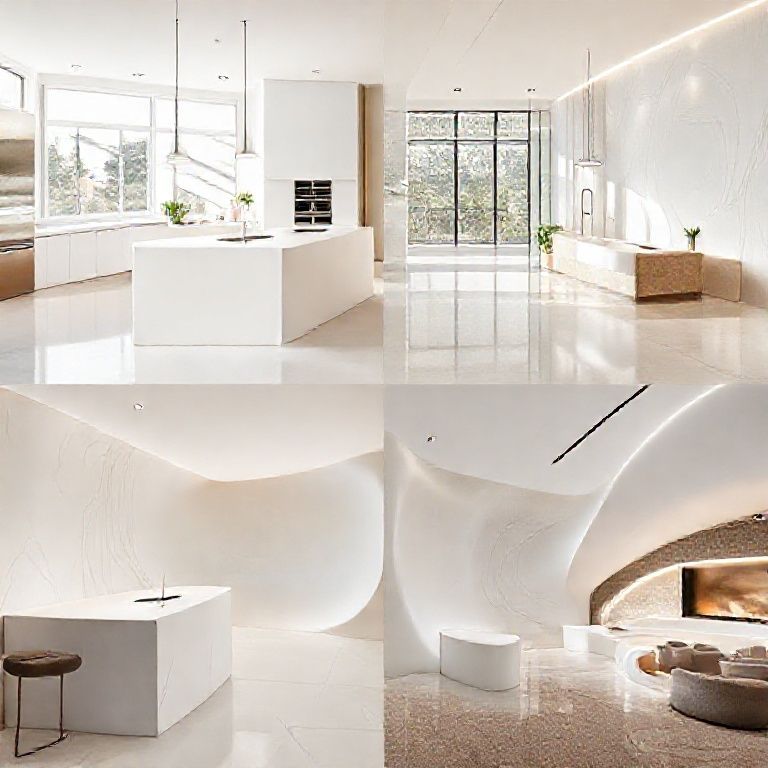
4. Low Maintenance: Artificial marble requires minimal maintenance, which is one of its most appealing characteristics for busy individuals and property owners. Unlike natural stone that may need regular sealing to protect against stains and etchings, artificial marble’s surface is generally self-cleaning. A simple wipe with a damp cloth and mild detergent is often sufficient to keep it looking pristine. This low-maintenance nature translates to significant time and cost savings in the long run.
5. Cost-Effectiveness: While the initial cost of artificial marble can be higher than some other materials, its overall cost-effectiveness becomes apparent over time. The durability and low maintenance requirements mean that artificial marble can last for decades without the need for expensive repairs or replacements. Additionally, the wide range of design options and customization available can help you find a product that fits your budget while still delivering exceptional quality.
6. Versatility in Applications: Artificial marble’s versatility makes it suitable for a wide array of applications. It can be used for countertops, sinks, sinks, tiles, fountains, and even large architectural features. Its ability to mold into various forms and sizes allows for creative and innovative designs that can complement any architectural style. Whether it’s a sleek, modern kitchen or an ornate, classical dining room, artificial marble can seamlessly integrate into diverse settings.
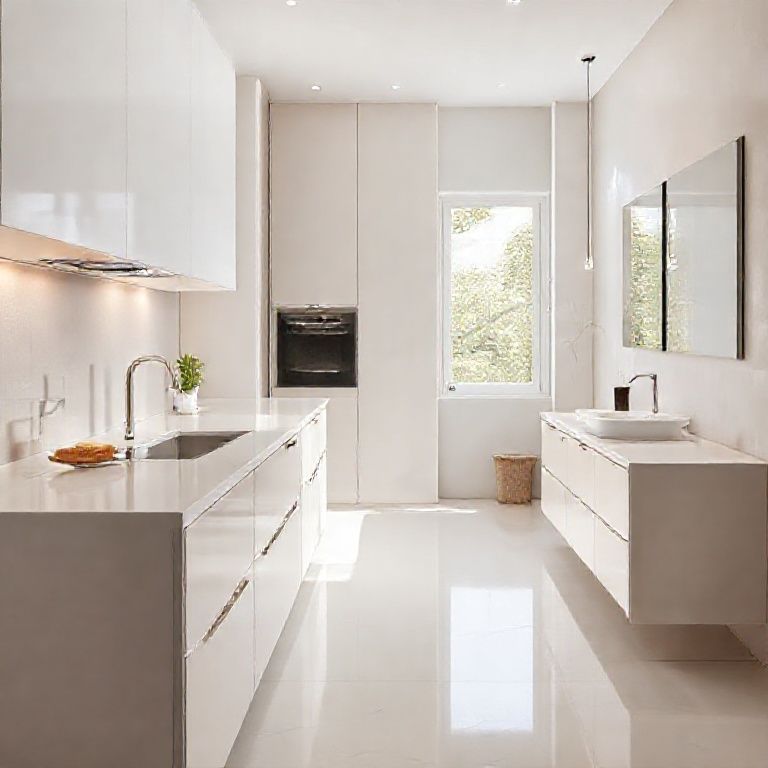
7. Environmental Considerations: Artificial marble is an environmentally friendly alternative to natural stone. The production process for artificial marble involves fewer emissions and less resource extraction compared to mining natural marble. Additionally, since it doesn’t require the use of harsh chemicals typically involved in treating natural stone, it presents a more sustainable choice for eco-conscious consumers.
Conclusion: The advantages of artificial marble are compelling, offering a perfect blend of aesthetic appeal, durability, and practicality. Its visual elegance, coupled with its resilience and low maintenance requirements, make it an ideal choice for both residential and commercial spaces. The versatility, cost-effectiveness, and environmental benefits further enhance its appeal, making artificial marble a highly attractive option for those seeking a luxurious yet practical material.
The Drawbacks of Artificial Marble
Introduction: While artificial marble boasts numerous benefits, it is essential to consider its limitations to make an informed decision. This second part explores the potential drawbacks of artificial marble, including its susceptibility to certain types of damage, cost considerations, and specific installation challenges. By understanding these cons, you can better evaluate whether artificial marble is the right choice for your specific needs.
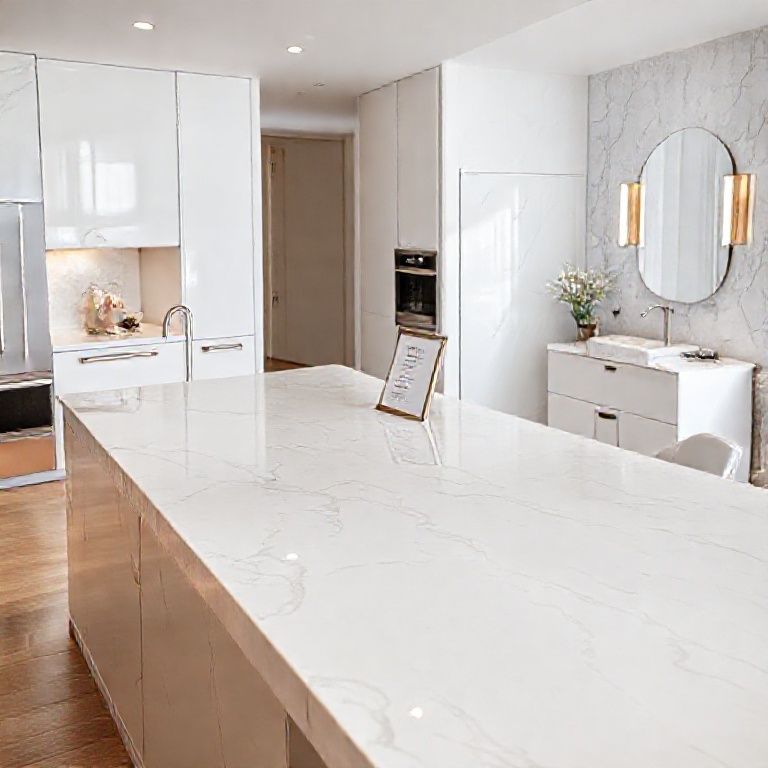
1. Heat Sensitivity: One of the most significant drawbacks of artificial marble is its sensitivity to high temperatures. Unlike natural stone, which can withstand prolonged exposure to heat, artificial marble can warp or crack when exposed to extreme heat sources such as open flames, hot pots, or direct exposure to the sun on outdoor installations. This vulnerability necessitates careful placement and protection of artificial marble surfaces to prevent potential damage.
2. Limited Customization: While artificial marble offers a wide range of colors and finishes, the level of customization available is generally more limited compared to natural marble. The manufacturing process for artificial marble is standardized, resulting in less flexibility to achieve highly unique or bespoke designs. For those seeking a truly one-of-a-kind custom look, natural marble or other materials may provide more options.
3. Higher Initial Cost: Although artificial marble is cost-effective over the long term due to its durability and low maintenance, the initial cost can be higher than many other materials. The production of artificial marble involves advanced manufacturing techniques and high-quality materials, which translates to a premium price. Budget-conscious consumers may find the upfront investment challenging, although it’s important to weigh this against the long-term savings and benefits.
4. Installation Challenges: Artificial marble can present specific challenges during installation, particularly when compared to natural stone. The process of cutting and fitting artificial marble to fit a space can be more complex due to its material properties. Professionals may need specialized tools and techniques to achieve precise cuts and seamless installations. Additionally, the weight of artificial marble can be substantial, requiring careful handling and potentially additional support during installation.
5. Surface Damage: While artificial marble is more resistant to stains and water than natural stone, it is not entirely impervious. Abrasive objects, such as sharp knives or metal utensils, can scratch or gouge the surface of artificial marble. This type of damage can be difficult to repair and may require professional intervention to restore the surface to its original condition. To maintain the integrity of the material, it’s crucial to avoid using abrasive tools on artificial marble surfaces.
6. Potential for Surface Imperfections: Although artificial marble can mimic the natural beauty of marble very closely, it is not immune to surface imperfections. During the manufacturing process, tiny air bubbles, minor discolorations, or slight inconsistencies can occur. While these imperfections are generally minimal and may not be noticeable to the untrained eye, they can be a concern for those seeking a flawless finish. High-quality manufacturers strive to minimize these issues, but it’s something to consider during the selection process.
7. Environmental Impact Concerns: Despite being an environmentally friendly alternative to natural stone, the production of artificial marble still involves certain environmental impacts. The manufacturing process can generate waste and emissions, although typically at a lower level than mining natural stone. Additionally, the longevity of artificial marble plays a role in its environmental footprint. If artificial marble is not used for its full lifespan or is disposed of improperly, it can contribute to waste. Consumers should consider the entire lifecycle of the material, from production to disposal, to make a truly sustainable choice.
Conclusion: While artificial marble offers a host of benefits that make it an attractive choice for many, it’s important to acknowledge its potential drawbacks. The material’s sensitivity to heat, limited customization, higher initial cost, installation challenges, susceptibility to surface damage, potential for imperfections, and environmental impact concerns are all factors to consider. By weighing these cons alongside the pros, you can make a well-informed decision that aligns with your specific needs, preferences, and budget. Artificial marble remains a compelling option for those seeking a luxurious, durable, and low-maintenance material, but a thorough understanding of its limitations is essential for optimal use.