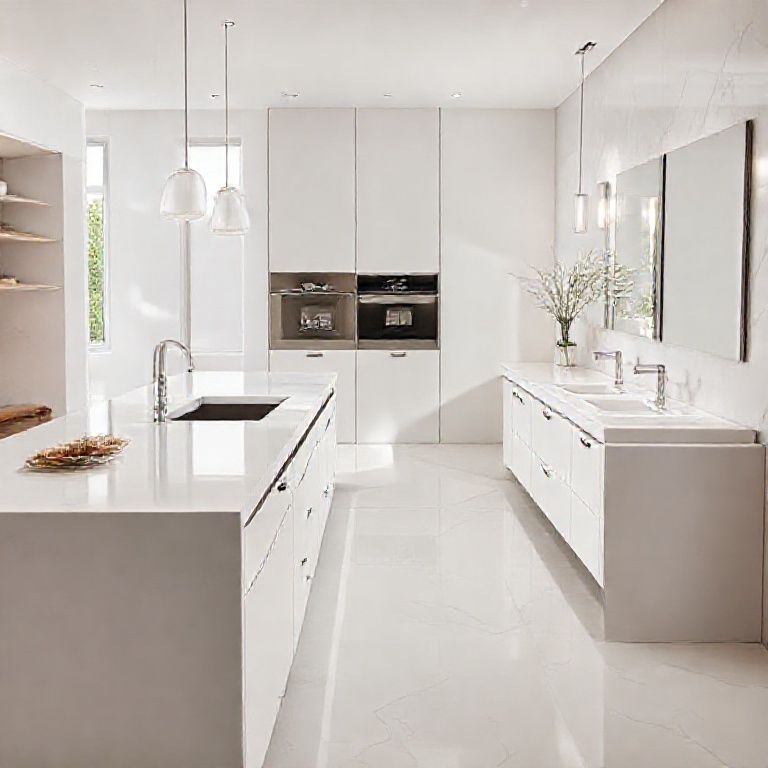
The Allure and Composition of Artificial Stone Countertops
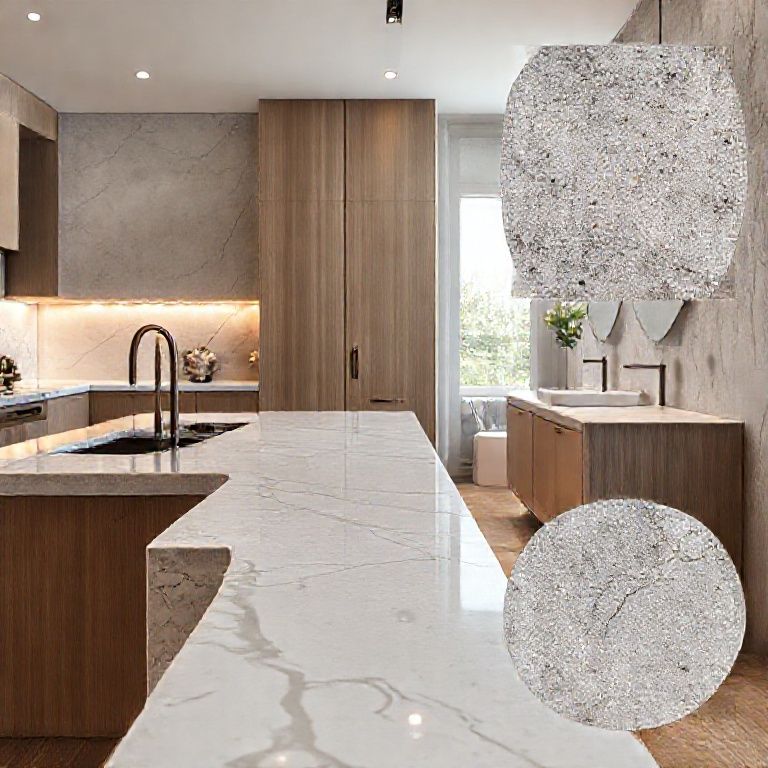
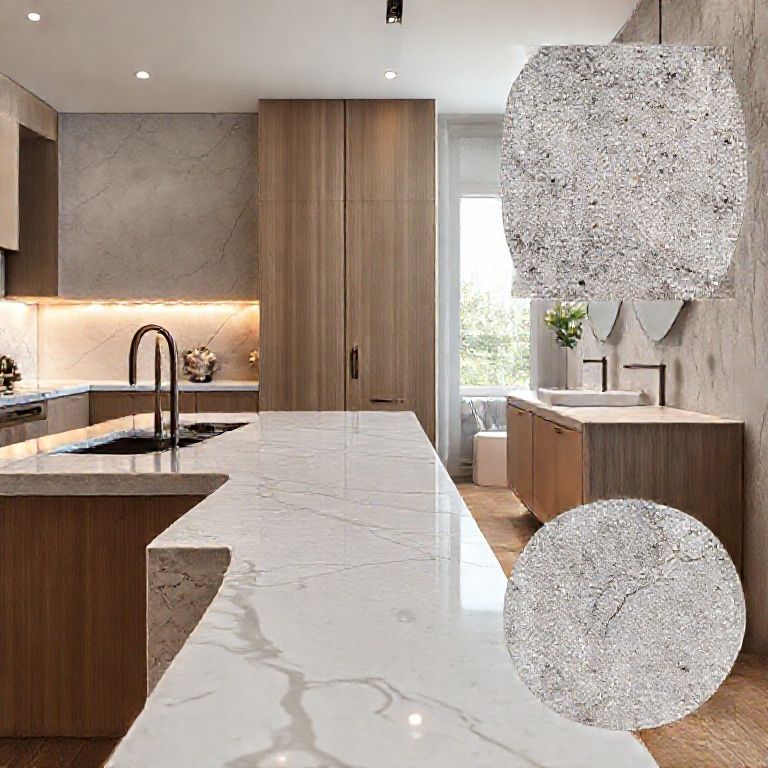
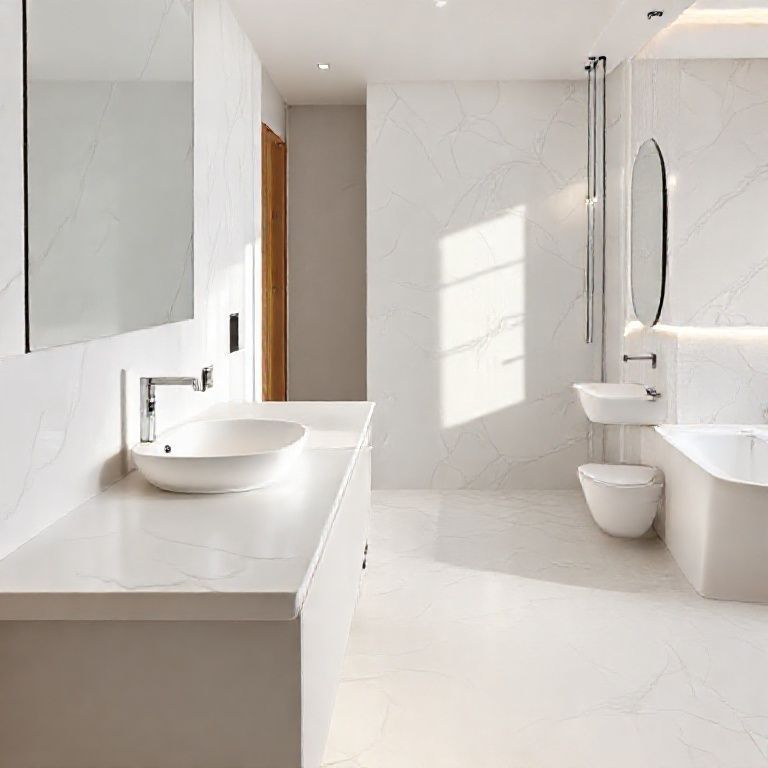
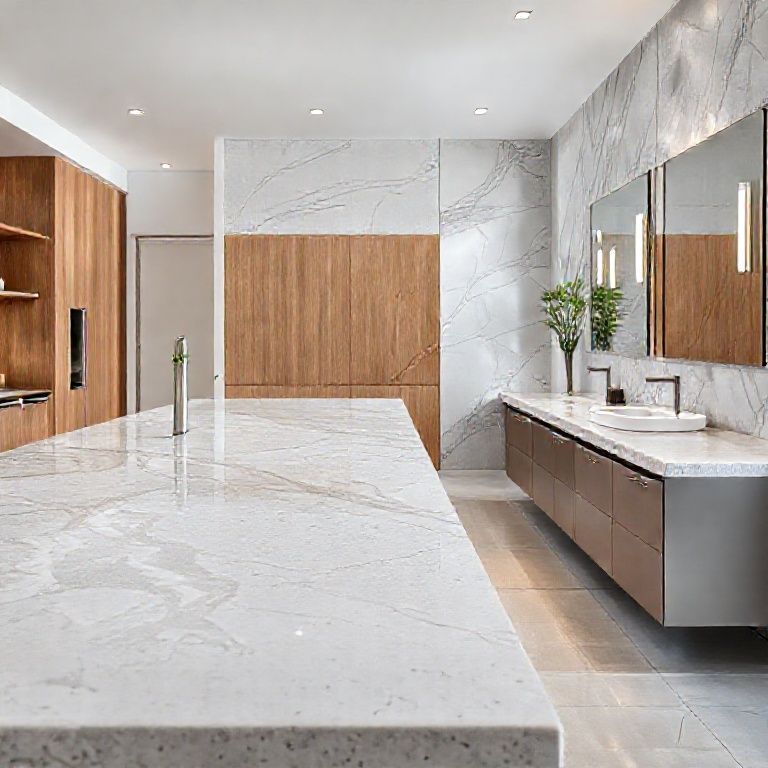
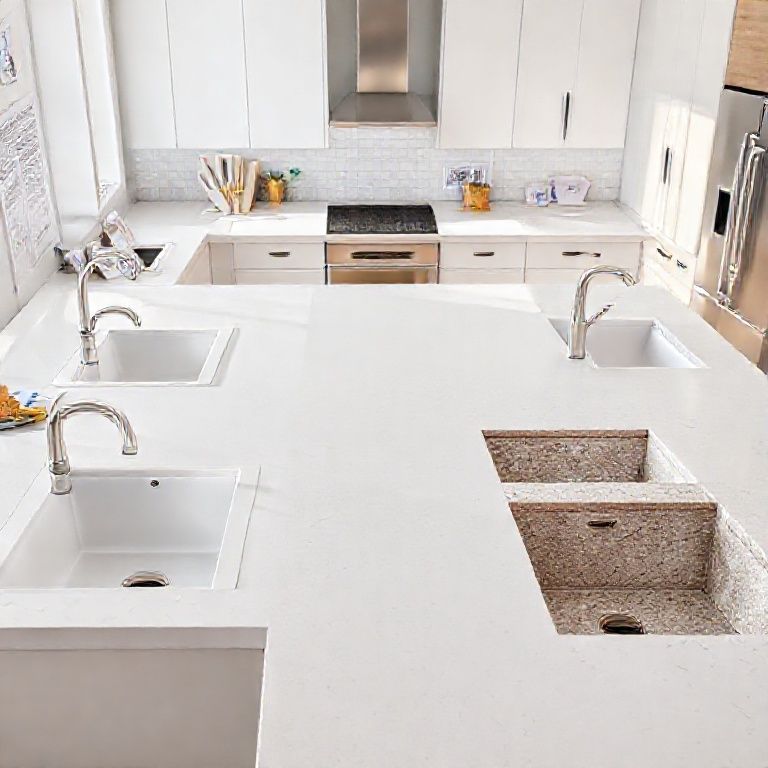
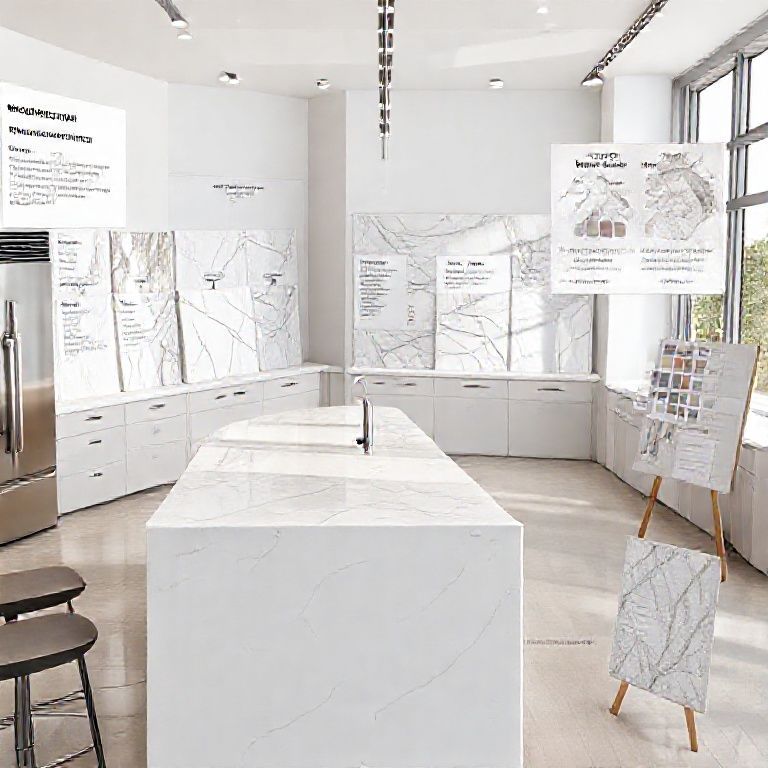
Artificial stone countertops have emerged as a popular choice for modern kitchens and bathrooms, thanks to their stunning aesthetic appeal, durability, and low maintenance. Unlike traditional granite or marble, these countertops are crafted from a blend of natural stone powders, resins, and pigments. Let’s explore the allure, composition, and benefits of these modern marvels while addressing the radiation concerns that often arise.
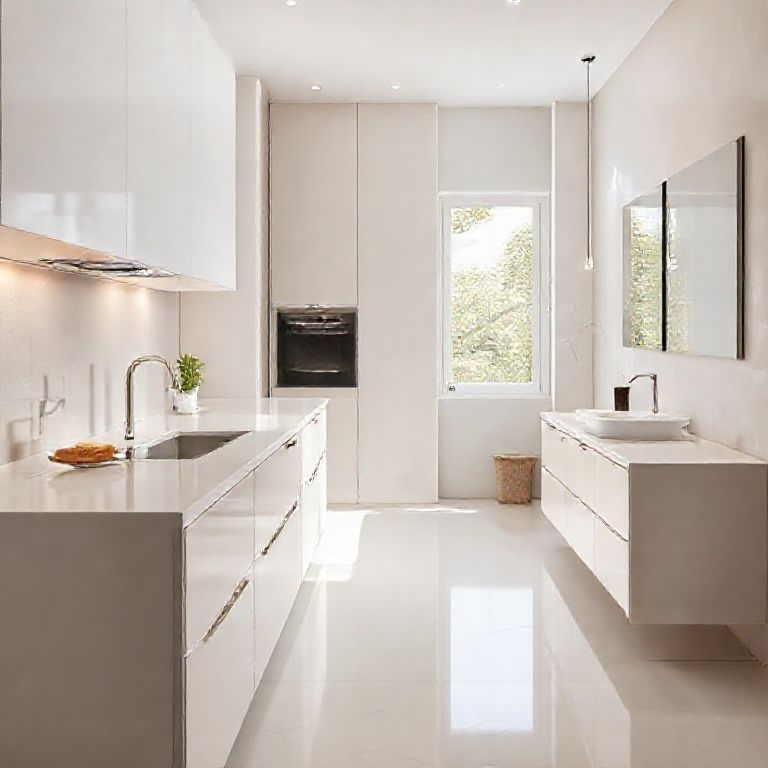
The Composition of Artificial Stone
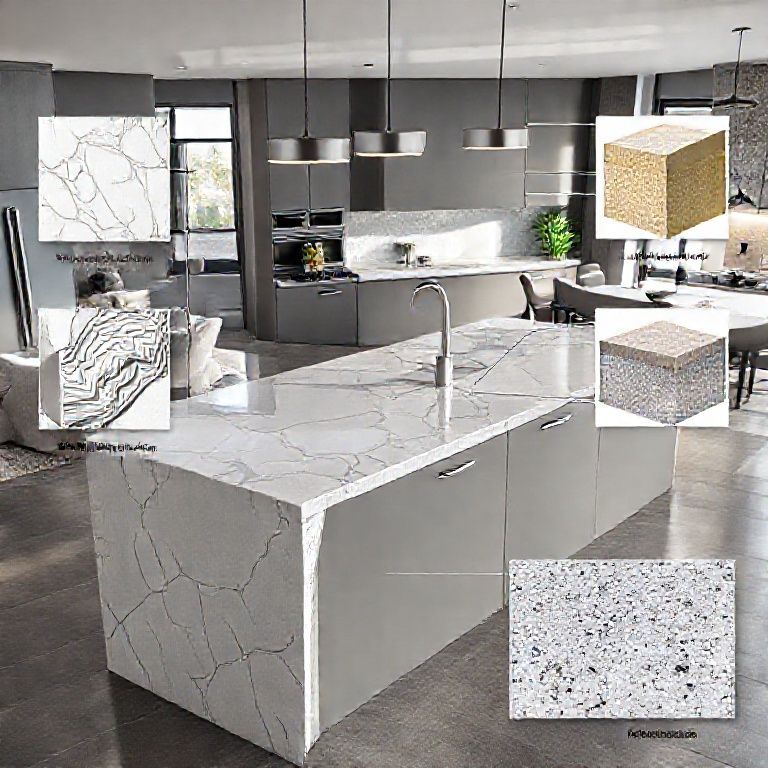
Artificial stone, often referred to as quartz, is made from a combination of natural stone powders, typically quartz, and a polymer resin. This unique blend is compressed and cured under high pressure to form a solid, monolithic slab. The process involves mixing the stone powder with a polymer resin and other additives, which is then poured into a mold and subjected to high pressure and temperature. Once cured, the slab is cut into various sizes and shapes to fit different countertop needs.
Key Components:
Quartz Powder: The primary component of artificial stone, quartz powder gives it a natural stone look and feel. Resin: A polymer resin is used to bind the quartz powder together, providing strength and durability. Pigments: Colors and designs are achieved through pigments that are mixed into the resin before it is poured into molds.
Benefits of Artificial Stone Countertops
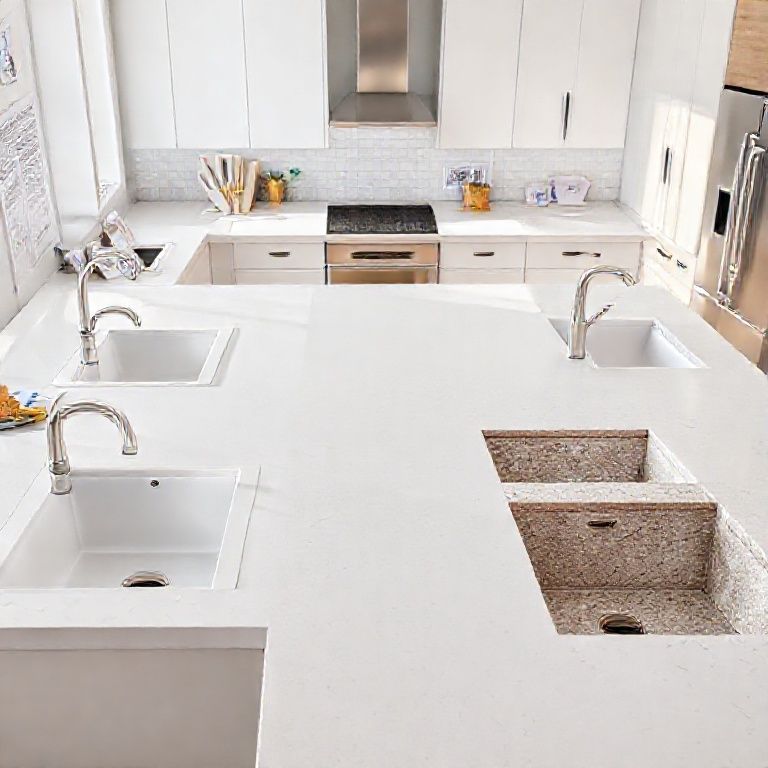
Aesthetic Versatility: Artificial stone countertops come in a wide array of colors and textures, allowing for a high degree of customization to match any decor style. Durability: Unlike natural stone, artificial stone is not prone to scratches, chips, or stains. It is also resistant to thermal shock, making it a great choice for kitchens. Maintenance: Artificial stone requires minimal maintenance. A simple wipe with a damp cloth suffices to keep it looking pristine. Cost-Effective: Generally, artificial stone countertops are more affordable than their natural stone counterparts, offering a cost-effective solution without compromising on style.
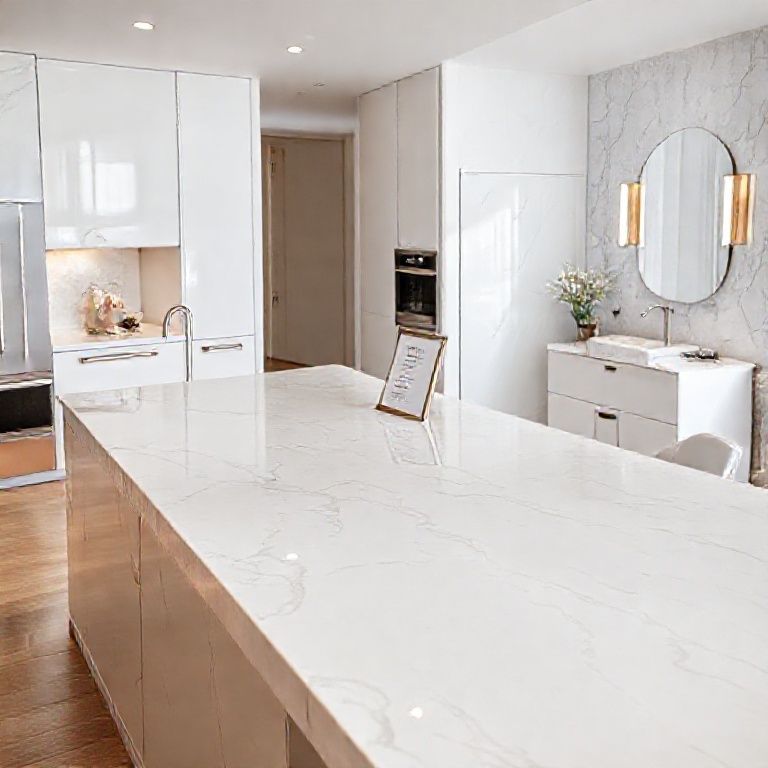
The Radiation Concern: What You Need to Know
While the benefits of artificial stone countertops are numerous, one concern that frequently arises is whether these materials emit radiation. To address this concern, it is crucial to understand how radiation works and what types of radiation artificial stone might be subject to.
Understanding Radiation
Radiation can be broadly categorized into two types: ionizing and non-ionizing. Ionizing radiation has enough energy to remove tightly bound electrons from atoms, which can lead to cellular damage. Examples include X-rays and gamma rays. Non-ionizing radiation, such as visible light, ultraviolet (UV) rays, and radio waves, does not have enough energy to ionize atoms or molecules.
Artificial Stone and Radiation
Manufacturing Process: The process of creating artificial stone involves heating and pressure, but these processes do not generate ionizing radiation. The resins used are typically low-energy compounds that do not emit harmful radiation once cured. Material Composition: The primary components of artificial stone—quartz powder and polymer resin—are not known to emit ionizing radiation. Quartz is a naturally occurring mineral, and polymer resins used in the manufacturing process are engineered to be safe for use in consumer products. Safety Standards: Artificial stone countertops undergo rigorous testing to meet safety standards. Organizations such as the American National Standards Institute (ANSI) and the International Organization for Standardization (ISO) ensure that these products comply with health and safety regulations.
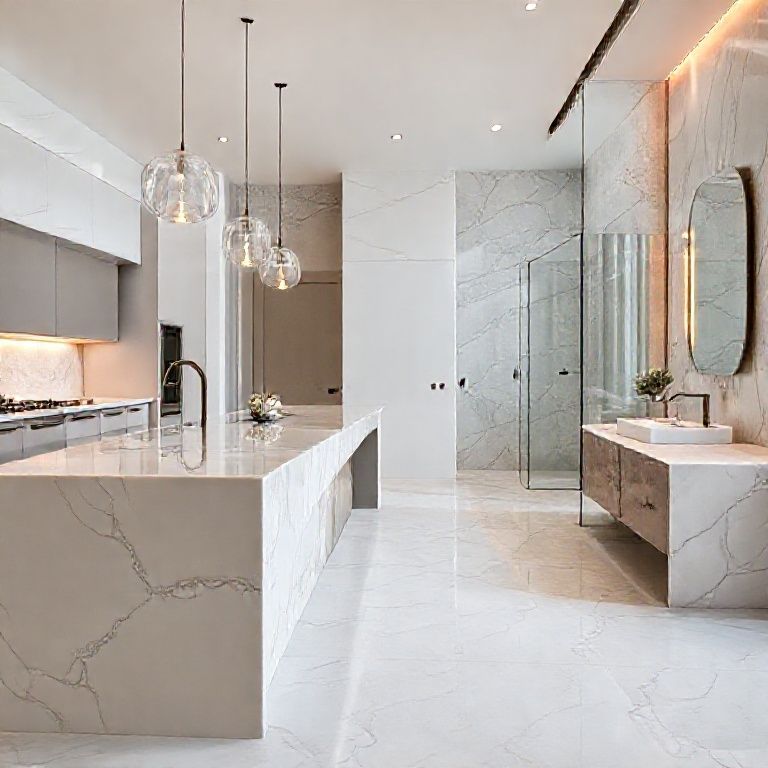
Addressing Concerns:
To further alleviate concerns about radiation, many manufacturers of artificial stone countertops provide certificates of compliance from independent testing labs. These certificates confirm that the products meet or exceed safety standards and do not emit harmful levels of radiation.
Conclusion:
Artificial stone countertops are a remarkable advancement in home improvement, offering a blend of beauty, durability, and ease of maintenance. While concerns about radiation are valid, they are largely unfounded. Through a comprehensive understanding of the material’s composition and manufacturing process, it is clear that artificial stone countertops are a safe choice for your kitchen and bathroom.
Stay tuned for part two, where we will continue to explore more about the safety, environmental impact, and long-term benefits of artificial stone countertops.
Long-term Benefits and Environmental Impact of Artificial Stone Countertops
In the previous part, we explored the composition and safety of artificial stone countertops concerning radiation concerns. Now, let’s delve into the long-term benefits, environmental impact, and sustainability of these modern marvels. This comprehensive second part will help you understand why artificial stone is not just a contemporary choice but also a forward-thinking one.
Long-term Benefits of Artificial Stone Countertops
Durability and Longevity
Artificial stone countertops are designed to last. The high-pressure curing process ensures that the material is exceptionally strong and resistant to everyday wear and tear. Unlike natural stone, which can develop chips, cracks, and stains over time, artificial stone maintains its integrity and appearance for many years.
Resistance to Stains and Bacteria
One of the standout features of artificial stone is its resistance to stains. The smooth, non-porous surface of artificial stone makes it easy to clean and sanitize, reducing the risk of bacterial growth. This is particularly beneficial in kitchens and bathrooms where hygiene is paramount.
Low Maintenance
Artificial stone requires minimal upkeep. A simple wipe with a mild cleaner or a damp cloth suffices to keep it looking pristine. This low-maintenance characteristic saves time and effort, allowing homeowners to enjoy their countertops without the burden of constant cleaning.
Versatility in Design
Artificial stone countertops offer endless design possibilities. The ability to customize colors, patterns, and textures allows homeowners to create unique and personalized spaces. Whether you prefer a classic look or a contemporary design, artificial stone can be tailored to suit your aesthetic preferences.
Environmental Impact and Sustainability
Reduced Waste
One of the significant advantages of artificial stone is its reduced environmental impact. Unlike natural stone, which requires the extraction and transportation of large quantities of raw materials, artificial stone is manufactured using a controlled process. This reduces waste and the environmental footprint associated with quarrying and transporting natural stone.
Energy Efficiency
The manufacturing process of artificial stone is energy-efficient compared to the processes required for natural stone. The curing process involves lower energy consumption and generates less carbon emissions. Additionally, the compacted nature of artificial stone means less material is needed to achieve the desired size and thickness, further contributing to its sustainability.
Recyclability
Artificial stone countertops are composed of materials that can be recycled. At the end of their lifespan, these countertops can be broken down and repurposed, reducing landfill waste and conserving natural resources. Many manufacturers are also exploring ways to make the recycling process more efficient and widespread.
Non-Toxic Materials
The materials used in artificial stone countertops are engineered to be non-toxic. The resins and pigments are formulated to minimize harmful emissions, ensuring that the countertops are safe for both the environment and your home. This is particularly important in indoor environments where air quality is a concern.
Health and Safety: Beyond Radiation Concerns
Formaldehyde Emissions
A common concern with many synthetic materials is the release of formaldehyde, a volatile organic compound (VOC) that can contribute to indoor air pollution. However, reputable manufacturers of artificial stone countertops use low-emission resins to ensure that formaldehyde levels remain within safe limits. Independent tests often confirm that these products meet or exceed industry standards for VOC emissions.
Allergen-Free
Artificial stone countertops are hypoallergenic, making them a suitable choice for individuals with allergies or respiratory issues. The smooth surface also means fewer dust particles compared to natural stone, reducing the risk of allergic reactions.
Non-Toxic
The non-toxic nature of artificial stone is another significant benefit. From the raw materials to the finished product, artificial stone is crafted to be safe for both the environment and the occupants of the home. This ensures that your kitchen and bathroom remain a healthy and safe space.
Conclusion:
Artificial stone countertops offer a compelling blend of beauty, durability, low maintenance, and sustainability. With their resistance to stains, bacteria, and wear, coupled with their minimal environmental impact, they stand out as a forward-thinking choice for modern homes. While radiation concerns are unfounded, the broader health and safety benefits of these countertops make them a wise and responsible choice.
By understanding the material composition, manufacturing process, and long-term benefits, you can confidently choose artificial stone countertops for your kitchen and bathroom. They not only enhance the当然,可以继续探讨关于人造石台面的更多方面。
安装和维护
安装 专业安装:由于人造石台面的重量和硬度,专业的安装非常重要。不正确的安装可能导致台面的剥落或台面与家具之间的不稳定。 预处理:在安装前,确保台面底部的表面清洁和干燥,并可能需要进行适当的预处理。 维护 日常清洁:每天使用后,用湿布或软刷轻轻擦拭。
避免使用强烈的化学清洁剂,这些可能会损害台面的表面。 修复损坏:小划痕和污渍可以使用专门的修复剂进行处理。对于更大的损坏,可能需要专业维修或更换。
风格和颜色选择
多样性:由于人造石的制作工艺,可以模拟各种天然石材的外观,如花岗岩、大理石和石英石等。还可以定制各种独特的颜色和纹理。
适应性:人造石的颜色和图案可以灵活地选择,以适应不同的室内设计风格,从现代简约到复古古典。
经济性
成本效益:虽然初始购置成本可能高于一些廉价材料,但人造石台面的耐用性和低维护特性使其在长期使用中更加经济。
市场价格:价格会因材质、设计复杂度和品牌等因素有所不同。一般来说,高端定制人造石台面的价格可能较高,但其质量和耐用性也相应更好。
环保和可持续性
环保材料:许多现代人造石台面使用环保材料制造,这些材料在生产过程中减少了有害排放物,并且在使用和维护过程中也不会释放有害化学物质。
可持续性:相比于天然石材,人造石的生产过程对环境的破坏较小。天然石材的开采对生态系统和环境造成了一定程度的破坏。
特殊用途
厨房和浴室:由于其耐污渍、耐热和耐湿性,人造石台面在厨房和浴室中的应用非常广泛。
办公室和商业空间:在办公室和商业空间中,人造石台面提供了高质量、易于清洁和维护的选择,适合各种高流量区域。
购买和品牌
品牌选择:市场上有许多知名品牌生产人造石台面,如Caesarstone、Quarrystone和Elysia等。选择信誉良好的品牌可以确保材料的质量和售后服务。
样品和咨询:在购买前,可以咨询专业人员或访问实体店铺,查看不同样品和进行详细咨询,以便做出最佳选择。
人造石台面因其美观、耐用、易于维护和环保等特点,在现代家居设计中越来越受欢迎。如果你正在考虑更换或安装台面,人造石是一个值得认真考虑的选择。