Understanding Artificial Marble and Its Composition
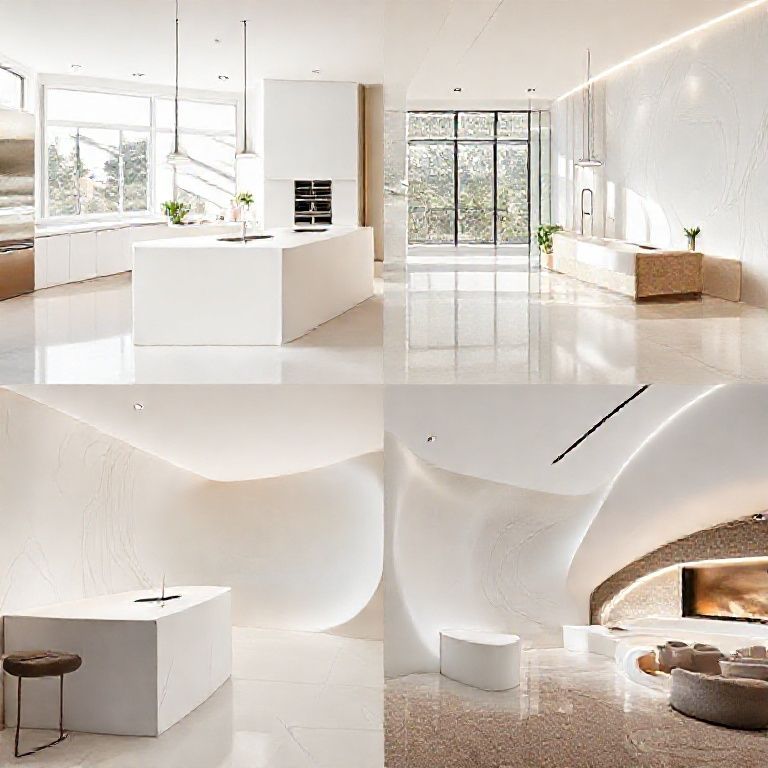
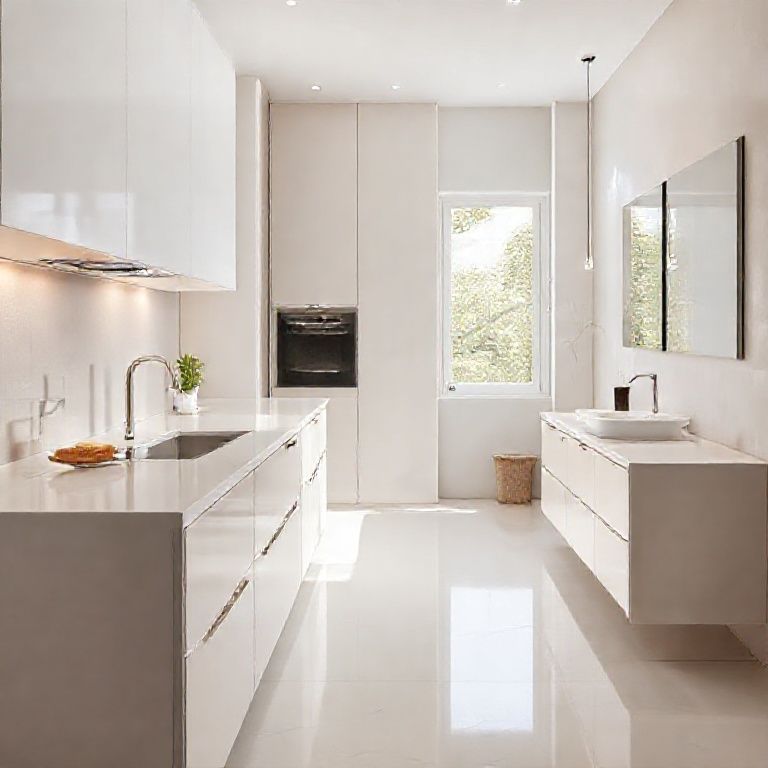
Artificial marble, also known as engineered stone, has revolutionized the world of countertop materials, offering a stunning, durable alternative to traditional natural stone. But as with any material that enters our homes, concerns about safety naturally arise. Specifically, the question of whether artificial marble has radiation that could be harmful to humans is one that deserves a detailed examination.

What is Artificial Marble?
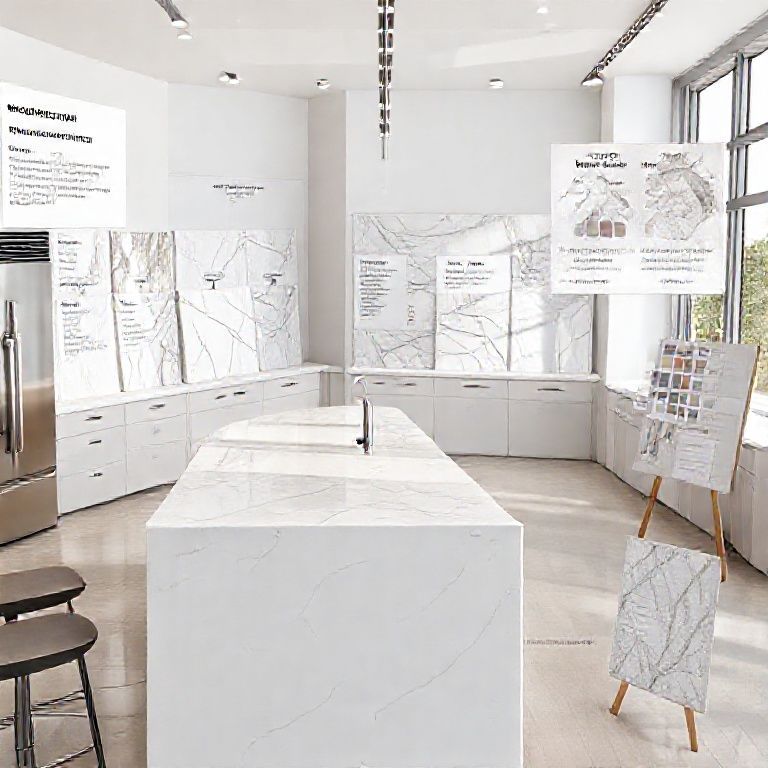
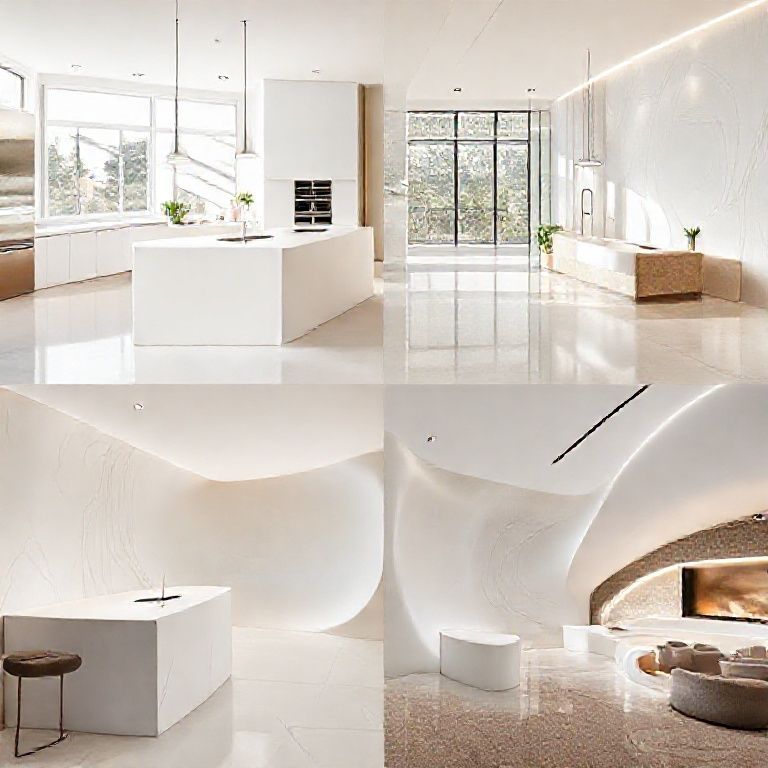
Artificial marble, or engineered stone, is a composite material made from a combination of natural stone powders and polymers. The process begins with selecting high-quality natural stone such as quartz, calcite, or feldspar. These stones are pulverized into fine powders and then mixed with a resin binder. The mixture is then pressed and cured under high pressure and temperature, resulting in a solid, monolithic material that closely resembles natural marble. The surface is often polished to achieve a luxurious, polished finish.
The Science Behind Artificial Marble
The primary components of artificial marble are:
Natural Stone Powders: These are the primary ingredients that give artificial marble its color and texture. Common examples include quartz, calcite, and feldspar.
Resin Binders: Polymers or resins act as the binding agents that hold the stone powders together. These are typically made from melamine, polyester, or polyurethane.
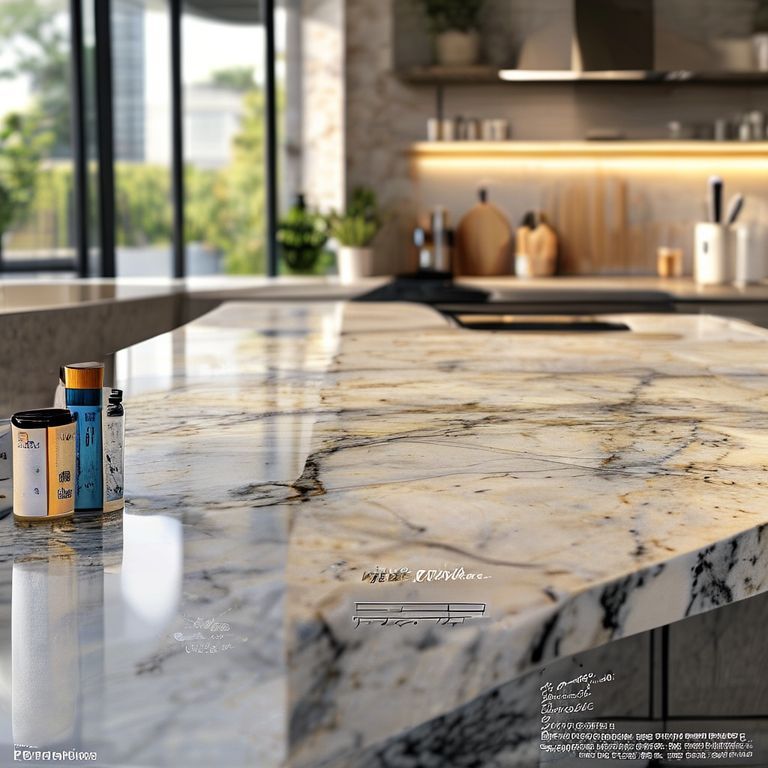
Colorants: To achieve a wide range of colors, various pigments are mixed into the material.
Radiation Concerns: What Are They?
Radiation concerns typically stem from misconceptions about the nature of artificial marble. It is essential to understand that artificial marble does not emit harmful radiation in the way that radioactive materials do. The primary fear often revolves around radon gas, which is a naturally occurring, radioactive gas that can emanate from certain types of natural stone and soil.
The Radon Issue: Clarifying Misconceptions
Radon gas is indeed a legitimate concern when it comes to natural stone countertops. Some natural stones, particularly those rich in uranium or thorium, can emit radon gas. However, artificial marble is a composite material, not a natural stone. It does not contain the same types of radioactive elements that could release radon gas.
Testing and Standards
Artificial marble undergoes rigorous testing to ensure safety and performance. The material is subject to various standards and certifications to confirm that it meets safety requirements:
ISO Certification: International Organization for Standardization (ISO) certifications ensure that the manufacturing process adheres to global standards.
European Union Standards: In Europe, artificial marble must comply with the European Standards (EN) to be sold.
US Safety Standards: In the United States, artificial marble is tested for compliance with the Consumer Product Safety Commission (CPSC) regulations.
Health and Safety Studies
Extensive studies have been conducted to evaluate the health impacts of artificial marble. These studies focus on:
Chemical Emissions: Artificial marble is tested for volatile organic compounds (VOCs) and other chemicals that might emit during the curing process. The production process is designed to minimize VOC emissions.
Microbial Contamination: Engineered stone is often found to be less prone to microbial growth compared to natural stone due to its non-porous nature.
Radiation Exposure: No credible evidence suggests that artificial marble emits harmful radiation. The components used in its creation are not radioactive.
Benefits of Artificial Marble
Durability: Artificial marble is incredibly hard and resistant to scratches, stains, and chips. It is often rated higher on the Mohs hardness scale than natural marble.
Low Maintenance: Unlike natural stone, artificial marble does not require sealing or frequent maintenance.
Affordability: Given its durability and lower maintenance, artificial marble is often more cost-effective over time compared to natural stone.
Conclusion for Part 1
In conclusion, artificial marble is a safe and reliable choice for modern countertops. It does not emit harmful radiation, and it is rigorously tested to meet international safety standards. As we continue our exploration in the next part, we will delve deeper into the environmental impact, sustainability, and additional benefits of using artificial marble in your home.
Environmental Impact, Sustainability, and Additional Benefits
In the previous part, we discussed the composition and safety of artificial marble, dispelling myths about radiation and highlighting its numerous benefits. In this part, we will explore the environmental impact and sustainability of artificial marble, addressing common concerns and emphasizing its advantages.
Environmental Impact of Artificial Marble
1. Manufacturing Process:
The production of artificial marble involves a series of processes that can have environmental impacts. However, advancements in manufacturing technology have significantly mitigated these effects:
Energy Consumption: The high-pressure and high-temperature curing process does require substantial energy. However, many manufacturers are adopting more energy-efficient practices.
Waste Reduction: The use of recycled stone powders and waste reduction practices in the manufacturing process help minimize environmental footprints.
2. Resource Utilization:
Artificial marble is composed of natural stone powders, which are abundant and renewable resources. Unlike the extraction of natural stone, the production of artificial marble does not involve the same level of environmental disruption:
Reduced Quarrying: The use of stone powders in artificial marble production reduces the need for large-scale quarrying, which can have significant ecological impacts.
Sustainable Sourcing: Many manufacturers source their stone powders from recycled materials, further enhancing sustainability.
Sustainability and Recycling
1. Longevity and Durability:
One of the most significant benefits of artificial marble is its durability. Because it is not prone to the same issues as natural stone (like chipping, staining, and bacterial growth), artificial marble offers a longer lifespan:
Reduced Replacement Frequency: The long-lasting nature of artificial marble means that it will likely last for decades, reducing the need for frequent replacements.
Low Maintenance: Minimal maintenance further reduces the environmental impact associated with cleaning and replacement.
2. Recycling Potential:
Artificial marble can be recycled at the end of its life cycle. Although recycling practices are not as widespread as those for metals or plastics, ongoing research and technological advancements are making this process more feasible:
Material Recovery: The stone powders and resins can potentially be separated and reused in new production cycles.
Innovative Recycling Methods: Emerging technologies are exploring ways to effectively recycle artificial marble, reducing waste and promoting a circular economy.
Additional Benefits of Artificial Marble
1. Aesthetic Versatility:
Artificial marble offers an unparalleled range of colors and patterns. The manufacturing process allows for the creation of stunning designs that mimic the beauty of natural marble while providing greater versatility:
Customization: Designers can create custom colors and patterns that are not possible with natural stone.
Variety: From classic marble looks to unique, bespoke designs, artificial marble provides endless aesthetic possibilities.
2. Cost-Effectiveness:
While the initial cost of artificial marble might be higher than some other materials, its durability and low maintenance make it a cost-effective choice in the long run:
Investment in Durability: The reduced need for frequent repairs and maintenance translates to significant savings over time.
Value Over Time: The value retention of artificial marble makes it a wise investment for both residential and commercial applications.
3. Health and Safety:
Beyond the radiation-free aspect, artificial marble offers several health benefits:
Non-Toxic: The materials used in artificial marble are non-toxic, making it a safe choice for kitchens and bathrooms where exposure to harmful substances is a concern.
Microbial Resistance: The non-porous nature of artificial marble makes it resistant to bacteria and mold, providing a healthier living environment.
Conclusion for Part 2
In conclusion, artificial marble stands out as a safe, durable, and sustainable choice for modern countertops. Its environmental impact is significantly lower than that of natural stone, and its long-lasting nature reduces the need for frequent replacements. Additionally, the material’s non-toxic properties and microbial resistance make it a healthy option for home and commercial spaces. By choosing artificial marble, you are not only investing in a beautiful and functional material but also in a responsible and sustainable choice for the future.
Final Thoughts
Artificial marble is a testament to the advancements in material science, offering a blend of beauty, durability, and safety. By understanding its composition, benefits, and sustainability, you can make an informed decision that prioritizes both your home’s aesthetics and the well-being of your family. As we continue to innovate and improve, materials like artificial marble will play a crucial role in shaping the future of interior design and construction.