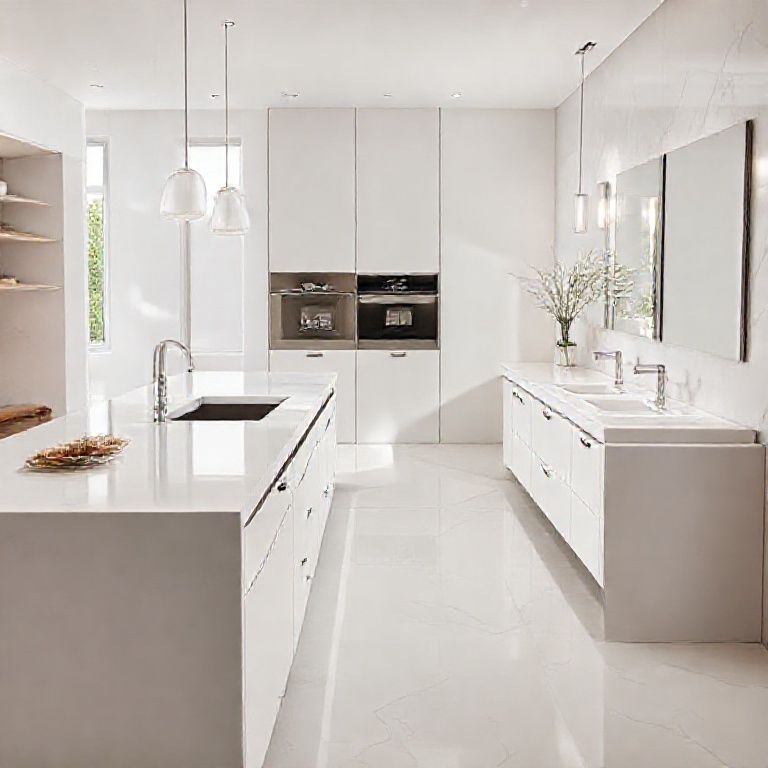
Unveiling the Secrets of Artificial Stone Countertops: Do They Really Leak Oil?
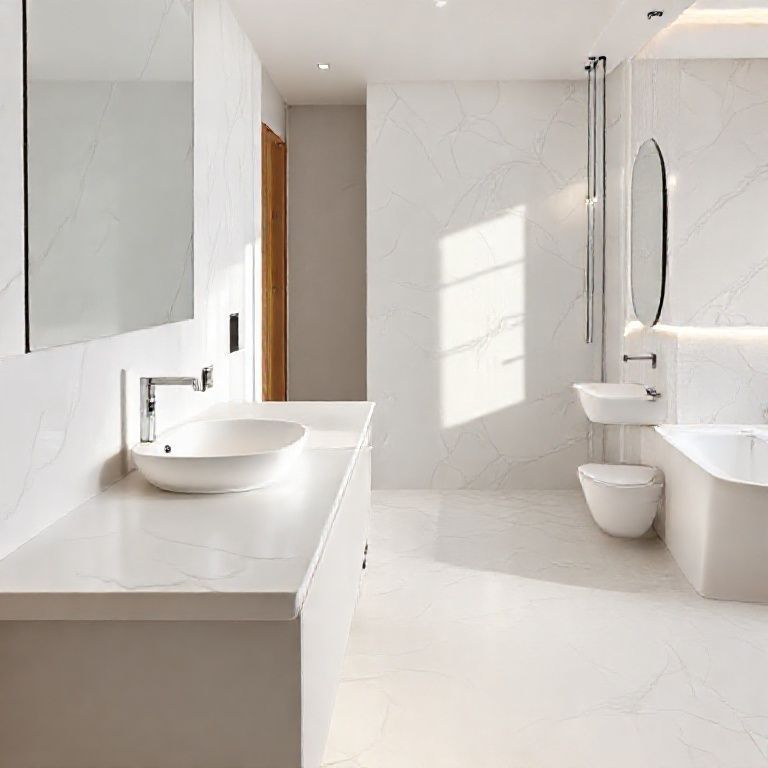
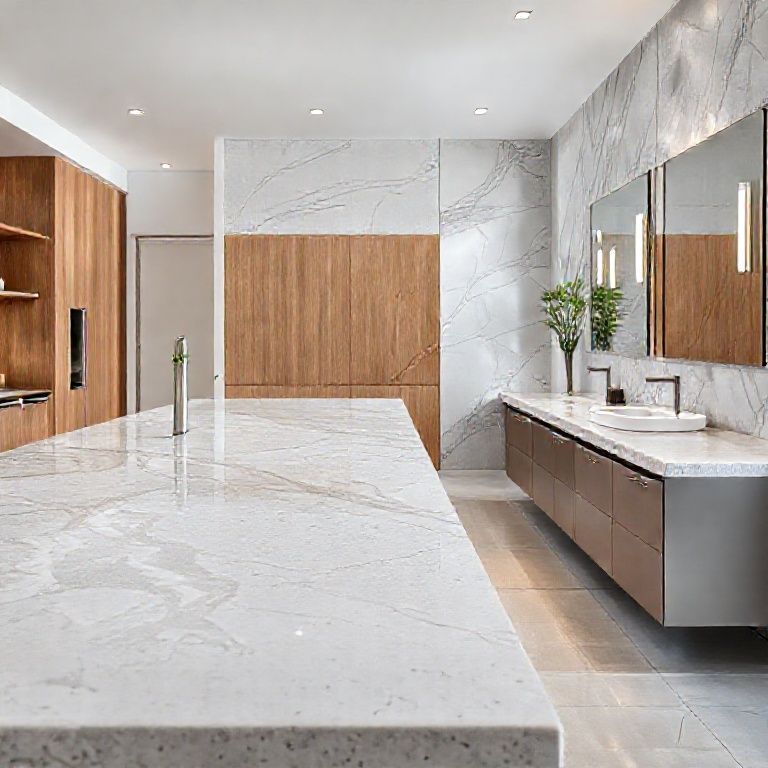
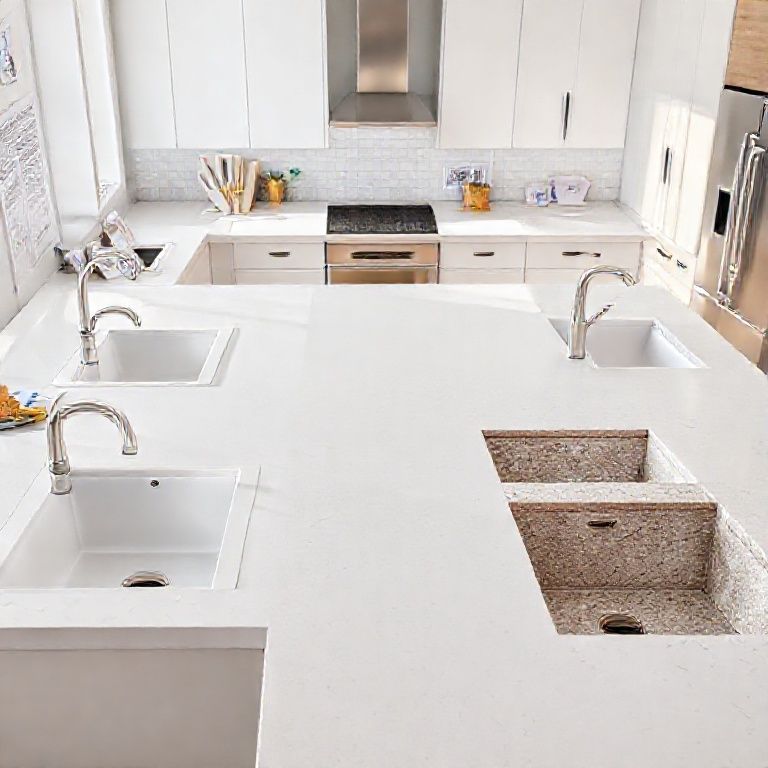
Artificial stone countertops have become increasingly popular in modern kitchens and bathrooms due to their striking aesthetics and durability. But amidst the myriad of benefits, one persistent question arises: do these countertops leak oil? To address this concern, it’s crucial to understand the material composition and properties of artificial stone.
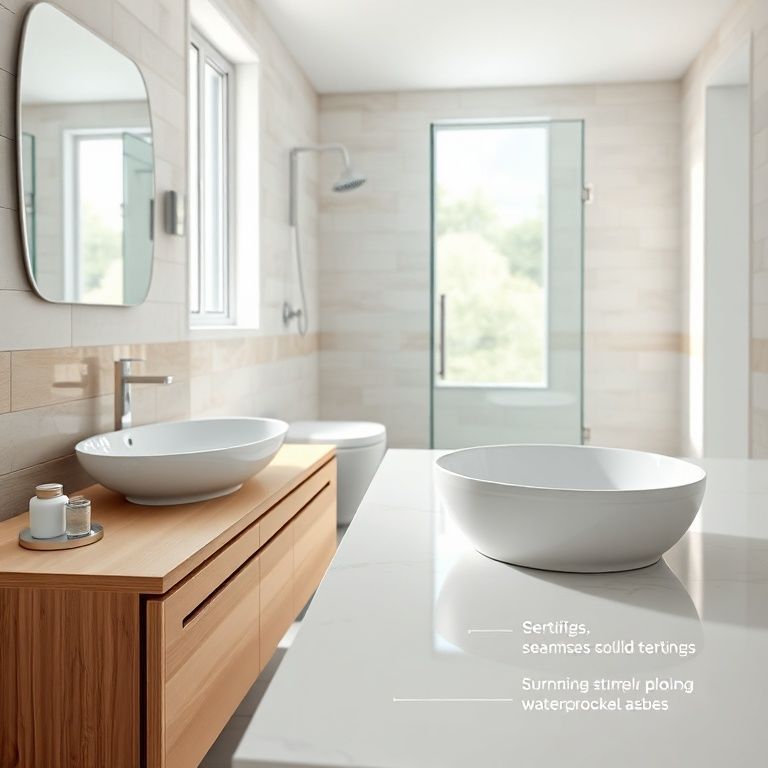
What is Artificial Stone?
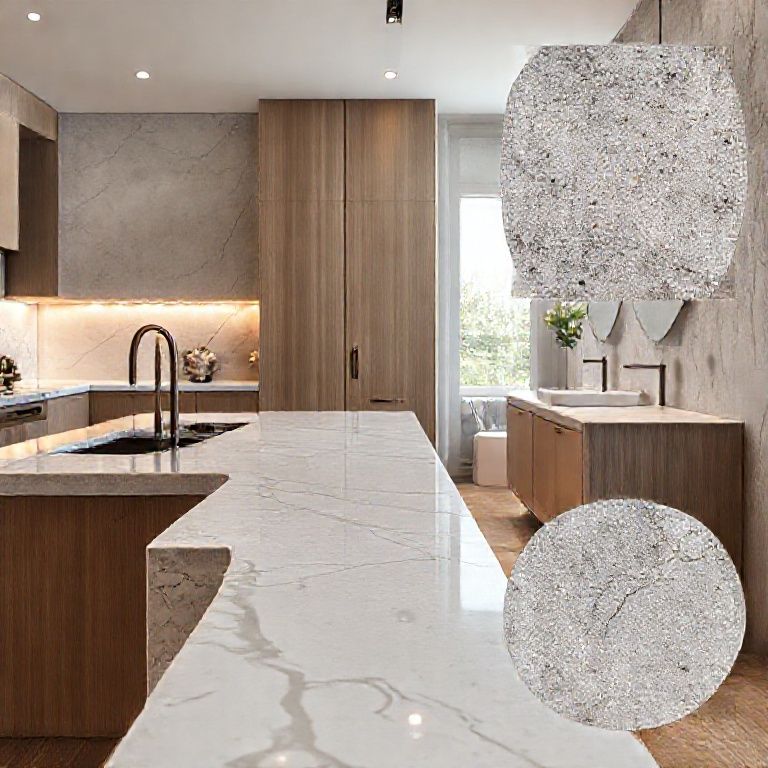
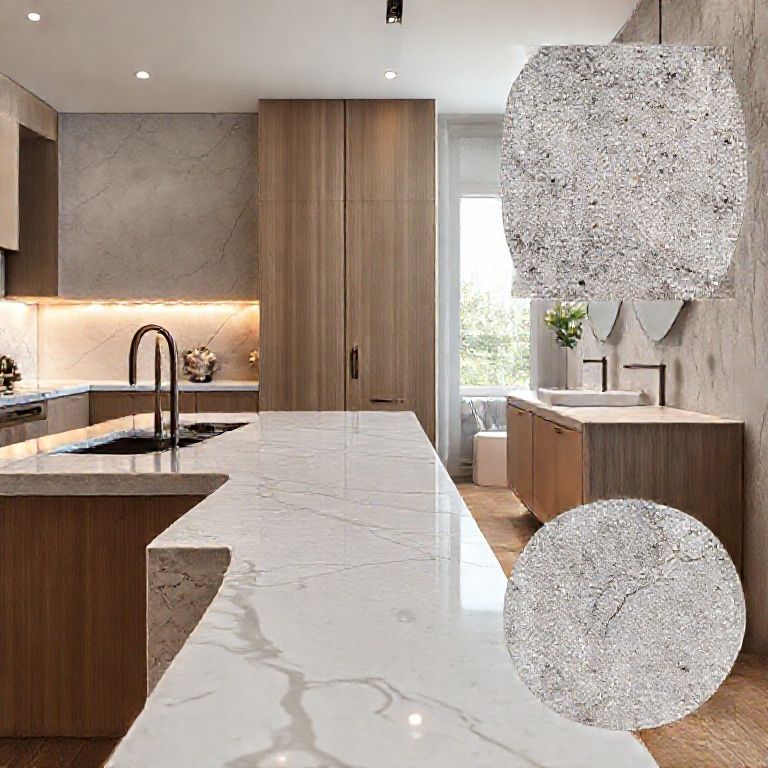
Artificial stone, also known as quartz, is a composite material created by combining silica sand, polymers, and other additives. It is manufactured through a process that involves melting the ingredients together and then pressing them into molds to create countertops. This results in a material that is both robust and visually appealing.
The Myth of Oil Leakage
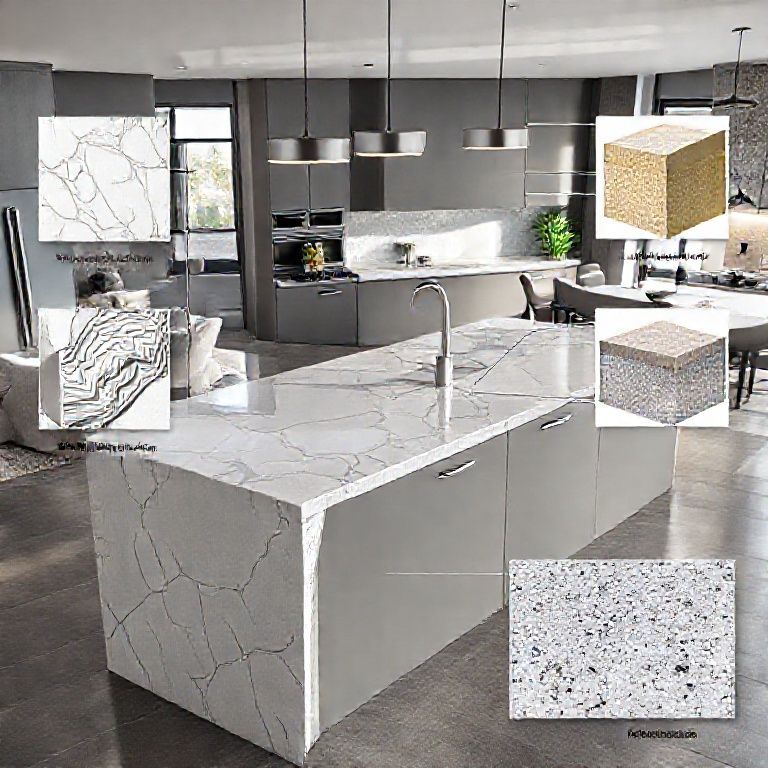
One of the biggest myths surrounding artificial stone countertops is that they might leak oil. This misconception often arises because people confuse the surface properties of artificial stone with those of natural stone. Unlike natural stone, which can have pores and crevices that absorb oils, artificial stone is a homogeneous material. It lacks the porous structure that could allow oil to seep through.
Material Composition
The primary component of artificial stone is silica sand, which gives it its strength and durability. The sand is mixed with a resin binder, usually a polymer, which binds the sand particles together to form a solid, cohesive material. This combination ensures that the surface is non-porous and, therefore, resistant to oil penetration.
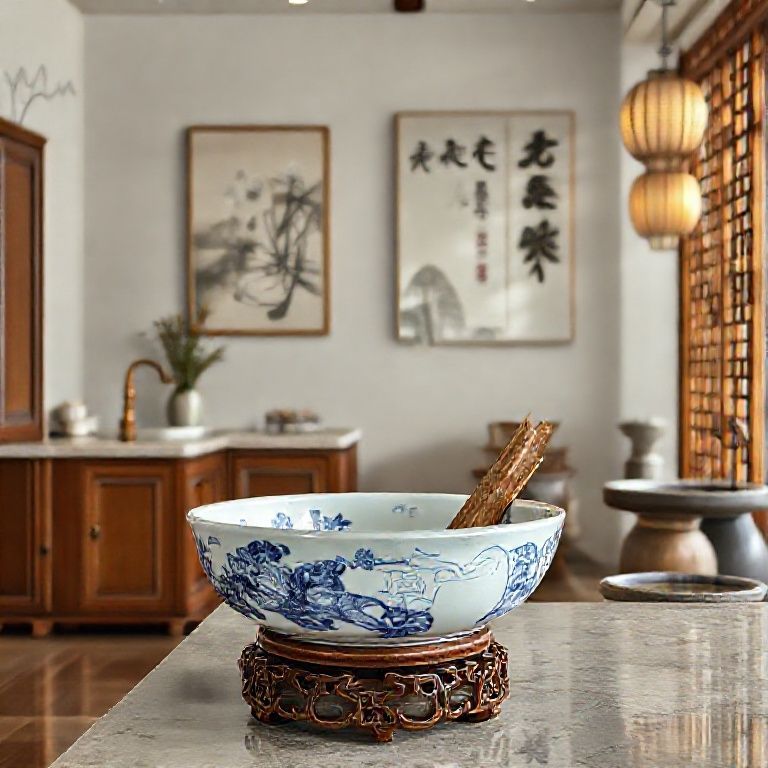
Non-Stick Properties
One of the most touted benefits of artificial stone is its non-stick properties. Unlike granite or marble, which can absorb oils and stains, artificial stone’s surface remains smooth and impermeable. This non-stick quality makes it easier to clean and maintain, as spills and splatters simply slide off rather than being absorbed into the material.
Durability and Maintenance
Artificial stone countertops are known for their durability. They do not scratch easily, resist stains, and maintain their appearance over time. Cleaning these countertops is straightforward; a simple wipe with a damp cloth and mild soap is usually sufficient. There is no need for the intensive maintenance required for natural stone, which often needs sealing and regular care to prevent staining and damage.
Addressing Misconceptions
To address the myth of oil leakage, it’s essential to understand how different materials interact with oil. Natural stone, such as granite or marble, has a porous structure that can absorb oils and other substances, leading to staining and potential damage over time. In contrast, artificial stone’s dense, non-porous structure means that it does not absorb oil. Instead, oil simply sits on the surface and can be wiped away easily.
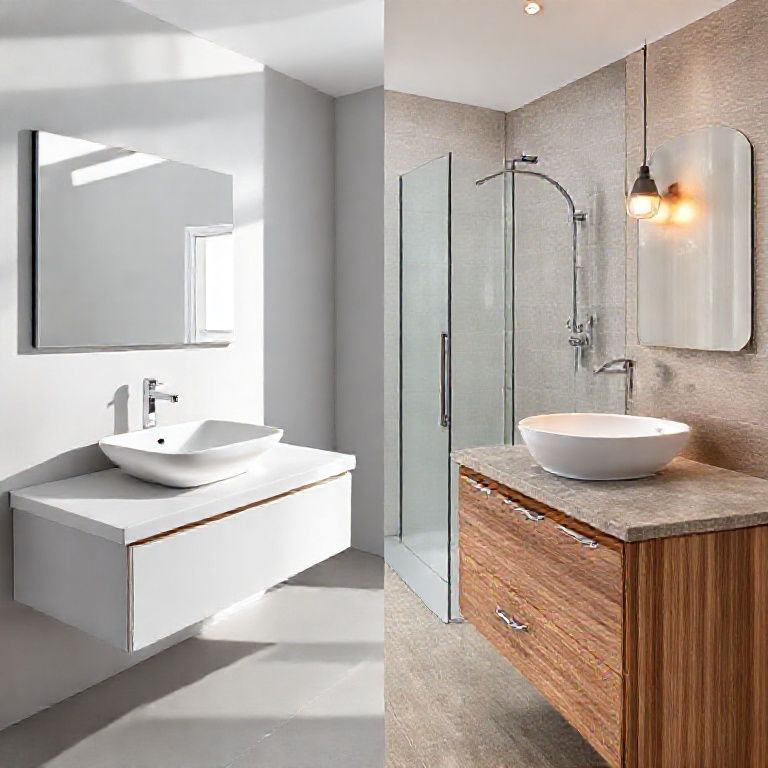
Common Misconceptions
Several factors contribute to the myth of oil leakage in artificial stone:
Visual Similarities: Artificial stone closely mimics the appearance of natural stone, which can lead to confusion. Marketing and Misinformation: In some cases, marketing efforts may not clearly distinguish between the properties of natural and artificial stone. User Experience: People may observe oil on the surface of the countertop and incorrectly assume it is seeping through, rather than recognizing it as a surface phenomenon.
Unveiling the Secrets of Artificial Stone Countertops: Do They Really Leak Oil?
In Part 1, we explored the material composition and properties of artificial stone countertops, addressing the myth of oil leakage. In this part, we’ll delve into practical maintenance tips, expert insights, and additional considerations to help you make an informed decision about whether artificial stone is the right choice for your kitchen or bathroom.
Practical Maintenance Tips
Maintaining artificial stone countertops is relatively straightforward compared to other types of countertops. Here are some practical tips to ensure your artificial stone remains in top condition:
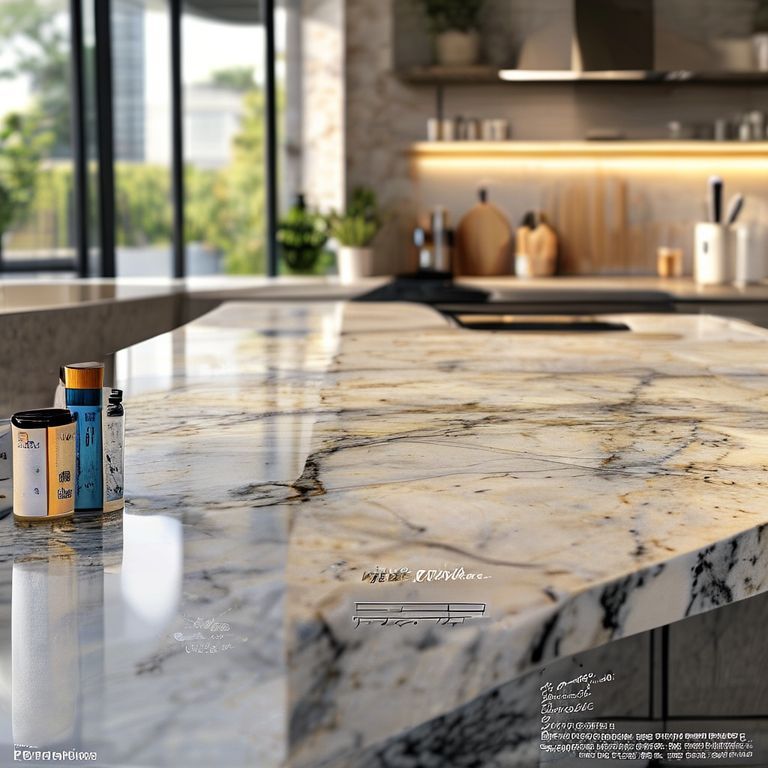
Regular Cleaning: Use a damp cloth and mild soap to clean your artificial stone countertop regularly. Avoid using abrasive cleaners or sponges that can scratch the surface.
Immediate Spill Management: For hot liquids or cooking spills, immediately wipe them up to prevent any residue from setting into the surface.
Cutting Boards: If you frequently use cutting boards, consider placing a silicone mat or cutting board cover between the board and the countertop to protect it from scratches.
Acidic and Alkaline Substances: Avoid leaving acidic foods like tomatoes or alkaline substances like cleaning agents on the surface for extended periods, as these can potentially cause minor etching over time.
Expert Insights
Experts in countertop manufacturing and installation emphasize several key points regarding the maintenance and longevity of artificial stone:
Durability: Artificial stone is designed to be a long-lasting material that can withstand everyday use. Its resistance to scratches, stains, and thermal shock makes it an excellent choice for high-traffic areas.
Installation: Proper installation is crucial to ensuring the longevity of artificial stone countertops. It’s essential to follow the manufacturer’s guidelines for installation to avoid any potential issues with sealing or edge protection.
Customization: Artificial stone can be customized in terms of color, texture, and design, allowing for a wide range of aesthetic options. This flexibility makes it suitable for various styles and preferences.
Addressing Concerns
While artificial stone countertops are generally low-maintenance, there are still some concerns to consider:
Thermal Shock: Although artificial stone is resistant to thermal shock, it’s still important to avoid placing hot items directly on the surface without a heat-resistant mat or pad to prevent minor surface damage.
Weight: Artificial stone is denser than some other materials, making it heavier. This can be a consideration for installation, especially in areas where the weight needs to be minimized.
Aesthetic Preferences: Some people may prefer the natural look and feel of stone. If this is a concern, it’s essential to weigh the aesthetic benefits against the practical advantages of artificial stone.
Future Trends
The countertop industry is constantly evolving, with new materials and technologies being developed. Artificial stone continues to improve in terms of durability, customization, and aesthetic appeal. Innovations in this field aim to make artificial stone even more resistant to stains, scratches, and thermal shock, ensuring it remains a top choice for homeowners and designers alike.
Conclusion
In conclusion, the myth of oil leakage in artificial stone countertops is largely unfounded. The non-porous nature of artificial stone ensures that it does not absorb oil, unlike natural stone. With proper maintenance, artificial stone countertops can provide years of durability, aesthetic appeal, and ease of care. Whether you’re renovating your kitchen or bathroom, artificial stone offers a compelling choice that balances beauty and practicality seamlessly.
By understanding the material’s properties and addressing common misconceptions, you can make an informed decision about whether artificial stone is the right countertop for your space. With its impressive resistance to stains, scratches, and everyday wear and tear, artificial stone is a standout option for modern, maintenance-free living.