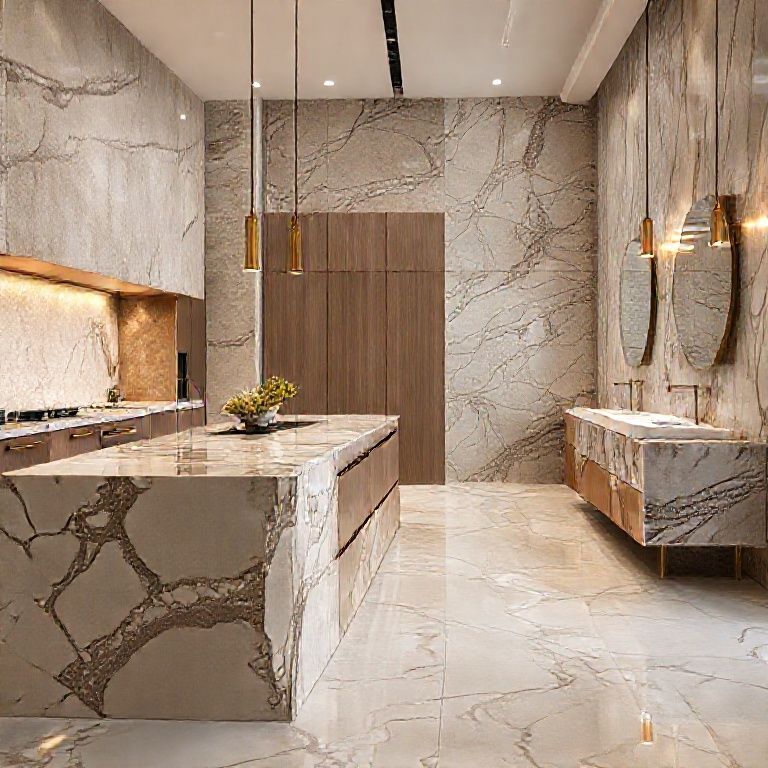
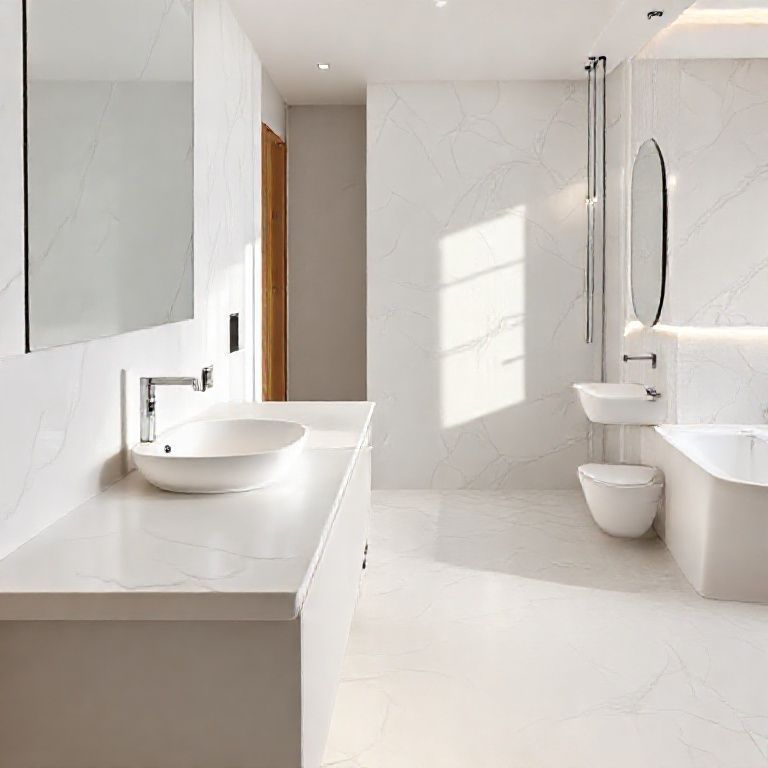
In the realm of modern materials, synthetic marble has emerged as a prominent choice for both residential and commercial spaces. Its striking aesthetics and durability make it a popular alternative to natural stone. However, like any material, synthetic marble is susceptible to stains and other forms of surface damage. Understanding the principles of stain penetration in synthetic marble is crucial for maintaining its pristine appearance and extending its lifespan.

The Nature of Synthetic Marble
Synthetic marble, often referred to as engineered or cultured marble, is crafted from a combination of minerals, resins, and pigments. This composite material is designed to mimic the appearance and texture of natural marble, while offering improved durability and resistance to staining. Despite its robust nature, synthetic marble can still be affected by various types of stains, including those from food, beverages, and everyday household items.
The Science Behind Stain Penetration
The process of stain penetration in synthetic marble is a fascinating interplay between the material’s surface properties and the nature of the stain itself. To truly understand how stains penetrate synthetic marble, it’s essential to delve into the material’s composition and the mechanisms by which stains interact with it.
Surface Chemistry
Synthetic marble’s surface chemistry plays a pivotal role in stain penetration. The material is typically made by combining calcium carbonate, silica, and other minerals with a polymer resin binder. This combination creates a surface that can be either hydrophobic (water-repellent) or hydrophilic (water-absorbing), depending on the specific formulation and the type of resin used.

When a stain comes into contact with synthetic marble, the first step is the absorption of the stain into the surface. This process is influenced by the surface’s chemical structure. Hydrophobic surfaces are generally more resistant to water-based stains, while hydrophilic surfaces may absorb such stains more readily.
Porosity and Absorption
The porosity of synthetic marble also significantly affects how stains penetrate its surface. Porosity refers to the presence of tiny pores or channels within the material. In synthetic marble, the porosity can be controlled during the manufacturing process to create a smoother, more uniform surface with fewer pores.
High porosity can lead to greater stain absorption, as the stain can seep into the tiny channels within the material. Conversely, low porosity can help to minimize stain penetration by reducing the number of pathways available for the stain to travel through.

The Role of Resin
The resin used in synthetic marble acts as a binder, holding the mineral particles together and forming a cohesive surface layer. The quality and type of resin can influence the stain resistance of synthetic marble. Resins that are more chemically resistant to acids and solvents can help to prevent stains from penetrating deeply into the material.
Common Stains and Their Impact
To understand stain penetration in synthetic marble fully, it’s essential to consider the types of stains that are most common and their potential impact on the material. Here are some of the primary culprits:
Organic Stains
Organic stains, such as those from food and beverages, are among the most common types of stains that synthetic marble can encounter. These stains often contain acids, sugars, and other organic compounds that can interact with the material’s surface.

For example, fruit juices and wine contain natural acids that can react with the calcium carbonate in synthetic marble, leading to discoloration or etching of the surface. The penetration of organic stains is often influenced by the acidity and the duration of contact with the marble surface.
Mineral Stains
Mineral stains, such as those from coffee, tea, and red wine, contain high levels of minerals like iron and tannins. These substances can leave behind unsightly marks and may even cause the surface to change color over time.
The penetration of mineral stains is largely dependent on the concentration of these minerals and the length of exposure to the synthetic marble surface. Mineral stains can be particularly challenging to remove, as they tend to embed themselves into the material’s surface.
Water Stains
Water itself can cause issues for synthetic marble, particularly if it contains impurities or minerals. Over time, water stains can lead to a dull or cloudy appearance, as well as potential etching of the surface.
The degree of water stain penetration is influenced by the type of water used and the frequency of exposure. Soft water generally causes less damage compared to hard water, which contains higher levels of minerals.
Stain Prevention Strategies
To maintain the beauty and longevity of synthetic marble, it’s crucial to implement effective stain prevention strategies. Here are some best practices:
Regular Cleaning
Regular cleaning is fundamental in preventing stain penetration. Using a mild, pH-neutral cleaner can help to remove everyday spills and residues without damaging the surface. It’s important to avoid abrasive cleaners or sponges, which can scratch the surface and create pathways for stains to penetrate.
Protective Coatings
Applying a protective coating can offer an additional layer of defense against stains. These coatings form a barrier on the surface, making it more resistant to water and chemical penetration. Protective coatings are available in various forms, including sprays, wipes, and polishes.
Immediate Cleaning
Prompt cleaning is essential for preventing stains from setting into the synthetic marble surface. The longer a stain remains on the surface, the more likely it is to penetrate deeply and become permanent.
Conclusion
Understanding the principles of stain penetration in synthetic marble is key to maintaining its beauty and durability. By exploring the surface chemistry, porosity, and the role of resin, we gain valuable insights into how stains interact with this versatile material. Armed with this knowledge, we can implement effective prevention strategies and cleaning techniques to keep synthetic marble looking pristine for years to come.
In the next part, we will delve deeper into specific cleaning methods, advanced stain removal techniques, and maintenance tips to ensure your synthetic marble remains in its best condition.
Building on the foundational understanding of stain penetration in synthetic marble, this part will explore advanced cleaning methods, effective stain removal techniques, and comprehensive maintenance tips to ensure your artificial marble surfaces remain pristine and durable.
Advanced Cleaning Methods
To effectively maintain synthetic marble, it’s important to use advanced cleaning methods that are tailored to the material’s unique properties. Here are some strategies to consider:
pH-Neutral Cleaners
Using pH-neutral cleaners is crucial for synthetic marble. These cleaners are formulated to be safe for the surface without causing damage or altering its properties. pH-neutral cleaners effectively remove everyday spills and residues without leaving behind streaks or dulling the surface.
Microfiber Cloths
Microfiber cloths are excellent for cleaning synthetic marble due to their soft texture and ability to trap dirt without scratching the surface. These cloths are highly absorbent and can pick up a significant amount of debris without leaving behind fibers or lint.
Ultrasonic Cleaners
For tougher stains or delicate items made from synthetic marble, ultrasonic cleaners can be an effective tool. These devices use high-frequency sound waves to create tiny bubbles in a cleaning solution, which helps to break up and remove dirt and stains without scratching the surface.
Effective Stain Removal Techniques
When stains do occur, it’s important to address them promptly to prevent deeper penetration. Here are some effective stain removal techniques:
Immediate Action
The sooner you address a stain, the easier it will be to remove. Blot the stain gently with a clean, dry cloth to absorb as much of the spill as possible. Avoid rubbing, as this can push the stain deeper into the surface.
Vinegar and Baking Soda
For many common stains, a simple mixture of vinegar and baking soda can be surprisingly effective. Mix a few tablespoons of baking soda with a cup of vinegar to create a paste. Apply the paste to the stain and let it sit for a few minutes before gently scrubbing with a soft cloth and rinsing thoroughly with water.
Commercial Cleaners
There are many commercial cleaners specifically designed for synthetic marble. These products often contain ingredients that can break down and remove stains without damaging the surface. Always follow the manufacturer’s instructions for best results.
Comprehensive Maintenance Tips
To keep synthetic marble in optimal condition, follow these comprehensive maintenance tips:
Regular Inspection
Regularly inspect your synthetic marble surfaces for any signs of wear, scratches, or stains. Early detection can help prevent minor issues from becoming major problems.
Avoid Harsh Chemicals
Avoid using harsh chemicals, such as bleach or abrasive cleaners, on synthetic marble. These can damage the surface and reduce its stain resistance. Stick to mild, pH-neutral cleaners instead.
Protective Coasters and Placemats
Use coasters, placemats, and trivets to protect synthetic marble from heat and spills. These items can prevent direct contact with spills and reduce the risk of stains penetrating the surface.
Sealing the Surface
Periodically sealing the surface of your synthetic marble can provide an additional layer of protection against stains. Regular sealing is especially important for high-traffic areas where spills are more likely to occur.
Proper Storage
When storing items made from synthetic marble, such as cutting boards or decorative pieces, use proper storage methods to avoid scratches and stains. Store items in a cool, dry place away from direct sunlight and heat sources.
Use of Protective Pads
When placing hot pots, pans, or other heat-sensitive items on synthetic marble surfaces, use protective pads to prevent direct contact with the surface. This helps to avoid thermal shock, which can cause the material to crack or damage the finish.
Professional Cleaning and Maintenance
For those who prefer professional help or need specialized care for high-end synthetic marble surfaces, here are some tips:
Professional Cleaners
Hire professional cleaners who specialize in marble and other stone surfaces. They have access to advanced cleaning equipment and techniques that can effectively clean and maintain synthetic marble without causing damage.
Regular Maintenance
Schedule regular maintenance checks with professionals to ensure that your synthetic marble surfaces are in top condition. They can also apply protective coatings and perform deep cleaning to prevent long-term damage.
Immediate Repair
If you notice any scratches, chips, or other damage to your synthetic marble, address it promptly. Professionals can often repair minor damages to restore the surface to its original appearance.
Future Trends in Synthetic Marble Care
As technology and materials science continue to evolve, new trends and innovations in synthetic marble care are likely to emerge. Here are some potential areas of development:
Eco-Friendly Cleaners
With increasing environmental awareness, the development of eco-friendly, non-toxic cleaning solutions for synthetic marble is a growing trend. These cleaners will be safe for both the environment and the surface of the marble.
Enhanced Coatings
Advancements in protective coatings may lead to new formulations that offer superior stain resistance, durability, and ease of cleaning. These coatings could provide longer-lasting protection and require less frequent reapplication.
Smart Cleaning Tools
The integration of smart technology in cleaning tools could revolutionize how we maintain synthetic marble surfaces. Devices with sensors that detect and neutralize stains or self-cleaning surfaces could become more prevalent.
Conclusion
Maintaining synthetic marble requires a combination of understanding its unique properties, employing effective cleaning techniques, and implementing proper maintenance practices. By following these guidelines, you can ensure that your synthetic marble surfaces remain beautiful, durable, and long-lasting.
In summary, understanding and addressing the principles of stain penetration in synthetic marble, along with adopting advanced cleaning methods and maintenance tips, will help you keep your surfaces in pristine condition. Whether you choose to handle the cleaning yourself or rely on professional services, the key is to be proactive and consistent in your care routine.
Hope this detailed guide helps you in keeping your synthetic marble surfaces looking their best!