Part 1
${part1}
Introduction to Artificial Marble
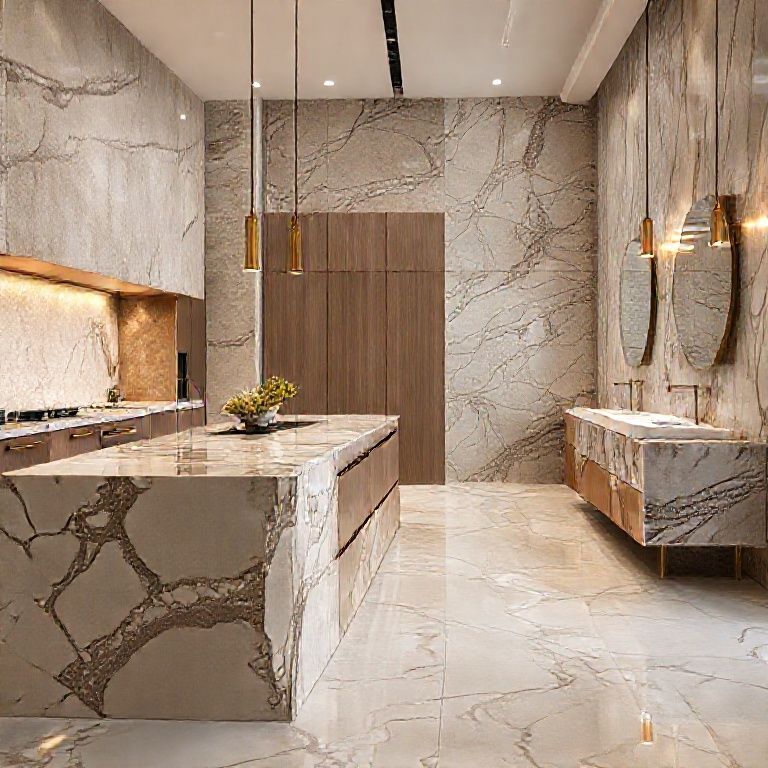
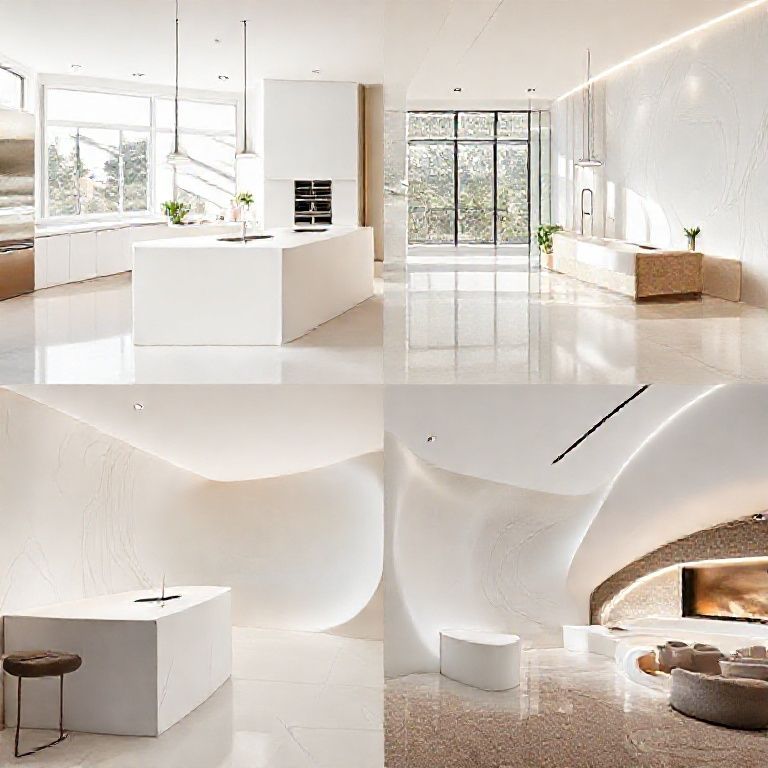
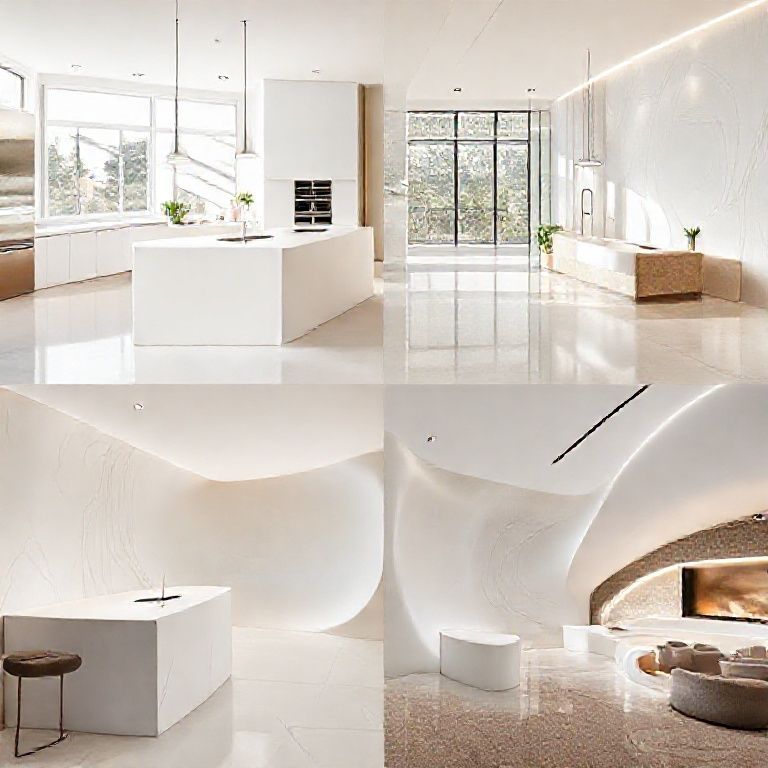
Artificial marble, often hailed as a cost-effective and durable alternative to natural stone, has become a popular choice for countertops, sinks, and other decorative elements in both commercial and residential spaces. Crafted from a combination of minerals, pigments, and a binding agent, this synthetic material mimics the aesthetic appeal of natural marble while boasting certain advantages like resistance to stains and scratches. However, beneath its glossy exterior lie several significant drawbacks that must be considered before opting for this material.

Durability Issues
One of the primary concerns with artificial marble is its durability. While it is more resistant to stains and scratches compared to natural stone, it still lacks the inherent toughness of natural marble. The high-pressure manufacturing process can sometimes result in a material that is prone to cracking under heavy impacts or excessive heat.
Aesthetic Limitations
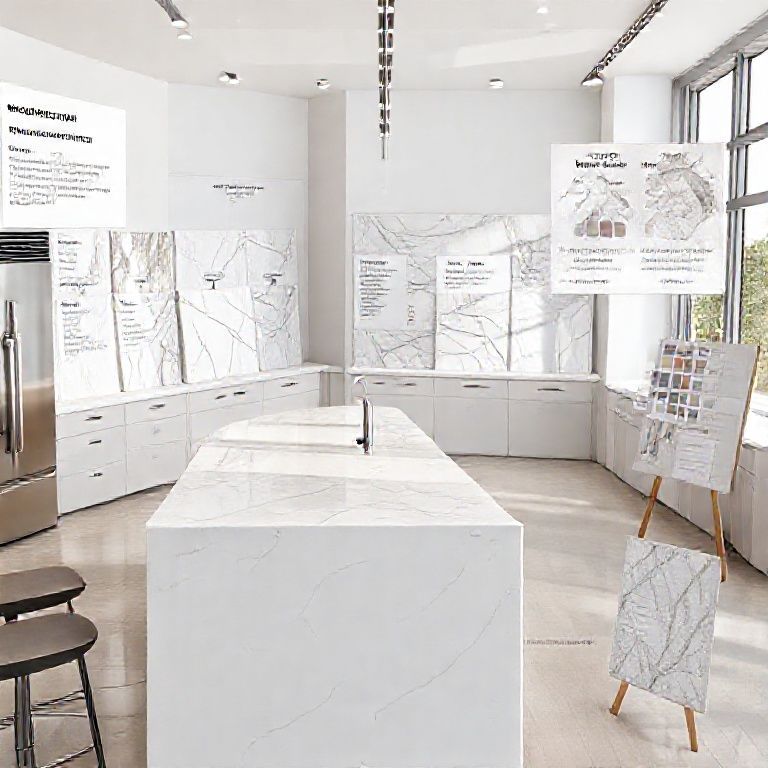
Artificial marble, despite its ability to replicate the appearance of various types of natural stone, often falls short in terms of texture and depth. The pigments used in its creation can sometimes result in a less natural look, particularly in intricate veining patterns that natural marble is known for. Additionally, the surface finish of artificial marble can appear less refined, as it often lacks the organic imperfections that give natural stone its unique character.
Chemical Sensitivity
Another significant drawback is the chemical sensitivity of artificial marble. The binding agents used in its creation can make it vulnerable to damage from certain chemicals, including household cleaners and oils. Prolonged exposure to these substances can cause discoloration, warping, or even complete degradation of the material.
Thermal Sensitivity
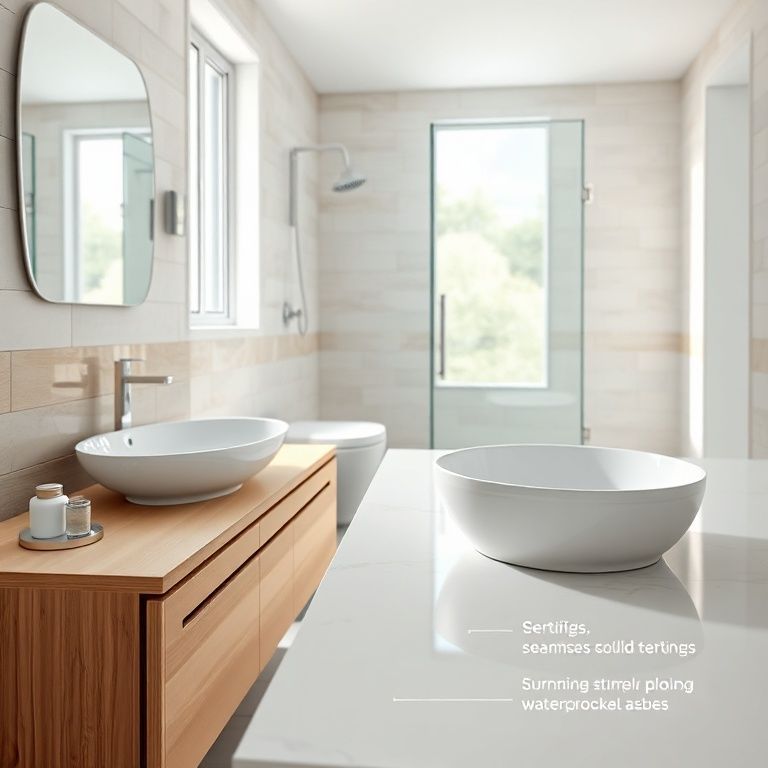
Artificial marble is also susceptible to thermal shock. Unlike natural stone, which can withstand varying temperatures, artificial marble can crack or break when exposed to sudden temperature changes. This makes it less suitable for areas where hot liquids are frequently used, such as kitchen countertops.
Maintenance Concerns
Maintenance of artificial marble can be more involved than that of natural stone. While it requires less cleaning than some alternatives, regular maintenance is still necessary to preserve its appearance. Cleaning with harsh chemicals can lead to surface damage, and regular sealing may be required to maintain its stain resistance.
Cost Implications
Although artificial marble is often cheaper than natural stone, its long-term costs can be higher due to maintenance and potential repairs. The need for regular sealing and the potential for damage from spills and heat can add up over time, making it less economical in the long run.
Environmental Impact
The production of artificial marble involves several environmental concerns. The mining of raw materials, the use of synthetic chemicals, and the energy-intensive manufacturing process contribute to its ecological footprint. Additionally, the disposal of artificial marble at the end of its life cycle poses challenges, as it is not always easily recyclable.
Limited Customization
Unlike natural stone, which offers a wide range of colors, patterns, and textures, artificial marble is limited in its customization options. The pigments and composite materials used in its creation can only mimic a limited palette of natural stone designs, making it less versatile for unique or bespoke projects.
Water Cement Ratio
The water cement ratio in the production of artificial marble is a critical factor affecting its overall quality. An improper ratio can lead to weaknesses in the material, resulting in reduced durability and increased susceptibility to cracking. Manufacturers must carefully control this ratio to ensure the strength and integrity of the final product.
Long-Term Effects
Finally, the long-term effects of artificial marble are not fully understood. While it is designed to be a durable material, its longevity in various environments remains a point of concern. Over time, exposure to heat, chemicals, and mechanical stress can lead to degradation that may not be immediately apparent.
Conclusion
In summary, while artificial marble offers several advantages in terms of cost and maintenance, it also comes with a range of significant drawbacks that should be carefully considered. From durability and aesthetic limitations to chemical and thermal sensitivity, the choice of artificial marble should be made with a thorough understanding of these factors. In the next part of this series, we will delve deeper into specific case studies and real-world applications to further illuminate the pros and cons of artificial marble.
Part 2
${part2}
Case Studies and Real-World Applications
In the second part of our exploration into the ten major drawbacks of artificial marble, we will delve into specific case studies and real-world applications to provide a clearer understanding of the material’s performance and limitations. By examining both successful and problematic installations, we aim to offer a balanced perspective on the suitability of artificial marble for different uses.
Real-World Case Studies
Commercial Kitchens
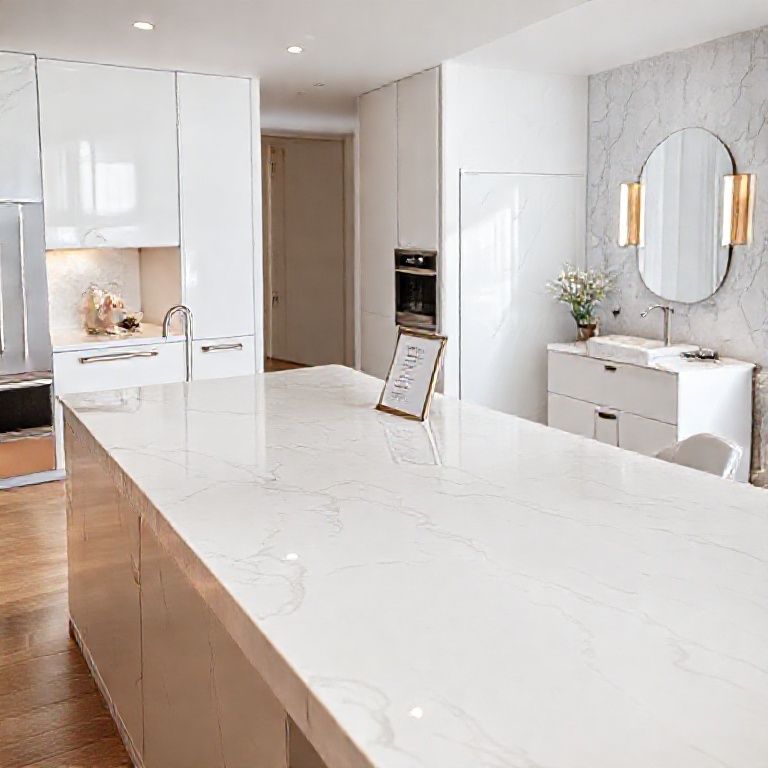
One of the most common uses of artificial marble is in commercial kitchens, where durability and ease of cleaning are paramount. In several case studies, kitchens that opted for artificial marble countertops reported issues with staining and chemical damage within a few years. The high-pressure water used in cleaning equipment can also cause the material to warp or crack, highlighting the importance of careful selection and maintenance.
Residential Homes
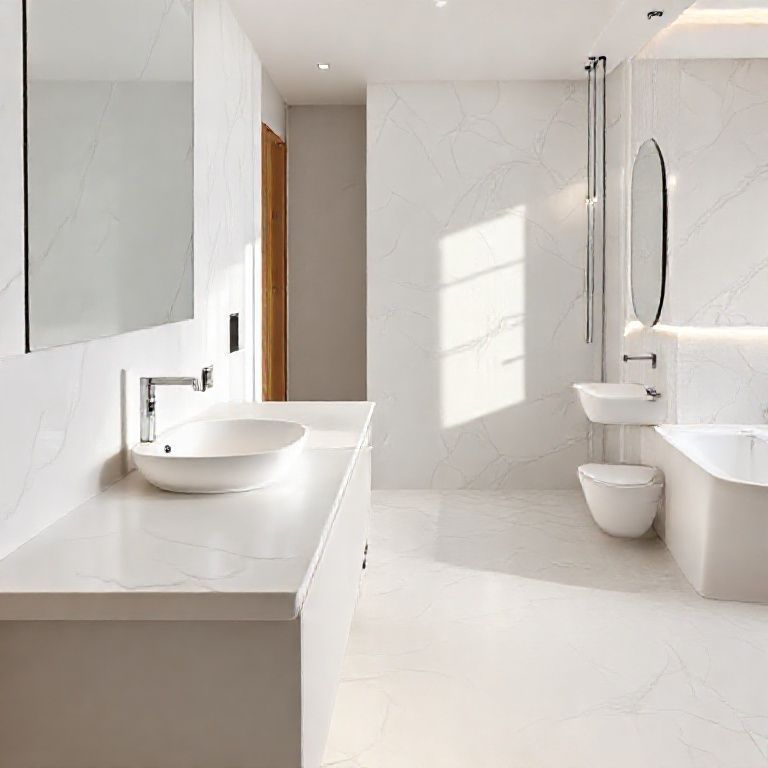
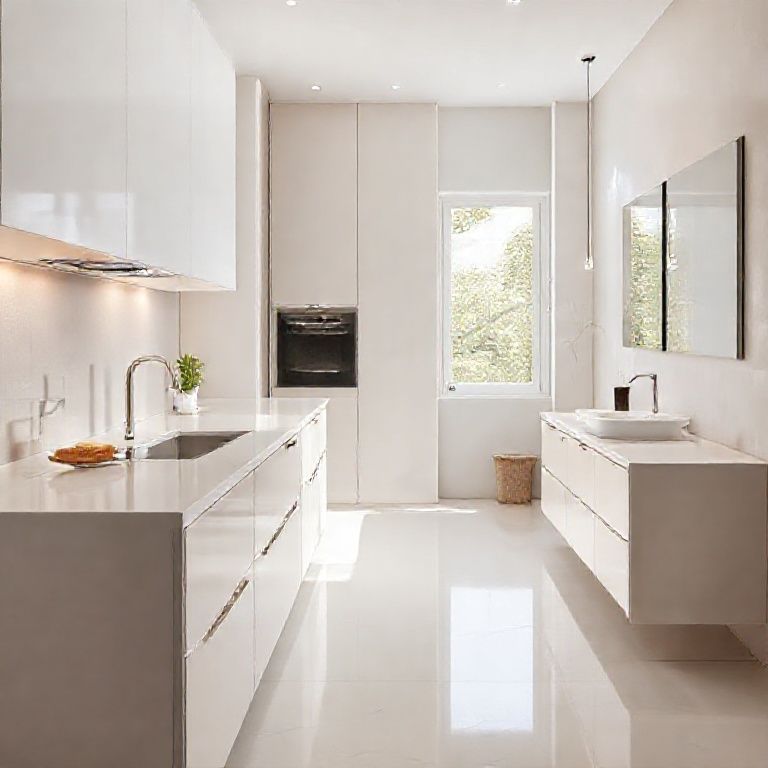
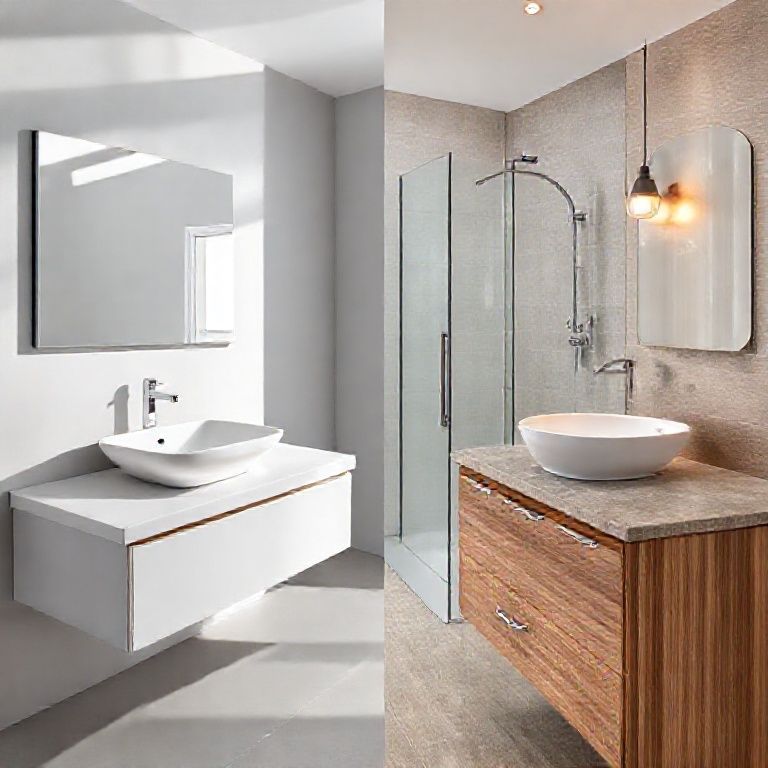
In residential settings, artificial marble is often used for bathroom vanities and sinks. While it provides a cost-effective solution, homeowners frequently report maintenance challenges. The material’s sensitivity to heat from hot water taps can lead to thermal shock, causing the surface to crack or chip. Moreover, the inability to fully replicate the natural veining of marble often results in less visually appealing designs.
Performance in Different Environments
High-Traffic Areas
Artificial marble performs variably in high-traffic areas. In offices and public buildings, where countertops are subject to constant use and occasional impacts, the material often shows signs of wear and tear sooner than expected. The inability to withstand heavy impacts without cracking makes it less ideal for these environments compared to natural stone.
Outdoor Use
The use of artificial marble outdoors is generally discouraged due to its sensitivity to weather elements. Exposure to UV rays can cause fading, while fluctuating temperatures can lead to cracking. Several installations of outdoor artificial marble features have resulted in significant damage within a few years, underscoring the necessity of indoor use for this material.
Alternatives and Comparative Analysis
Natural Stone
When compared to natural stone, artificial marble often falls short in terms of durability and aesthetic appeal. Natural stone, despite its higher cost, offers a more timeless and natural look that can withstand the test of time. While artificial marble may be more resistant to stains and easier to clean, natural stone provides a unique, organic beauty that is unmatched by synthetic materials.
Other Synthetic Alternatives
Other synthetic alternatives like quartz and engineered stone offer a middle ground between the cost-effectiveness of artificial marble and the durability of natural stone. These materials are less prone to staining and chemical damage and can often replicate the aesthetic of natural stone more closely. However, they still come with their own set of drawbacks, including higher costs and potential environmental concerns.
Maintenance and Repair
Cleaning
Maintaining the appearance of artificial marble requires regular cleaning with appropriate products. Harsh chemicals can damage the surface, leading to discoloration and degradation. Regular sealing is also necessary to maintain stain resistance, which can add to the overall maintenance costs. In contrast, natural stone requires less frequent cleaning and sealing, making it a more low-maintenance option.
Repair
Repairing artificial marble is often not feasible due to its brittle nature. Cracks and chips are difficult to fix, and the material’s inability to be resurfaced makes repairs costly and often unsuccessful. In comparison, natural stone can be resurfaced, extending its lifespan significantly.
Future Trends and Innovations
Advancements in Technology
Recent advancements in manufacturing technology have led to the development of more durable and aesthetically appealing artificial marble. Improved binding agents and composite materials are enhancing the strength and resistance of the material, making it a more viable option for certain applications.
Sustainability Efforts
The push for sustainability is also influencing the production of artificial marble. Manufacturers are exploring more eco-friendly materials and processes to reduce the environmental impact of the material. This includes the use of recycled materials and more energy-efficient manufacturing techniques.
Conclusion
In conclusion, while artificial marble offers several benefits such as cost-effectiveness and ease of maintenance, it is important to weigh these advantages against its significant drawbacks. From durability and aesthetic limitations to chemical and thermal sensitivity, the choice of artificial marble should be carefully considered based on the specific needs and environment of the application. By understanding the real-world performance and limitations of this material, consumers can make more informed decisions about their choices in countertops and other decorative elements. In the end, the best choice often depends on balancing cost, aesthetics, and long-term durability, considering both artificial and natural alternatives.
By addressing both the theoretical and practical aspects of artificial marble, this detailed guide aims to provide a comprehensive overview to help readers make well-informed decisions about this popular yet controversial material.