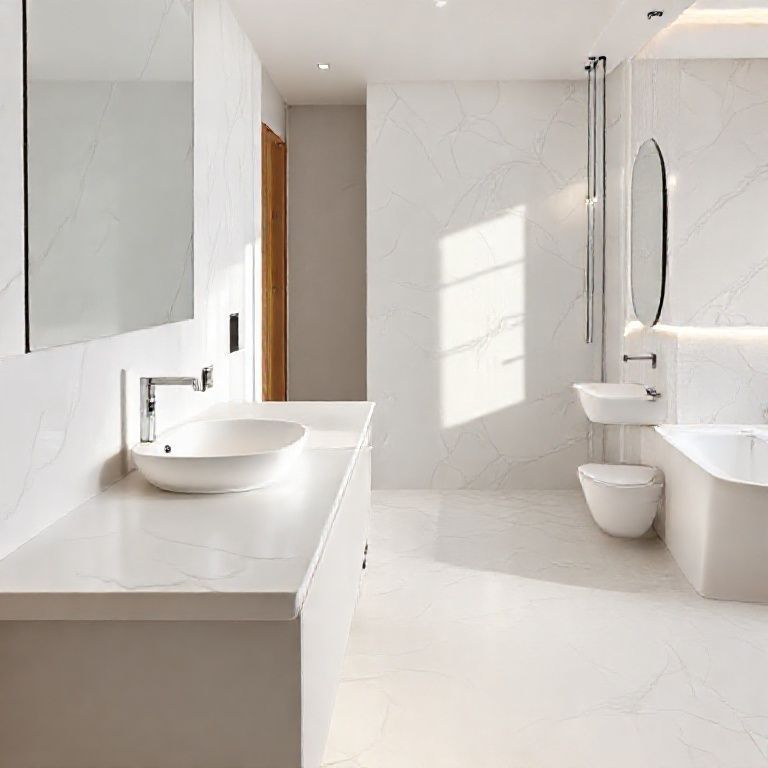
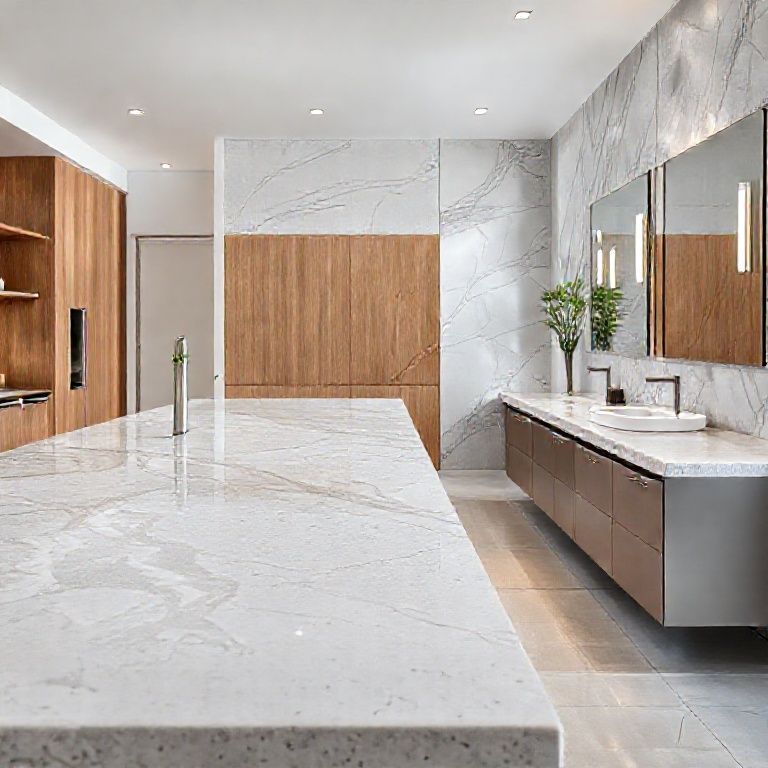
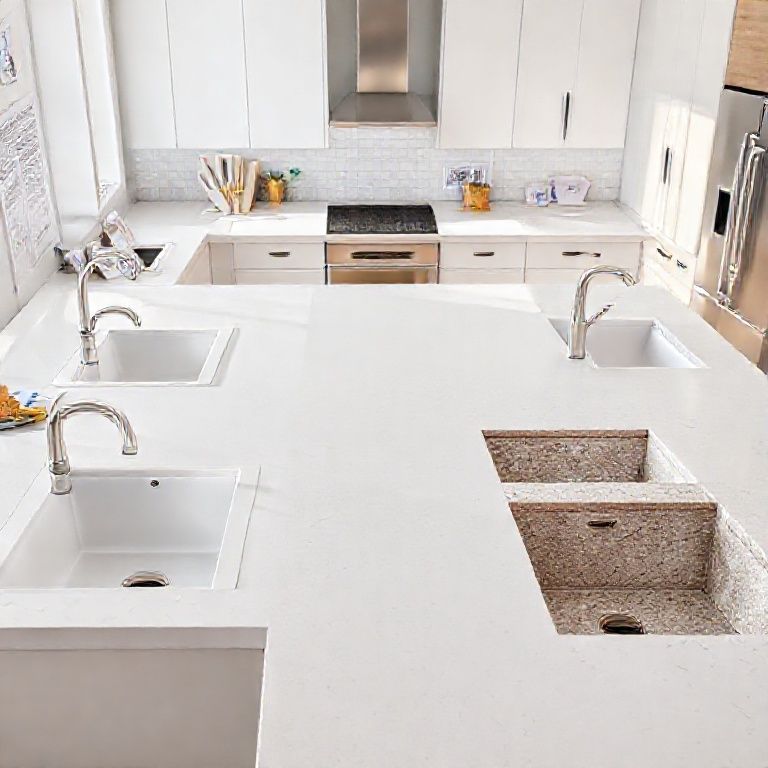
In today’s fast-paced world, maintaining a clean and hygienic environment is more important than ever. Among the numerous cleaning products available, 84 disinfectant stands out due to its broad-spectrum efficacy against bacteria, viruses, and fungi. However, when it comes to maintaining delicate surfaces such as marble, caution is paramount. This is where the question “Does 84 disinfectant corrode marble?” becomes crucial. Let’s explore this topic in detail, examining the composition of 84 disinfectant, its interaction with marble, and the potential risks involved.

Understanding the Composition of 84 Disinfectant
To understand how 84 disinfectant might affect marble, it’s essential to first look at its composition. The product primarily contains sodium hypochlorite, a powerful bleaching agent and disinfectant. Other ingredients include surfactants, stabilizers, fragrances, and sometimes additional biocides. Sodium hypochlorite is a compound that releases chlorine when it comes into contact with water, which makes it highly effective against a wide range of pathogens. However, the very properties that make it effective as a disinfectant can also pose risks to certain materials.
The Nature of Marble
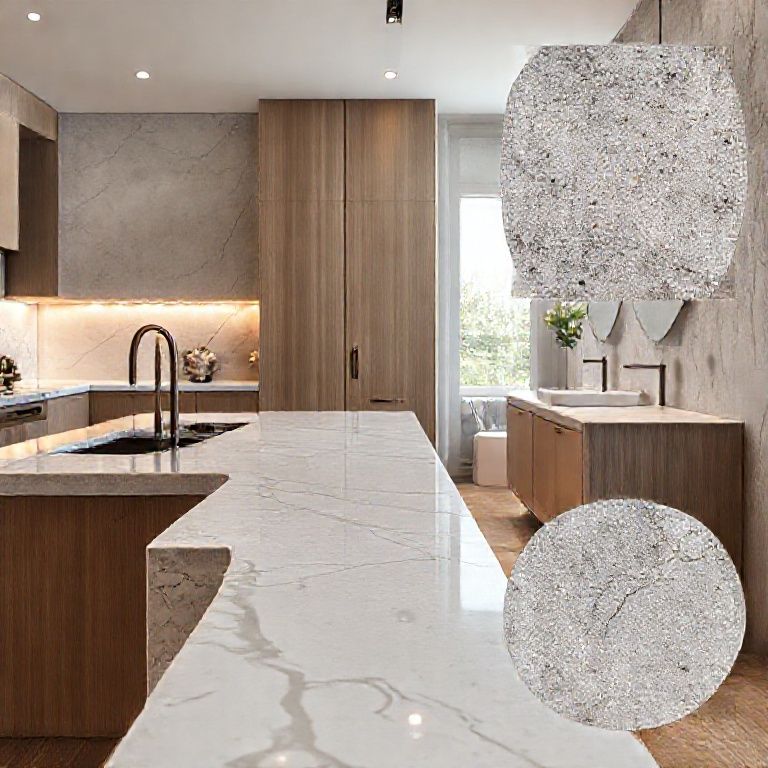
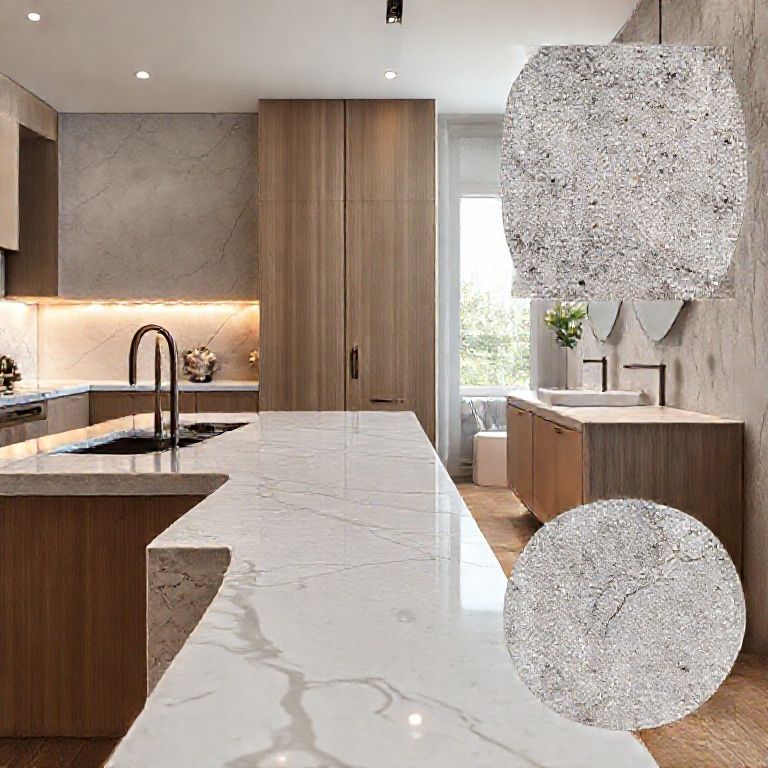
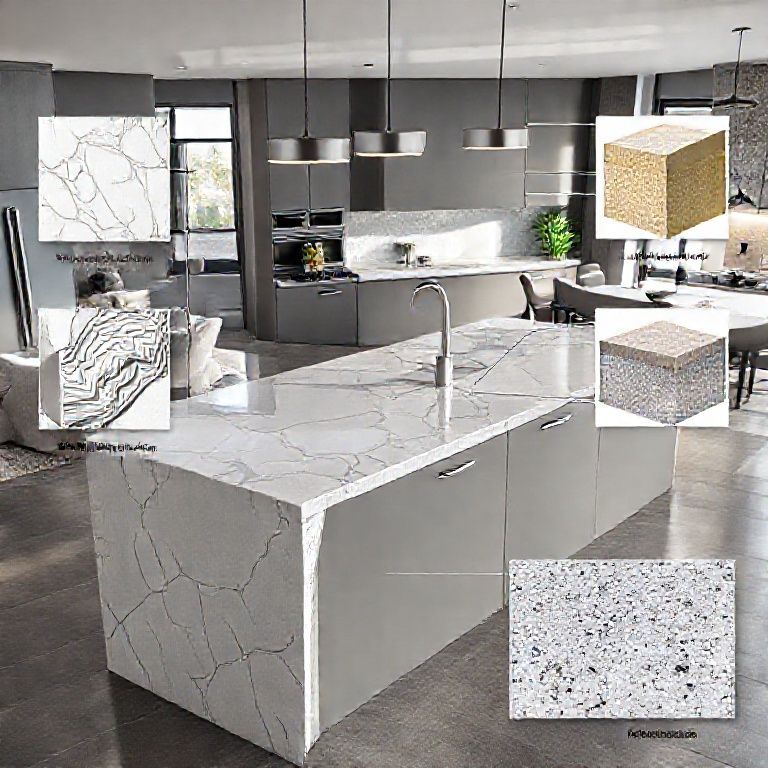
Marble is a popular choice for countertops, flooring, and decorative elements due to its beauty and durability. However, marble is a type of metamorphic rock composed primarily of calcium carbonate (CaCO₃). This mineral structure makes marble susceptible to acidic reactions. When an acidic substance like sodium hypochlorite comes into contact with marble, it can lead to chemical reactions that may result in surface etching, discoloration, and ultimately, structural damage.
The Chemistry Behind the Interaction
When 84 disinfectant, with its high sodium hypochlorite content, is used on marble, it undergoes a series of chemical reactions. The sodium hypochlorite reacts with the calcium carbonate in the marble, leading to the formation of calcium hypochlorite and other by-products. This reaction can cause the marble surface to become dull, lose its natural luster, and develop unsightly stains. The degree of damage depends on factors such as the concentration of the disinfectant, the duration of contact, and the frequency of use.
Potential Risks and Signs of Damage
The risks associated with using 84 disinfectant on marble can be significant. Here are some potential signs of damage to watch for:
Surface Etching: The surface of the marble may develop tiny pits or a rough texture due to the chemical reaction. Discoloration: Areas where the disinfectant has been applied might turn pale or develop a chalky appearance. Loss of Luster: The marble’s natural shine can be diminished, making the surface appear dull and lifeless. Stains: Persistent discoloration or stains can develop, especially if the disinfectant has been used repeatedly.
Safe Alternatives and Precautions
Given the potential risks, it’s crucial to consider safer alternatives and precautions when cleaning marble surfaces. Here are some tips:
Use pH-Neutral Cleaners: Opt for cleaning products that are specifically designed for marble and are pH-neutral to avoid chemical reactions. Test First: Always test any cleaning product on a small, inconspicuous area of the marble to ensure it does not cause damage. Dilute Solutions: If you must use a disinfectant, dilute it to the lowest effective concentration to minimize contact time and surface exposure. Immediate Cleaning: Clean up spills immediately to prevent any chemical residues from sitting on the marble surface for extended periods. Proper Ventilation: Ensure good ventilation when using disinfectants to avoid inhaling harmful fumes.
In conclusion, while 84 disinfectant is a powerful tool for maintaining hygiene, it is not the best choice for cleaning marble surfaces. The chemical properties of sodium hypochlorite can lead to undesirable reactions with calcium carbonate, resulting in potential damage to the marble. By understanding the risks and opting for safer alternatives, you can maintain both the cleanliness and the beauty of your marble surfaces. Stay tuned for the next part where we will delve deeper into alternative cleaning methods and preventive measures for marble preservation.
In the first part, we discussed the chemical interaction between 84 disinfectant and marble, highlighting the risks and potential damage. Now, let’s dive deeper into safe cleaning practices, effective alternatives, and preventive measures to ensure that your marble surfaces remain pristine and beautiful. By adopting these strategies, you can maintain the integrity and aesthetic appeal of your marble without compromising its durability.
Safe Cleaning Practices for Marble
When it comes to cleaning marble, the key is to use products that are gentle yet effective. Here are some safe cleaning practices:
Use pH-Neutral Cleaners: Choose cleaning products that are specifically formulated for marble and are pH-neutral. These products are designed to clean without the risk of chemical reactions that can damage the marble.
Microfiber Cloths: Use microfiber cloths or soft sponges to clean the marble. These materials are gentle on the surface and help to remove dirt without scratching.
Warm Water: Warm water is effective in loosening grime and dirt. Use it to wipe down the marble surface. Avoid using hot water as it can cause the marble to expand and contract, potentially leading to cracks.
Mild Soaps: For tougher stains, a mild soap or a marble-specific cleaner can be used. Avoid using soaps with abrasive particles that can scratch the surface.
Regular Cleaning: Regular cleaning helps prevent the buildup of grime and hard-to-remove stains. Aim to clean marble surfaces at least once a week.
Effective Alternatives to 84 Disinfectant
Given the risks associated with 84 disinfectant, it’s wise to consider safer alternatives for disinfecting marble surfaces. Here are some effective options:
Baking Soda and Vinegar: A natural and non-toxic combination, baking soda and vinegar can be used to clean and disinfect marble. Mix a small amount of baking soda with water to create a paste, apply it to the marble, and let it sit for a few minutes before wiping clean with vinegar.
White Vinegar: Vinegar is a natural disinfectant and can be used to clean marble surfaces. Spray it on the marble, let it sit for a few minutes, and then wipe clean with a microfiber cloth. Vinegar is particularly effective against bacteria and fungi.
Hydrogen Peroxide: For tougher stains, a diluted solution of hydrogen peroxide can be used. Mix equal parts of hydrogen peroxide and water, apply it to the stain, and let it sit for a few minutes before wiping clean.
Commercial Marble Cleaners: There are several commercial products available that are specifically designed for marble cleaning and disinfection. Look for products that are labeled as safe for marble and have good reviews.
Preventive Measures for Marble Preservation
Prevention is always better than cure, especially when it comes to maintaining the beauty and integrity of marble surfaces. Here are some preventive measures you can take:
Avoid Acidic Foods and Drinks: Acidic foods and drinks, such as citrus fruits, vinegar, and soda, can damage marble. Use cutting boards, coasters, and placemats to protect the surface.
Use Coasters: Always use coasters for glasses and beverages to prevent direct contact with the marble surface. This simple step can help to avoid stains and etching.
Seal the Marble: Sealing the marble surface can provide an additional layer of protection against stains and chemicals. Use a high-quality marble sealer and follow the manufacturer’s instructions for application.
Regular Maintenance: Regular maintenance, including cleaning and sealing, can help to prolong the life of your marble surfaces. Schedule professional cleaning and sealing services every 6 to 12 months, depending on the usage and exposure.
Immediate Cleaning: Clean up spills immediately to prevent any chemical residues from sitting on the marble surface for extended periods. This is especially important for acidic or alkaline substances.
Conclusion
Maintaining marble surfaces requires a careful balance of cleaning and protection. While 84 disinfectant is effective for disinfecting many surfaces, it poses significant risks to marble due to its chemical composition. By adopting safe cleaning practices, using effective alternatives, and taking preventive measures, you can ensure that your marble remains beautiful and undamaged. Remember, the key to marble preservation lies in understanding its properties and treating it with the care it deserves. With the right approach, you can enjoy the elegance and durability of marble for years to come.
深入了解大理石的特性
矿物成分:大理石主要由碳酸钙(CaCO₃)组成,这也是它对酸性物质最为敏感的原因。
纹理和颜色:大理石的纹理和颜色多种多样,从浅色的白色到深色的黑色,各种各样的斑点和纹理增添了其独特的美感。
结构:大理石经过高压和高温的变质作用形成,虽然坚硬,但它的晶体结构使其对化学侵蚀和机械损伤非常敏感。
日常保护与维护
除了采取适当的清洁和防护措施,日常保护也非常重要:
避免硬物划伤:使用柔软的清洁工具和布料,避免使用钢丝球或其他硬质物品,以免划伤大理石表面。
控制温度变化:温度的剧烈变化会导致大理石表面开裂。尽量避免将热锅、热水直接放在大理石上,也不要将冷物品放在热的大理石表面。
防潮防湿:大理石在潮湿环境中容易受到霉菌和其他微生物的侵蚀。因此,保持干燥和通风是非常重要的。
专业维护与保养
对于长期使用和高频率接触的大理石表面,专业维护和保养尤为重要:
定期清洁:建议每隔3-6个月请专业人员进行一次全面清洁和保养。这不仅能去除表面的污垢,还能重新涂抹保护层。
使用专用保护剂:市场上有许多专门为大理石设计的保护剂和护理产品。这些产品能形成一层保护膜,增加大理石的耐磨性和抗污性。
修复服务:一旦大理石表面出现划痕、开裂或污渍,及时寻求专业修复服务是非常必要的。专业的修复不仅能恢复大理石的美观,还能延长其使用寿命。
环保与可持续性
在保护大理石的也要考虑环保和可持续性:
环保清洁剂:选择环保、无毒的清洁产品,既能保护大理石,又不会对环境造成污染。
可再生资源:尽量选择可再生或可回收的大理石材料,或者支持环保建筑材料的使用,以减少对自然资源的开采。
减少浪费:在使用大理石制品时,尽量避免过度消费和浪费,以此来支持可持续发展的理念。
总结
大理石的美丽和独特性使其成为许多建筑和装饰的首选材料,但其脆弱性也需要我们付出更多的关注和保护。通过理解其特性,采取适当的清洁和保护措施,以及在维护和修复过程中寻求专业帮助,我们可以让大理石在家庭和公共空间中继续焕发光彩,并在环保和可持续性方面做出贡献。
希望这些信息能帮助你更好地保护和维护大理石表面,如果你有任何其他问题,欢迎继续提问!