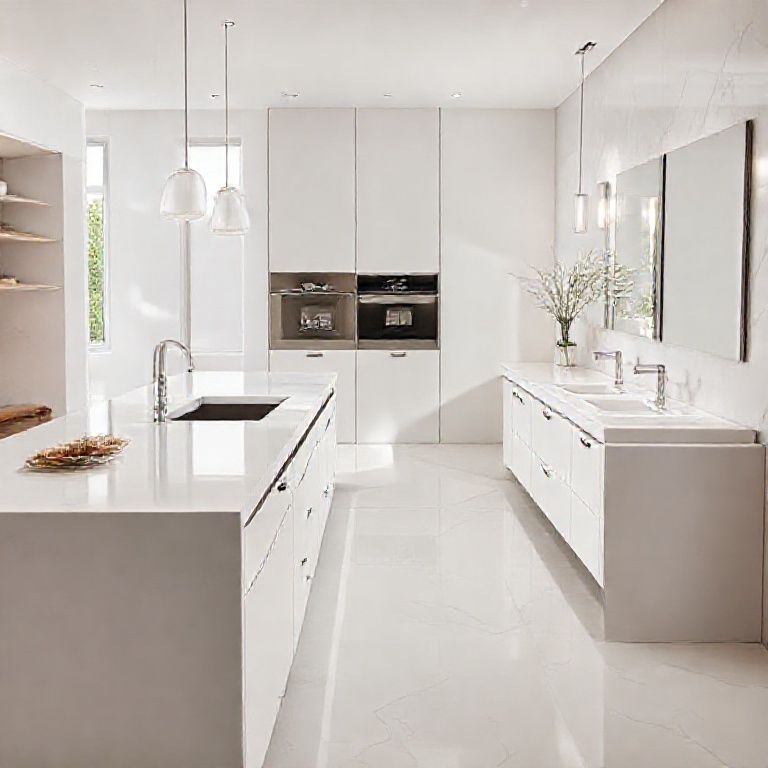
Introduction to Synthetic Quartz Countertops
In the realm of modern kitchen design, synthetic quartz countertops have emerged as a popular choice for homeowners and designers alike. These countertops are celebrated for their durability, aesthetic appeal, and low maintenance. However, amidst their many advantages, questions have been raised about the potential presence of radiation in synthetic quartz.
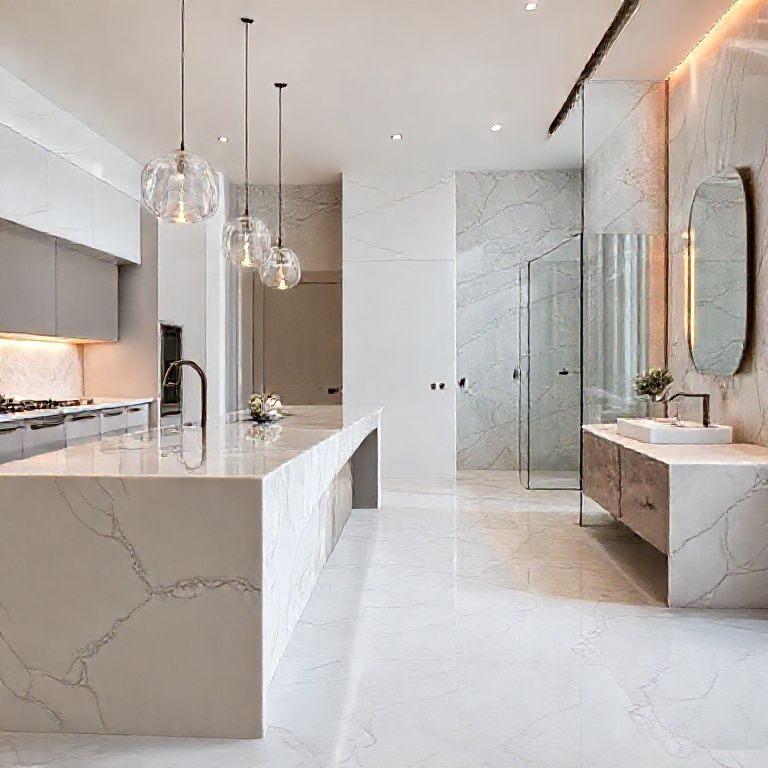
Understanding Synthetic Quartz
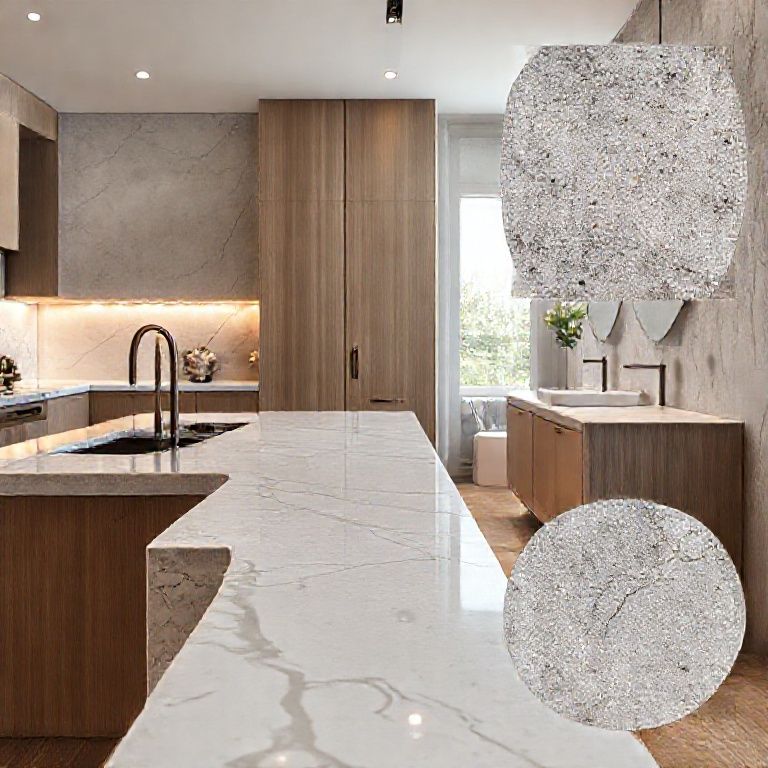
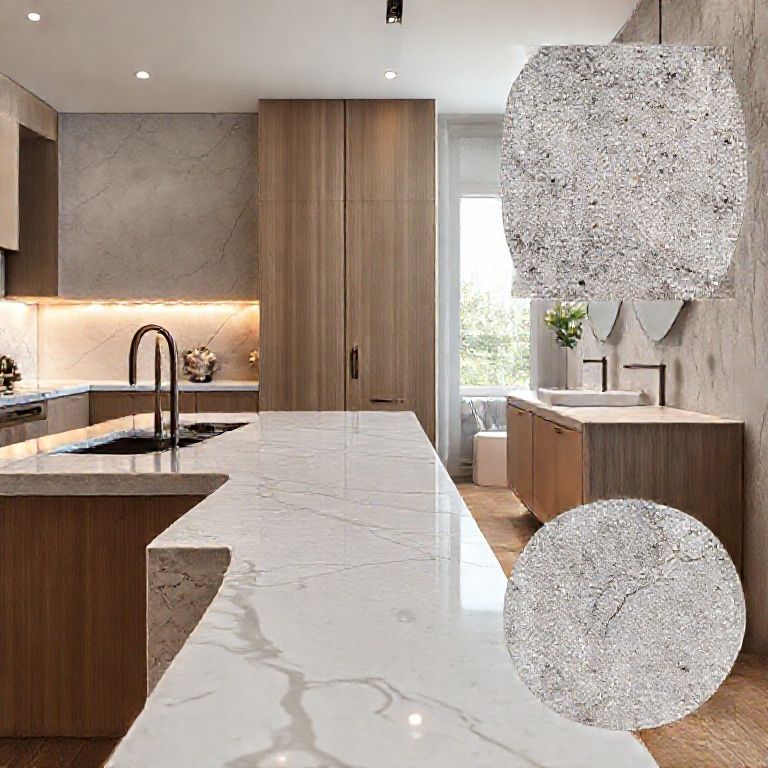
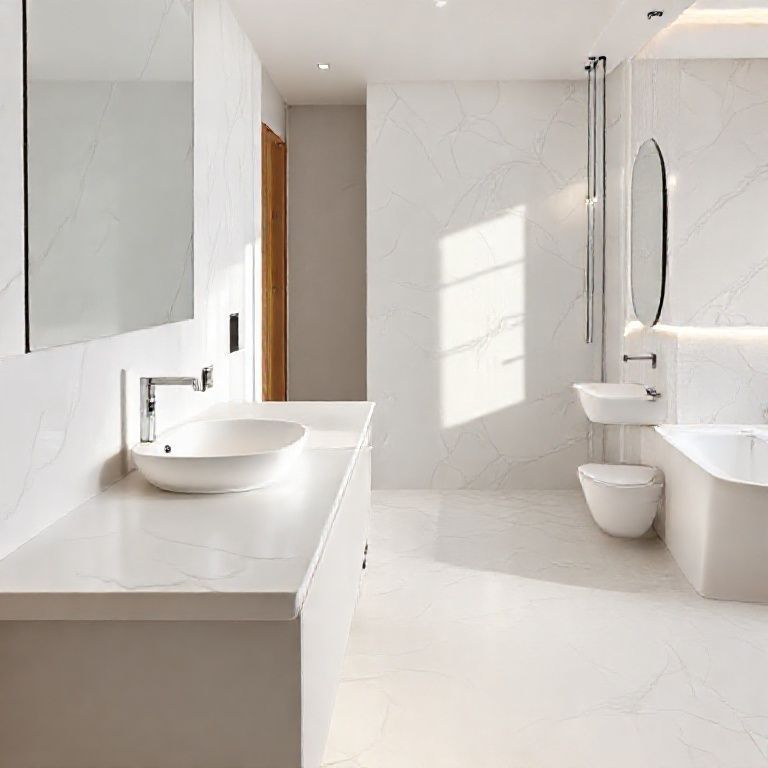
Synthetic quartz, also known as quartz countertops, is a composite material made from 93% quartz and 7% resin. It is produced by mixing fine quartz sand with a resin binder and then pressing and curing it at high temperatures. This process creates a solid, seamless surface that mimics the appearance of natural stone while offering superior functionality and resilience.
Radiation: A Common Concern
When discussing the safety of synthetic materials, the topic of radiation often comes up. Radiation is a form of energy that travels through space or through a medium. It can come from natural sources like the sun and cosmic rays or from man-made sources such as medical equipment and nuclear power plants.
The Myth of Radiation in Quartz Countertops
One of the most persistent myths surrounding synthetic quartz is the belief that it emits radiation. This misconception is likely rooted in the fact that quartz naturally contains trace amounts of radioactive elements like uranium, thorium, and potassium. However, the amount of radiation emitted by these elements is negligible.
Scientific Insights
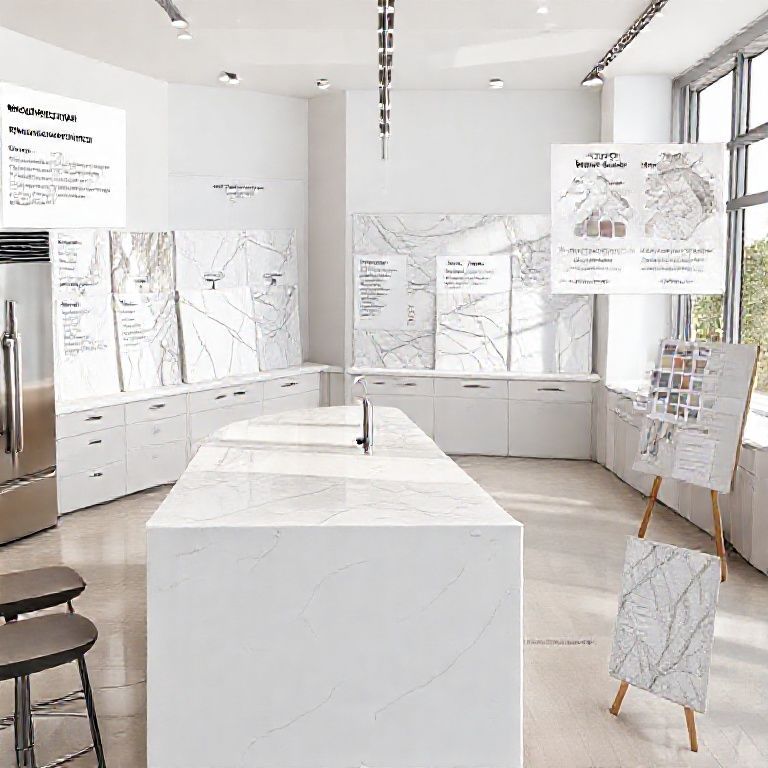
To understand the radiation levels in synthetic quartz, it’s important to consider the processes involved in its creation. During manufacturing, the quartz sand and resin binder are subjected to high temperatures and pressures. This process does not increase the radiation levels beyond what is naturally present in the raw materials.
Studies and research have confirmed that synthetic quartz countertops emit no more radiation than the natural quartz from which they are made. In fact, quartz countertops are often used in environments where radiation control is critical, such as laboratories and medical facilities, due to their non-toxic and inert properties.
Comparative Analysis with Natural Stone
For context, let’s compare synthetic quartz with natural stone countertops, such as granite or marble. Natural stone also contains trace amounts of radioactive elements, but the levels vary significantly depending on the specific type of stone. For instance, some granite varieties can have higher levels of radiation than synthetic quartz.
Regulatory Standards
The safety and radiation levels of synthetic quartz countertops are also subject to stringent regulatory standards. In the United States, the Environmental Protection Agency (EPA) regulates the radiation levels in building materials. According to the EPA, the radiation emitted from synthetic quartz countertops is within acceptable limits, making them safe for everyday use.
Health and Safety Considerations
It’s essential to consider the overall health and safety benefits of synthetic quartz. Unlike some natural stones, synthetic quartz does not require sealing or maintenance with toxic chemicals. It is also resistant to stains, scratches, and heat, making it an excellent choice for modern kitchens and bathrooms.
Conclusion
In conclusion, the notion that synthetic quartz countertops emit harmful radiation is unfounded. The manufacturing process does not increase the radiation levels beyond what is naturally present in the raw materials. Scientific research and regulatory standards affirm that these countertops are safe for everyday use. When choosing a countertop material, it’s vital to consider not only aesthetic and functional factors but also health and safety aspects. Synthetic quartz countertops offer a compelling combination of beauty, durability, and safety, making them an excellent choice for contemporary home design.
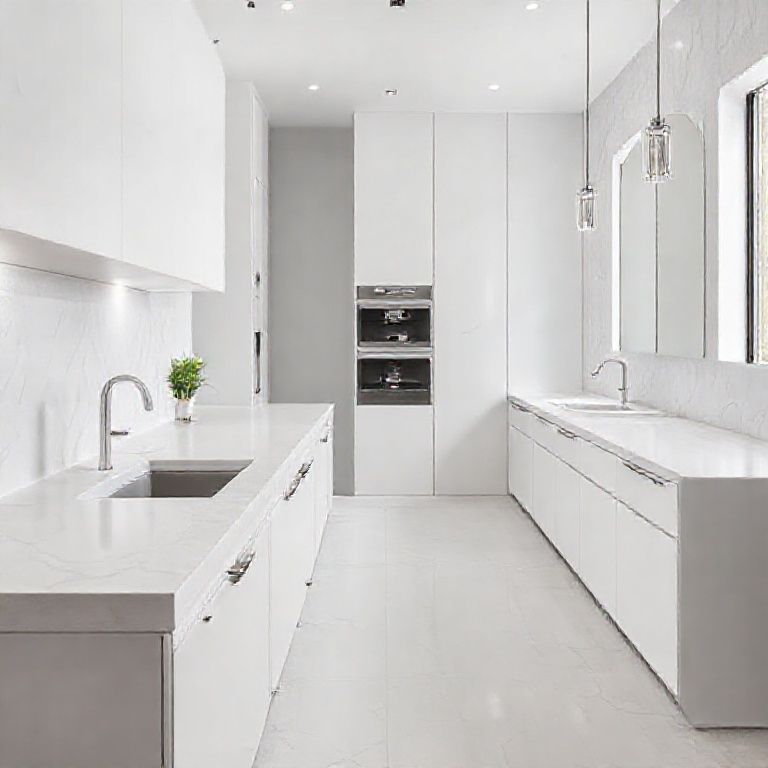
Environmental and Health Benefits of Synthetic Quartz
Sustainable Manufacturing
One of the significant advantages of synthetic quartz countertops is their sustainable manufacturing process. Unlike natural stone mining, which can have a considerable environmental impact, the production of synthetic quartz involves less resource extraction and energy consumption. The manufacturing process is designed to minimize waste and maximize efficiency, contributing to a more sustainable building industry.
Non-Toxic and Safe Composition
Synthetic quartz countertops are made from natural quartz sand and resin, both of which are non-toxic materials. The resin binder used in the manufacturing process is also carefully chosen to ensure that it does not introduce harmful chemicals into the final product. This non-toxic composition makes synthetic quartz an excellent choice for households with children and pets, as well as for those concerned about indoor air quality.
Durability and Low Maintenance
Another significant advantage of synthetic quartz is its durability. Synthetic quartz countertops are highly resistant to scratches, stains, and heat, making them ideal for high-traffic areas like kitchens and dining rooms. Unlike natural stone, which can be prone to staining and requires regular sealing, synthetic quartz offers a low-maintenance surface that retains its beauty and functionality over time.
Versatility in Design
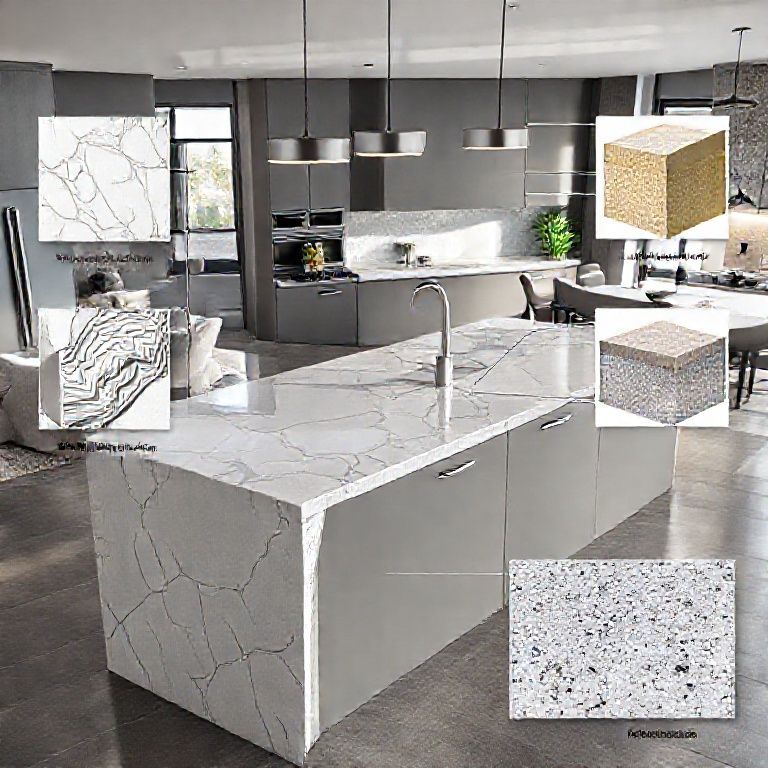
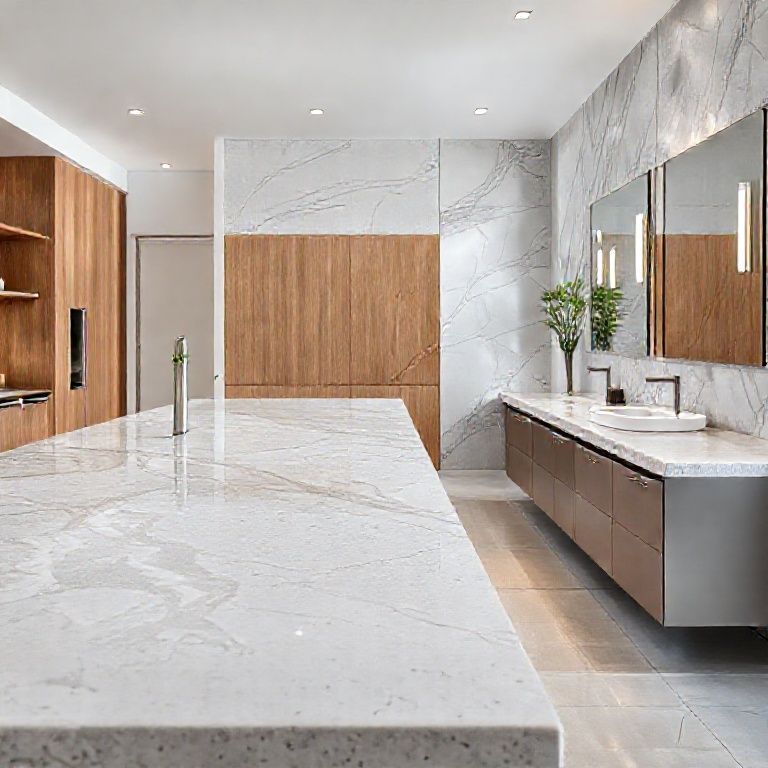
Synthetic quartz countertops are known for their versatility in design. The material can be manufactured in a wide range of colors, patterns, and textures, allowing designers and homeowners to create unique and customized kitchen and bathroom spaces. From sleek and modern to classic and traditional, synthetic quartz offers endless possibilities for creative expression.
Energy Efficiency
The production of synthetic quartz countertops is designed to be energy-efficient. The process involves pressing and curing the quartz and resin at high temperatures, which can be powered by renewable energy sources. Additionally, the durability of synthetic quartz means that fewer countertops need to be replaced over time, reducing the overall energy and resource expenditure associated with material replacement.
Economic Benefits
From an economic perspective, synthetic quartz countertops offer excellent value for money. Although the initial cost of synthetic quartz may be higher than some natural stones, the long-term benefits, including durability, low maintenance, and resistance to damage, often result in lower overall costs over time. The longevity of synthetic quartz means that it provides a cost-effective solution for those looking to invest in a high-quality countertop that will last for many years.
Innovation in Kitchen Design
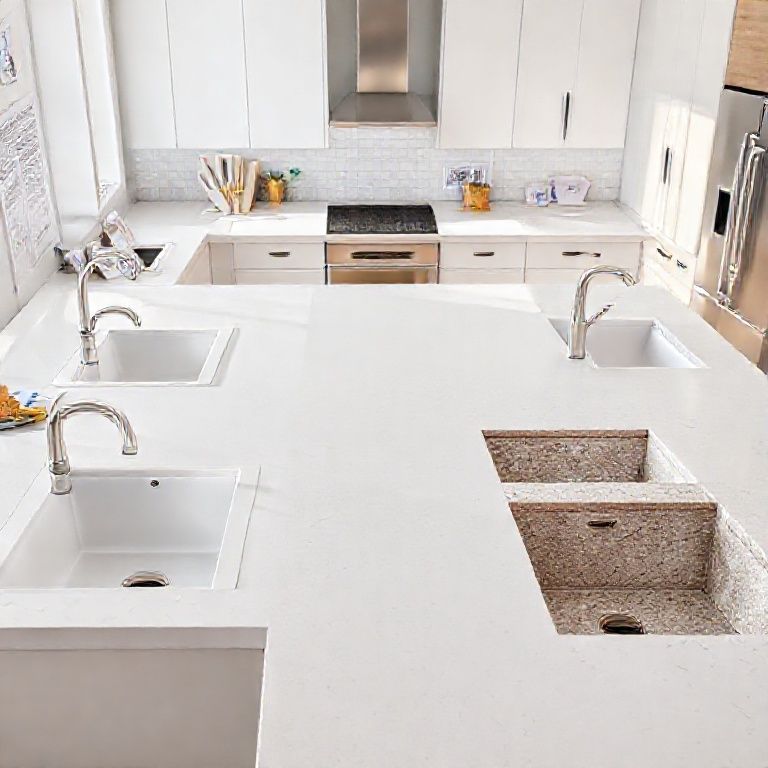
Synthetic quartz countertops have revolutionized kitchen design, offering innovative and customizable solutions that were previously impossible with natural stone. The ability to create intricate patterns, unique designs, and seamless surfaces has opened up new possibilities for designers and homeowners. This innovation has contributed to the evolution of modern kitchen design, making it more functional, beautiful, and tailored to individual preferences.
Conclusion
In summary, synthetic quartz countertops are a remarkable material that offers numerous environmental, health, and design benefits. The manufacturing process is sustainable, the composition is non-toxic, and the material is durable and low-maintenance. Its versatility in design, energy efficiency, and economic value make it an outstanding choice for contemporary kitchen and bathroom spaces. By choosing synthetic quartz, homeowners and designers can enjoy a beautiful, functional, and safe surface that stands the test of time.
With the reassurance that synthetic quartz countertops are free from harmful radiation and packed with benefits, it’s clear that they represent a smart and responsible choice for modern living spaces. Whether you’re a homeowner, designer, or someone simply interested in the latest advancements in building materials, synthetic quartz countertops offer a compelling combination of quality, sustainability, and innovation.