Understanding Artificial Marble and Its Composition
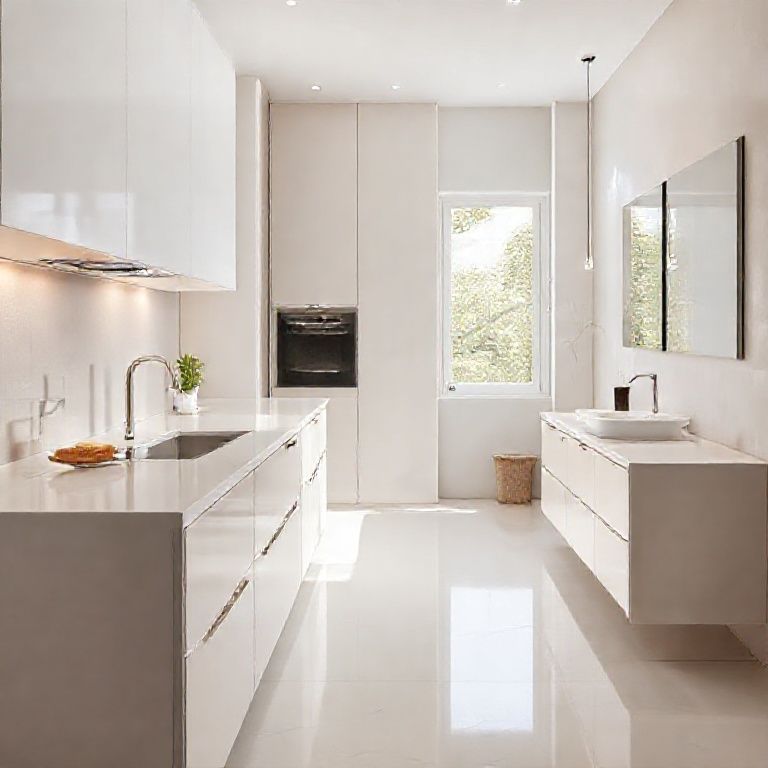
Artificial marble, also known as engineered stone, is a popular choice in both residential and commercial spaces due to its durability, aesthetic appeal, and cost-effectiveness. However, beneath its glossy surface lies a complex composition that raises questions about its safety and long-term effects on health.
The Composition of Artificial Marble
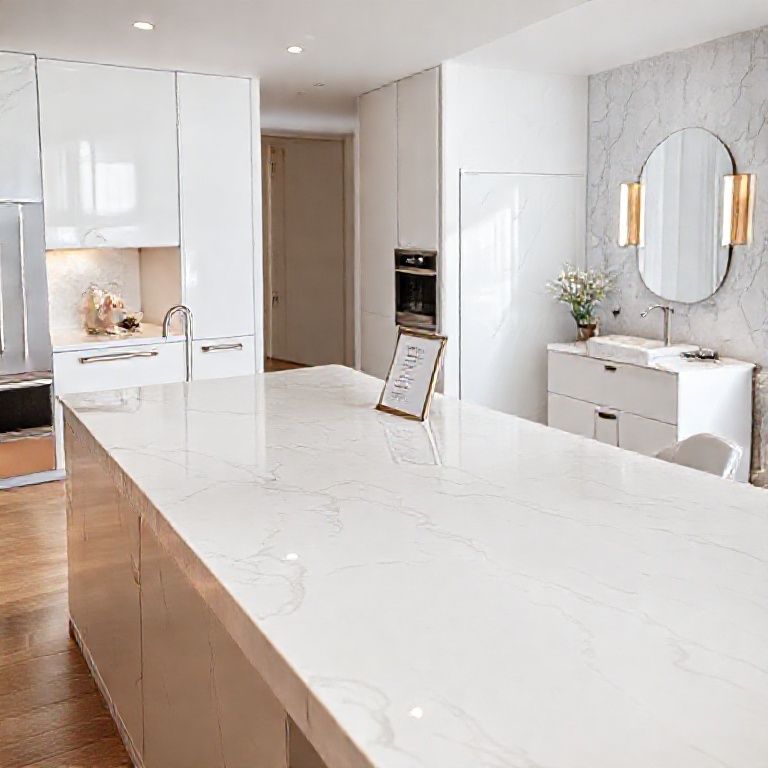
Artificial marble is made by combining various natural minerals with polymers and other additives, resulting in a composite material that mimics the look and feel of traditional marble. This synthetic stone is manufactured through a high-pressure and high-temperature process, which fuses quartz, calcite, and other minerals with resins and pigments to create a homogeneous material.
While the primary component is quartz, which is a naturally occurring mineral, the process of creating artificial marble involves the use of a multitude of synthetic substances. These include:
Quartz and calcite: Natural minerals that provide strength and durability. Polymers: Synthetic compounds that bind the mineral particles together. Pigments: Colorants that give artificial marble its vibrant and varied color options. Other additives: Various substances that enhance properties such as water resistance, UV protection, and stain resistance.
Chemical Exposure and Health Risks
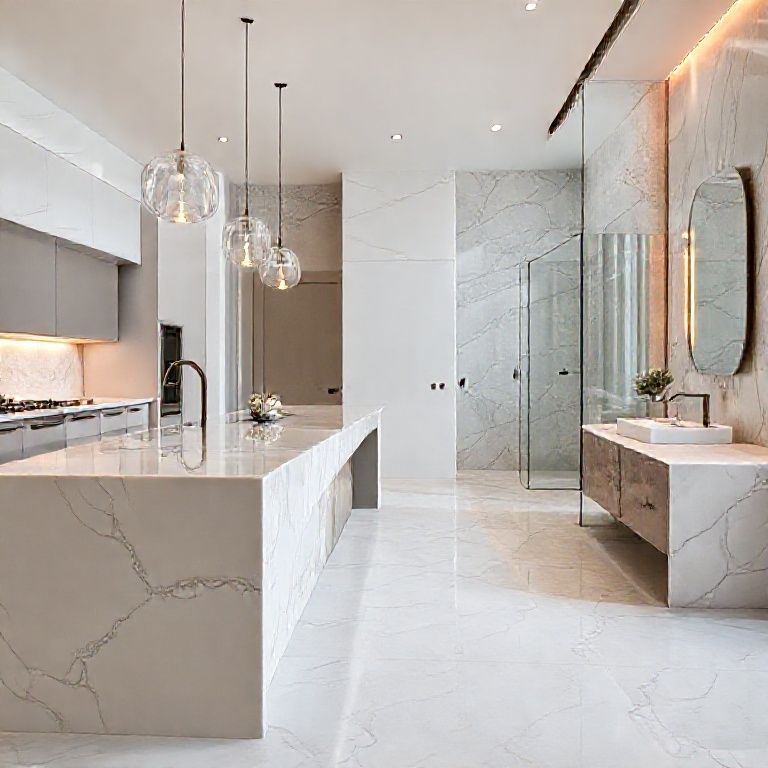
One of the major concerns surrounding artificial marble is the potential release of harmful chemicals into the environment and human body. During the manufacturing process, several chemicals are used that could pose health risks if not properly managed.
Volatile Organic Compounds (VOCs): Many synthetic materials release VOCs, which can evaporate into the air. These compounds are linked to a range of health issues, including respiratory problems, headaches, and eye irritation. Prolonged exposure can even lead to more severe conditions such as liver and kidney damage.
Formaldehyde: Some artificial marble products may contain formaldehyde, a known carcinogen. Formaldehyde can off-gas from the stone, especially during the initial curing phase, posing a risk of exposure to occupants in newly constructed spaces.
Heavy Metals: Although manufacturers claim that their products are free from heavy metals, there have been instances where trace amounts of lead, mercury, or other toxic elements are detected. These heavy metals can leach into water supplies or become airborne, posing a potential health hazard.
Indoor Air Quality
The impact of artificial marble on indoor air quality (IAQ) is a significant concern. New installations often experience poor IAQ due to the off-gassing of various chemicals. The initial phase after installation can be particularly hazardous, as the concentration of VOCs and other pollutants is at its highest.
Studies have shown that the concentration of VOCs in indoor environments can be significantly higher than outdoor levels, especially in newly constructed or renovated buildings with extensive use of synthetic materials. The long-term effects of chronic exposure to these chemicals are still under investigation, but immediate health effects can include:
Respiratory issues: Shortness of breath, coughing, and throat irritation. Neurological symptoms: Headaches, dizziness, and fatigue. Eye irritation: Redness, itching, and watering of the eyes.
Environmental Impact
Beyond health concerns, the environmental footprint of artificial marble is another area of scrutiny. The production process involves significant energy consumption and the use of non-renewable resources. Additionally, improper disposal of synthetic stone can lead to environmental contamination, as the complex chemical makeup makes it difficult to recycle effectively.
Regulatory Measures
To address these concerns, regulatory bodies worldwide are taking steps to monitor and mitigate the risks associated with artificial marble. Standards and guidelines are being developed to ensure that manufacturers use safer materials and that buildings maintain better IAQ. However, adherence to these regulations varies by region, and consumers are often left to navigate the complexities of product safety on their own.
Conclusion of Part 1
In conclusion, while artificial marble offers numerous benefits in terms of aesthetics and durability, its composition and manufacturing processes introduce potential hazards that cannot be ignored. The release of VOCs, formaldehyde, and heavy metals, along with its impact on indoor air quality and the environment, underscores the importance of understanding these risks. In the next part, we will explore the ways to mitigate these hazards and make informed choices when considering artificial marble for your interior design projects.
Mitigating Hazards and Making Informed Choices
Having discussed the composition and potential hazards of artificial marble, it’s crucial to explore how to mitigate these risks and make informed decisions to ensure safety in your living and working spaces.
Reducing Exposure to Harmful Chemicals
To minimize the health risks associated with artificial marble, several strategies can be employed:
Ventilation: Proper ventilation is essential to reduce the concentration of VOCs in indoor environments. Ensuring that your home or office has adequate airflow can significantly decrease the levels of airborne pollutants. Use exhaust fans, open windows, and ensure that HVAC systems are functioning efficiently.
Air Purifiers: Investing in high-quality air purifiers with HEPA filters and activated carbon can help to capture and neutralize VOCs and other airborne contaminants. Place these devices in rooms where artificial marble is installed to enhance air quality.
Low-VOC Alternatives: Opt for artificial marble products that are labeled as low-VOC or VOC-free. Many manufacturers are now producing synthetic stones with reduced chemical content, which can help to minimize health risks.
Post-Installation Aeration: Allowing your space to air out after installation of artificial marble can help to reduce the initial burst of VOCs. Open windows and use fans to circulate air for several weeks post-installation.
Choosing Safe Products
When selecting artificial marble, consider the following factors to ensure you are choosing a safer option:
Certifications and Standards: Look for products that comply with international safety standards such as ISO, EN 14499, or similar certifications. These standards often require rigorous testing for chemical content and safety.
Manufacturer Transparency: Choose manufacturers that provide detailed information about the materials used and the processes involved in producing their products. Transparent companies are more likely to use safer materials and practices.
Reviews and Recommendations: Seek out reviews and recommendations from other consumers who have used the product. Online forums, social media, and review sites can provide valuable insights into the performance and safety of different artificial marble products.
Professional Installation: Ensure that artificial marble is installed by qualified professionals who follow best practices for minimizing chemical release. Proper installation techniques can significantly reduce the risk of exposure to harmful substances.
Long-Term Safety Considerations
While mitigating immediate hazards is crucial, considering long-term safety is equally important. Here are some additional measures to maintain a safe environment:
Regular Maintenance: Regularly clean artificial marble surfaces to prevent the buildup of dust, grime, and potential chemical residues. Use pH-neutral cleaners to avoid damaging the stone’s surface while effectively cleaning it.
Monitoring Indoor Air Quality: Use indoor air quality monitors to keep track of VOC levels and other pollutants. Devices that measure formaldehyde, benzene, and other VOCs can provide real-time data to help you take corrective actions if necessary.
Health Monitoring: If you have concerns about long-term exposure, consider periodic health check-ups that include tests for potential chemical exposure. This can help you identify and address any health issues early.
Sustainable Alternatives
For those deeply concerned about the environmental and health impacts of artificial marble, exploring sustainable alternatives can be a proactive step. Natural stone options such as granite, quartzite, and limestone offer durability and aesthetic appeal while generally having a lower environmental footprint. However, it’s important to note that natural stone also has its own set of considerations, such as the environmental impact of mining and the potential for natural contamination.
Conclusion of Part 2
In conclusion, while artificial marble presents certain risks related to chemical exposure and environmental impact, there are effective strategies to mitigate these hazards. By focusing on proper ventilation, choosing low-VOC products, ensuring professional installation, and maintaining regular air quality monitoring, you can significantly reduce potential health risks. Additionally, being informed and making conscious choices about the materials you use in your living and working spaces can contribute to a safer and more sustainable environment. As we continue to learn more about the long-term effects of synthetic materials, staying updated and proactive in our approach will be key to ensuring both health and safety in our interiors.