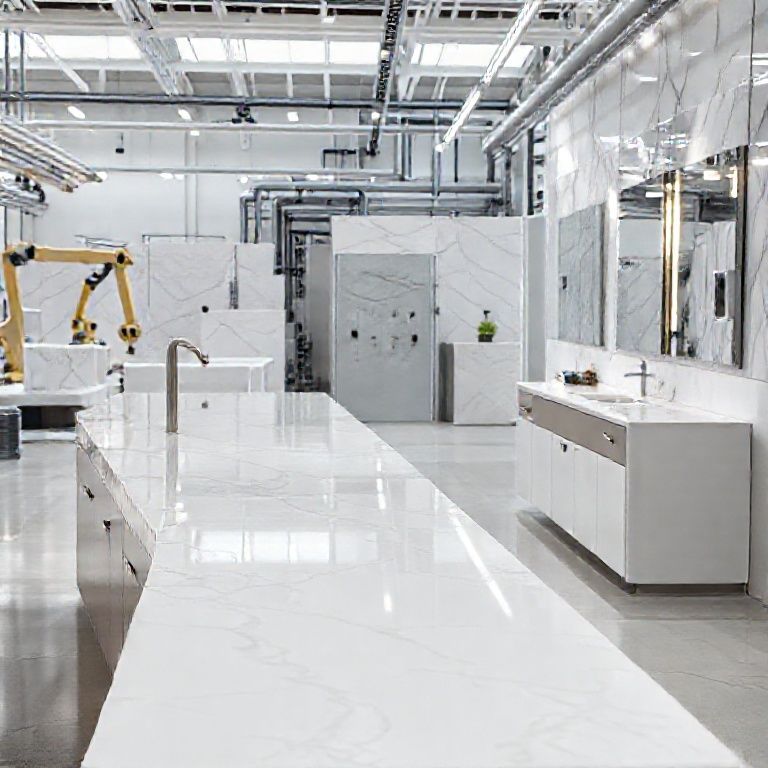
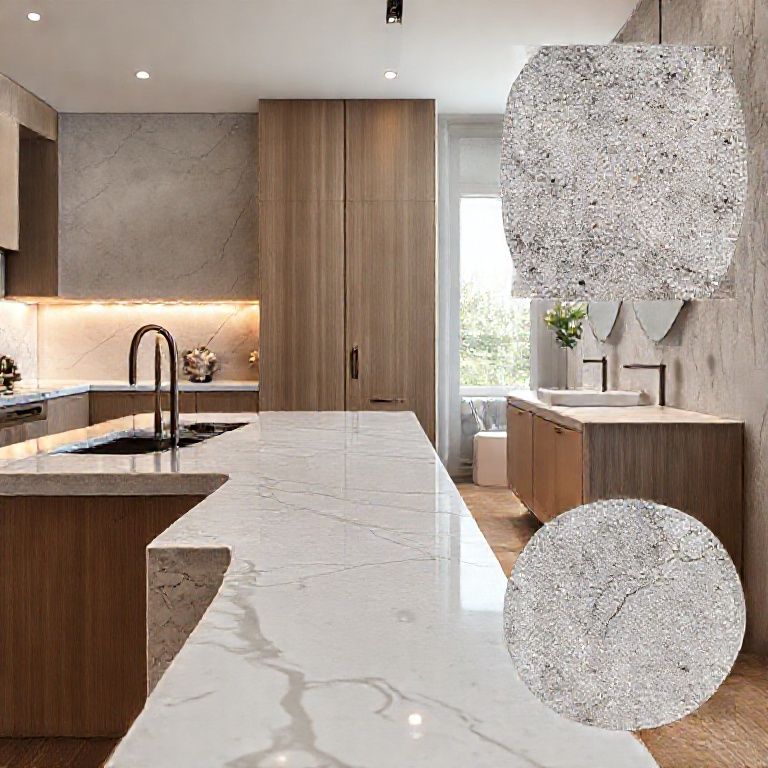
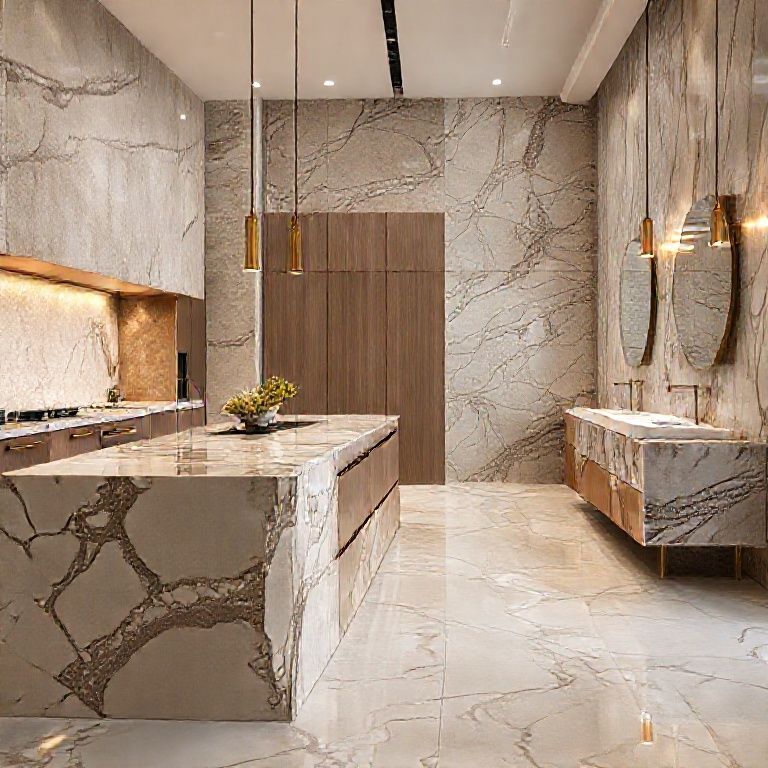
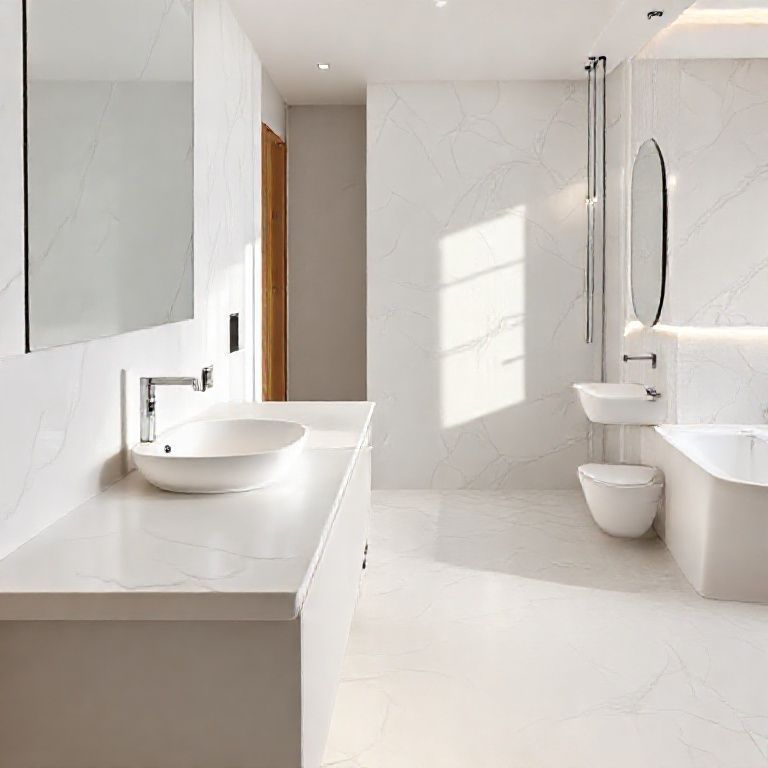
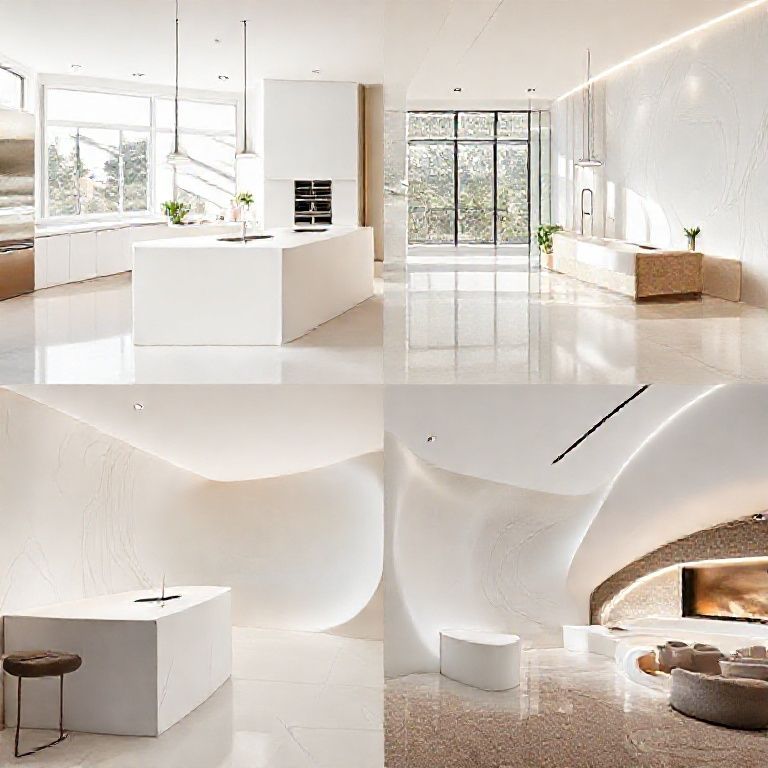
Dive into the world of modern construction with KNAiL board, an innovative and versatile construction material designed to meet the demands of contemporary building projects. This article explores the various aspects of KNAiL board, from its unique features to its applications in various construction scenarios. Discover why KNAiL board is becoming a preferred choice for builders, architects, and engineers around the world.
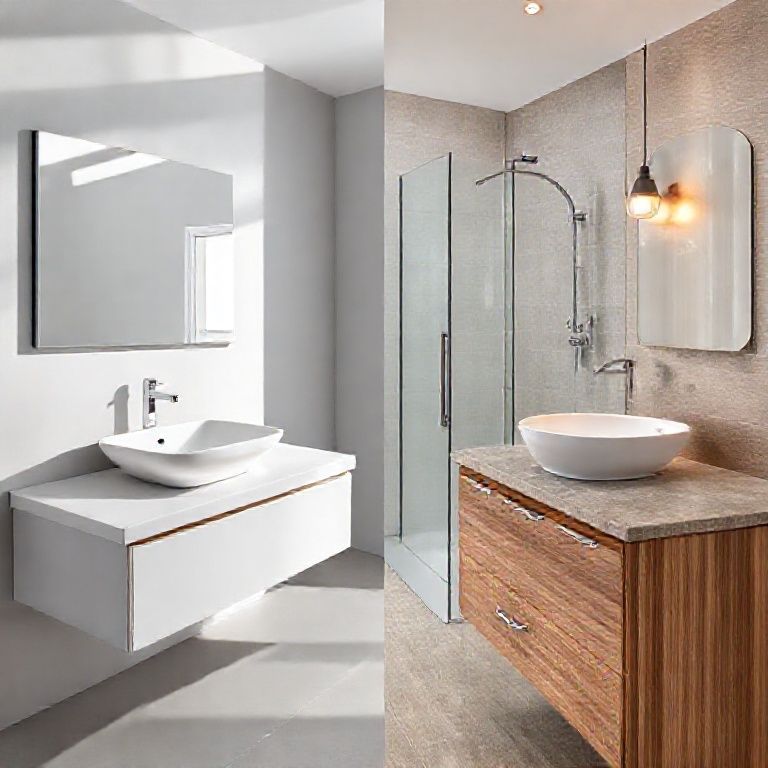
KNAiL board, construction material, versatile building material, modern construction, sustainable building, eco-friendly, high-strength, lightweight, durable, innovative construction technology
Part 1
Introduction to KNAiL Board: A Revolutionary Construction Material
In the realm of modern construction, innovation and efficiency are paramount. One material that has recently made waves in the industry is the KNAiL board. This revolutionary construction material is reshaping the way we approach building projects with its unparalleled versatility, strength, and sustainability.
What is KNAiL Board?
KNAiL board, also known as the “KNAiL board,” is a cutting-edge construction material engineered to meet the rigorous demands of contemporary building projects. It combines the best attributes of traditional materials with advanced technology to deliver a superior product that stands out in terms of performance, durability, and environmental impact.
The Composition and Properties of KNAiL Board
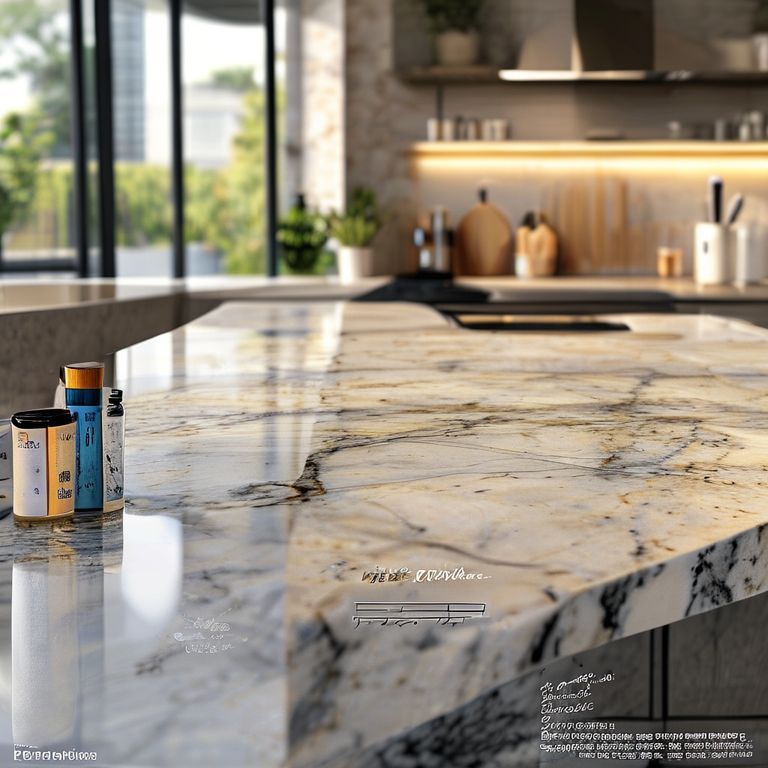
At its core, KNAiL board is a composite material that integrates high-strength fibers with a lightweight matrix. This unique composition results in a product that boasts exceptional strength-to-weight ratios, making it highly versatile for various construction applications. The board’s lightweight nature not only reduces transportation and handling costs but also simplifies the installation process on-site.
Key Features of KNAiL Board
High Strength and Durability: KNAiL board is engineered to withstand extreme conditions, providing robust support and long-lasting durability. Its high-strength fibers ensure that the material can endure heavy loads and resist wear and tear over time.
Lightweight and Easy to Handle: The lightweight nature of KNAiL board makes it easier to transport and install compared to traditional heavy materials. This reduces labor costs and simplifies the construction process, allowing for faster project completion.
Versatility: KNAiL board is incredibly versatile, suitable for a wide range of applications. From structural beams and floor systems to walls and roofing, its adaptability makes it a go-to material for diverse construction needs.
Eco-Friendly: Sustainability is at the forefront of modern construction practices, and KNAiL board is designed with the environment in mind. It is produced using eco-friendly processes and materials, reducing its overall environmental impact.
Fire Resistance: One of the standout features of KNAiL board is its impressive fire resistance. The material is designed to perform well in case of fires, providing a crucial safety benefit for building occupants.
Applications of KNAiL Board in Construction
The versatility of KNAiL board means it can be used in various construction scenarios. Here are some of the primary applications:
Residential Construction: In homes, KNAiL board can be used for floor systems, wall panels, and roofing. Its lightweight and durable nature makes it ideal for residential projects, offering both strength and ease of installation.
Commercial Buildings: KNAiL board is perfect for commercial structures such as offices, retail spaces, and industrial buildings. It provides the necessary support and durability while maintaining a streamlined construction process.
Infrastructure Projects: For bridges, highways, and other infrastructure projects, KNAiL board’s high strength and durability are invaluable. Its ability to support heavy loads and withstand environmental stressors makes it an excellent choice for long-lasting infrastructure.
Renovation and Retrofitting: KNAiL board is also suitable for renovation and retrofitting projects. Its adaptability allows it to be integrated into existing structures seamlessly, providing both support and aesthetic upgrades.
Conclusion
The introduction of KNAiL board represents a significant advancement in construction materials. Its combination of high strength, lightweight nature, versatility, and eco-friendliness makes it an ideal choice for modern building projects. As the construction industry continues to evolve, materials like KNAiL board will play a crucial role in shaping the future of sustainable and efficient construction practices.
Part 2
The Future of Construction: Embracing KNAiL Board for Sustainable Development
As the world shifts towards more sustainable and efficient construction practices, materials like KNAiL board are at the forefront of this transformation. The future of construction hinges on innovative materials that not only meet current demands but also contribute to long-term environmental goals.
Sustainability and Environmental Impact
One of the most compelling aspects of KNAiL board is its sustainability. Traditional construction materials often have significant environmental footprints, from resource extraction to manufacturing processes that release greenhouse gases. In contrast, KNAiL board is produced using environmentally friendly methods, reducing its overall carbon footprint.
Eco-Friendly Production: The manufacturing process of KNAiL board prioritizes sustainability, using renewable resources and minimizing waste. This approach ensures that the production process does not harm the environment, making it a greener alternative to conventional materials.
Low Environmental Impact: KNAiL board’s lightweight nature reduces the need for extensive transportation and handling, further lowering its environmental impact. Additionally, its durability means that buildings constructed with KNAiL board will require less maintenance and replacement over time, contributing to a lower long-term environmental impact.
Recyclability: Another significant advantage of KNAiL board is its recyclability. At the end of its life cycle, KNAiL board can be recycled and repurposed, reducing the need for new raw materials and minimizing waste sent to landfills.
Advancements in Construction Technology
KNAiL board exemplifies the advancements in construction technology that are revolutionizing the industry. Its integration into construction projects highlights the importance of innovation in achieving sustainable development goals.
Smart Construction Practices: KNAiL board is designed to integrate with smart construction practices, such as Building Information Modeling (BIM) and Internet of Things (IoT) technologies. This integration allows for precise planning, real-time monitoring, and efficient management of construction projects, enhancing overall project outcomes.
Precision Engineering: The precise engineering of KNAiL board ensures high-quality construction. Its uniform properties allow for precise measurements and cuts, reducing waste and ensuring that each piece fits perfectly within the overall structure.
Enhanced Safety: KNAiL board’s superior fire resistance and structural integrity contribute to enhanced safety in buildings. This ensures the well-being of occupants and reduces the risk of catastrophic failures, making it a safer choice for construction projects.
Impact on the Construction Industry
The adoption of KNAiL board is reshaping the construction industry by setting new standards for performance, efficiency, and sustainability. Here’s how:
Cost Efficiency: While the initial cost of KNAiL board might be higher compared to traditional materials, its long-term benefits often lead to significant cost savings. The material’s durability reduces maintenance and replacement costs, making it a cost-effective solution in the long run.
Time Efficiency: The lightweight nature of KNAiL board simplifies the construction process, reducing the time required for transportation, handling, and installation. This efficiency translates to faster project completion, allowing builders to meet deadlines more effectively.
Innovation and Competitiveness: Embracing KNAiL board places construction companies at the forefront of innovation. By adopting cutting-edge materials, companies can differentiate themselves in a competitive market, attracting clients who prioritize sustainability and cutting-edge technology.
Challenges and Future Prospects
While KNAiL board offers numerous benefits, there are challenges to its widespread adoption. These include:
Initial Cost: The initial cost of KNAiL board can be higher than traditional materials. However, this is often offset by its long-term benefits, such as durability and reduced maintenance costs.
Awareness and Education: There is a need for greater awareness and education about the benefits of KNAiL board among architects, engineers, and contractors. This includes understanding its properties, applications, and advantages over traditional materials.
Standardization: As with any new material, standardization and regulatory approval processes are essential to ensure that KNAiL board meets the necessary quality and safety standards. Continued research and development can help address these challenges.
Conclusion
The future of construction is bright with the advent of innovative materials like KNAiL board. Its combination of high strength, sustainability, and versatility makes it a powerful tool for modern construction projects. As the industry continues to evolve towards more sustainable and efficient practices, materials like KNAiL board will play a crucial role in shaping a greener, more resilient future. The adoption of KNAiL board not only promises enhanced performance and efficiency but also aligns with the global push towards sustainable development. The construction industry is poised to benefit immensely from this groundbreaking material, setting new standards for the future of building and infrastructure.