The Composition of Artificial Marble
Artificial marble, often referred to as “stone,” is a composite material engineered to mimic the appearance and texture of natural marble. The primary components of artificial marble include a mixture of fine stone dust, resin, and pigments. These materials are meticulously combined to create a product that rivals the beauty and elegance of natural marble while offering superior advantages.
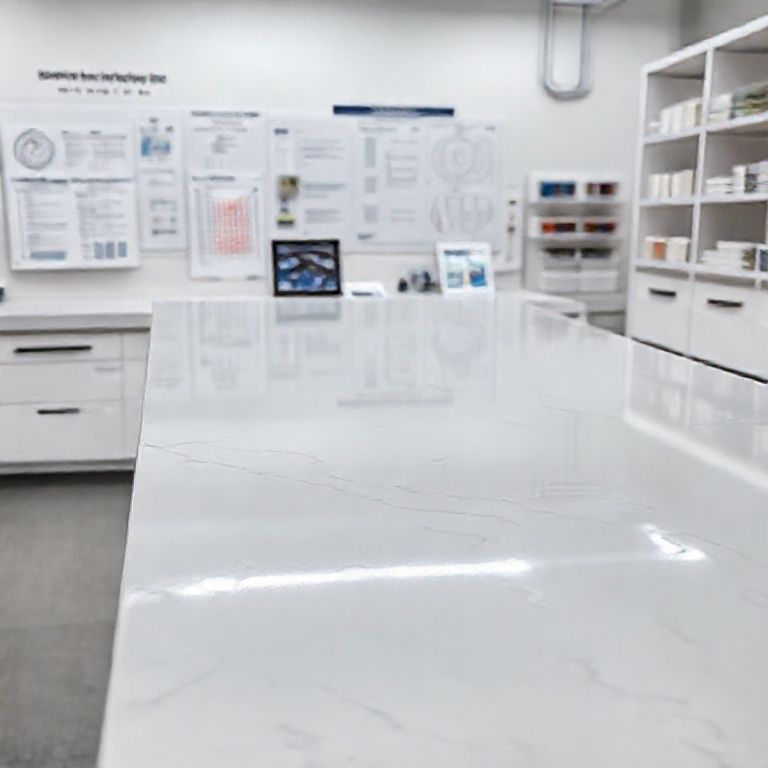
Stone Dust and Resin: The stone dust, typically sourced from natural stone quarries, is finely ground and mixed with a synthetic resin. The resin acts as a binding agent, holding the stone particles together to form a solid, cohesive material. This combination ensures that artificial marble is not only visually stunning but also structurally robust.
Pigments and Coloration: To achieve the wide range of colors and patterns seen in natural marble, pigments are added to the mixture. These pigments are carefully selected to ensure vibrant, long-lasting hues that can be customized to suit various design preferences.
Manufacturing Process: The creation of artificial marble involves a precise manufacturing process where the stone dust, resin, and pigments are heated and compressed. This process ensures that the material is uniformly dense and free of imperfections, resulting in a product that is both beautiful and functional.
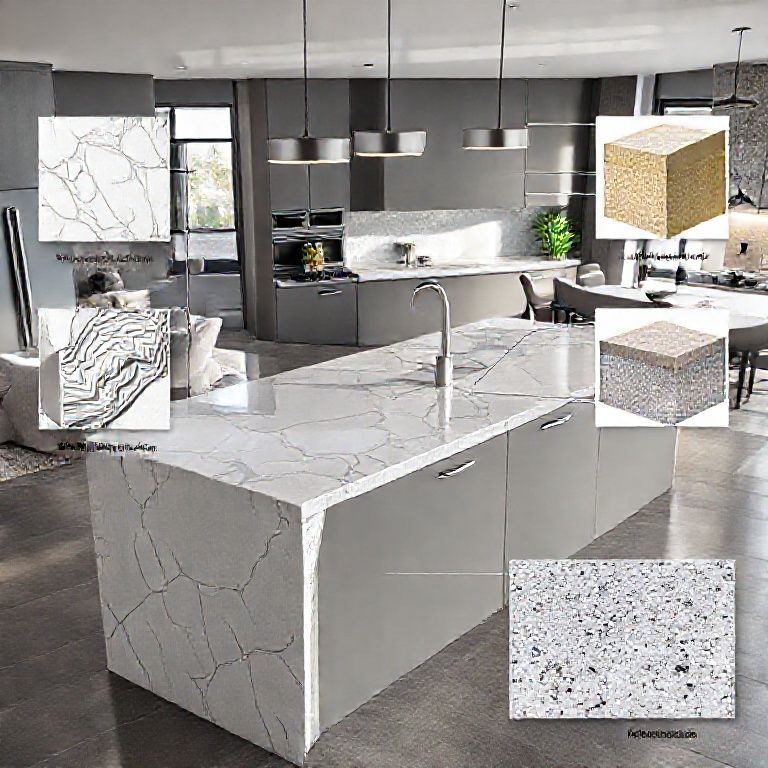
The Advantages of Artificial Marble
Durability: One of the standout benefits of artificial marble is its exceptional durability. Unlike natural marble, which can be prone to scratches, stains, and even chipping, artificial marble is designed to withstand everyday wear and tear. Its high resistance to impact and chemicals makes it an ideal choice for high-traffic areas such as kitchens and bathrooms.
Design Flexibility: Artificial marble offers unparalleled design flexibility. The ability to mold the material into various shapes and sizes allows designers to create custom countertops, sinks, and other fixtures that perfectly fit their aesthetic vision. The variety of colors and patterns available means that artificial marble can seamlessly blend into any design theme, from minimalist to opulent.
Cost-Effectiveness: While artificial marble may have a higher upfront cost compared to some alternatives, its long-term benefits make it a cost-effective choice. The durability of artificial marble reduces the need for frequent repairs or replacements, ultimately saving homeowners and businesses money over time.
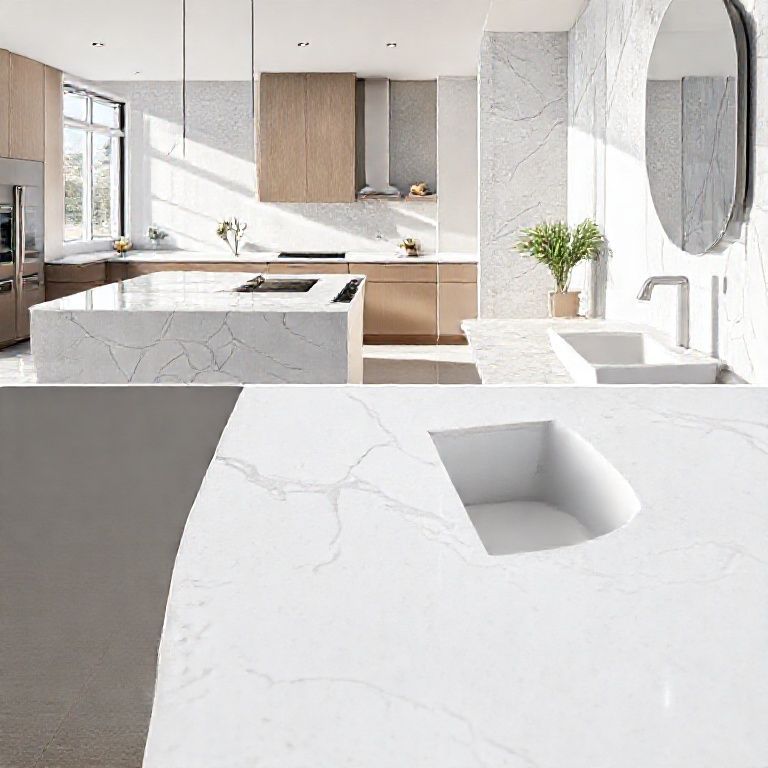
Eco-Friendly: Artificial marble is an eco-friendly option in the world of materials. It typically requires fewer natural resources to produce compared to natural stone, and the manufacturing process can be designed to minimize environmental impact. Additionally, artificial marble can be recycled at the end of its life cycle, contributing to a circular economy.
Hygienic and Easy to Clean: One of the most significant advantages of artificial marble is its ease of maintenance. Unlike natural stone, which can harbor bacteria and mold, artificial marble is smooth and impervious to most stains and bacteria. Cleaning it requires simply a damp cloth and a mild soap solution, ensuring a hygienic surface that is safe for everyday use.
Versatility in Applications: Artificial marble’s versatility extends beyond countertops and kitchen surfaces. It can be used for creating stunning flooring, wall cladding, and even decorative elements such as tabletops and fountains. Its ability to mimic the appearance of natural stone without the limitations makes it a preferred choice in various applications.
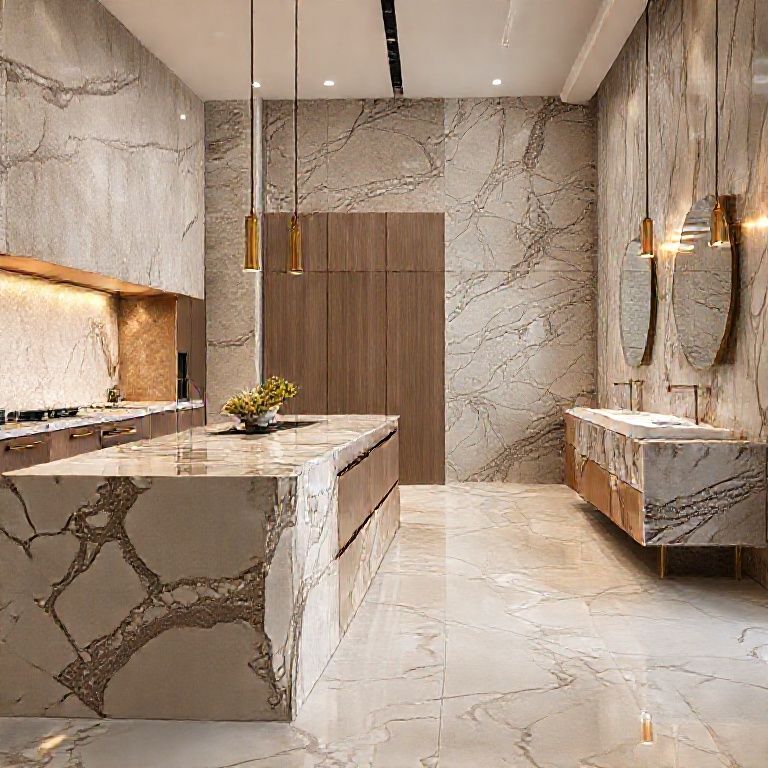
Conclusion
In summary, artificial marble is a remarkable material that combines the beauty and elegance of natural stone with the practical advantages of a modern composite material. Its durable, customizable, and eco-friendly nature makes it an excellent choice for both residential and commercial spaces. As we continue to explore the world of artificial marble, it’s clear that it is not just a material but a transformative force in the realm of home and interior design.
Transformative Applications of Artificial Marble
1. Kitchen Countertops and Backsplashes:
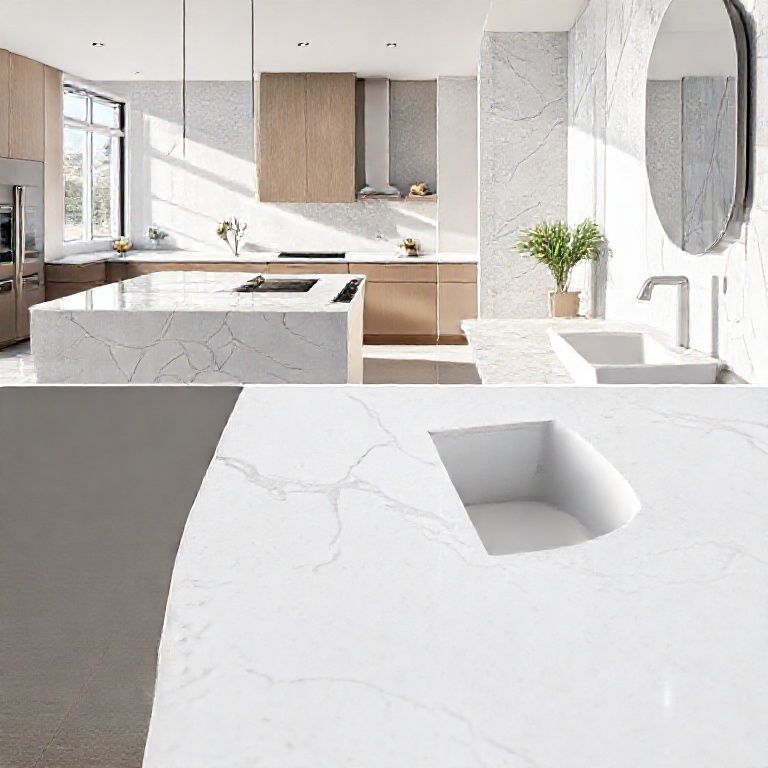
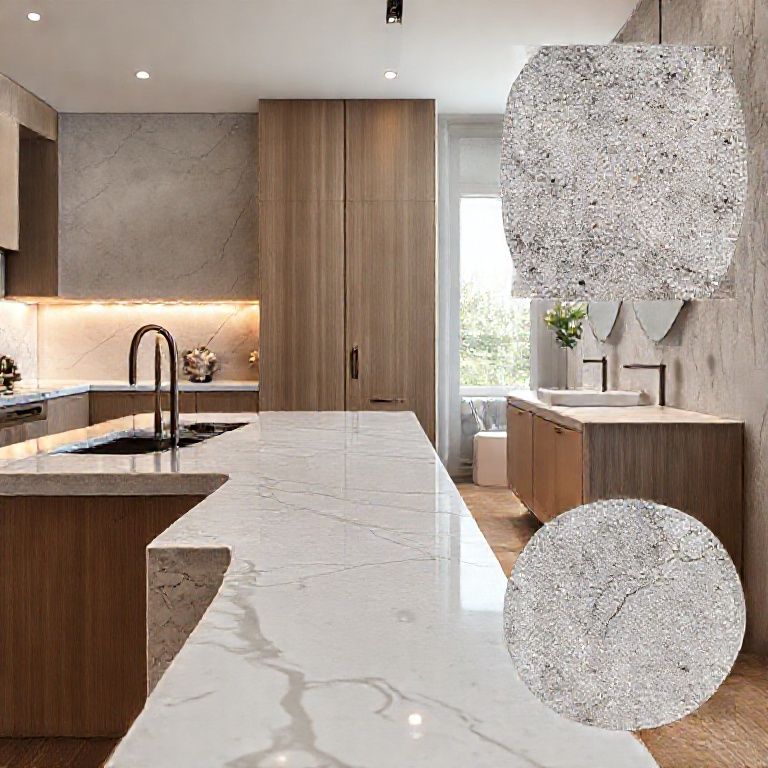
Artificial marble has revolutionized kitchen design by offering a durable, easy-to-clean surface that can replicate the look of natural marble at a fraction of the cost. Kitchen countertops made from artificial marble come in a variety of colors and patterns, allowing designers to create a cohesive look that enhances the overall aesthetic of the space. The material’s resistance to stains and scratches makes it ideal for high-traffic areas where food and spills are common.
2. Bathroom Fixtures and Vanities:
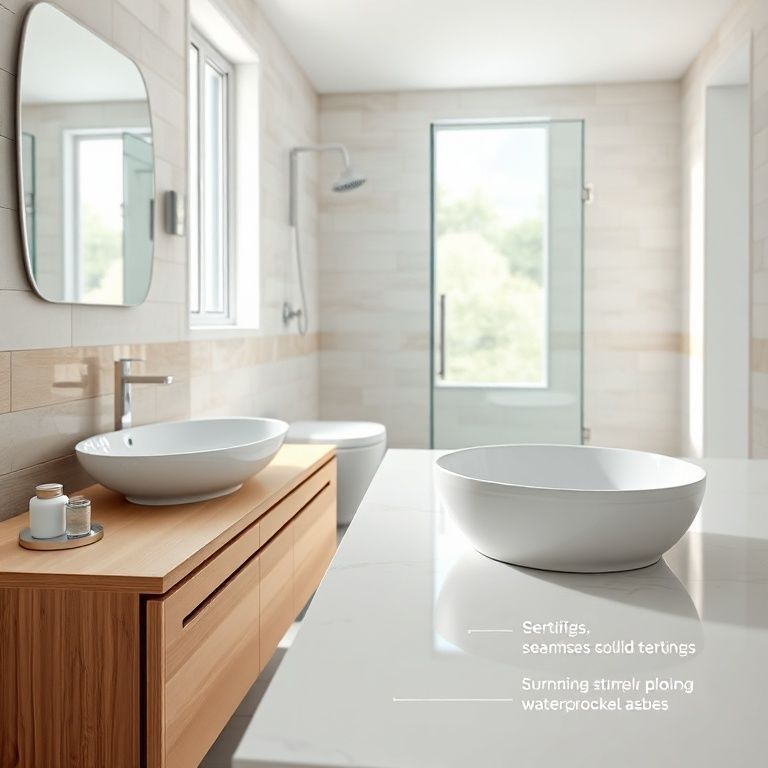
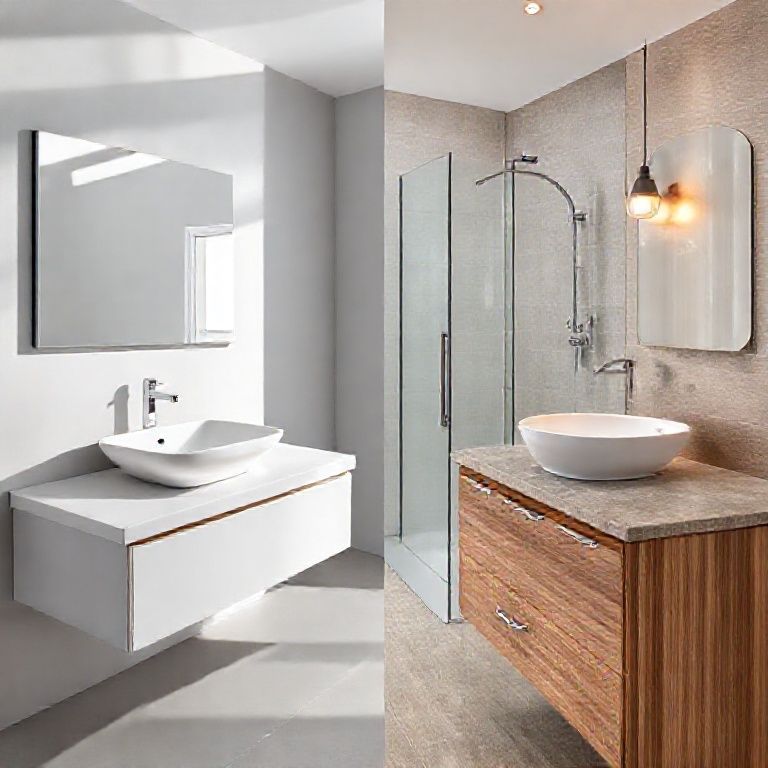
Bathrooms benefit greatly from the use of artificial marble in fixtures and vanities. The material’s durability and resistance to moisture make it an excellent choice for sinks, bathtubs, and other bathroom features. Artificial marble vanities can be crafted to match the style of the bathroom, providing a sleek and elegant look that is both functional and aesthetically pleasing.
3. Flooring Solutions:
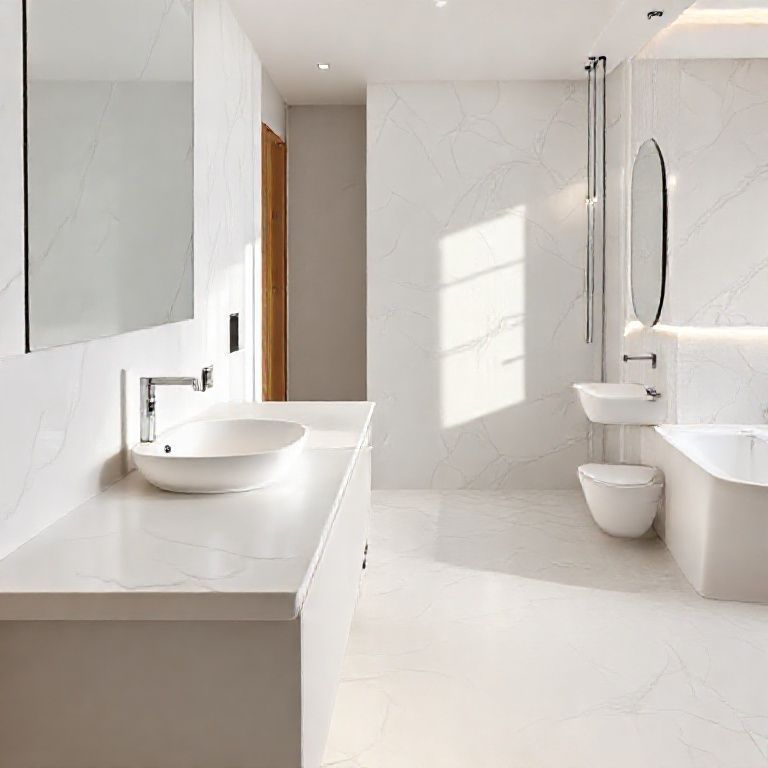
While natural stone is often used for flooring, artificial marble offers a compelling alternative. Its ability to mimic the appearance of various natural stones while maintaining a smoother, more uniform surface makes it a popular choice for both residential and commercial flooring. Artificial marble flooring is easy to install, durable, and low-maintenance, making it an attractive option for homeowners and businesses alike.
4. Wall Cladding and Panels:
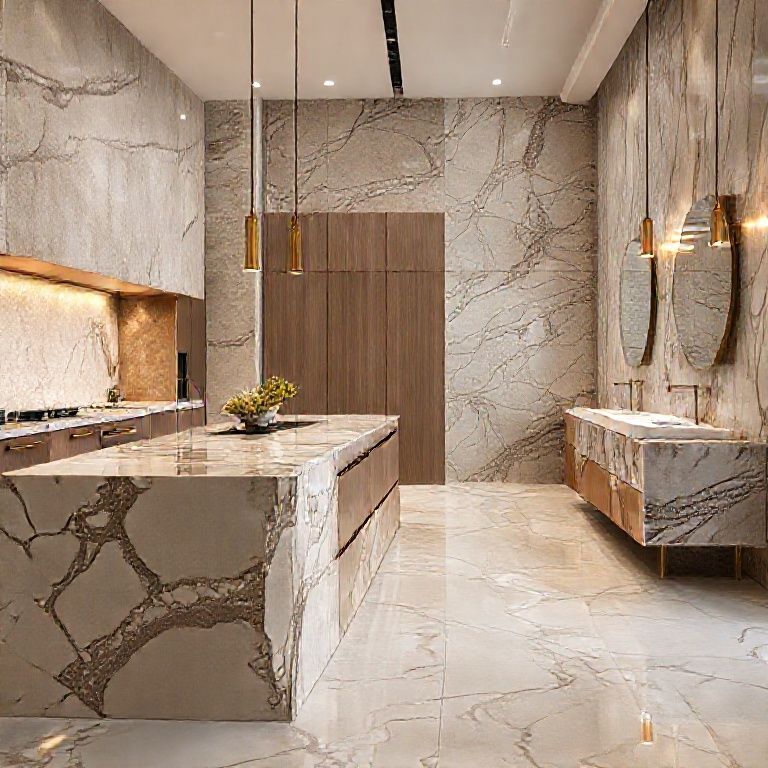
Artificial marble can be used for wall cladding and panels, adding a touch of luxury and sophistication to any space. Whether used in residential interiors or commercial buildings, the material’s versatility allows it to be molded into various shapes and sizes to fit architectural designs seamlessly. The variety of colors and patterns available ensures that artificial marble can complement any existing decor or design theme.
5. Furniture and Decorative Elements:
Beyond countertops and flooring, artificial marble is increasingly being used in furniture and decorative elements. Tabletop inserts, decorative fountains, and custom furniture pieces made from artificial marble can add a unique and elegant touch to any room. The material’s durability and ability to be finished in a variety of colors make it suitable for both high-end and contemporary designs.
Emerging Trends and Innovations
1. Customized and Unique Designs:
One of the most exciting trends in the use of artificial marble is the ability to create customized and unique designs. Advances in manufacturing technology allow for intricate patterns and colors that were once only possible with natural stone. Designers can now create bespoke pieces that reflect specific design visions, making artificial marble a highly customizable material for both residential and commercial projects.
2. Sustainable and Eco-Friendly Options:
As sustainability becomes a more significant concern, the development of eco-friendly artificial marble is gaining traction. Manufacturers are exploring ways to reduce environmental impact through more sustainable sourcing of raw materials and more efficient manufacturing processes. Additionally, advancements in recycling technology mean that artificial marble can be repurposed and reused, contributing to a more circular economy.
3. Integration with Smart Technologies:
The integration of artificial marble with smart technologies is another emerging trend. As smart home technology continues to evolve, artificial marble can be incorporated into innovative solutions such as interactive surfaces and smart lighting. These advancements not only enhance the aesthetic appeal of the material but also add functional benefits that improve the overall living experience.
4. Hybrid Materials and Composites:
Research and development in the field of composite materials are leading to the creation of hybrid materials that combine the best features of artificial marble with other advanced materials. These hybrid materials offer even greater durability, flexibility, and aesthetic options, pushing the boundaries of what artificial marble can achieve. Such innovations are paving the way for new applications and design possibilities.
5. Architectural Innovations:
Artificial marble is increasingly being used in architectural innovations, including large-scale outdoor installations and public spaces. Its durability and resistance to weather conditions make it suitable for creating long-lasting, visually stunning structures that can withstand the elements. Architectural designers are exploring new ways to incorporate artificial marble into buildings, parks, and other public spaces to create iconic, enduring landmarks.
Conclusion
Artificial marble continues to transform the landscape of home and interior design with its versatility, durability, and aesthetic appeal. As technology advances and new trends emerge, the potential applications of artificial marble are expanding, offering designers and homeowners more innovative and sustainable options than ever before. Whether used for kitchen countertops, bathroom fixtures, flooring, or architectural features, artificial marble is proving to be a material of the future, setting new standards for beauty, functionality, and sustainability in design.
The Composition of Artificial Marble
Artificial marble, often referred to as “stone,” is a composite material engineered to mimic the appearance and texture of natural marble. The primary components of artificial marble include a mixture of fine stone dust, resin, and pigments. These materials are meticulously combined to create a product that rivals the beauty and elegance of natural marble while offering superior advantages.
Stone Dust and Resin: The stone dust, typically sourced from natural stone quarries, is finely ground and mixed with a synthetic resin. The resin acts as a binding agent, holding the stone particles together to form a solid, cohesive material. This combination ensures that artificial marble is not only visually stunning but also structurally robust.
Pigments and Coloration: To achieve the wide range of colors and patterns seen in natural marble, pigments are added to the mixture. These pigments are carefully selected to ensure vibrant, long-lasting hues that can be customized to suit various design preferences.
Manufacturing Process: The creation of artificial marble involves a precise manufacturing process where the stone dust, resin, and pigments are heated and compressed. This process ensures that the material is uniformly dense and free of imperfections, resulting in a product that is both beautiful and functional.
The Advantages of Artificial Marble
Durability: One of the standout benefits of artificial marble is its exceptional durability. Unlike natural marble, which can be prone to scratches, stains, and even chipping, artificial marble is designed to withstand everyday wear and tear. Its high resistance to impact and chemicals makes it an ideal choice for high-traffic areas such as kitchens and bathrooms.
Design Flexibility: Artificial marble offers unparalleled design flexibility. The ability to mold the material into various shapes and sizes allows designers to create custom countertops, sinks, and other fixtures that perfectly fit their aesthetic vision. The variety of colors and patterns available means that artificial marble can seamlessly blend into any design theme, from minimalist to opulent.
Cost-Effectiveness: While artificial marble may have a higher upfront cost compared to some alternatives, its long-term benefits make it a cost-effective choice. The durability of artificial marble reduces the need for frequent repairs or replacements, ultimately saving homeowners and businesses money over time.
Eco-Friendly: Artificial marble is an eco-friendly option in the world of materials. It typically requires fewer natural resources to produce compared to natural stone, and the manufacturing process can be designed to minimize environmental impact. Additionally, artificial marble can be recycled at the end of its life cycle, contributing to a circular economy.
Hygienic and Easy to Clean: One of the most significant advantages of artificial marble is its ease of maintenance. Unlike natural stone, which can harbor bacteria and mold, artificial marble is smooth and impervious to most stains and bacteria. Cleaning it requires simply a damp cloth and a mild soap solution, ensuring a hygienic surface that is safe for everyday use.
Versatility in Applications: Artificial marble’s versatility extends beyond countertops and kitchen surfaces. It can be used for creating stunning flooring, wall cladding, and even decorative elements such as tabletops and fountains. Its ability to mimic the appearance of natural stone without the limitations makes it a preferred choice in various applications.
Conclusion
In summary, artificial marble is a remarkable material that combines the beauty and elegance of natural stone with the practical advantages of a modern composite material. Its durable, customizable, and eco-friendly nature makes it an excellent choice for both residential and commercial spaces. As we continue to explore the world of artificial marble, it’s clear that it is not just a material but a transformative force in the realm of home and interior design.
Transformative Applications of Artificial Marble
1. Kitchen Countertops and Backsplashes:
Artificial marble has revolutionized kitchen design by offering a durable, easy-to-clean surface that can replicate the look of natural marble at a fraction of the cost. Kitchen countertops made from artificial marble come in a variety of colors and patterns, allowing designers to create a cohesive look that enhances the overall aesthetic of the space. The material’s resistance to stains and scratches makes it ideal for high-traffic areas where food and spills are common.
2. Bathroom Fixtures and Vanities:
Bathrooms benefit greatly from the use of artificial marble in fixtures and vanities. The material’s durability and resistance to moisture make it an excellent choice for sinks, bathtubs, and other bathroom features. Artificial marble vanities can be crafted to match the style of the bathroom, providing a sleek and elegant look that is both functional and aesthetically pleasing.
3. Flooring Solutions:
Artificial marble has emerged as a popular alternative to natural stone for flooring solutions. Its ability to mimic the appearance of various natural stones while maintaining a smoother, more uniform surface makes it a favored choice for both residential and commercial flooring. Artificial marble flooring is easy to install, durable, and low-maintenance, making it an attractive option for homeowners and businesses alike.
4. Wall Cladding and Panels:
Artificial marble can be used for wall cladding and panels, adding a touch of luxury and sophistication to any space. Whether used in residential interiors or commercial buildings, the material’s versatility allows it to be molded into various shapes and sizes to fit architectural designs seamlessly. The variety of colors and patterns available ensures that artificial marble can complement any existing decor or design theme.
5. Furniture and Decorative Elements:
Beyond countertops and flooring, artificial marble is increasingly being used in furniture and decorative elements. Tabletop inserts, decorative fountains, and custom furniture pieces made from artificial marble can add a unique and elegant touch to any room. The material’s durability and ability to be finished in a variety of colors make it suitable for both high-end and contemporary designs.
Emerging Trends and Innovations
1. Customized and Unique Designs:
One of the most exciting trends in the use of artificial marble is the ability to create customized and unique designs. Advances in manufacturing technology allow for intricate patterns and colors that were once only possible with natural stone. Designers can now create bespoke pieces that reflect specific design visions, making artificial marble a highly customizable material for both residential and commercial projects.
2. Sustainable and Eco-Friendly Options:
As sustainability becomes a more significant concern, the development of eco-friendly artificial marble is gaining traction. Manufacturers are exploring ways to reduce environmental impact through more sustainable sourcing of raw materials and more efficient manufacturing processes. Additionally, advancements in recycling technology mean that artificial marble can be repurposed and reused, contributing to a more circular economy.
3. Integration with Smart Technologies:
The integration of artificial marble with smart technologies is another emerging trend. As smart home technology continues to evolve, artificial marble can be incorporated into innovative solutions such as interactive surfaces and smart lighting. These advancements not only enhance the aesthetic appeal of the material but also add functional benefits that improve the overall living experience.
4. Hybrid Materials and Composites:
Research and development in the field of composite materials are leading to the creation of hybrid materials that combine the best features of artificial marble with other advanced materials. These hybrid materials offer even greater durability, flexibility, and aesthetic options, pushing the boundaries of what artificial marble can achieve. Such innovations are paving the way for new applications and design possibilities.
5. Architectural Innovations:
Artificial marble is increasingly being used in architectural innovations, including large-scale outdoor installations and public spaces. Its durability and resistance to weather conditions make it suitable for creating long-lasting, visually stunning structures that can withstand the elements. Architectural designers are exploring new ways to incorporate artificial marble into buildings, parks, and other public spaces to create iconic, enduring landmarks.
Conclusion
Artificial marble continues to transform the landscape of home and interior design with its versatility, durability, and aesthetic appeal. As technology advances and new trends emerge, the potential applications of artificial marble are expanding, offering designers and homeowners more innovative and sustainable options than ever before. Whether used for kitchen countertops, bathroom fixtures, flooring, or architectural features, artificial marble is proving to be a material of the future, setting new standards for beauty, functionality, and sustainability in design.
In summary, artificial marble is not just a material but a transformative force that is reshaping the way we think about home and interior design. Its combination of durability, design flexibility, and eco
-friendliness makes it an ideal choice for creating spaces that are both functional and aesthetically pleasing, while also being mindful of the environment. As we move forward, the continued innovation and application of artificial marble will undoubtedly lead to even more exciting developments in the world of design.