
Outline: Differences in Artificial Marble
What artificial marble is: definitions and categories
Key terms to know: cultured marble, engineered quartz, solid surface
Material science basicsMajor types of artificial marble
Cultured Marble
Composition and manufacturing process Typical properties and usesEngineered Quartz (Quartz Composites)
Composition and manufacturing process Key properties and ideal applicationsSolid Surface (Acrylic/Polyester)
Composition and manufacturing process Pros, cons, and best-use casesOther notable variants
Resin-based composites, hybrid materialsComparative matrix: What sets them apart
Durability and scratch resistance
Heat resistanceMaintenance and care
Stain resistance and sealing requirementsCost and value equation
Price ranges by material
Long-term cost considerations
Appearance and design choices
Color and pattern variety
Consistency vs. natural variationPractical guidance: choosing the right type
By room and use-case
Bathrooms, kitchens, outdoor, commercialCare, repair, and lifecycle
Cleaning regimens
Repairing scratches and chipsEnvironmental and sustainability considerations
VOC emissions, recyclability
End-of-life optionsPart 2: The Article
What Are the Differences in Artificial Marble? A Practical Guide to Cultured Marble, Engineered Quartz, and Solid Surface
If you’re shopping for kitchen counters, bathroom vanities, or shower surrounds, you’ve probably bumped into the term “artificial marble.” It sounds fancy, but there are real differences between the most common types on the market. Think of it like shopping for jeans—denim isn’t all the same, and the fit, fiber content, and wash matter for how you’ll wear them day to day. In this guide, I’ll walk you through the main varieties of artificial marble, how they’re made, what they’re best at, and how to decide which one fits your space and budget.

Understanding the basics: what counts as artificial marble?
Artificial marble is a broad category that covers engineered stone products designed to mimic the look of natural marble while offering other benefits like lower cost, more consistent color, and easier maintenance. The big three players you’re likely to encounter are cultured marble, engineered quartz, and solid surface. Each uses a different mix of binders, aggregates, and manufacturing methods, which drives the big differences in feel, durability, and upkeep.
Cultured Marble: the classic resin-and-stone look
What it is made of and how it’s madeCultured marble is typically made by blending marble dust or chips with a polyester or acrylic resin binder. The mixture is cast in a mold, cured, and then finished with a glossy top coat. The result is a glossy, marble-like surface that can resemble natural stone with swirls and veins.
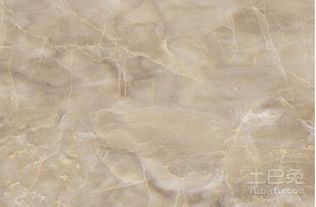 Where it shines (and where it doesn’t) Pros: Generally affordable, easy to work with, and widely available in many colors and patterns. It can be molded to fit custom shapes and sizes, making it popular for vanity tops and shower surrounds. Cons: It’s more prone to scratching and staining than quartz. It can be sensitive to heat and chemical cleaners, and it often requires sealing and re-sealing for best performance over time. The surface can sometimes show wear in high-traffic areas.
Engineered Quartz: the hard-wearing workhorse
What it is made of and how it’s madeEngineered quartz, or quartz surfaces, combine ground quartz crystals with resins (usually polymer) and pigments. The mixture is compacted under high pressure and heat to form solid slabs with a non-porous surface. It’s known for its uniformity and durability.
Where it shines (and where it doesn’t) Pros: Extremely durable, highly resistant to scratching, staining, and heat compared to cultured marble. The non-porous surface means fewer sealing concerns and low maintenance. A wide color and pattern range, often with very consistent patterns. Cons: Can be pricey, and it can be sensitive to very high heat (like placing a hot pot directly on the surface). Edges and seams can reveal the material’s composite nature, especially in darker colors.Solid Surface: the seamless, repair-friendly option
What it is made of and how it’s madeSolid surface is usually acrylic or a blend of acrylic and other polymers with minerals added for structure. It’s cast or thermoformed into slabs and can be joined with seamless or nearly seamless joints.
 Where it shines (and where it doesn’t) Pros: Very repairable—minor scratches and even small burns can be sanded out. Non-porous, so it resists stains and needs no sealing. Great for seamless runs, integrated sinks, and bold color choices. Cons: Not as hard as quartz; can be scratched more easily, and heat can cause damage if hot pots are placed directly on it. The surface often has a softer, more matte finish than cultured marble or quartz.
Other variants: not all artificial marble is the same
Beyond the big three, there are resin-based composites and hybrid materials. Some products mix epoxy or polyester resins with different aggregates to tune cost, look, and performance. They can offer niche advantages in terms of texture or design flexibility but often come with trade-offs in durability or maintenance compared to quartz or solid surface.
Comparative matrix: what sets them apart in real life
Durability, maintenance, and look are the main axes here, but you’ll also see differences in heat resistance, stain resistance, and repair options. Here’s a practical snapshot:
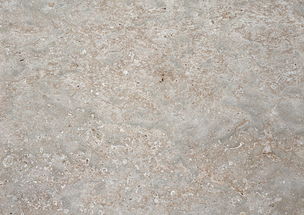 Durability: Engineered quartz > Solid surface > Cultured marble Scratch resistance: Quartz ≈ Solid surface (with more care) > Cultured marble Stain resistance: Quartz and solid surface are highly resistant; cultured marble is more prone to staining without proper sealing Heat tolerance: Quartz is the most heat-tolerant among the three; cultured marble and solid surface require protection from hot items Maintenance: Quartz and solid surface are low-maintenance; cultured marble needs more routine sealing in some cases Seams and repairs: Solid surface can be repaired more easily; quartz seams are strong but not easily reparable; cultured marble seams can show wear over time
Keeping it clean: care, maintenance, and everyday use
Cleaning routines: Use mild, non-abrasive cleaners. Wipe up spills promptly to keep colors vibrant. Avoid harsh chemicals that can dull finishes on cultured marble. Sealing: Cultured marble often benefits from a periodic sealant, depending on the product line; quartz and solid surface generally don’t require sealing. Heat and chemicals: Avoid placing hot pans directly on any of these surfaces. Use trivets, mats, or cutting boards. Abrasive cleaners should be avoided on all three to minimize micro-scratches.Cost and value: what you get for your money
Price ranges: Cultured marble tends to be the most budget-friendly option, often a good fit for bathrooms and light-use kitchens. Engineered quartz sits higher in price but offers top-tier durability and longevity. Solid surface falls somewhere in between, with strong repairability and mid-range cost. Long-term value: Quartz’s durability and low maintenance often translate to lower lifetime costs for busy kitchens. Solid surface adds value with seamless aesthetics and easy repairs. Cultured marble can be a smart choice for cost-conscious projects if you’re mindful of maintenance.Appearance and design choices: looks that fit your style
Color and pattern variety: Quartz often has the widest range and most uniform patterns; cultured marble can feature characteristic swirls and a more “stone-like” look; solid surface offers bold color options and customizable, seamless designs. Consistency vs. natural variation: If you love a consistent, uniform look, quartz is your go-to. If you enjoy the idea of natural-appearing marble veining, cultured marble can deliver that with a more accessible price tag.Practical guidance: choosing the right type for your project
By room and use-case: Kitchens: Engineered quartz is often preferred for its durability and low maintenance. Bathrooms: Cultured marble and solid surface are common; solid surface offers easy repairs for vanity tops and shower surrounds. Outdoor use: Performance and UV resistance vary by product; quartz can endure many indoor environments but outdoor exposure requires specific formulations. Commercial spaces: Quartz’s durability and uniform appearance make it a favorite for high-traffic areas. Quick decision checklist: How much maintenance do you want to handle? Do you need seamless installations or bold motifs? How important is heat resistance in your use-case? What’s your budget and long-term cost expectation?Care, repair, and lifecycle: staying ahead of wear and tear
Minor wear and scratches: Quartz and solid surface can often be restored with light buffing or professional repair. Cultured marble may require more care to avoid deep scratches or staining. Major damage: For all three, if damage is extensive, replacement is often the simplest option, but skilled repair may salvage the piece in some cases.Environmental and sustainability considerations
Materials and emissions: Resins and quartz mining processes carry environmental considerations. Some brands emphasize low-VOC formulations and recyclability. End-of-life options: Solid surface and quartz have more established recycling or disposal practices in certain regions, but options vary by locality and product line.Choosing the right type: a quick mnemonic
If you want the most durable surface with the least maintenance: consider engineered quartz. If you want a seamless, repair-friendly look with many color options: solid surface is a strong bet. If you’re shopping on a tighter budget and the bathroom is your main project: cultured marble can work well with careful care.Care, repair, and lifecycle: practical tips for longevity
Cleaning regimen: Use mild soap and water for everyday cleaning. Avoid abrasive pads. Damage control: Quick attention to spills and light scratches can keep surfaces looking fresh longer. Seams and installations: Proper seam placement and high-quality installation matter for longevity and aesthetics.Myth-busting: common misconceptions about artificial marble
Myth: All artificial marble is cheap and lasts forever. Reality: Durability and cost vary widely; quartz tends to be the toughest and most stain-resistant, while cultured marble requires more maintenance. Myth: You must seal cultured marble forever. Reality: Some cultured marble products are sealed on installation and may not require regular resealing—check product specs. Myth: Quartz is completely heat-proof. Reality: While very heat resistant, it’s wise to use trivets for extreme heat to avoid potential damage or discoloration.Conclusion
Choosing between cultured marble, engineered quartz, and solid surface comes down to how you weigh durability, maintenance, look, and budget. If you value top-tier scratch resistance and low maintenance, engineered quartz is hard to beat. If you want repair-friendly surfaces and seamless aesthetics, solid surface shines, especially in creative designs. If you’re shopping on a tighter budget and want a glossy, marble-like finish, cultured marble can be a smart choice with careful care. No matter which you pick, understanding the material’s strengths and limitations will help you get a surface you love that lasts.
FAQs
1) Are artificial marble and natural marble the same?
Not exactly. Artificial marble is engineered or manufactured to imitate marble, with different materials and properties. Natural marble is quarried stone with unique veining and mineral content.2) Is engineered quartz better than cultured marble?
For durability and maintenance, quartz generally has the edge. For lower cost and certain design flexibility, cultured marble can be appealing, but it’s typically less resistant to scratches and stains.3) Can you repair scratches on cultured marble?
Minor scratches can sometimes be repaired with polishing and sealing, but deeper damage may require replacement or more extensive repair.4) Does artificial marble require sealing?
Cultured marble often benefits from sealing depending on the product. Quartz and most solid surfaces typically do not require sealing.5) Which is best for bathroom countertops?
Solid surface and cultured marble are common in bathrooms due to ease of fabrication and repairability, while quartz is great for durability and low maintenance. The final choice depends on budget, how much wear the surface will endure, and the look you prefer.








