Understanding the Causes and First Steps
When you discover a crack in your granite countertop, it’s natural to feel overwhelmed. However, understanding the root causes and taking prompt action can save you from more extensive damage. Let’s delve into the primary reasons behind granite cracks and the first steps you should take to address the issue.
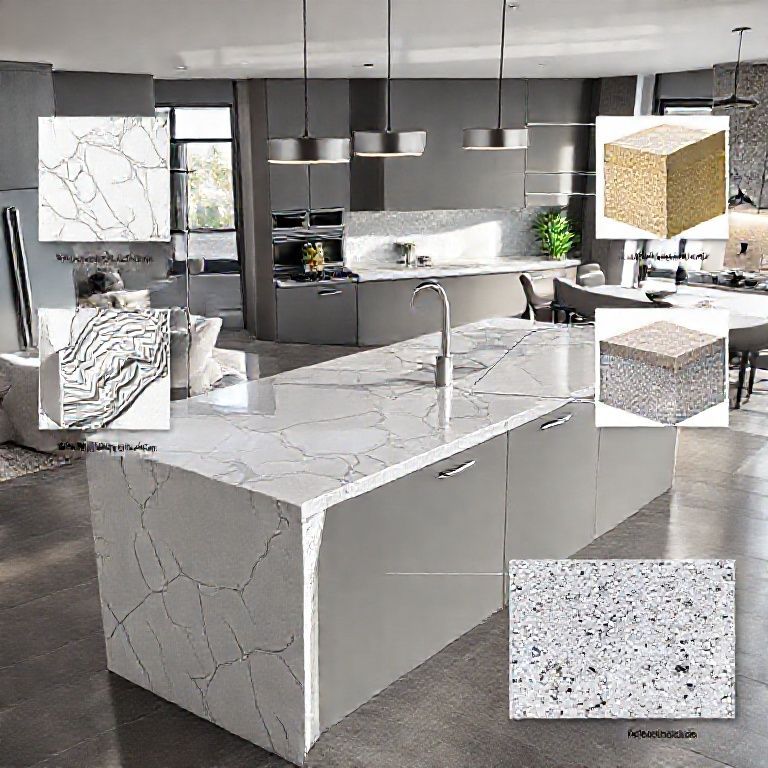
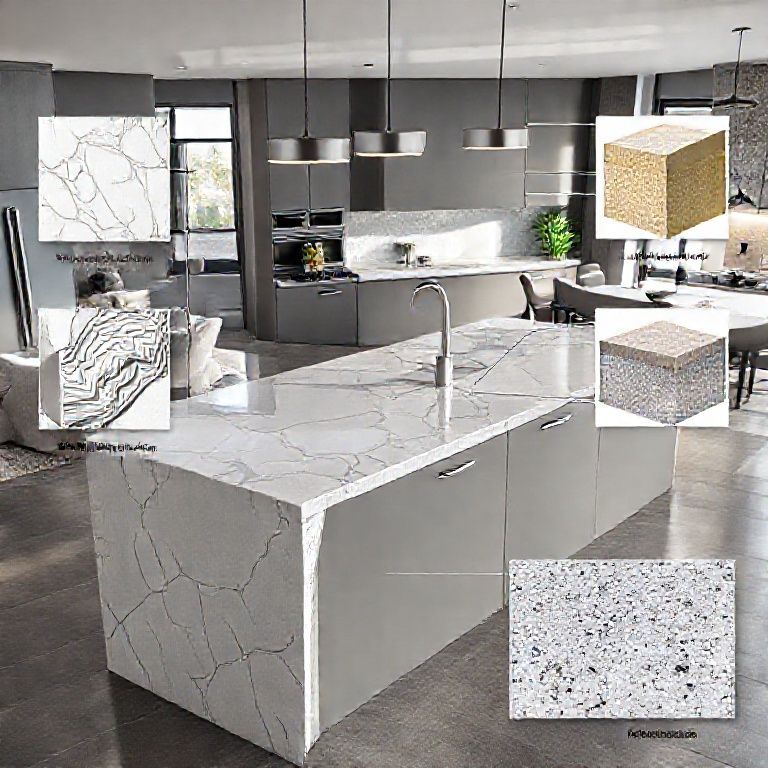
Understanding the Causes
Granite, although one of the hardest natural stones, is not indestructible. The durability of granite countertops depends on various factors, including the quality of the stone, the installation process, and maintenance. Here are some common causes of granite cracks:
Impact Damage: The most common reason for cracks in granite is impact damage. Heavy objects falling onto the surface can cause immediate fractures. Think about anything from a dropped pan to a spilled bottle.
Thermal Shock: Granite can crack from sudden temperature changes. For example, pouring a hot liquid onto a cold granite surface can cause a thermal shock, leading to a crack.
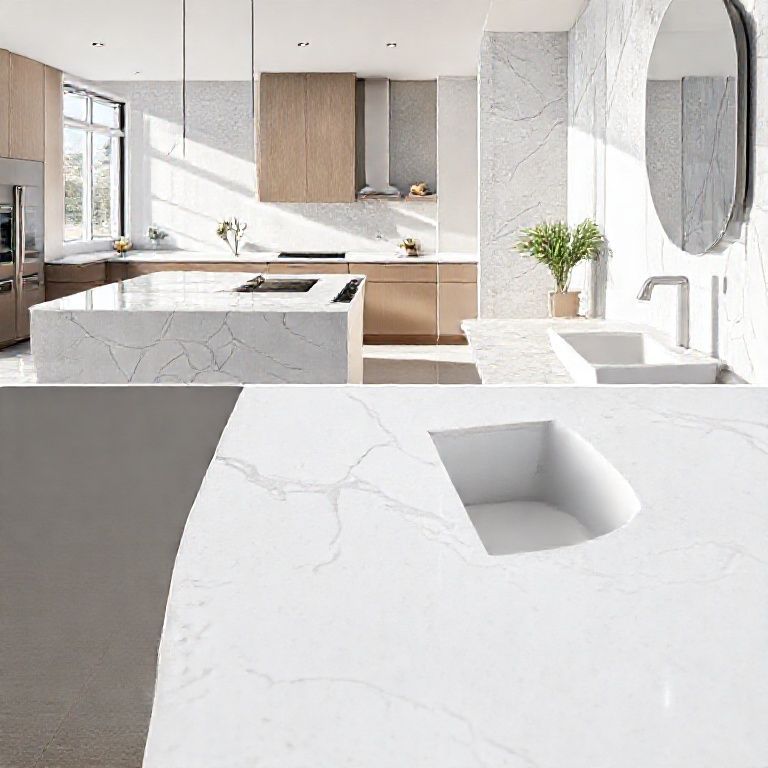
Installation Flaws: Poor installation practices can also result in cracks. Inaccurate cutting, improper sealing, or insufficient support during installation can all lead to structural weaknesses.
Aging and Wear: Over time, even the best-maintained granite can show signs of aging. Natural wear and tear from daily use can cause micro-cracks that eventually become more visible.
Immediate First Steps
When you first notice a crack, it’s crucial to act quickly to prevent further damage. Here are the immediate steps you should take:

Stop Using the Countertop: Avoid using the cracked area to prevent additional stress and potential worsening of the crack.
Clean the Area: Gently clean the cracked area with soap and water to remove any dirt or debris that could exacerbate the crack.
Assess the Damage: Carefully examine the crack to determine its size and depth. A small hairline crack may be different in nature from a large, deep crack.

Document the Damage: Take photos of the crack from different angles. This documentation will be useful if you need to consult with a professional or if the crack is covered under warranty.
Preventative Measures
Prevention is always better than cure. Here are some preventative measures to minimize the risk of cracks in your granite countertop:
Use Protective Pads: Always use cutting boards, trivets, and pot holders to protect the surface from sharp objects and hot items.
Regular Maintenance: Clean your granite countertop regularly to remove spills and stains that can lead to cracks. Use mild, non-abrasive cleaners.
Avoid Extreme Temperatures: Try to avoid placing extremely hot or cold items directly on the granite surface.
Seal Periodically: Granite countertops should be sealed periodically to maintain their protective layer. Follow the manufacturer’s recommendations for resealing.
Expert Help When Needed
While minor cracks can often be repaired at home, larger or more complex cracks may require professional intervention. Knowing when to call in a professional is essential for the longevity of your granite countertop.
Repair Techniques and Long-Term Care
Once you’ve assessed the damage and taken the necessary initial steps, it’s time to explore repair techniques and long-term care strategies for your granite countertop. This section will provide you with detailed methods to fix cracks and maintain the beauty and functionality of your countertop.
DIY Repair Techniques
For minor cracks, there are several DIY methods you can try before resorting to professional help. Here’s how you can attempt a repair at home:
Epoxy Resin Repair: Epoxy resin is a popular choice for repairing granite cracks. Here’s a step-by-step guide: Clean the Area: Thoroughly clean the cracked area with a mild detergent and water. Mix the Resin: Follow the manufacturer’s instructions to mix the epoxy resin according to the required ratio. Apply the Resin: Using a syringe or a small brush, apply the resin into the crack. Work the resin into the crack by running a small stick or a toothpick through the crack to ensure it fills the gap completely. Smooth the Surface: Once the resin is applied, smooth the surface with a damp cloth to remove any excess. Cure the Resin: Allow the resin to cure according to the product instructions. This usually takes several hours. Cement-Based Repair: For larger cracks, a cement-based filler can be effective. Here’s how: Prepare the Crack: Clean the crack thoroughly to remove any debris. Apply the Filler: Use a putty knife to apply the cement-based filler into the crack. Smooth the Surface: Once the filler has been applied, use a damp cloth to smooth the surface. Let it Cure: Allow the filler to cure for the recommended time before using the countertop again.
Professional Repair Services
If the crack is too extensive or if you’re not comfortable attempting a repair yourself, it’s best to seek professional help. Here’s what to expect from professional repair services:
Assessment and Quote: Professionals will assess the extent of the damage and provide a detailed quote for the repair. This might include the cost of materials and labor.
Advanced Techniques: Professionals use advanced techniques and high-quality materials to repair cracks. They might use a process called “point matching,” where a matching piece of granite is used to fill the crack and then ground and polished to blend seamlessly with the countertop.
Warranties and Guarantees: Professional repair services often come with warranties or guarantees, providing you with peace of mind that the repair will last.
Long-Term Care and Maintenance
To ensure that your granite countertop remains in excellent condition, follow these long-term care tips:
Regular Cleaning: Clean your granite countertop regularly using mild, non-abrasive cleaners. Avoid using acidic cleaners that can etch the surface.
Sealing: Reseal your granite countertop periodically as recommended by the manufacturer. This helps maintain the protective layer that guards against stains and cracks.
Use Cutting Pads: Always use cutting pads or mats to protect the surface from sharp objects and hot items.
Monitor for Damage: Regularly inspect your countertop for any signs of damage or wear. Early detection can prevent small issues from becoming major problems.
Final Thoughts
Cracks in a granite countertop can be a cause for concern, but with the right knowledge and actions, you can address and repair the damage effectively. By understanding the causes, taking prompt action, and implementing long-term maintenance strategies, you can ensure that your granite countertop remains a beautiful and functional part of your kitchen for years to come. Whether you choose to tackle the repair yourself or seek professional help, the key is to act quickly and carefully to preserve the integrity and appearance of your countertop.